




Blog
Insights & updates from our experts


Resolve plant floor and IT issues before they disrupt production.

Stay audit-ready while resolving issues and reducing operational risk.
Resolve issues quickly with an AI-powered system that automates ticketing.
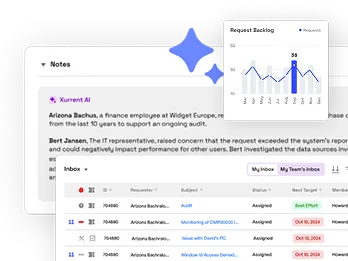
Unifiy IT, HR, Facilities, Finance, and more on a single, AI-powered service platform.
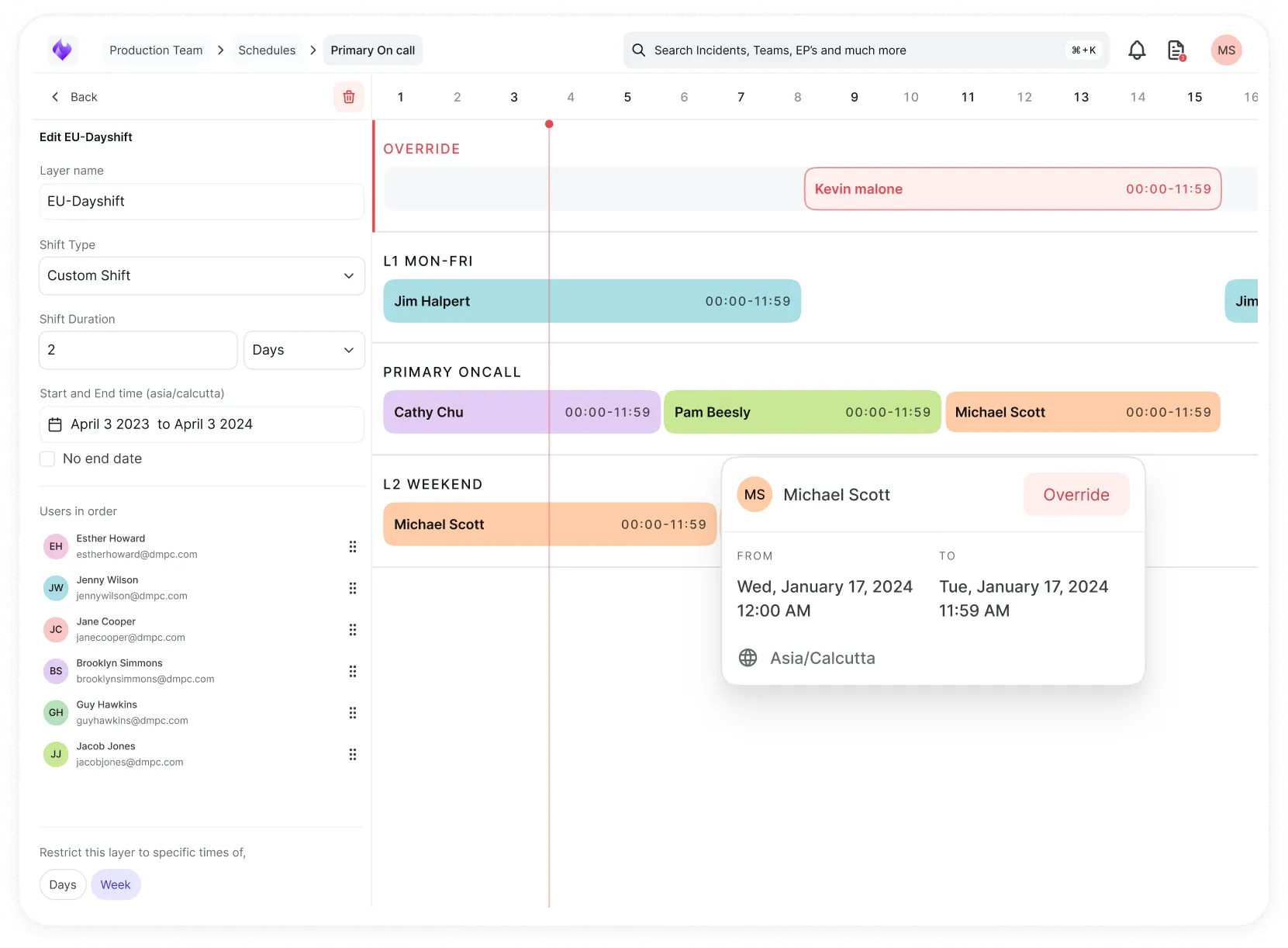
Simplify on-call scheduling, automate escalations, and reduce burnout.
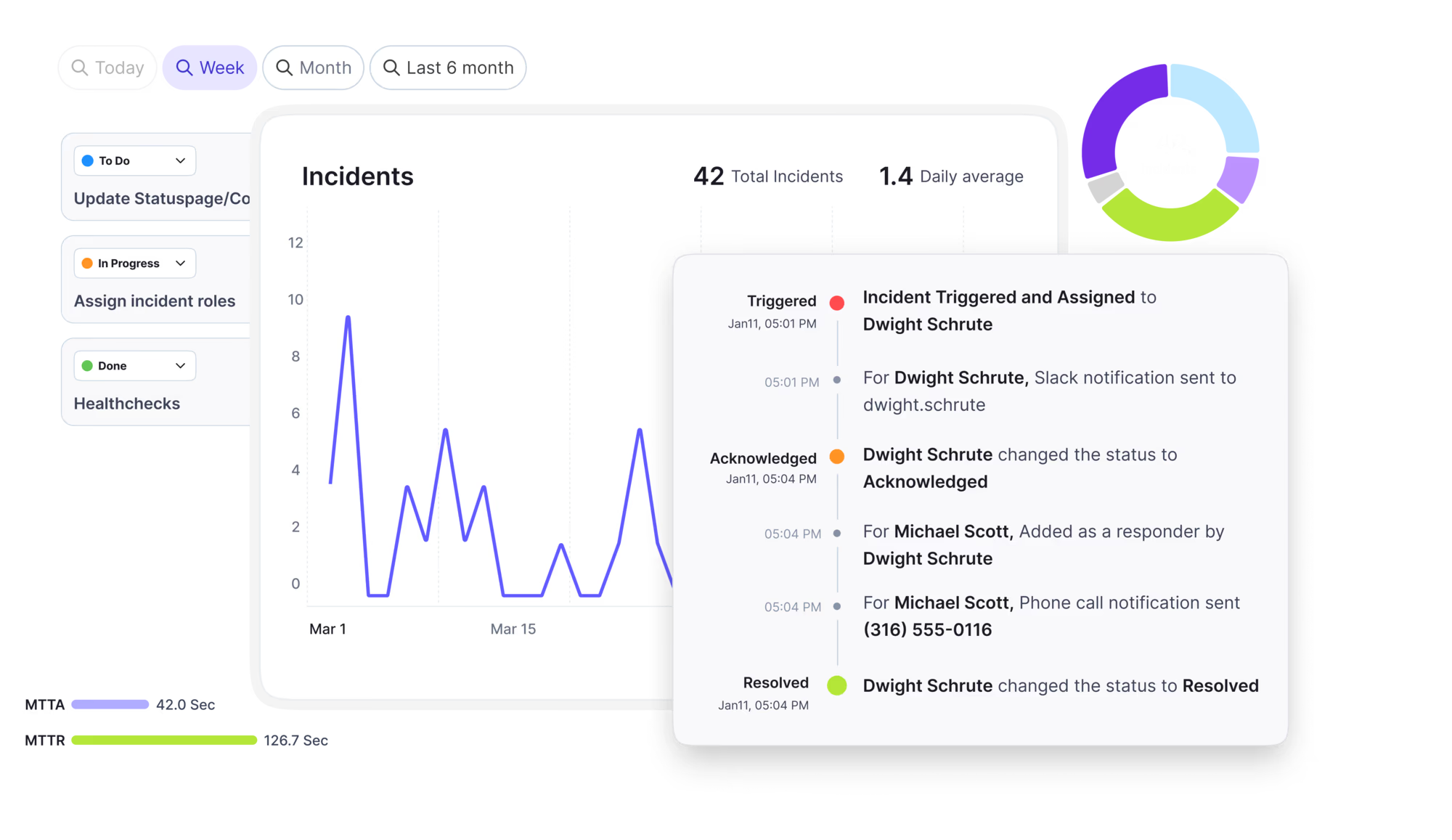
Automate postmortems, AI summaries, and post-incident workflows
Create, organize, and continuously improve your knowledge base to find the right answers with Sera AI.
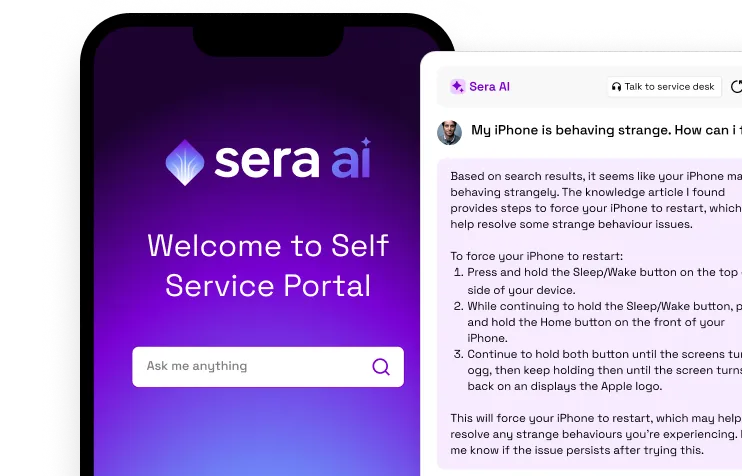
We're here to help

The integration with Atlassian Jira using the Xurrent Integration Service is

The integration with Atlassian Jira using the Xurrent Integration Service is

The integration with Atlassian Jira using the Xurrent Integration Service is

The integration with Atlassian Jira using the Xurrent Integration Service is

The integration with Atlassian Jira using the Xurrent Integration Service is

The integration with Atlassian Jira using the Xurrent Integration Service is

The integration with Atlassian Jira using the Xurrent Integration Service is

The integration with Atlassian Jira using the Xurrent Integration Service is
Resolve issues quickly with an AI-powered system that automates ticketing.
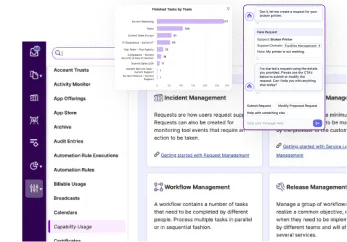
Unifiy IT, HR, Facilities, Finance, and more on a single, AI-powered service platform.
Simplify on-call scheduling, automate escalations, and reduce burnout.
Automate postmortems, AI summaries, and post-incident workflows
Create, organize, and continuously improve your knowledge base to find the right answers with Sera AI.
Resolve plant floor and IT issues before they disrupt production.
Stay audit-ready while resolving issues and reducing operational risk.

Detect, respond, and resolve incidents fast to cut downtime and MTTR.

Keep your store online, even during your biggest sales moments.

Protect patient data and resolve issues fast, so care teams stay focused on care.

Standardize service delivery across every store and channel.

We are here to help 24/7

Connect with other Xurrent Users

Get insights and tips on how to get the most out of Xurrent

Apps, APIs, and updates

Xurrent service functionality

Eliminate manual tasks, optimize workflows, and deliver faster resolutions.
Learn how organizations have reduced downtime, improved 50% MTTA & MTTR, and cut costs with Xurrent IMR.
Discover Xurrent IMR's quick support, bidirectional integrations with Jira and Slack, and more cohesive incident response capabilities compared to Opsgenie.
Understand why users value Xurrent IMR for its intuitive interface, efficient incident alerting, customizable On-call schedules, and escalations.

Root cause analysis (RCA) is a structured problem-solving method that identifies the fundamental cause of an incident or failure—not just the visible symptoms. When a service goes down, the immediate fix restores operations, but RCA answers the harder question: why did it happen in the first place?
This guide covers how RCA works, the most common techniques teams use, and practical steps for running an effective investigation that prevents the same problem from recurring.
Root cause analysis (RCA) is a systematic problem-solving process used to identify the fundamental, underlying causes of an incident or defect. Rather than treating visible symptoms, RCA digs deeper to address the actual source of a problem—so it doesn't happen again.
The approach started in manufacturing and safety-critical industries, where recurring failures could be catastrophic. Today, RCA is just as essential in IT operations, SRE, and incident management. When a service goes down at 2 a.m., the immediate fix gets things running again. But without understanding why it happened, you'll likely face the same problem next week.
A few guiding principles separate genuine investigation from surface-level troubleshooting. Following these principles helps teams move beyond quick fixes toward lasting solutions.
Symptoms are what you observe: the server is down, the application is slow, users are complaining. Causes are why those things happened: a misconfigured deployment, a memory leak, or a capacity threshold that was never monitored.
Think of it like a fever. You can take medication to bring the temperature down, but if you don't treat the underlying infection, the fever comes back. RCA asks you to keep digging until you find the infection.
Assumptions lead to incomplete fixes. Effective RCA relies on evidence: logs, metrics, deployment records, incident timelines, and firsthand accounts from the people involved. The more complete your data, the more accurate your analysis.
This is where automated timeline reconstruction becomes valuable. Manually piecing together what happened across multiple systems is slow and error-prone—and often incomplete.
A blameless culture focuses on improving systems rather than punishing individuals. When people fear consequences, they hide information critical to the investigation.
RCA works best as a collaborative exercise. Engineers, operations staff, and support teams each bring different perspectives. Those diverse viewpoints surface blind spots that a single investigator might miss entirely.
RCA delivers tangible operational outcomes. Each benefit addresses a common pain point that teams face when incidents become routine.
Without RCA, teams fix symptoms and move on. The same problems resurface days or weeks later, creating a frustrating cycle of déjà vu incidents. RCA breaks this cycle by addressing the actual source. One thorough investigation can eliminate an entire category of recurring issues.
Mean time to resolution (MTTR) measures how long it takes to restore service after an incident. Documented root causes from past investigations speed up future response—when a similar problem occurs, teams already know where to look.
Over time, this institutional knowledge compounds. Each RCA builds a library of patterns and solutions that new team members can reference immediately.
RCA isn't just about fixing individual incidents. It's about organizational learning. Each investigation reveals process gaps, monitoring blind spots, or architectural weaknesses that can be addressed proactively. Teams that practice RCA consistently tend to see fewer incidents overall, not just faster resolutions.
Not every incident warrants a full RCA. However, certain scenarios call for deeper investigation:
The key is consistency. If you only perform RCA after catastrophic failures, you miss opportunities to learn from smaller incidents before they escalate.
RCA follows a structured sequence. Skipping steps or rushing through them typically leads to incomplete conclusions.
Start with a clear, specific problem statement. Vague descriptions like "the system was slow" make analysis difficult. Instead, specify scope, timeline, and impact: "The checkout API returned 500 errors for 47 minutes, affecting approximately 12,000 transactions."
A well-defined problem statement keeps the investigation focused and gives everyone a shared understanding of what you're actually trying to solve.
Collect everything relevant: application logs, monitoring data, deployment records, communication logs, and notes from anyone involved. The goal is a complete picture of what happened and when.
Platforms that automatically capture incident timelines can accelerate this step significantly. What might take hours of manual reconstruction can happen in minutes when your tools are already capturing the data.
Map all the factors that contributed to the incident. A single root cause is rare—most incidents involve a chain of events and conditions that aligned in a particular way.
Resist the temptation to stop at the first factor you find. That's often a symptom of something deeper, not the root cause itself.
The root cause is the deepest actionable factor that, if addressed, prevents recurrence. It's the point in the causal chain where intervention makes the most difference.
Sometimes you'll find multiple root causes. That's fine—document each one and prioritize based on impact and feasibility of the fix.
Assign clear owners and deadlines for each fix. Track completion to ensure actions don't fall through the cracks during the next busy week.
Corrective actions might include code changes, process updates, monitoring improvements, or training. The best actions address systemic issues, not just the immediate trigger.
Verify that your fixes actually worked. Continue monitoring to confirm the problem doesn't recur. Without validation, you might assume the issue is resolved while the underlying cause remains active—only to face the same incident again.
Several established frameworks guide RCA. The right choice depends on the complexity of the problem and your team's familiarity with each method.
Ask "why" repeatedly—typically five times—until you reach the root cause. This technique works well for straightforward, single-thread problems where the causal chain is relatively linear.
For example: Why did the deployment fail? Because the config file was missing. Why was it missing? Because it wasn't included in the build. Why wasn't it included? Because the build script wasn't updated after the refactor. And so on.
Also called an Ishikawa or cause-and-effect diagram, this visual method categorizes potential causes into branches—typically people, process, technology, and environment. It's particularly useful for complex problems with multiple contributing factors.
The visual format helps teams brainstorm comprehensively without getting stuck on a single thread too early.
Based on the principle that most problems stem from a few key causes, Pareto analysis helps prioritize which factors to address first. If 80% of your incidents trace back to three root causes, those three deserve immediate attention.
FMEA is a proactive method for identifying potential failure points before they cause incidents. It's common in reliability engineering and change management, helping teams anticipate risks rather than react to them after the fact.
Compare the state before and after the problem occurred. What changed—deployments, configurations, traffic patterns, team members? This method is especially effective for incidents that follow recent changes.
A few practices consistently improve RCA outcomes across teams and industries.
Include people from different roles: engineers, operations, support, and anyone who touched the incident. Diverse perspectives surface assumptions and blind spots that a single investigator might miss.
The person who deployed the code, the engineer who responded to the alert, and the support rep who fielded customer complaints all have pieces of the puzzle.
Create a clear audit trail. Thorough documentation supports future investigations, helps onboard new team members, and satisfies compliance requirements. Even findings that seem obvious today may not be obvious to someone reviewing the incident six months from now.
Manual reconstruction is slow and error-prone. Modern incident management platforms like Xurrent IMR can automatically capture timelines, communications, and system state—freeing teams to focus on analysis rather than data gathering.
When your alerting, response coordination, and post-incident analysis live in the same platform, the data and context you need for accurate RCA are already captured. No more hunting through Slack threads and log files to piece together what happened.
Even experienced teams fall into patterns that undermine RCA effectiveness.
The first cause you find is often a symptom of something deeper. If a deployment failed because of a missing config file, why was the file missing? Keep asking until you reach a point where intervention prevents the entire chain from starting.
Blame shuts down honest disclosure. When people fear punishment, they hide information critical to the investigation—or worse, they stop reporting near-misses entirely. Focus on what the system allowed to happen, not who made a mistake.
Always validate that corrective actions actually resolved the issue. Without verification, you might close the investigation while the underlying cause remains active. This step closes the loop and confirms your analysis was correct.
RCA is most effective when embedded into a unified incident management process—from detection through postmortem—rather than treated as a standalone exercise. When alerting, response coordination, and post-incident analysis live in the same platform, the data and context for accurate RCA are already captured.
Teams that treat RCA as an afterthought often struggle with incomplete timelines, missing evidence, and disconnected tools. Teams that build RCA into their standard workflow see faster investigations, better corrective actions, and fewer repeat incidents.
Free Analyst Report: Unlock EMA's Findings on Faster, Smarter Incident Response
Most AI SREs are pattern matchers trained on public data. They know what a memory leak looks like in the abstract. They don't know that your payments-api has a flaky liveness probe everyone ignores, that the checkout team owns the retry policy, or that the last three "database incidents" were actually cache misconfigurations. That knowledge lives in your postmortems, your Slack channels, and the heads of two senior engineers.
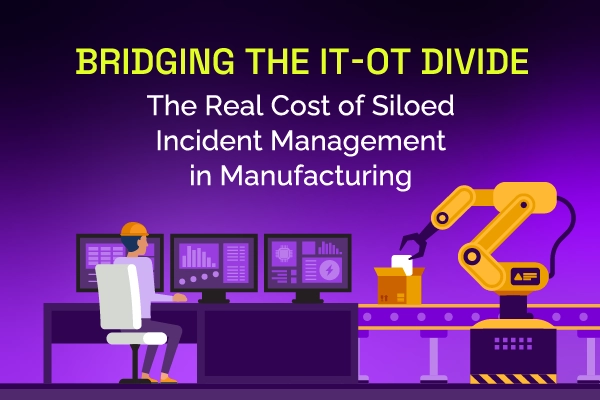
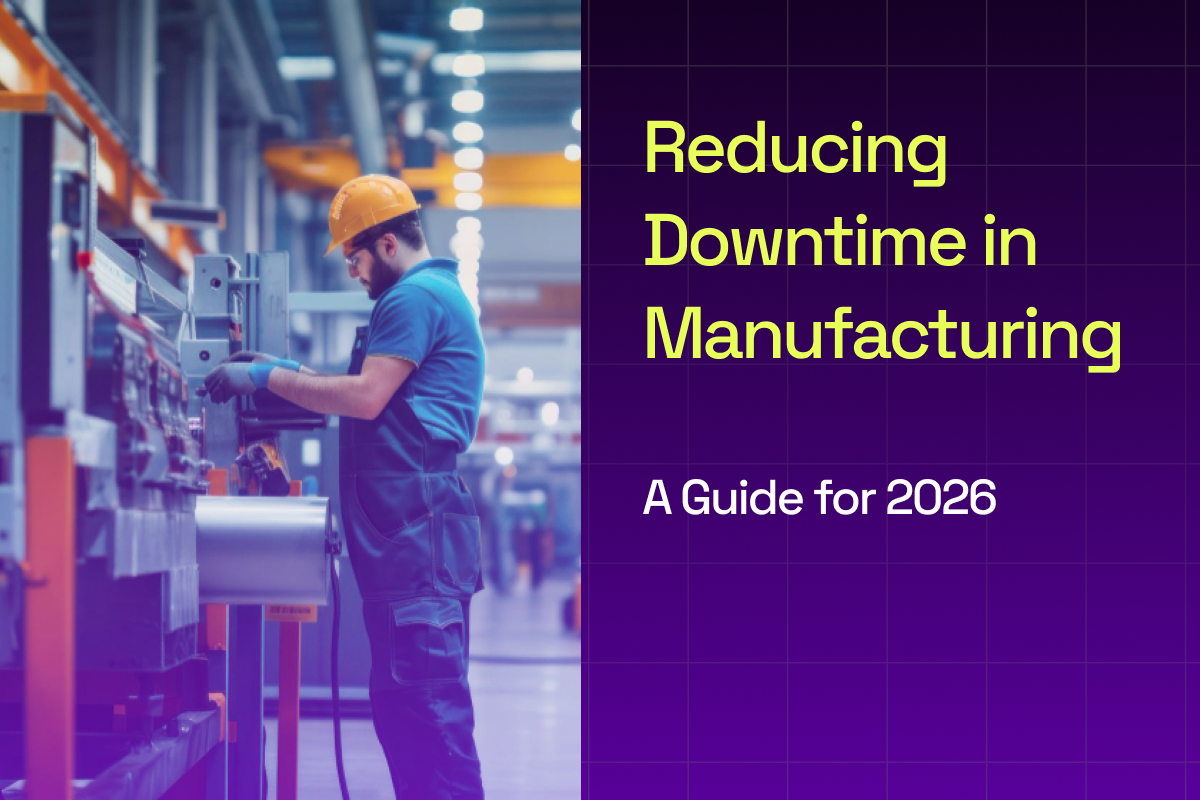
Same incident, different shift, same lost time. See why legacy ITSM keeps costing manufacturing IT teams in rework and overtime, and how modern incident and knowledge management breaks the cycle.
Most AI SREs are pattern matchers trained on public data. They know what a memory leak looks like in the abstract. They don't know that your payments-api has a flaky liveness probe everyone ignores, that the checkout team owns the retry policy, or that the last three "database incidents" were actually cache misconfigurations. That knowledge lives in your postmortems, your Slack channels, and the heads of two senior engineers.

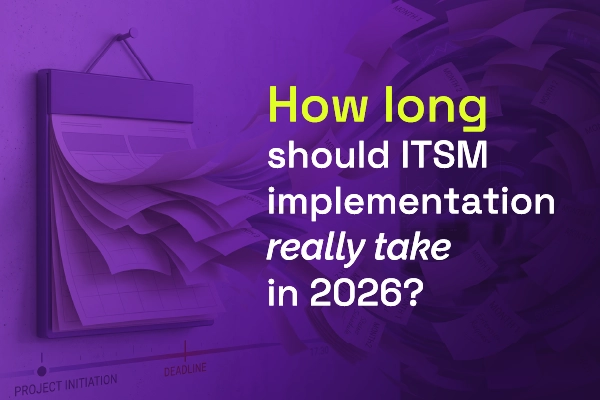
Most vendors will tell you ITSM implementation takes six months to a year — but modern, configuration-first platforms have rewritten the math entirely. See what real implementations look like in 2026, and why a long rollout is now a choice, not a given.
.webp)
.webp)
.webp)