



Blog
Insights & updates from our experts


Resolve plant floor and IT issues before they disrupt production.

Stay audit-ready while resolving issues and reducing operational risk.
Resolve issues quickly with an AI-powered system that automates ticketing.
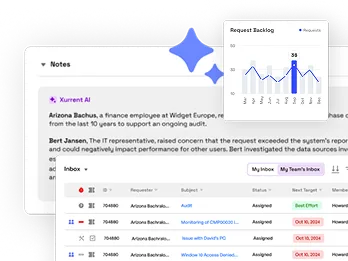
Unifiy IT, HR, Facilities, Finance, and more on a single, AI-powered service platform.
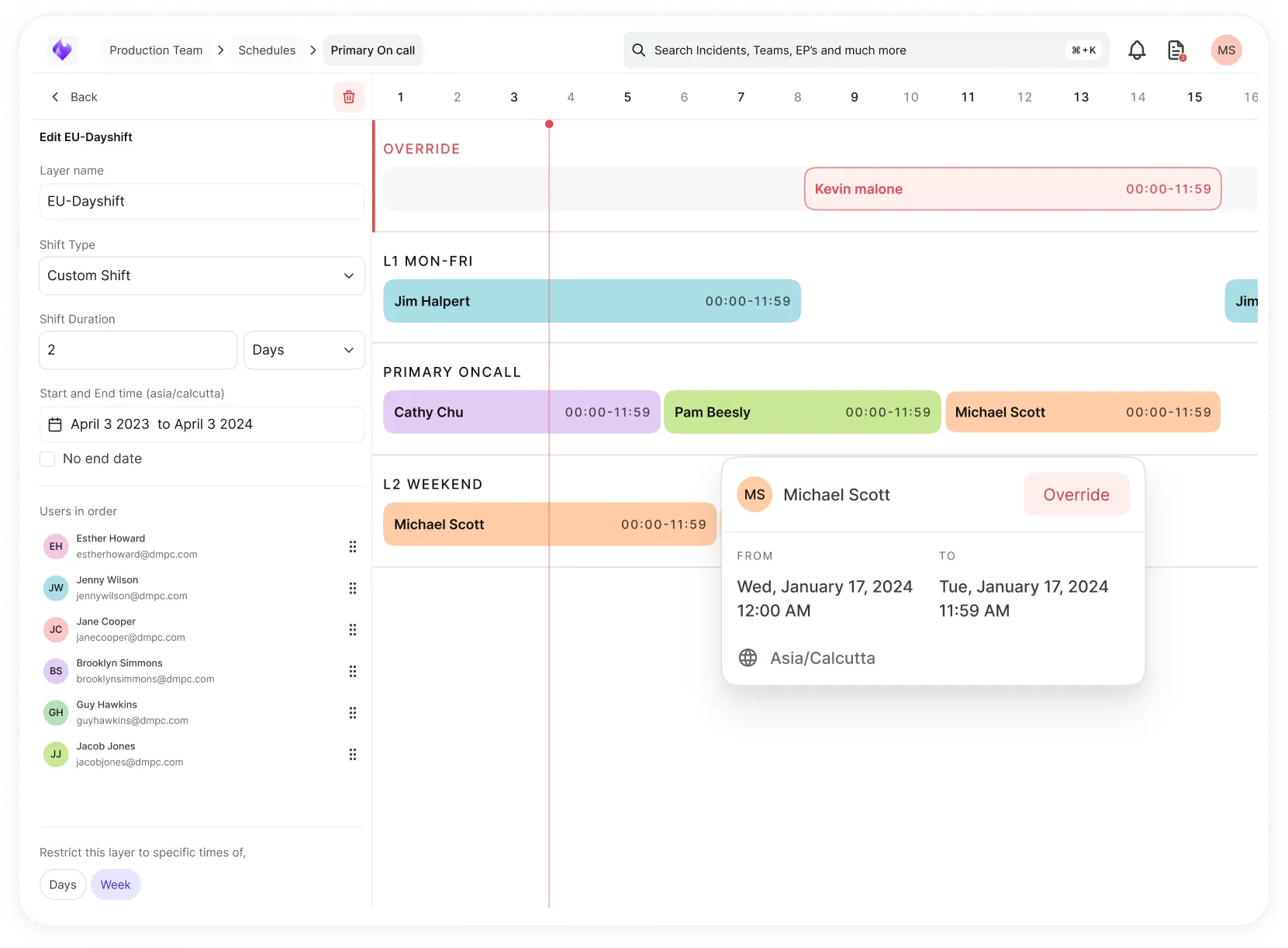
Simplify on-call scheduling, automate escalations, and reduce burnout.
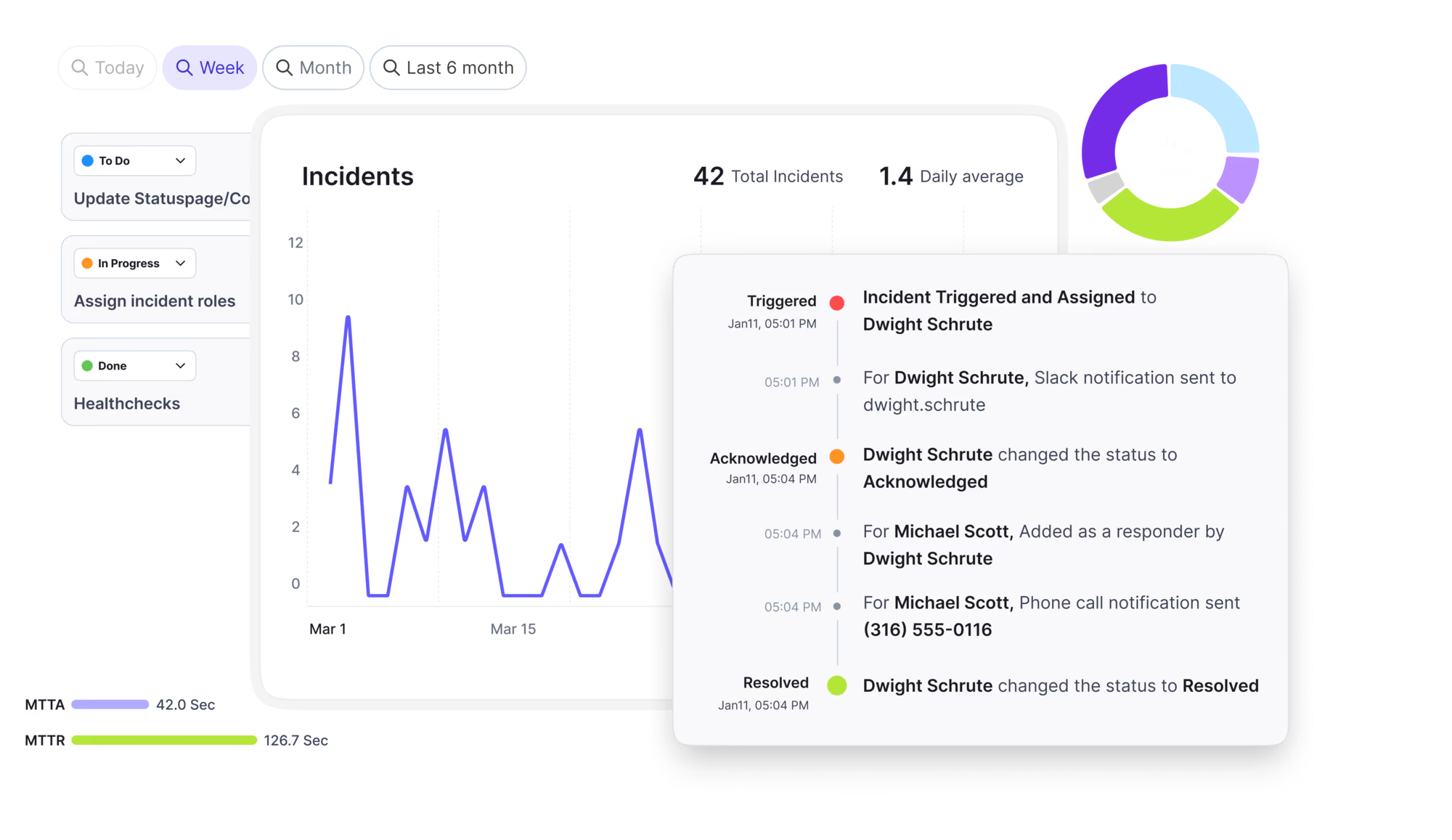
Automate postmortems, AI summaries, and post-incident workflows
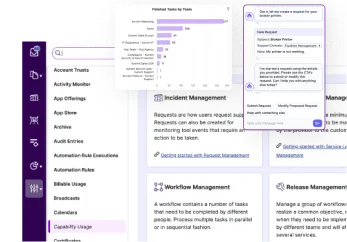
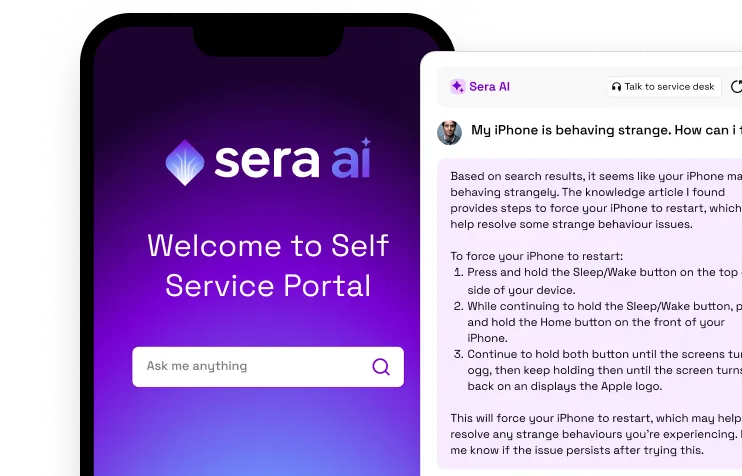
Create, organize, and continuously improve your knowledge base to find the right answers with Sera AI.
We're here to help

The integration with Atlassian Jira using the Xurrent Integration Service is

The integration with Atlassian Jira using the Xurrent Integration Service is

The integration with Atlassian Jira using the Xurrent Integration Service is

The integration with Atlassian Jira using the Xurrent Integration Service is

The integration with Atlassian Jira using the Xurrent Integration Service is

The integration with Atlassian Jira using the Xurrent Integration Service is

The integration with Atlassian Jira using the Xurrent Integration Service is

The integration with Atlassian Jira using the Xurrent Integration Service is
Resolve issues quickly with an AI-powered system that automates ticketing.
Unifiy IT, HR, Facilities, Finance, and more on a single, AI-powered service platform.
Simplify on-call scheduling, automate escalations, and reduce burnout.
Automate postmortems, AI summaries, and post-incident workflows
Create, organize, and continuously improve your knowledge base to find the right answers with Sera AI.
Resolve plant floor and IT issues before they disrupt production.
Stay audit-ready while resolving issues and reducing operational risk.

Detect, respond, and resolve incidents fast to cut downtime and MTTR.

Keep your store online, even during your biggest sales moments.

Protect patient data and resolve issues fast, so care teams stay focused on care.
Standardize service delivery across every store and channel.

We are here to help 24/7

Connect with other Xurrent Users

Get insights and tips on how to get the most out of Xurrent

Apps, APIs, and updates

Xurrent service functionality

Eliminate manual tasks, optimize workflows, and deliver faster resolutions.
Learn how organizations have reduced downtime, improved 50% MTTA & MTTR, and cut costs with Xurrent IMR.
Discover Xurrent IMR's quick support, bidirectional integrations with Jira and Slack, and more cohesive incident response capabilities compared to Opsgenie.
Understand why users value Xurrent IMR for its intuitive interface, efficient incident alerting, customizable On-call schedules, and escalations.





Lost production capacity while an incident that crosses IT and OT waits for coordination.

Skilled labor hours burned on handoffs and chasing context between teams and tools.

Quality issues that cross IT and OT without a shared record — so nobody sees the whole event.

The same failure recurs across sites because nobody recognizes it as a repeat.
5,000+ users onboarded on go-live day with zero complaints
1,200 hours of manual work eliminated in first six months
60% more service desk engagement from non-English regions
Streamlined SAP change management via Xurrent + Jira
Linked accounts across HQ, 5 plants, 17 affiliates
Displaced HP OpenView Service Desk after end o
~80% of employees using the self-service portal
Live in three months from signing
Evaluated ServiceNow and Jira, chose Xurrent

Convert alerts from your infrastructure and production systems into structured incidents automatically — reducing noise and manual triage.

Keep approvals, escalations, and updates connected to incidents, changes, and assets across sites and time zones — without switching systems.

API-first with embedded iPaaS, REST and GraphQL. Keep change management, incident workflows, and asset data synced across ERP, MES, and custom IoT.
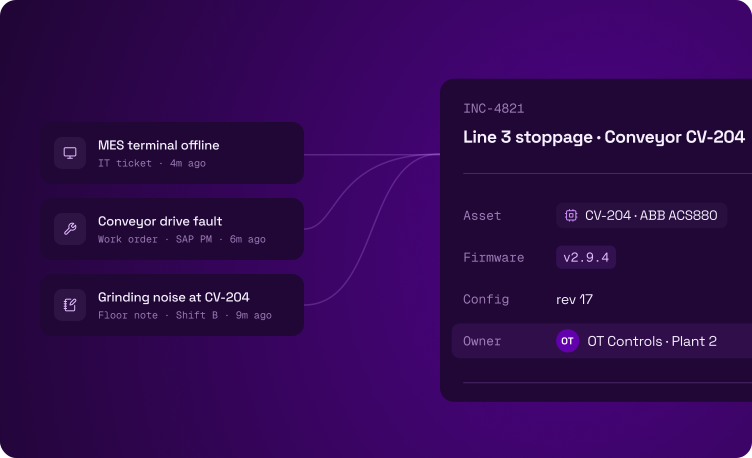
Agreed — Xurrent isn't replacing the CMMS. The gap is the cross-boundary incident. When a conveyor hesitates and the HMI freezes, the CMMS holds the drive's service history and the ITSM tool holds the network ticket — neither holds the whole event. Xurrent provides the single incident record where operator report, IT diagnostics, OT control checks, and production impact live together, with visible ownership.
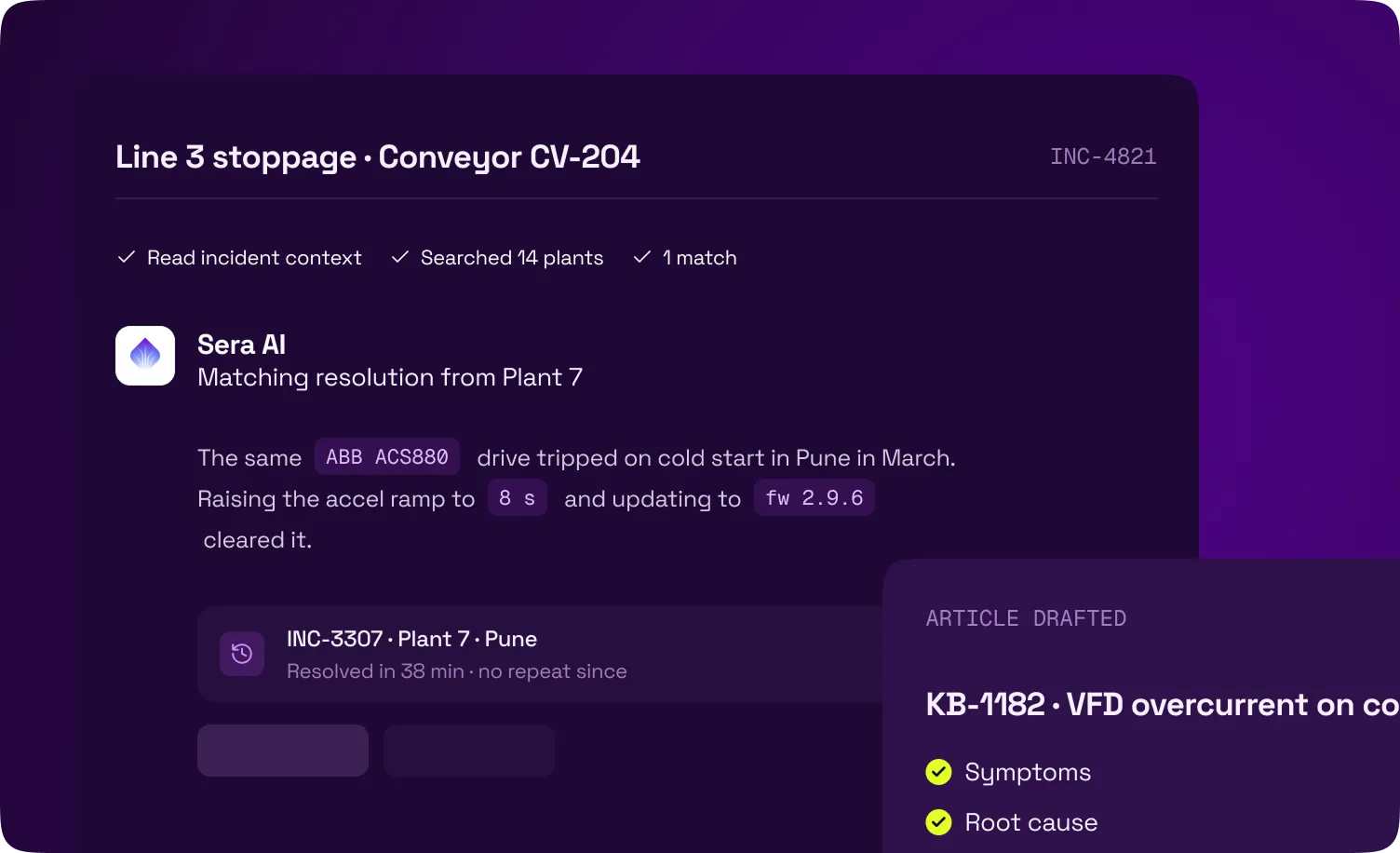
Usually true — because they were handed a tool built around ticket queues that ignored asset context. In a unified model, configuration history, firmware versions, recent changes, and prior incidents on similar assets are visible without calling anyone, and ownership is assigned by asset class and fault pattern. Start with the cross-domain incidents OT already hates, not the work they handle well in their own tools.
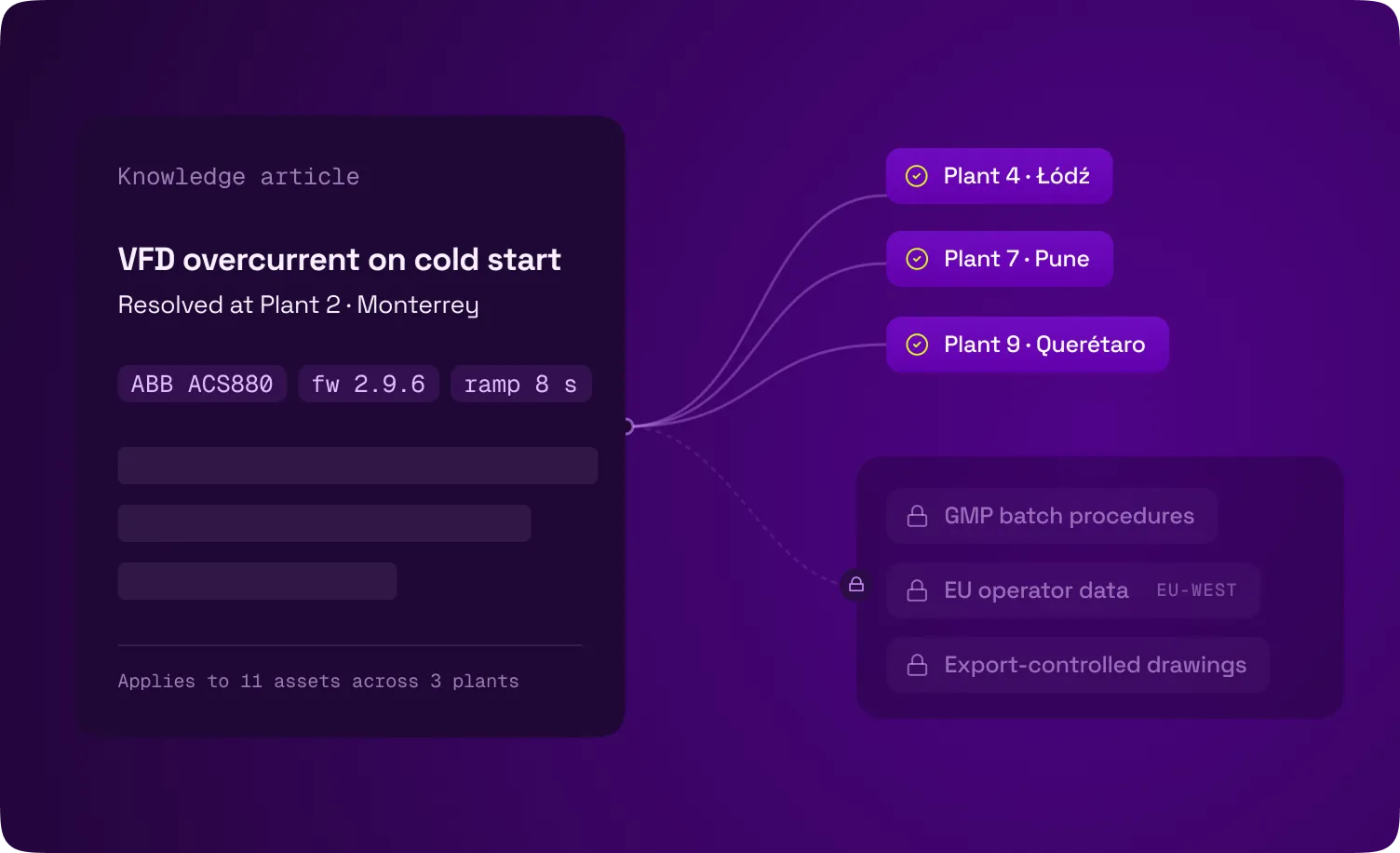
That's exactly what Account Trust is built for. You get one organization-wide space for lessons that should travel — like a firmware mismatch on a press model you run in six plants — and separate spaces where regulated procedures and in-region data stay local. Visibility is controlled by facility, role, and function.
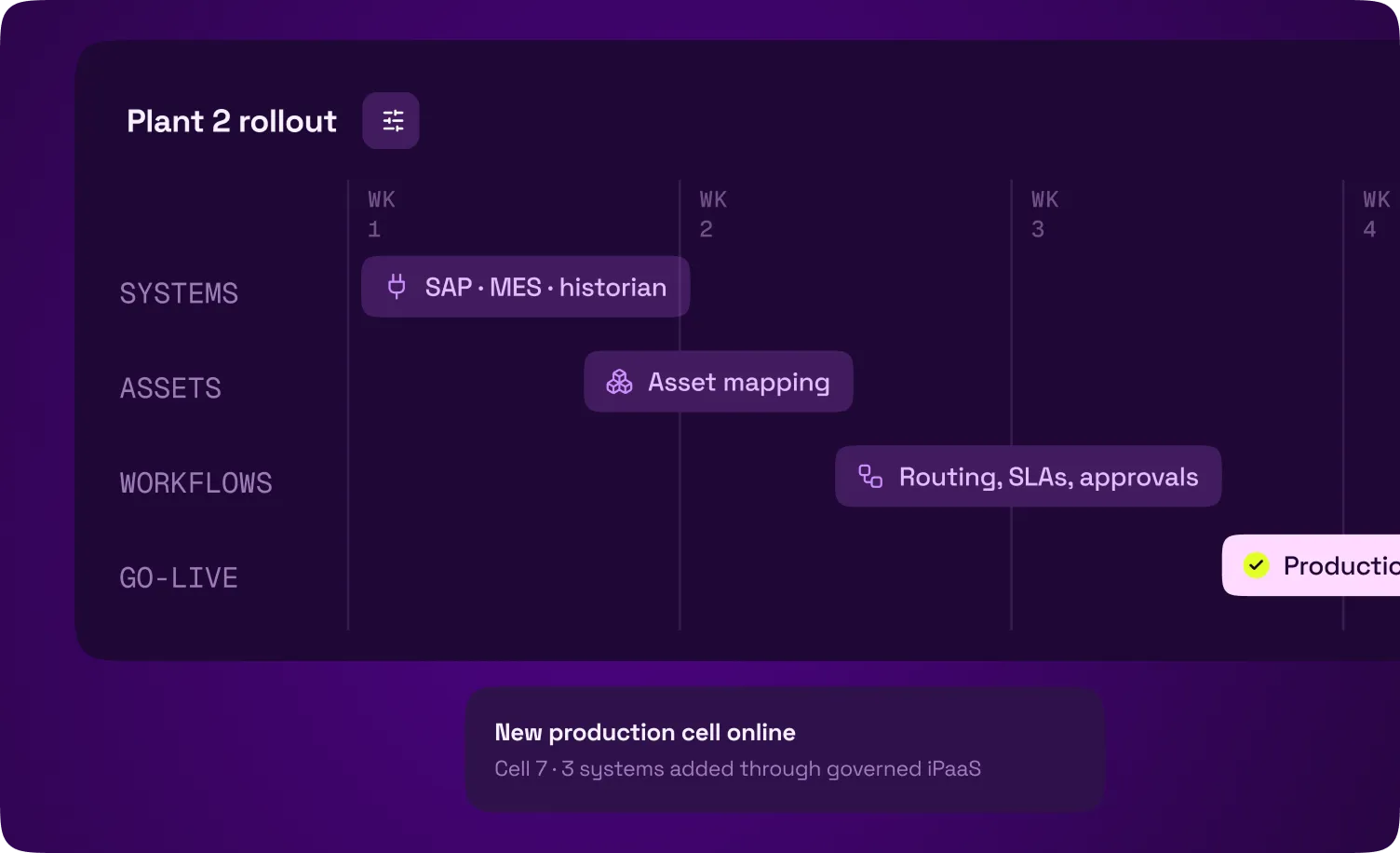
Fair — so be specific about disruption in each direction. Fiskars went live in 16 weeks across 14 countries. Set that against the ongoing disruption of custom development cycles, upgrade debt, and version fragmentation across sites. Many organizations also run Xurrent alongside an incumbent first, a reasonable step in a plant network.
Sera AI is built on AWS Bedrock with BYOK, and Xurrent holds ISO-27001, SOC 2 Type II, and C5 attestation from Deloitte. It's included in every license tier rather than sold as an add-on, so there's no separate AI contract or data-handling agreement to negotiate.