




Blog
Insights & updates from our experts


Resolve plant floor and IT issues before they disrupt production.

Stay audit-ready while resolving issues and reducing operational risk.
Resolve issues quickly with an AI-powered system that automates ticketing.
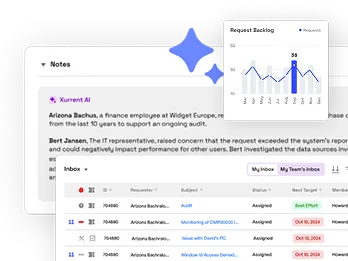
Unifiy IT, HR, Facilities, Finance, and more on a single, AI-powered service platform.
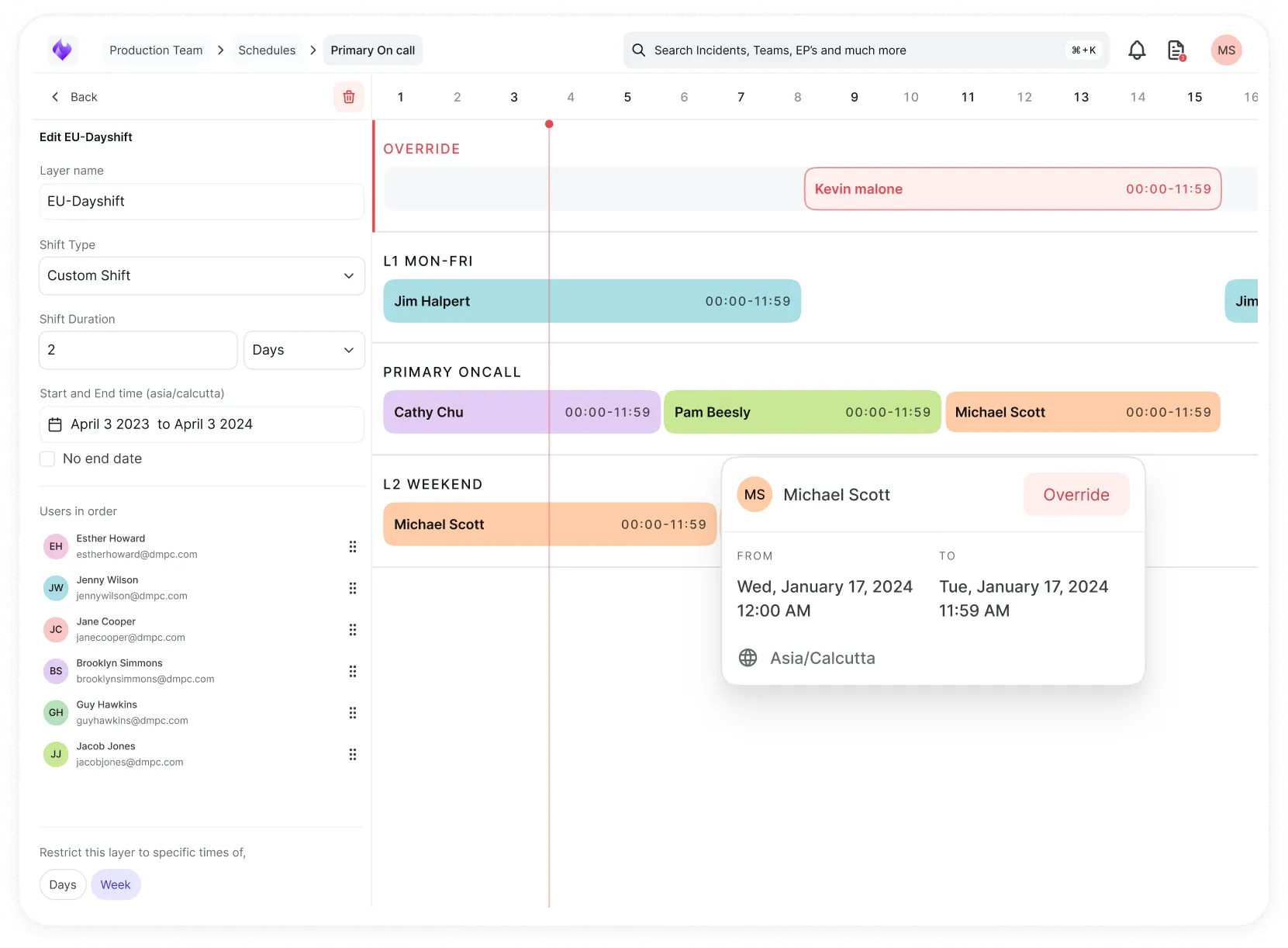
Simplify on-call scheduling, automate escalations, and reduce burnout.
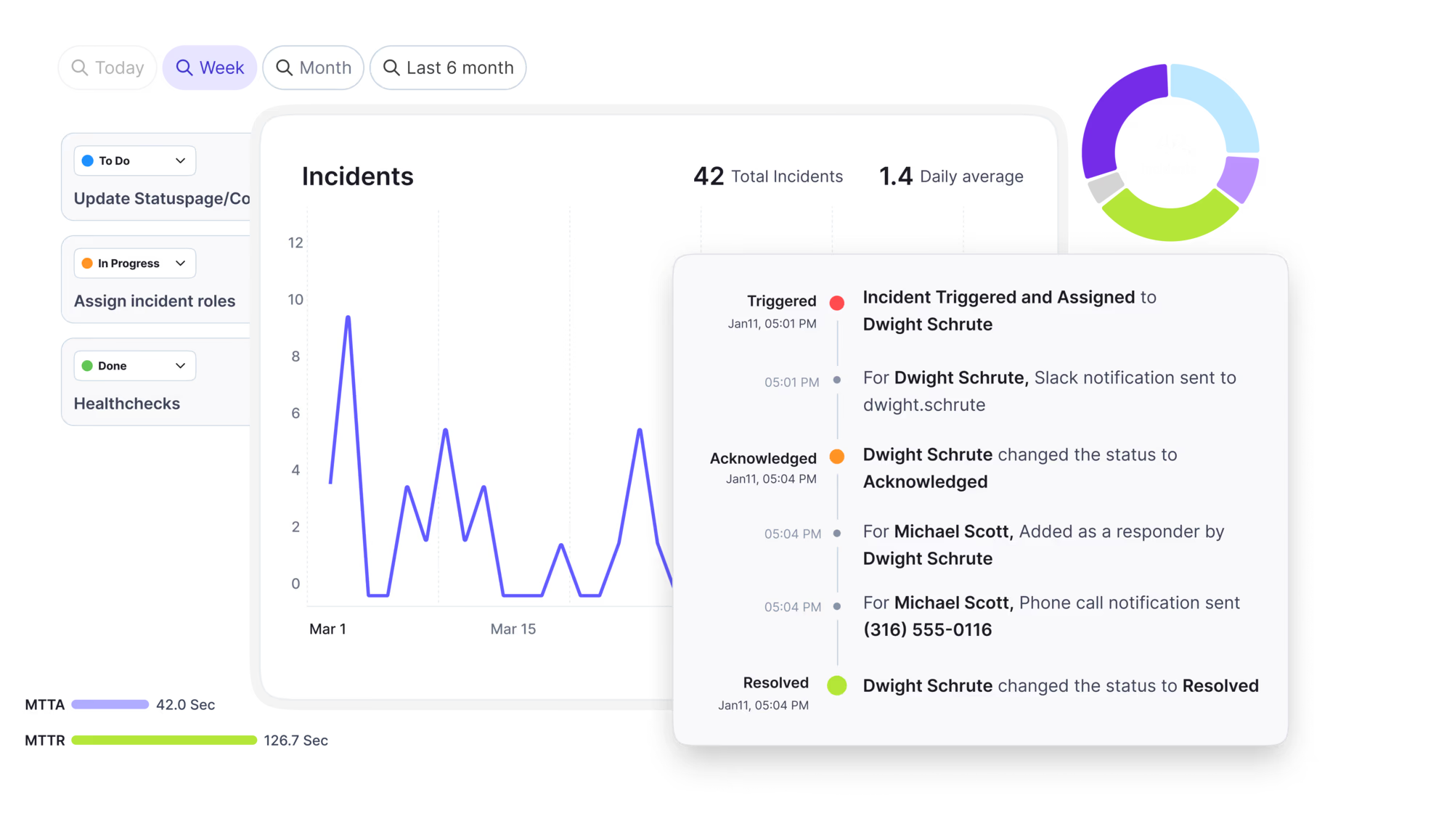
Automate postmortems, AI summaries, and post-incident workflows
Create, organize, and continuously improve your knowledge base to find the right answers with Sera AI.
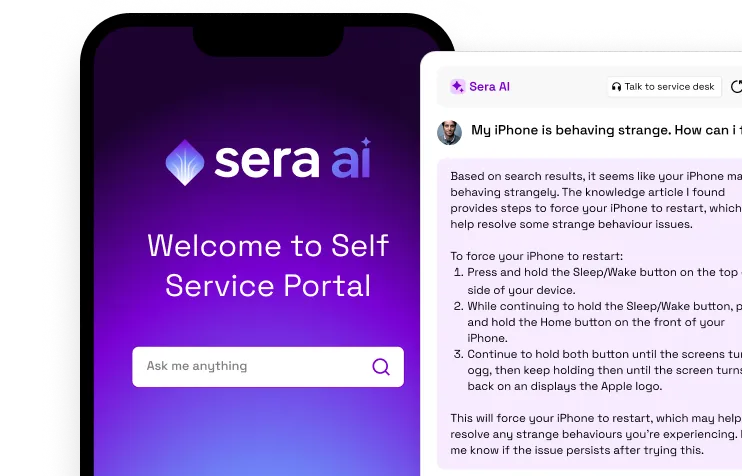
We're here to help

The integration with Atlassian Jira using the Xurrent Integration Service is

The integration with Atlassian Jira using the Xurrent Integration Service is

The integration with Atlassian Jira using the Xurrent Integration Service is

The integration with Atlassian Jira using the Xurrent Integration Service is

The integration with Atlassian Jira using the Xurrent Integration Service is

The integration with Atlassian Jira using the Xurrent Integration Service is

The integration with Atlassian Jira using the Xurrent Integration Service is

The integration with Atlassian Jira using the Xurrent Integration Service is
Resolve issues quickly with an AI-powered system that automates ticketing.
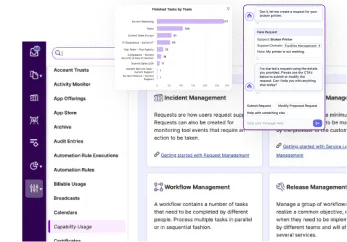
Unifiy IT, HR, Facilities, Finance, and more on a single, AI-powered service platform.
Simplify on-call scheduling, automate escalations, and reduce burnout.
Automate postmortems, AI summaries, and post-incident workflows
Create, organize, and continuously improve your knowledge base to find the right answers with Sera AI.
Resolve plant floor and IT issues before they disrupt production.
Stay audit-ready while resolving issues and reducing operational risk.

Detect, respond, and resolve incidents fast to cut downtime and MTTR.

Keep your store online, even during your biggest sales moments.

Protect patient data and resolve issues fast, so care teams stay focused on care.
Standardize service delivery across every store and channel.

We are here to help 24/7

Connect with other Xurrent Users

Get insights and tips on how to get the most out of Xurrent

Apps, APIs, and updates

Xurrent service functionality

Eliminate manual tasks, optimize workflows, and deliver faster resolutions.
Learn how organizations have reduced downtime, improved 50% MTTA & MTTR, and cut costs with Xurrent IMR.
Discover Xurrent IMR's quick support, bidirectional integrations with Jira and Slack, and more cohesive incident response capabilities compared to Opsgenie.
Understand why users value Xurrent IMR for its intuitive interface, efficient incident alerting, customizable On-call schedules, and escalations.

Most customers will actively look for an alternative provider after just three outages. According to a consumer survey from Xurrent, 32% of people will give a service three chances before they switch; 29% will leave after two or fewer issues.
The Xurrent data shows 33% of respondents lose trust fastest when the exact same problem keeps happening, and 17% said nothing damages confidence more than being told an issue is fixed only to watch it resurface. A problem dragging on too long was actually the least common reason people gave for losing trust quickly. These responses suggest consumers are more understanding of the time it takes to fix a problem, but have less patience when the issue is recurrent.
Damaged trust directly threatens retention, making repeat outages more than just a technical glitch. Treating the visible symptoms of an incident might restore service temporarily, but the problem will return. These statistics show a quick fix alone won’t maintain customer relationships.
Enterprise IT organizations and managed service providers need to find permanent solutions to prevent future incidents.
Organizations need to adopt Root Cause Analysis (RCA) to avoid repeat outages that damage customer relationships. While consumers appreciate communication and a fast resolution, the Xurrent data shows they won’t stick around if the same problem happens again.
For many teams, the typical incident response workflow is restoring service, closing the ticket and moving on to other tasks. Most of the time, they don’t address the underlying issue, setting the stage for another outage. This disruption might be the last straw for customers.
RCA is a systematic problem-solving process that identifies fundamental, underlying causes of an incident defect so teams and customers aren’t facing the same problem next week. RCA delivers benefits, including:
RCA also illuminates organizational issues, such as process gaps, monitoring blind spots or architectural weaknesses. Addressing these imperfections improves operations, which can prevent some new issues from emerging.
When teams aren’t fixing the same problems over and over again, they can focus on innovation and creating value.
Root cause analysis requires centralized data. Fragmented toolchains and disconnected processes prevent teams from seeing the entire picture.
DevOps teams need an IT Service Management (ITSM) platform that unifies monitoring and observability signals, incident records, service dependencies, configuration data, recent changes and customer support activity in a shared timeline. These tools enable teams to correlate alerts, identify patterns and isolate the underlying cause.
Customers want a quick resolution and clear, immediate communication. Xurrent’s survey revealed 48% of respondents want immediate, automated responses during an outage. The proportion rises to 65% in the Gen Z population.
Communication gaps add to customer frustration. According to the data:
One-quarter of respondents said failure to communicate causes them to lose trust the fastest.
During an incident, IT teams are working to resolve the outage, while support teams are buried in duplicate tickets. IT’s priority is a solution, not keeping customer support updated. When internal systems are siloed, the result is a communication gap that leaves customers searching for information.
Organizations need a shared source of truth that connects monitoring, incident management and customer systems. This integration supports status pages that automatically keep customers updated on the incident.
The status page syncs directly with monitoring and ITSM tools, posting issues and updates as incident states change without human intervention. Customers get the latest information immediately, and service teams don’t have to spend time answering duplicate tickets.
This open and accurate communication builds trust with users.
Customers do not expect digital services to be flawless, but they do expect providers to respond transparently and actually fix the problems.
Fast fixes are not the gold standard of outage management. Every incident is a customer-retention emergency. Treating symptoms while ignoring the root cause is a fast track to repeated disruptions and lost revenue. Customers expect more. Service leaders must stop managing incidents in isolation and start finding permanent resolutions.
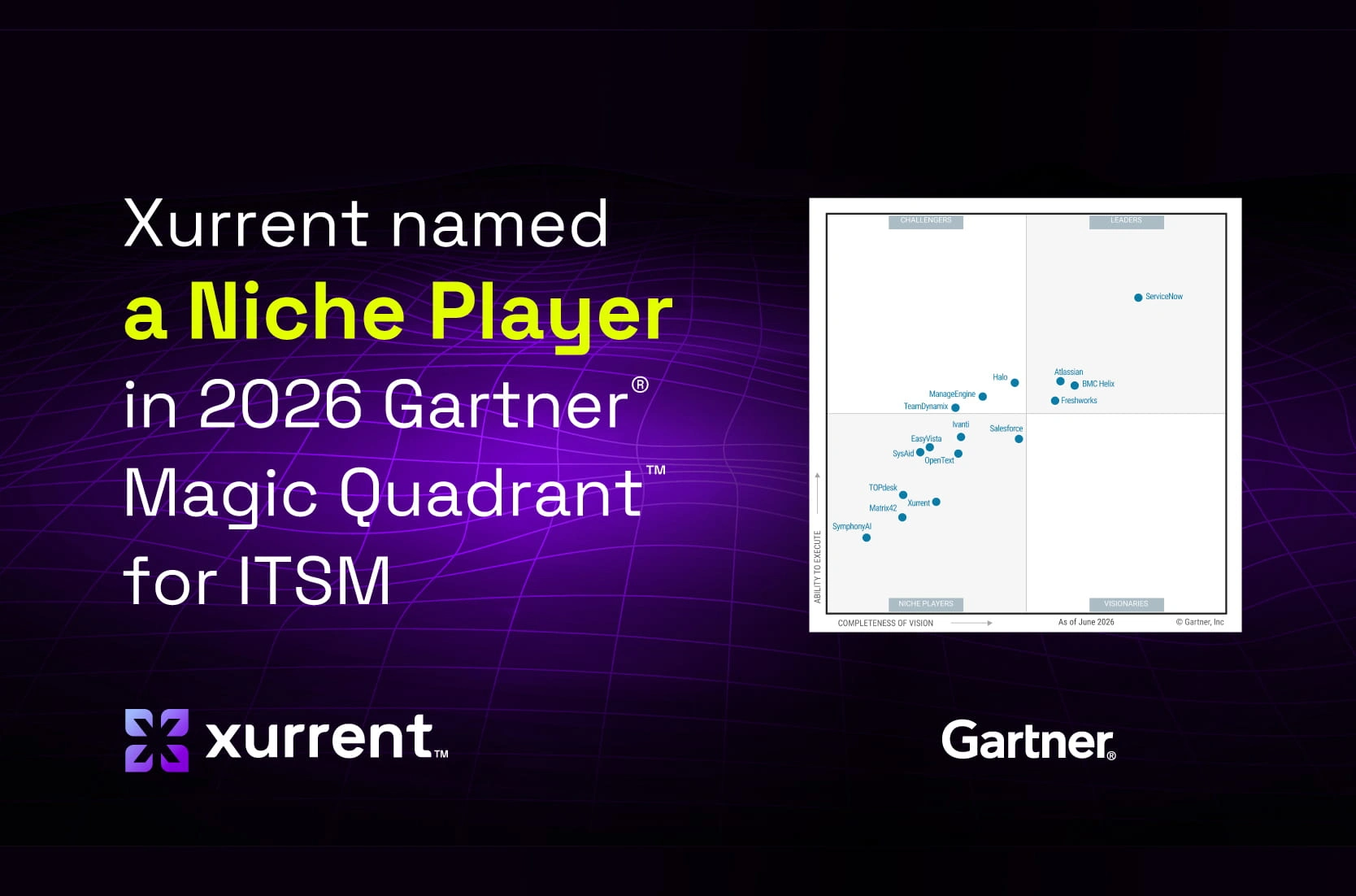
Xurrent has been recognized in the 2026 Gartner® Magic Quadrant™ for IT Service Management Platforms.
Learn how Xurrent can support customer retention. Book a demo today.
Dynata conducted the survey in Spring 2026. The results included 1,000 online responses from adults aged 25+ across the United States.
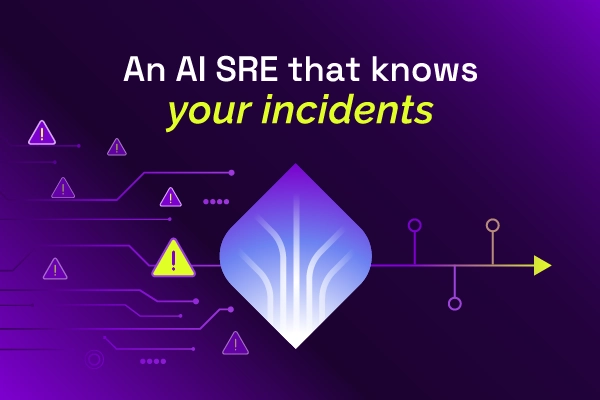
Most AI SREs are pattern matchers trained on public data. They know what a memory leak looks like in the abstract. They don't know that your payments-api has a flaky liveness probe everyone ignores, that the checkout team owns the retry policy, or that the last three "database incidents" were actually cache misconfigurations. That knowledge lives in your postmortems, your Slack channels, and the heads of two senior engineers.
Most vendors will tell you ITSM implementation takes six months to a year — but modern, configuration-first platforms have rewritten the math entirely. See what real implementations look like in 2026, and why a long rollout is now a choice, not a given.
.webp)
.webp)
.webp)