


Blog
Insights & updates from our experts


Resolve plant floor and IT issues before they disrupt production.

Stay audit-ready while resolving issues and reducing operational risk.
Resolve issues quickly with an AI-powered system that automates ticketing.
Unifiy IT, HR, Facilities, Finance, and more on a single, AI-powered service platform.
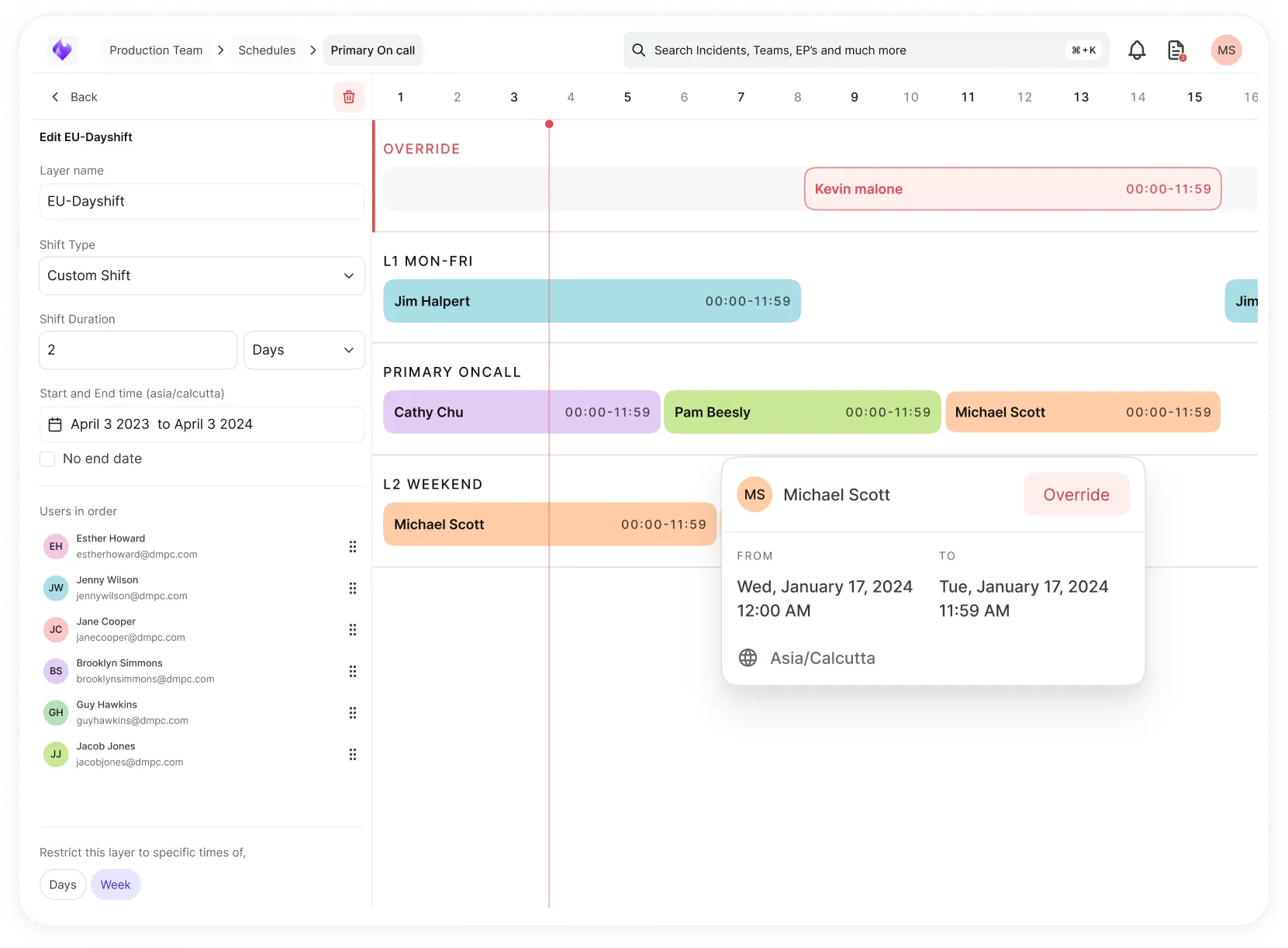
Simplify on-call scheduling, automate escalations, and reduce burnout.
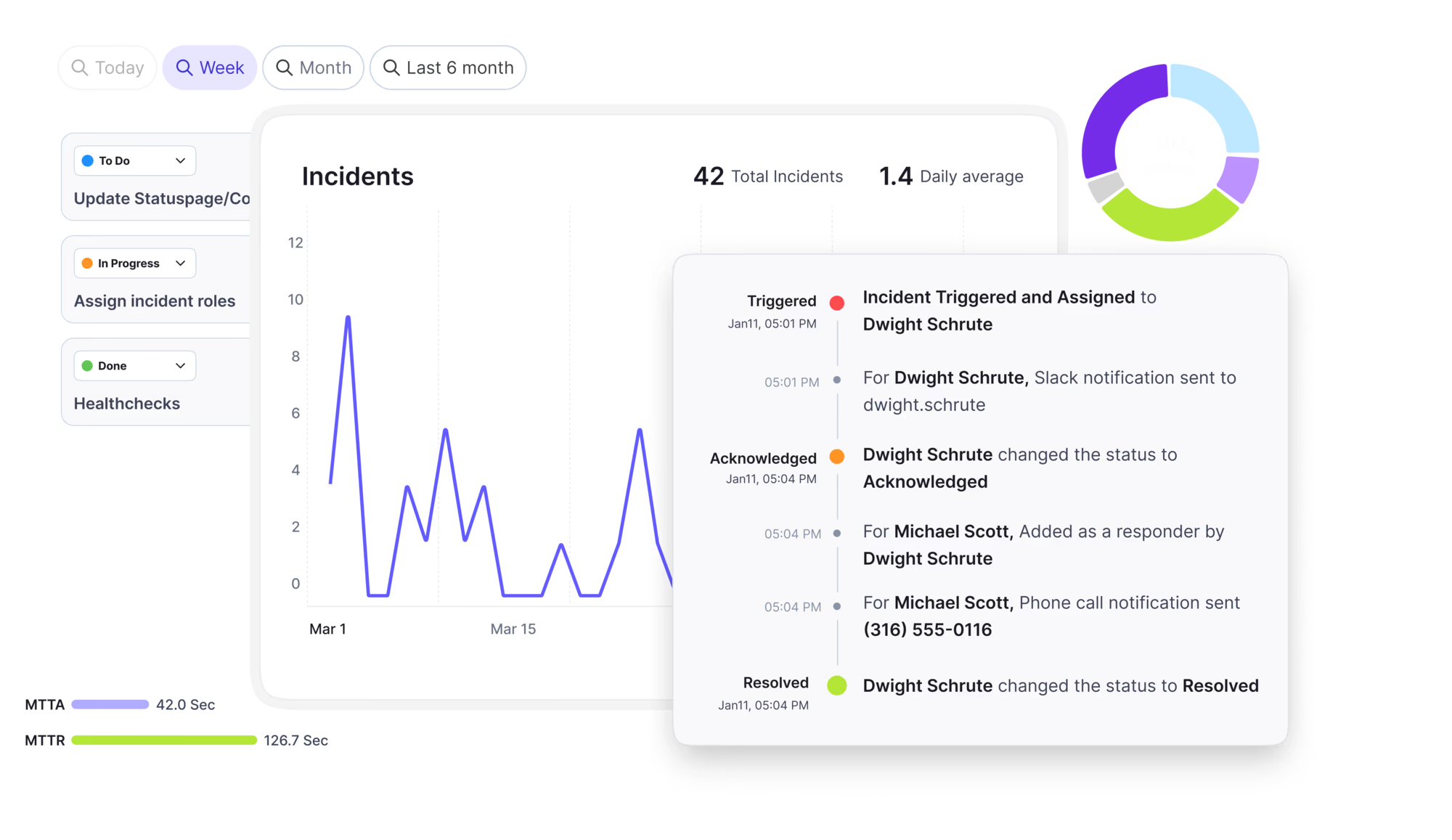
Automate postmortems, AI summaries, and post-incident workflows
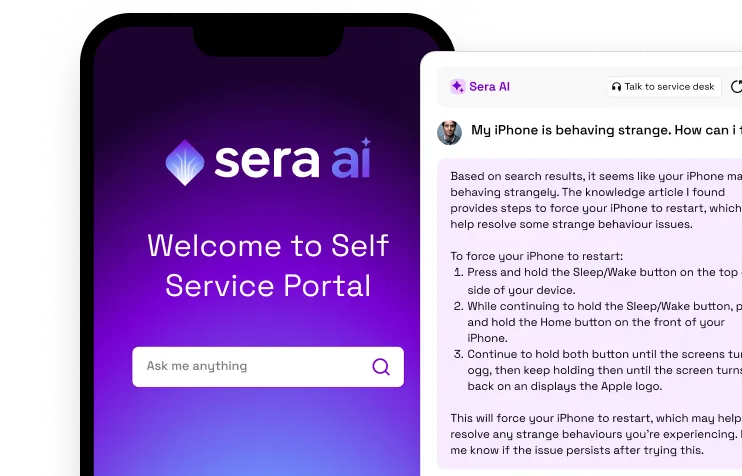
Create, organize, and continuously improve your knowledge base to find the right answers with Sera AI.
We're here to help

Discover assets and keep your CMDB accurate, from any source.

Unified IT operations and service management

AI-powered ITSM for the Modern Enterprise

AI-native Incident Management for the Modern Enterprise

Communicate service health in real time

Integrate Xurrent with your full stack

The integration with Atlassian Jira using the Xurrent Integration Service is
The integration with Atlassian Jira using the Xurrent Integration Service is

The integration with Atlassian Jira using the Xurrent Integration Service is

The integration with Atlassian Jira using the Xurrent Integration Service is

The integration with Atlassian Jira using the Xurrent Integration Service is

The integration with Atlassian Jira using the Xurrent Integration Service is

The integration with Atlassian Jira using the Xurrent Integration Service is

The integration with Atlassian Jira using the Xurrent Integration Service is
Resolve issues quickly with an AI-powered system that automates ticketing.
Unifiy IT, HR, Facilities, Finance, and more on a single, AI-powered service platform.
Simplify on-call scheduling, automate escalations, and reduce burnout.
Automate postmortems, AI summaries, and post-incident workflows
Create, organize, and continuously improve your knowledge base to find the right answers with Sera AI.
Resolve plant floor and IT issues before they disrupt production.
Stay audit-ready while resolving issues and reducing operational risk.

Detect, respond, and resolve incidents fast to cut downtime and MTTR.

Keep your store online, even during your biggest sales moments.
Protect patient data and resolve issues fast, so care teams stay focused on care.
Standardize service delivery across every store and channel.

We are here to help 24/7

Connect with other Xurrent Users

Get insights and tips on how to get the most out of Xurrent

Apps, APIs, and updates

Xurrent service functionality

Eliminate manual tasks, optimize workflows, and deliver faster resolutions.
Learn how organizations have reduced downtime, improved 50% MTTA & MTTR, and cut costs with Xurrent IMR.
Discover Xurrent IMR's quick support, bidirectional integrations with Jira and Slack, and more cohesive incident response capabilities compared to Opsgenie.
Understand why users value Xurrent IMR for its intuitive interface, efficient incident alerting, customizable On-call schedules, and escalations.
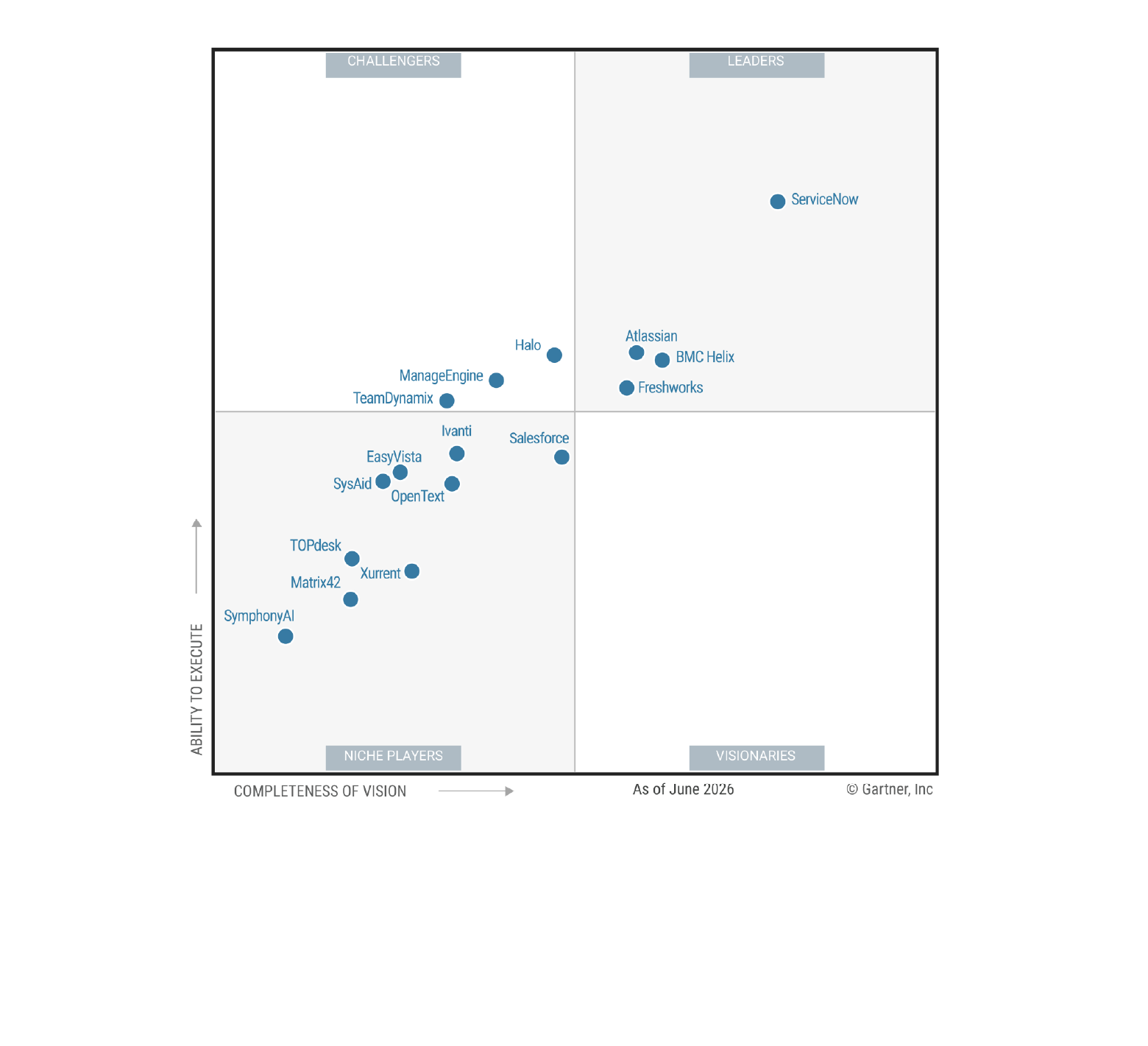
Recognized among a field of hundreds. See what it means for mid-size enterprise IT teams.





















Unified IT operations and service management





Discover assets and keep your CMDB accurate, from any source.






Xurrent builds AI into the platform itself. Sera AI runs across ITSM, enterprise service management, and incident management workflows, and it ships in every license tier. You pay no add-on fee and have no separate chatbot to buy or configure.
Sera AI works inside your existing service desk. It classifies incoming email and requests, routes them to the right team, and saves each resolution as knowledge when the ticket closes. SEAS resolves nearly half of its requests with no manual touch, and 90% of Xurrent customers use Sera AI.
ITSM manages how services are requested and delivered. ITOM keeps the underlying infrastructure running. Incident management restores service when something breaks. Most organizations run these in three separate tools. Xurrent's ITxM connects all three in one system, so your service desk, operations, and incident teams work from the same data and workflows with no handoffs between tools.
ITSM applies service management to IT, and ESM extends the same model to departments across the business. Xurrent runs both on one platform. A built-in trust network keeps each department's data and SLAs separate. ESM customers include SEAS, Fiskars, Röchling, ROCKWOOL, OUTsurance, and Mr Price.
Xurrent implementations take weeks. You configure the platform instead of scripting it, so you see value without a long development project first. Fiskars went live in 16 weeks across 14 countries and 150+ professionals, and cut TCO 20% against its legacy system.
Legacy platforms rely on heavy customization, months-long implementations, and AI sold as a premium add-on. Xurrent deploys through configuration, includes Sera AI at every tier, and ships weekly updates with no upgrade projects on your side. Connexta evaluated ServiceNow and Halo and chose Xurrent for its architecture and trust model.
Your workflows keep running, and your team takes no action. Xurrent ships weekly updates with zero downtime. You build on configuration with no custom code, so each release leaves you with no upgrade debt or version fragmentation.
Yes. Enterprises in manufacturing, financial services, retail, and healthcare run Xurrent in production. They manage multiple providers, entities, and departments in one system, with secure-by-default isolation and separate SLAs. SEAS avoided roughly 4,300 hours of work a year, the equivalent of more than two full-time hires.
It's included. Xurrent runs AI-native incident management and status pages on the same platform as ITSM. Incidents, service requests, and customer communication share one data model, so your team keeps full context when an incident escalates.
On the ITSM side, you set up your service management processes through configuration and skip rebuilding them in code. For incident management, teams moving off PagerDuty or Opsgenie can import schedules, escalation policies, and integrations through a self-serve API in hours. You can then migrate one team at a time with zero downtime.