





Blog
Insights & updates from our experts


Resolve plant floor and IT issues before they disrupt production.

Stay audit-ready while resolving issues and reducing operational risk.
Resolve issues quickly with an AI-powered system that automates ticketing.
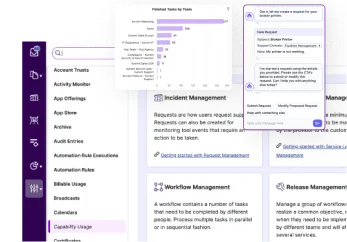
Unifiy IT, HR, Facilities, Finance, and more on a single, AI-powered service platform.
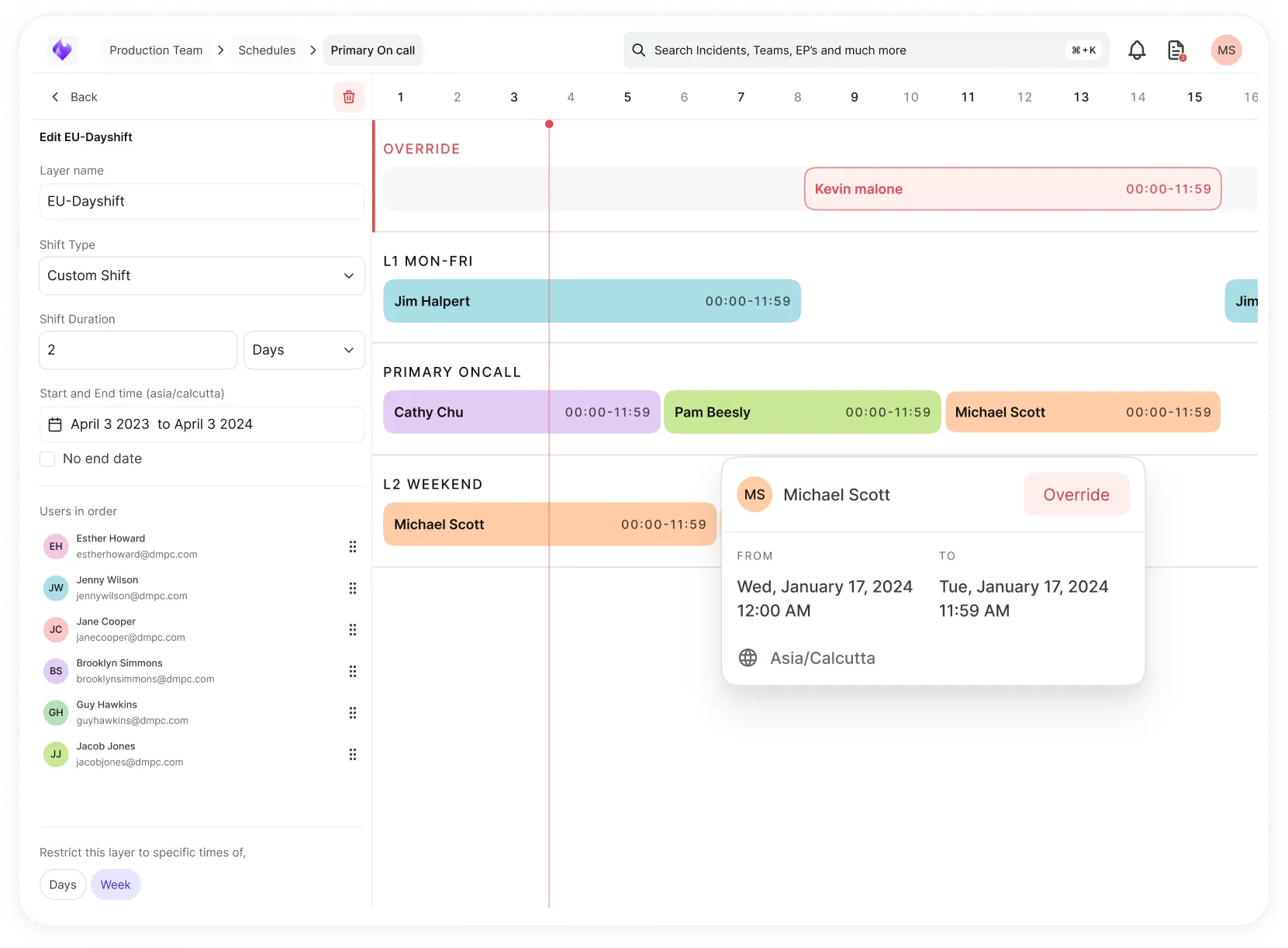
Simplify on-call scheduling, automate escalations, and reduce burnout.
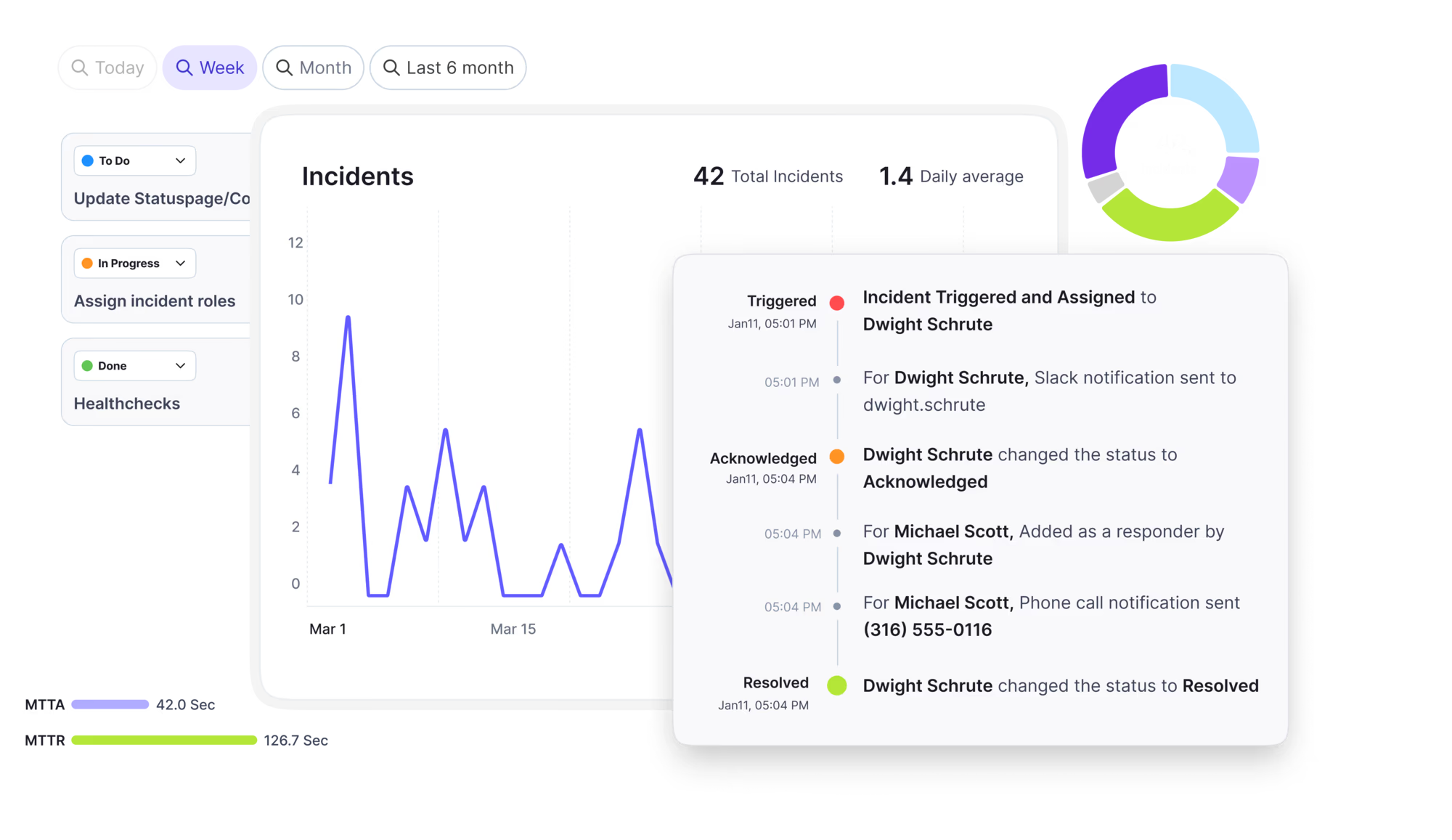
Automate postmortems, AI summaries, and post-incident workflows
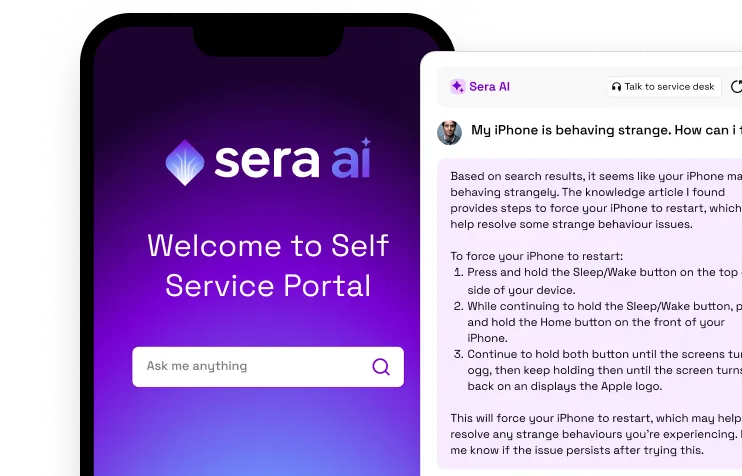
Create, organize, and continuously improve your knowledge base to find the right answers with Sera AI.
We're here to help

The integration with Atlassian Jira using the Xurrent Integration Service is
The integration with Atlassian Jira using the Xurrent Integration Service is

The integration with Atlassian Jira using the Xurrent Integration Service is

The integration with Atlassian Jira using the Xurrent Integration Service is

The integration with Atlassian Jira using the Xurrent Integration Service is

The integration with Atlassian Jira using the Xurrent Integration Service is

The integration with Atlassian Jira using the Xurrent Integration Service is

The integration with Atlassian Jira using the Xurrent Integration Service is
Resolve issues quickly with an AI-powered system that automates ticketing.
Unifiy IT, HR, Facilities, Finance, and more on a single, AI-powered service platform.
Simplify on-call scheduling, automate escalations, and reduce burnout.
Automate postmortems, AI summaries, and post-incident workflows
Create, organize, and continuously improve your knowledge base to find the right answers with Sera AI.
Resolve plant floor and IT issues before they disrupt production.
Stay audit-ready while resolving issues and reducing operational risk.

Detect, respond, and resolve incidents fast to cut downtime and MTTR.

Keep your store online, even during your biggest sales moments.

Protect patient data and resolve issues fast, so care teams stay focused on care.
Standardize service delivery across every store and channel.

We are here to help 24/7

Connect with other Xurrent Users

Get insights and tips on how to get the most out of Xurrent

Apps, APIs, and updates

Xurrent service functionality

Eliminate manual tasks, optimize workflows, and deliver faster resolutions.
Learn how organizations have reduced downtime, improved 50% MTTA & MTTR, and cut costs with Xurrent IMR.
Discover Xurrent IMR's quick support, bidirectional integrations with Jira and Slack, and more cohesive incident response capabilities compared to Opsgenie.
Understand why users value Xurrent IMR for its intuitive interface, efficient incident alerting, customizable On-call schedules, and escalations.

An agent picks up a ticket: the finance team's file server is crawling. Before they can fix anything, they need to know which server it is, what it's connected to, who owns it, whether it's still under warranty, and what else depends on it. When your CMDB is current, that takes a few clicks. When it isn't, the agent is messaging three people and digging through a spreadsheet nobody has touched since spring.
Every part of your service desk runs on that same context, whether a person or AI is doing the work.
Agents resolving incidents need to know which device is affected and who owns it. Change approvers need to know what else a change could touch. Problem managers need to see when the same configuration items keep showing up in tickets. And someone needs to know which devices are about to fall out of warranty before they fail. All of that comes from the CMDB.
AI raises the stakes. Service desks are adding AI that triages and routes tickets, suggests answers to agents, and resolves requests before a person touches them. To do any of that well, it needs the same context your people do: what's affected, who owns it, and what it connects to. EMA's research shows how closely the two are linked: organizations that describe their ITAM as AI-ready were far more likely to report CMDB accuracy of 95% or higher (55.6%, versus 7.5% of organizations that rated their ITAM as optimized).
When the CMDB has a gap, a person can work around it. They message the network team, ping a colleague, or keep asking until someone knows the answer. It's slow, but it eventually works. AI can't do that. If the context isn't in the data, it's stuck.
So a stale CMDB costs you twice: slower agents and stalled AI. AI doesn't fix bad data. It amplifies the consequences.
The team loads the CMDB, everyone celebrates, and within weeks it starts drifting. New devices show up that nobody recorded. Warranties expire quietly. Records go incomplete because no one owns the job of keeping them current.
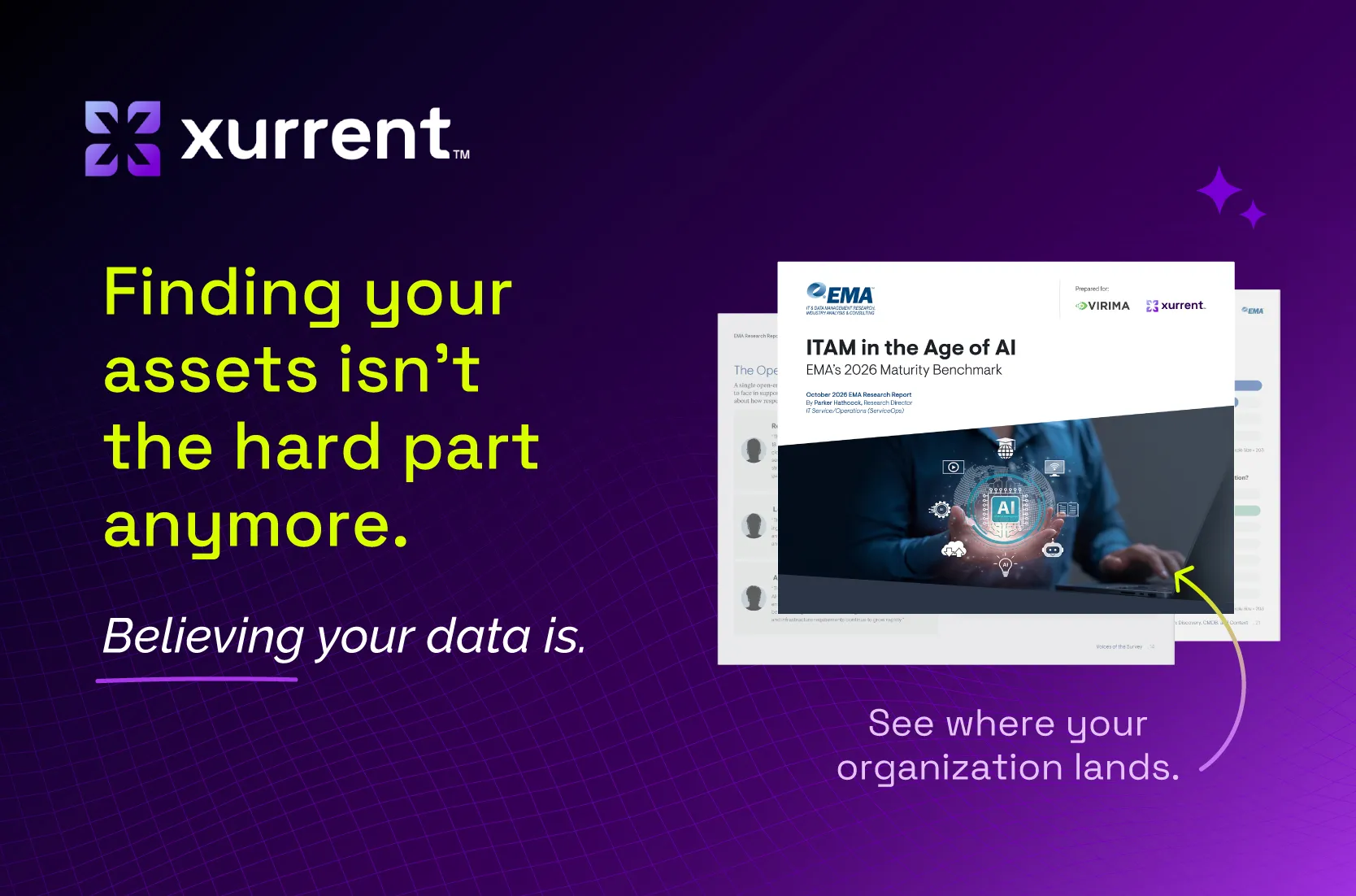
In EMA's 2026 ITAM benchmark, 32.0% of organizations said the rate and volume of change outpace their CMDB updates, and 27.1% named stale, inconsistent, or untrustworthy data as the single biggest gap in their discovery and asset data.
Stale data doesn't just erode trust. It leads to wrong actions. An agent reboots the wrong server. A team pays to replace a device that's still under warranty. AI routes a ticket to a group that no longer owns the service. The hard part was never building a CMDB. It's keeping one accurate after day one.
Xurrent ITAM is built around that second problem, with three capabilities working together.
Capture it. Import what you have, connect tools you already use, or add Xurrent discovery to scan your network agentlessly over SNMP, SSH, and WMI, with cloud discovery coming soon. You stop building inventory by hand.
Clean it. Reconciliation rules catch new configuration items and changes to existing ones before they reach the CMDB. You decide what gets approved, so bad data never quietly overwrites good data. When a device isn't fully identified, Sera AI suggests what it might be, and you make the final call. That's a real shift for most teams: according to EMA, 44.8% of organizations still reconcile conflicting asset data by hand.
Keep it accurate. A daily health dashboard shows where records are incomplete or aging. Warranty management flags assets nearing end of life, end of support, or warranty expiration, plus devices that haven't been seen in a while. You tune the thresholds by product category.
Everything lands in the same CMDB your incident, problem, and change processes already use, on the same platform as Xurrent's AI fabric. The reconciliation and health tools come with Xurrent ITSM, and discovery is one flat price no matter how big your environment gets. There's no separate tool to sync, and no gap between what your agents see and what your AI works from.
It's also built for lean teams. The health dashboard tells you where to look, and the review queue keeps you in control without turning CMDB upkeep into a full-time job.
IBM defines IT asset management (ITAM) as tracking and managing every IT asset across its lifecycle, from use and maintenance through upgrades and disposal. The CMDB maps how your services work: what depends on what, and what's affected when something changes.
The two overlap, but neither contains the other. A CMDB needs only the asset data service management depends on, and it can hold things an asset database never would, like observability data from running services.
What ITAM for service management means: Xurrent ITAM focuses on that overlap. It tracks the assets your service desk depends on, captures the details service management needs about each one, and keeps that data accurate, so every incident, change, and AI decision works from the truth. It doesn't start with procurement or disposal workflows. It starts with the shared foundation: a CMDB you can trust, with dependency mapping coming soon.
Whether an agent or AI handles the ticket, the answer is only as good as the data behind it. Xurrent ITAM brings your data in, controls what gets into your CMDB, and shows you where it's slipping, so your people and your AI work from the same accurate picture.