




Blog
Insights & updates from our experts


Resolve plant floor and IT issues before they disrupt production.

Stay audit-ready while resolving issues and reducing operational risk.
Resolve issues quickly with an AI-powered system that automates ticketing.
Unifiy IT, HR, Facilities, Finance, and more on a single, AI-powered service platform.
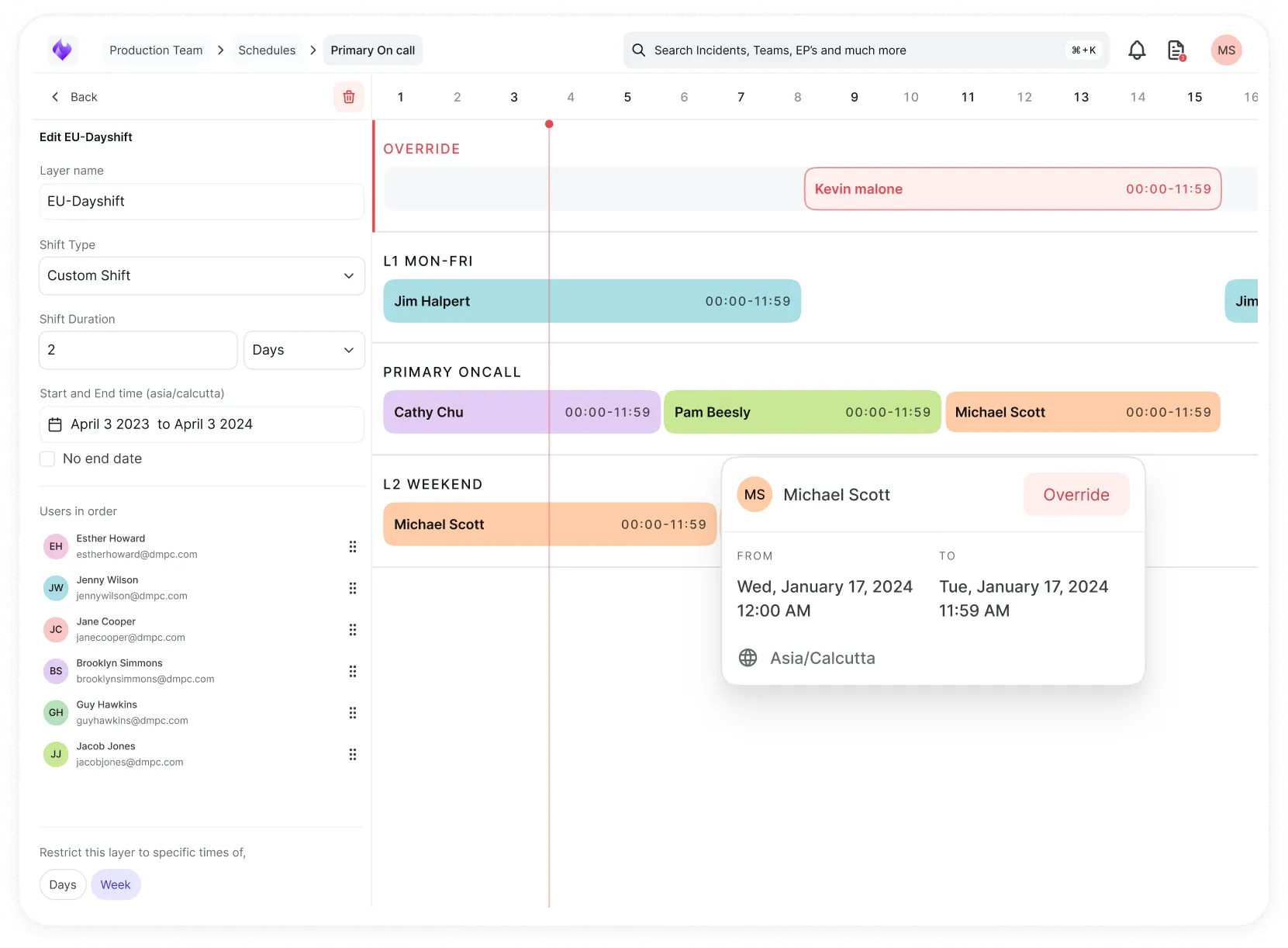
Simplify on-call scheduling, automate escalations, and reduce burnout.
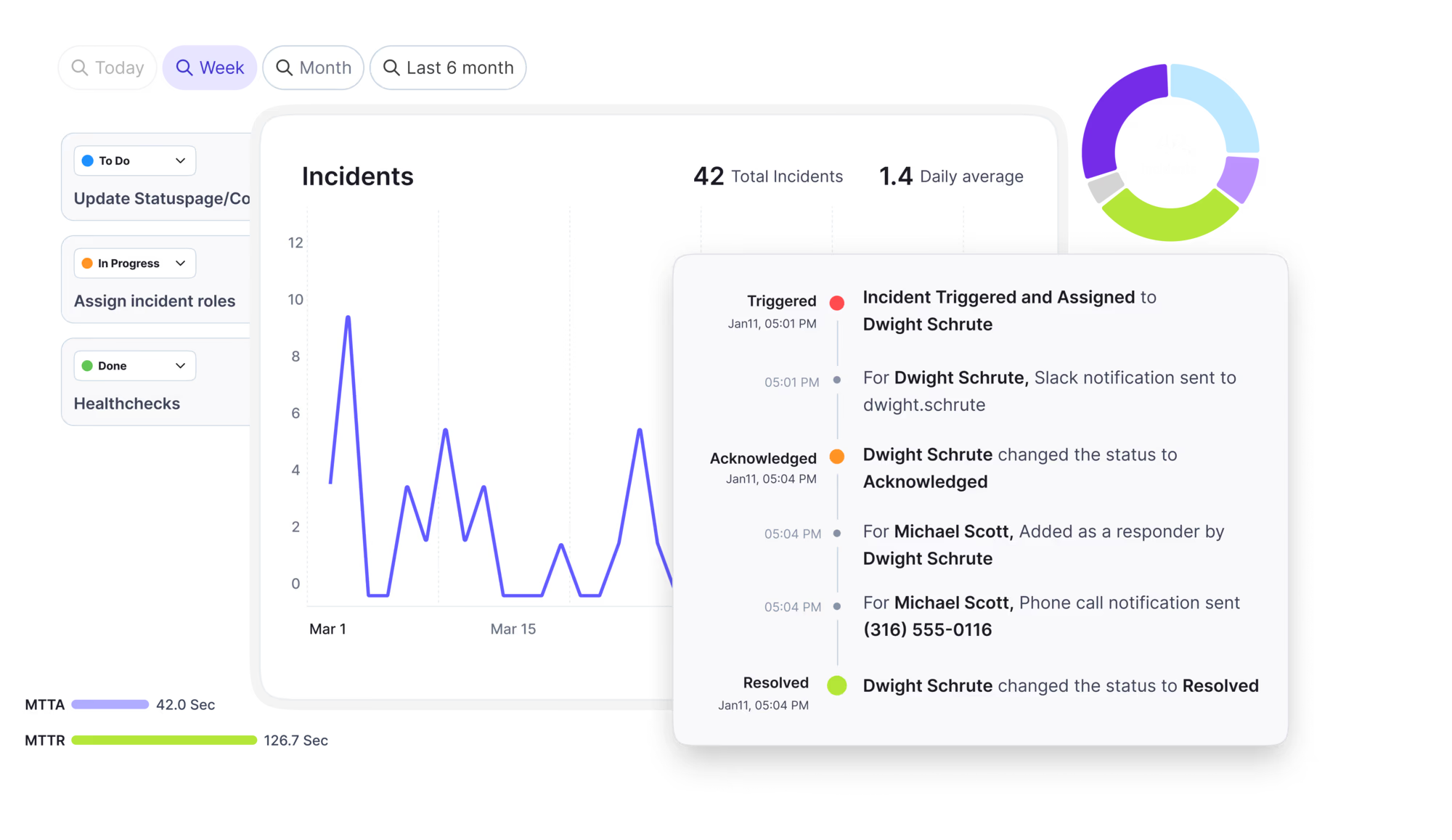
Automate postmortems, AI summaries, and post-incident workflows
Create, organize, and continuously improve your knowledge base to find the right answers with Sera AI.
We're here to help

The integration with Atlassian Jira using the Xurrent Integration Service is

The integration with Atlassian Jira using the Xurrent Integration Service is

The integration with Atlassian Jira using the Xurrent Integration Service is

The integration with Atlassian Jira using the Xurrent Integration Service is

The integration with Atlassian Jira using the Xurrent Integration Service is

The integration with Atlassian Jira using the Xurrent Integration Service is

The integration with Atlassian Jira using the Xurrent Integration Service is

The integration with Atlassian Jira using the Xurrent Integration Service is
Resolve issues quickly with an AI-powered system that automates ticketing.
Unifiy IT, HR, Facilities, Finance, and more on a single, AI-powered service platform.
Simplify on-call scheduling, automate escalations, and reduce burnout.
Automate postmortems, AI summaries, and post-incident workflows
Create, organize, and continuously improve your knowledge base to find the right answers with Sera AI.
Resolve plant floor and IT issues before they disrupt production.
Stay audit-ready while resolving issues and reducing operational risk.

Detect, respond, and resolve incidents fast to cut downtime and MTTR.

Keep your store online, even during your biggest sales moments.

Protect patient data and resolve issues fast, so care teams stay focused on care.

Standardize service delivery across every store and channel.

We are here to help 24/7

Connect with other Xurrent Users

Get insights and tips on how to get the most out of Xurrent

Apps, APIs, and updates

Xurrent service functionality

Eliminate manual tasks, optimize workflows, and deliver faster resolutions.
Learn how organizations have reduced downtime, improved 50% MTTA & MTTR, and cut costs with Xurrent IMR.
Discover Xurrent IMR's quick support, bidirectional integrations with Jira and Slack, and more cohesive incident response capabilities compared to Opsgenie.
Understand why users value Xurrent IMR for its intuitive interface, efficient incident alerting, customizable On-call schedules, and escalations.

Your disaster recovery plan looks solid on paper. But until you've actually tested it, you're operating on assumptions—and assumptions fail at the worst possible moments.
A disaster recovery test validates whether your team can restore systems and data within your required timeframes before a real outage forces you to find out the hard way. This guide walks through the complete testing process, from choosing the right test type to running a postmortem that drives real improvements.
A disaster recovery test evaluates your business continuity plan by verifying whether your IT team can restore data and bring critical systems back online after outages, cyberattacks, or hardware failures. The test confirms you can meet two key metrics: your Recovery Time Objective (RTO) and Recovery Point Objective (RPO).
Think of DR testing like a fire drill for your infrastructure. You're not waiting for an actual disaster to find out if your plan works. Instead, you're validating it under controlled conditions so there are no surprises when it matters most.
Having a disaster recovery plan on paper doesn't mean it will work when you actually need it. Infrastructure changes constantly—new applications get deployed, team members rotate, and backup configurations drift from their original state.
Organizations that skip regular testing often discover gaps at the worst possible moment: during an actual outage. Outdated contact lists, expired credentials, and broken backup processes are common culprits that only surface under pressure.
Testing transforms your DR plan from a static document into a validated, operational capability. Without it, you're essentially hoping everything works rather than knowing it does.
A walkthrough is a manual review of your DR documentation, contact lists, and escalation protocols. The goal here is straightforward: identify outdated information before running any active tests.
You're looking for problems like former employees still listed as primary contacts or deprecated systems still referenced in runbooks. It's low effort, but it catches obvious gaps early.
Tabletop exercises are discussion-based walkthroughs where teams verbally work through a simulated crisis scenario, such as a ransomware attack. No systems are touched during a tabletop—you're validating that team members understand their roles and can communicate effectively under pressure.
These exercises often reveal coordination gaps that technical tests miss entirely. Who calls the shots? Who talks to customers? Those questions get answered here.
A simulation restores backup data into an isolated sandbox environment. You're verifying that data is complete and usable without affecting production systems.
This is where you prove your backups actually work. It's one thing to see a backup job complete successfully; it's another to restore that data and confirm it's intact.
Parallel tests run system recoveries in a separate environment while production continues operating normally. You get to validate your recovery procedures without business disruption, though you're not testing the actual failover process itself.
This approach works well for organizations that can't afford downtime but still want meaningful validation of their recovery capabilities.
A full interruption test shuts down primary systems and executes complete failover. This is the highest-risk test type, but it provides the most accurate validation of your end-to-end recovery capability.
You're answering the ultimate question: if everything went down right now, could we actually recover? The answer is only trustworthy if you've tested it for real.
Running an effective DR test requires coordination across teams, clear success criteria, and disciplined execution. Here's how to approach it from start to finish.
Start by identifying exactly which applications and systems you're testing. State measurable success criteria—for example, "Restore primary database within 15 minutes with no more than 5 minutes of data loss."
Document dependencies between systems so you understand the recovery sequence. If your application depends on a database that depends on a network service, you'll want to recover them in the right order.
Clarify who leads the test, who executes recovery tasks, and who communicates status to stakeholders. Identify backup personnel in case primary owners are unavailable.
Ambiguity about ownership is one of the most common reasons DR tests fail. When everyone assumes someone else is handling something, nothing gets handled.
Create step-by-step recovery procedures that anyone on the team can follow. Include commands, access credentials, and escalation paths.
Runbooks work best when they're tested for clarity before the DR test itself. If someone unfamiliar with the system can't follow them, they're not ready. The person who wrote the runbook isn't always the person who'll execute it at 3 AM.
Coordinate timing to minimize business impact and inform leadership, affected teams, and any external partners. Set clear start and end times with rollback windows defined in advance.
Surprises during DR tests create unnecessary chaos. Everyone involved benefits from knowing what's happening and when.
Follow the runbook exactly as written. Resist the urge to improvise—the goal is to validate the documented process, not to prove individual expertise.
If something doesn't work, document it rather than working around it. A workaround might get you through the test, but it won't help the next person who follows the runbook during an actual incident.
Record actual recovery times, screenshot system states, and log any errors or deviations. This evidence validates RTO/RPO compliance and feeds your postmortem analysis.
Platforms with automated timeline reconstruction can capture this evidence without manual effort, which frees your team to focus on the recovery itself rather than documentation.
Verify that recovered systems function correctly by testing user logins, application workflows, and data integrity. Confirm that dependent services can connect.
A system that boots but can't serve users isn't actually recovered. The test isn't complete until you've confirmed end-to-end functionality.
Conduct a blameless review of what worked and what failed. Document gaps and assign owners to fix them.
Update the DR plan immediately based on findings. Waiting until "later" usually means the updates never happen, and you'll rediscover the same gaps in your next test.
Modern DR testing goes beyond generic "server failure" scenarios. Your test scenarios benefit from reflecting the actual threats your organization faces.
Test restoration from clean, isolated backups. Validate that backup data hasn't been compromised and that recovery doesn't reintroduce malware into your environment.
Ransomware attacks often target backup systems specifically, so testing recovery from truly isolated backups is critical.
Simulate loss of a primary cloud region. Test failover to secondary regions and verify that data replication is current.
Replication lag can mean more data loss than your RPO allows. A region failover that loses six hours of data when your RPO is one hour isn't a successful recovery.
Simulate failure of critical SaaS dependencies. Test fallback procedures and communication workflows when external services are unavailable.
Many organizations discover during outages that they're more dependent on third-party services than they realized. Testing for these scenarios reveals those dependencies before they become problems.
Test frequency depends on your recovery time requirements. Organizations with shorter RTOs face higher stakes and benefit from more frequent validation.
Infrastructure changes are particularly important triggers. A test from six months ago doesn't validate a system that was deployed last week.
Manual coordination slows recovery and introduces errors. Automation can trigger runbook steps, update status pages, and notify stakeholders without requiring someone to remember each task.
Incident management platforms orchestrate these workflows automatically, reducing the cognitive load on responders during high-pressure situations. When your team is focused on recovery, they're not also tracking who to notify.
Technical recovery is only half the challenge. Validate that team members know their roles, can access required systems, and communicate effectively under pressure.
A perfect technical recovery means nothing if no one knows it's happening. The human coordination layer often breaks down faster than the technical one.
Capture evidence of recovery times, errors encountered, and workarounds used. This documentation proves compliance for SOC 2 and ISO 27001 audits and identifies patterns across multiple tests.
Good documentation also helps new team members understand what's been tested and what gaps have been identified previously.
A test that doesn't result in plan improvements is a missed opportunity. Assign owners to address gaps immediately and verify fixes in the next test cycle.
The value of testing comes from the improvements it drives, not from checking a compliance box.
Sandbox tests that don't reflect actual production configurations give false confidence. Test environments benefit from mirroring real workloads, dependencies, and access controls.
A test that succeeds in a simplified environment doesn't prove anything about your actual production recovery capability.
Completing a test without analyzing results wastes the learning opportunity. Even successful tests reveal optimization opportunities that improve future recovery times.
The postmortem is where testing becomes learning. Without it, you're just going through the motions.
Spreadsheets and email threads break down under pressure. Incident management platforms automate handoffs, track progress, and maintain audit trails that manual processes can't match.
When stress is high and time is short, manual coordination introduces errors and delays that automated workflows avoid.
DR tests work best when they're integrated with everyday incident response workflows rather than existing as a separate annual exercise. When your DR testing uses the same escalation paths, communication channels, and runbooks as real incidents, you're building operational muscle memory that pays off during actual outages.
Free Analyst Report: Unlock EMA's Findings on Faster, Smarter Incident Response
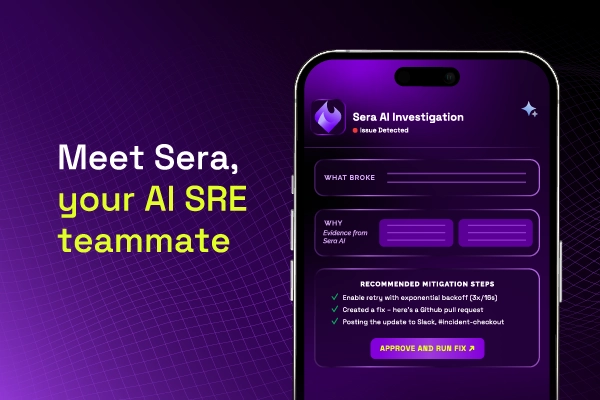

Google's 2025 DORA report found that 90% of technology professionals now use AI at work, and more than 80% say it has made them more productive. With code assistants and agents, the speed at which code gets written has changed more in eighteen months than in the decade before.