




Blog
Insights & updates from our experts


Resolve plant floor and IT issues before they disrupt production.

Stay audit-ready while resolving issues and reducing operational risk.
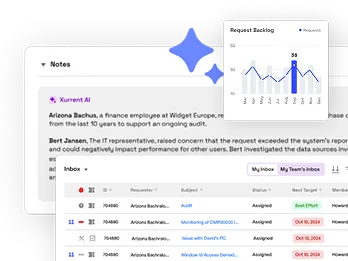
Resolve issues quickly with an AI-powered system that automates ticketing.
Unifiy IT, HR, Facilities, Finance, and more on a single, AI-powered service platform.
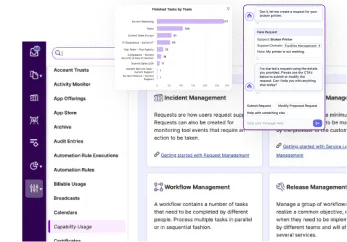
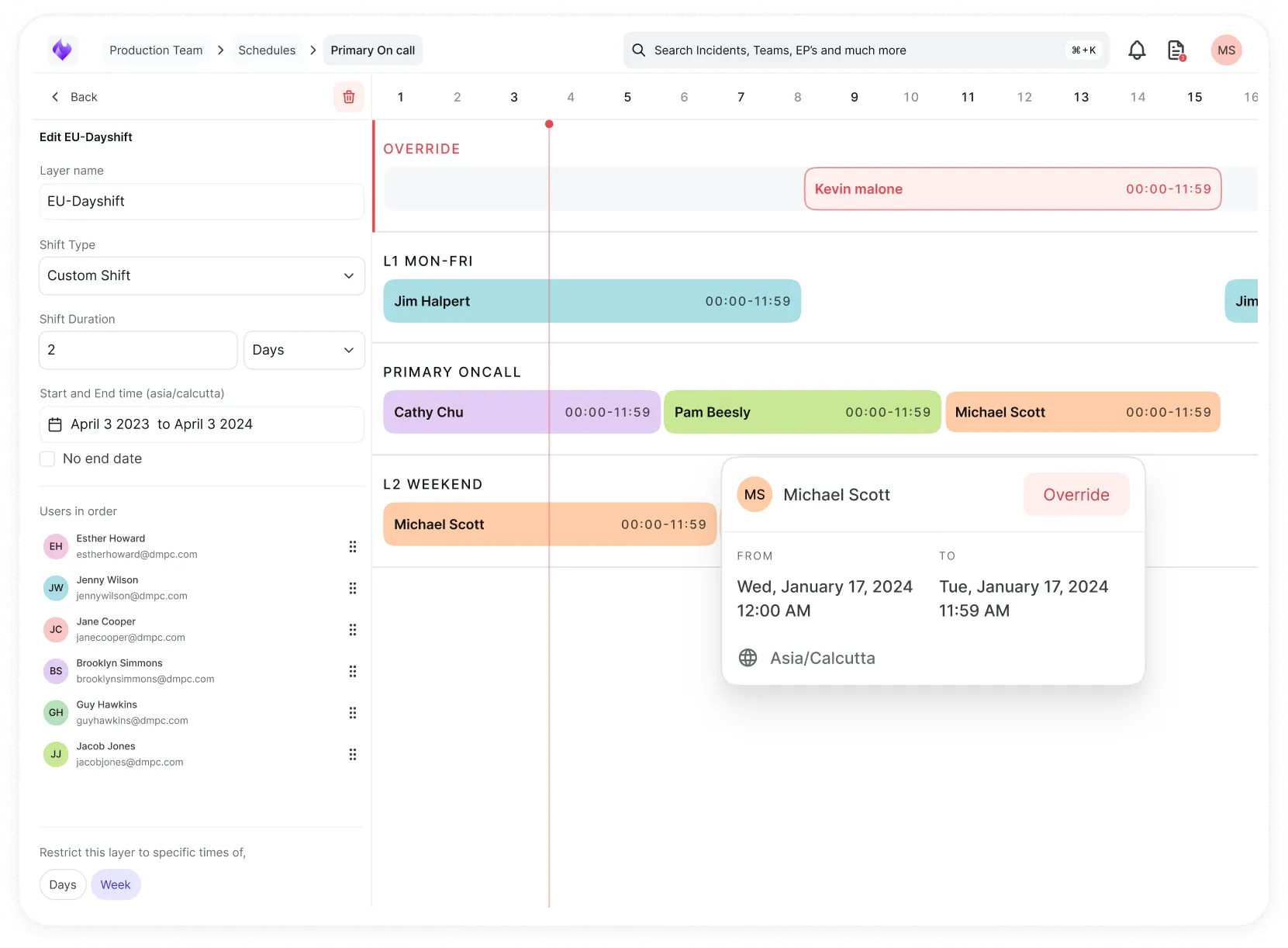
Simplify on-call scheduling, automate escalations, and reduce burnout.
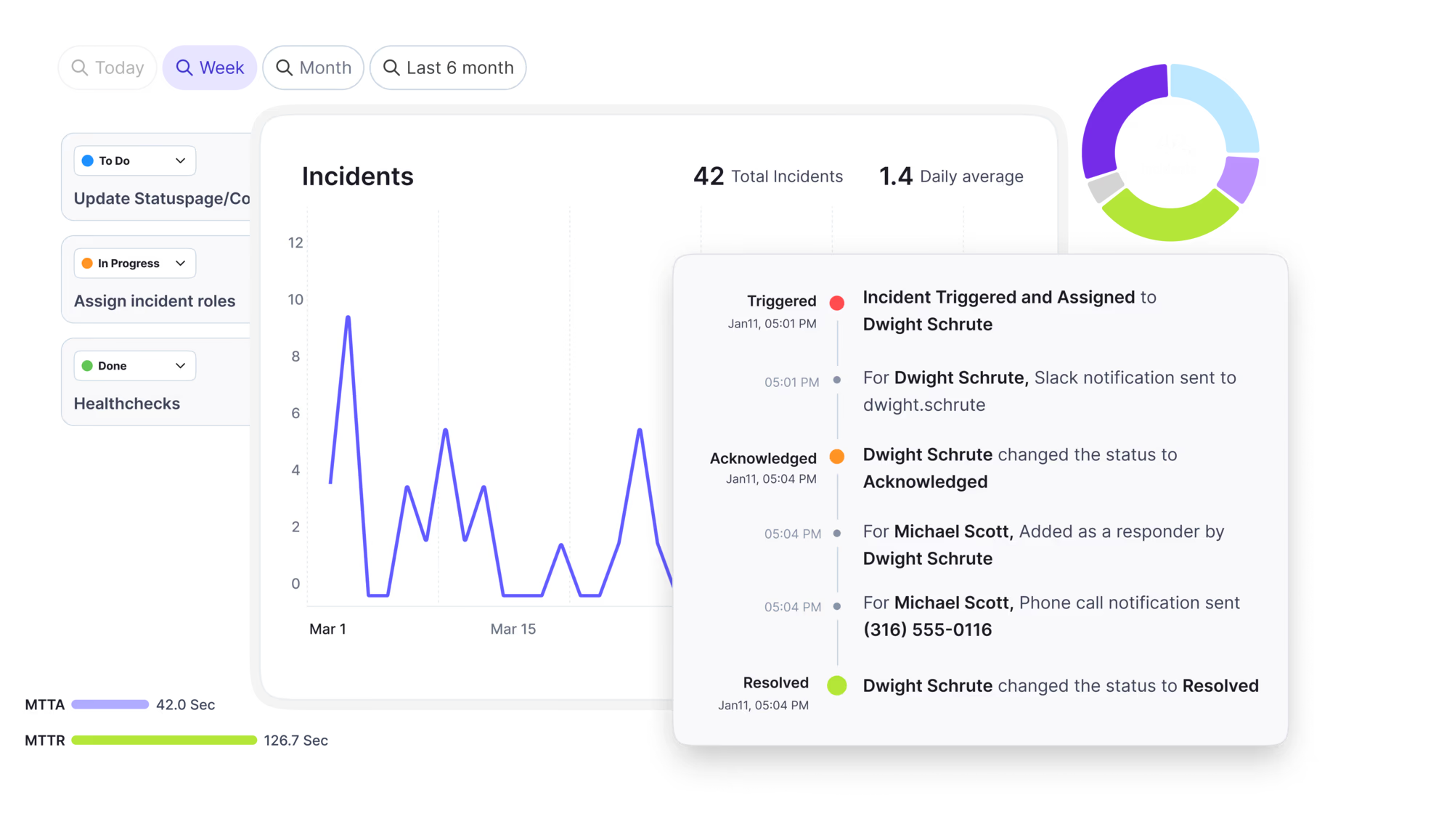
Automate postmortems, AI summaries, and post-incident workflows
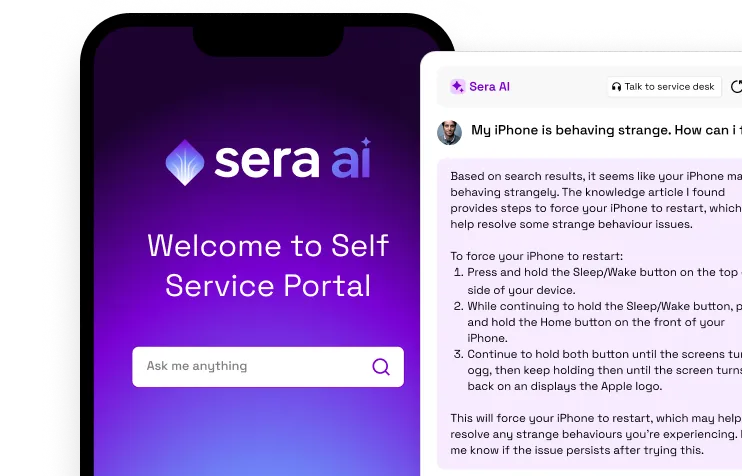
Create, organize, and continuously improve your knowledge base to find the right answers with Sera AI.
We're here to help

The integration with Atlassian Jira using the Xurrent Integration Service is

The integration with Atlassian Jira using the Xurrent Integration Service is

The integration with Atlassian Jira using the Xurrent Integration Service is

The integration with Atlassian Jira using the Xurrent Integration Service is

The integration with Atlassian Jira using the Xurrent Integration Service is

The integration with Atlassian Jira using the Xurrent Integration Service is

The integration with Atlassian Jira using the Xurrent Integration Service is

The integration with Atlassian Jira using the Xurrent Integration Service is
Resolve issues quickly with an AI-powered system that automates ticketing.
Unifiy IT, HR, Facilities, Finance, and more on a single, AI-powered service platform.
Simplify on-call scheduling, automate escalations, and reduce burnout.
Automate postmortems, AI summaries, and post-incident workflows
Create, organize, and continuously improve your knowledge base to find the right answers with Sera AI.
Resolve plant floor and IT issues before they disrupt production.
Stay audit-ready while resolving issues and reducing operational risk.

Detect, respond, and resolve incidents fast to cut downtime and MTTR.

Keep your store online, even during your biggest sales moments.

Protect patient data and resolve issues fast, so care teams stay focused on care.
Standardize service delivery across every store and channel.

We are here to help 24/7

Connect with other Xurrent Users

Get insights and tips on how to get the most out of Xurrent

Apps, APIs, and updates

Xurrent service functionality

Eliminate manual tasks, optimize workflows, and deliver faster resolutions.
Learn how organizations have reduced downtime, improved 50% MTTA & MTTR, and cut costs with Xurrent IMR.
Discover Xurrent IMR's quick support, bidirectional integrations with Jira and Slack, and more cohesive incident response capabilities compared to Opsgenie.
Understand why users value Xurrent IMR for its intuitive interface, efficient incident alerting, customizable On-call schedules, and escalations.
IT Asset Management (ITAM) is the end-to-end process of tracking, managing, and optimizing an organization's IT assets—hardware, software, cloud services, and licenses—throughout their entire lifecycle, from procurement through disposal. ITAM ensures that every asset is properly inventoried, deployed, maintained, upgraded, and retired in a way that maximizes value, minimizes risk, and maintains compliance with vendor agreements and regulatory requirements. Unlike simple inventory tracking, ITAM combines financial management, contractual oversight, and operational visibility to answer critical questions: What do we own? Where is it? Who's using it? What does it cost? And are we compliant? Effective ITAM integrates with Configuration Management Databases (CMDBs) to maintain accurate relationships between assets and the services they support, enabling IT teams to make informed decisions about renewals, consolidation, and capacity planning while avoiding costly audit penalties and redundant spending.
ITAM directly impacts an organization's financial health, operational efficiency, and risk posture. Without disciplined asset management, organizations overspend on unused licenses, face surprise audit penalties from vendors like Microsoft or Oracle, and struggle to respond to security vulnerabilities because they don't know what software is deployed where. ITAM reduces Total Cost of Ownership (TCO) by identifying underutilized assets, preventing redundant purchases, and negotiating better vendor terms based on accurate usage data. It strengthens security by maintaining an authoritative inventory of endpoints, enabling rapid patching and incident response when vulnerabilities emerge. ITAM also supports compliance with ISO 20000, ITIL, and regulatory frameworks by documenting asset ownership, usage rights, and disposal procedures. For service desk and operations teams, ITAM accelerates incident resolution by linking assets to Configuration Items (CIs) in the CMDB, so responders immediately understand dependencies and impact. Organizations that neglect ITAM face audit fines, budget overruns, security breaches from unmanaged devices, and slower service restoration during outages.
ITAM operates through a structured lifecycle that begins with asset discovery and continues through procurement, deployment, maintenance, and retirement. Discovery tools—agent-based scanners, network probes, and cloud inventory APIs—identify hardware, software, and SaaS subscriptions across on-premises and cloud environments, feeding data into a centralized asset repository or CMDB. During procurement, ITAM teams capture purchase orders, contracts, and license entitlements, establishing a financial baseline for each asset. Deployment workflows link assets to users, locations, and services, creating the relationships needed for impact analysis and change management. Ongoing maintenance includes tracking warranty status, software versions, and license consumption, triggering alerts when assets approach end-of-life or when usage exceeds entitlements. Automated reconciliation compares discovered assets against purchased licenses to identify compliance gaps or opportunities to reclaim unused licenses. When assets reach retirement, ITAM ensures secure data sanitization, proper disposal per environmental regulations, and removal from active inventories. Integration with ITSM platforms enables asset data to flow into incident, problem, and change records, while integration with procurement and financial systems ensures accurate cost allocation and budgeting. Advanced ITAM platforms use machine learning to predict renewal needs, optimize license allocation, and flag anomalies like unauthorized software installations.
- Software License Optimization in Financial Services : A multinational bank discovers through ITAM reconciliation that it owns 5,000 enterprise software licenses but only 3,200 are actively used. By reallocating unused licenses and renegotiating the next renewal based on actual usage data, the organization avoids $2.3 million in unnecessary spending and redirects those funds to cloud migration initiatives.
- Hardware Refresh Planning in Healthcare : A hospital network uses ITAM lifecycle tracking to identify 800 workstations and 150 servers approaching end-of-warranty within the next six months. By proactively budgeting for replacements and scheduling upgrades during low-census periods, IT avoids emergency purchases, reduces unplanned downtime, and maintains compliance with medical device interoperability requirements.
- SaaS Sprawl Control in a Tech Startup : A rapidly growing SaaS company implements ITAM discovery across cloud environments and finds 47 active SaaS subscriptions, including 12 duplicate tools performing similar functions. By consolidating vendors, eliminating redundant subscriptions, and enforcing a centralized procurement workflow, the company cuts SaaS spending by 35% and improves security by reducing the attack surface of third-party integrations.
- Configuration Item (CI)
- Configuration Management Database (CMDB)
- Change Management
- Service Level Agreement (SLA)
- Total Cost of Ownership (TCO)
---
.webp)
.webp)