





Blog
Insights & updates from our experts


Resolve plant floor and IT issues before they disrupt production.

Stay audit-ready while resolving issues and reducing operational risk.
Resolve issues quickly with an AI-powered system that automates ticketing.
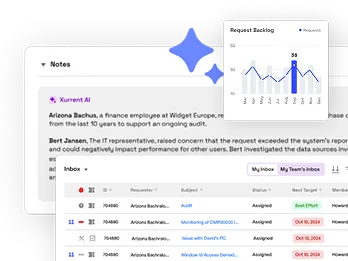
Unifiy IT, HR, Facilities, Finance, and more on a single, AI-powered service platform.
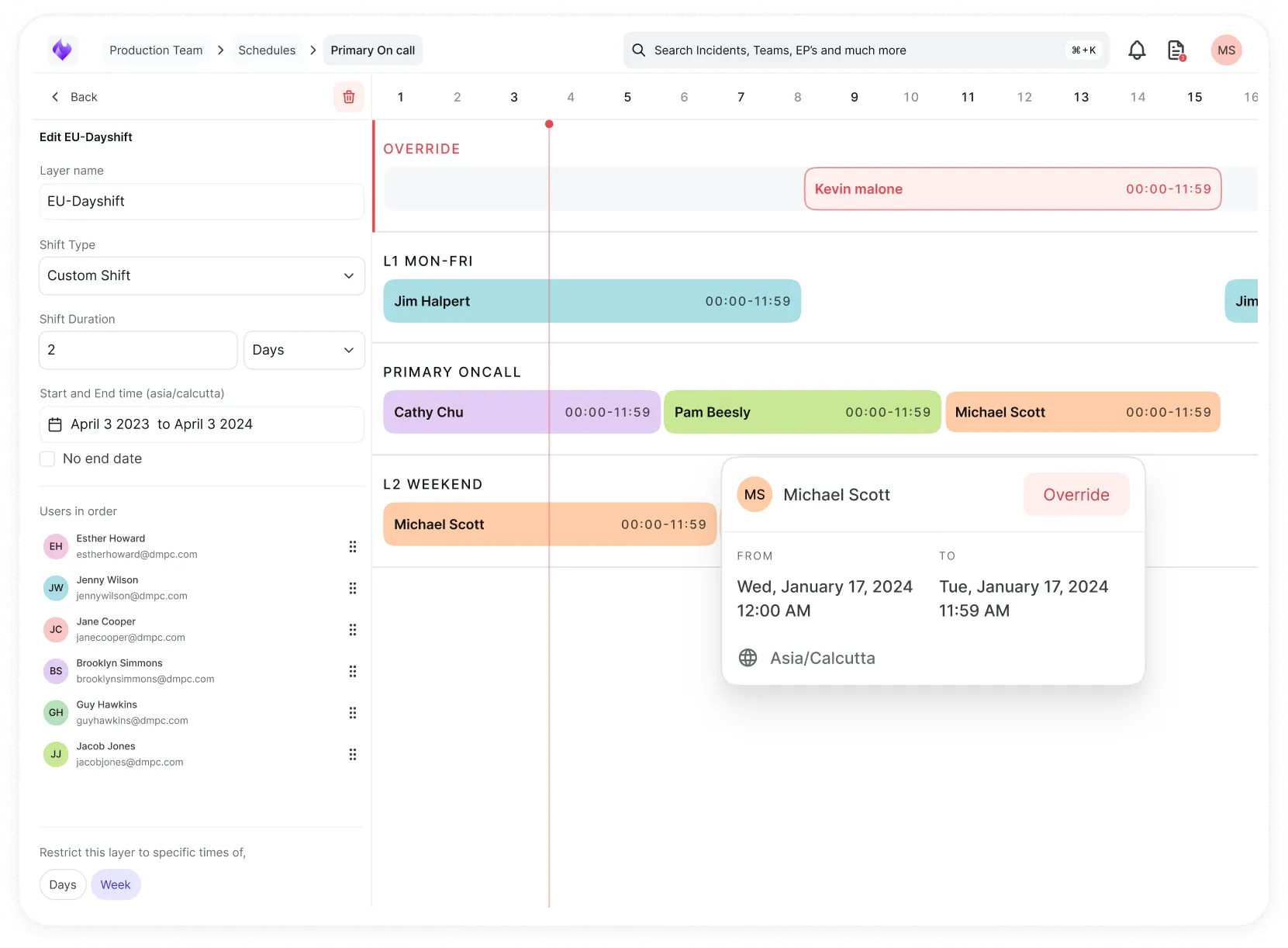
Simplify on-call scheduling, automate escalations, and reduce burnout.
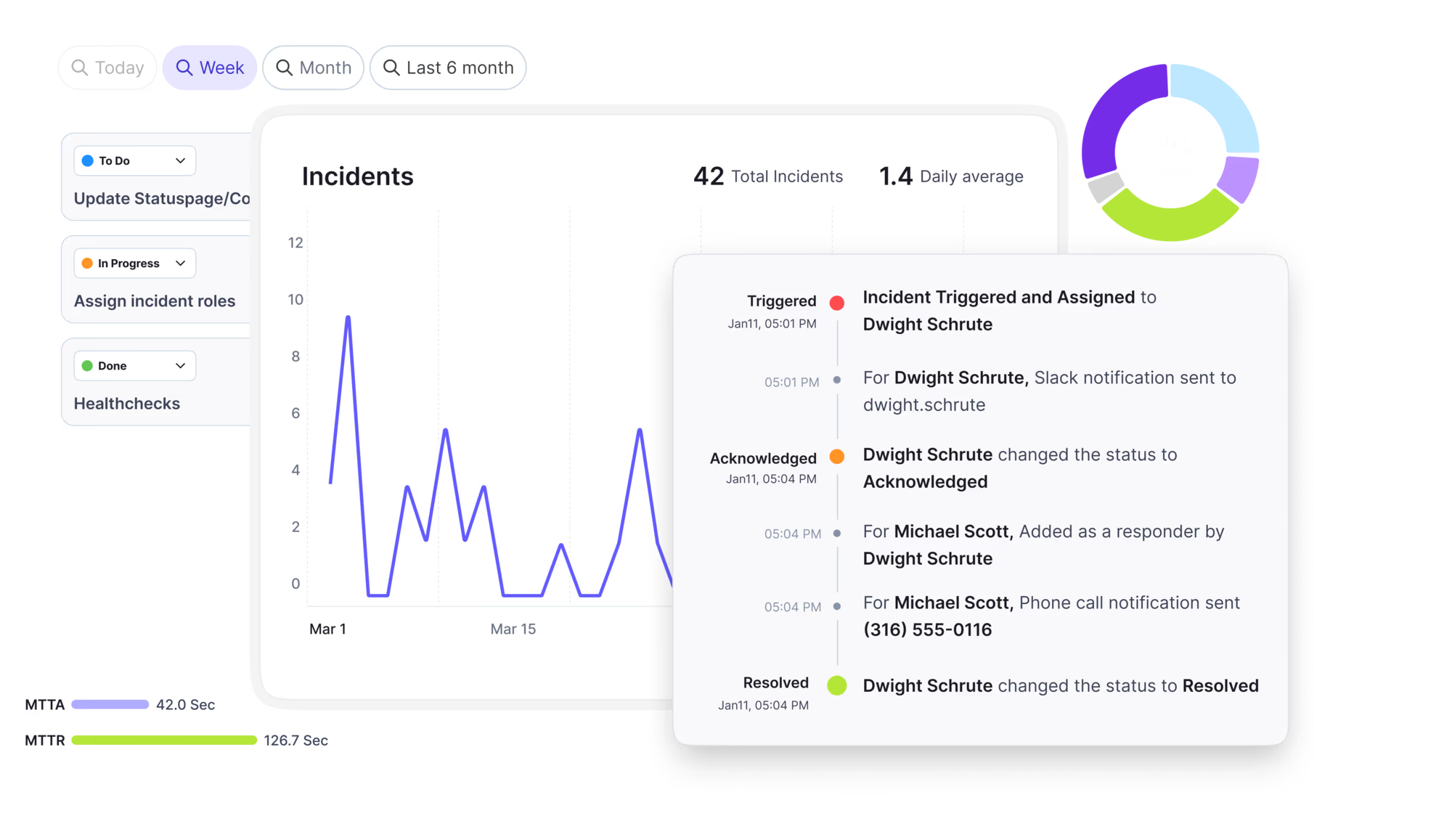
Automate postmortems, AI summaries, and post-incident workflows
Create, organize, and continuously improve your knowledge base to find the right answers with Sera AI.
We're here to help

The integration with Atlassian Jira using the Xurrent Integration Service is

The integration with Atlassian Jira using the Xurrent Integration Service is

The integration with Atlassian Jira using the Xurrent Integration Service is

The integration with Atlassian Jira using the Xurrent Integration Service is

The integration with Atlassian Jira using the Xurrent Integration Service is

The integration with Atlassian Jira using the Xurrent Integration Service is

The integration with Atlassian Jira using the Xurrent Integration Service is

The integration with Atlassian Jira using the Xurrent Integration Service is
Resolve issues quickly with an AI-powered system that automates ticketing.
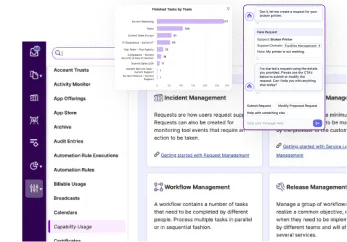
Unifiy IT, HR, Facilities, Finance, and more on a single, AI-powered service platform.
Simplify on-call scheduling, automate escalations, and reduce burnout.
Automate postmortems, AI summaries, and post-incident workflows
Create, organize, and continuously improve your knowledge base to find the right answers with Sera AI.
Resolve plant floor and IT issues before they disrupt production.
Stay audit-ready while resolving issues and reducing operational risk.

Detect, respond, and resolve incidents fast to cut downtime and MTTR.

Keep your store online, even during your biggest sales moments.

Protect patient data and resolve issues fast, so care teams stay focused on care.

Standardize service delivery across every store and channel.

We are here to help 24/7

Connect with other Xurrent Users

Get insights and tips on how to get the most out of Xurrent

Apps, APIs, and updates

Xurrent service functionality

Eliminate manual tasks, optimize workflows, and deliver faster resolutions.
Learn how organizations have reduced downtime, improved 50% MTTA & MTTR, and cut costs with Xurrent IMR.
Discover Xurrent IMR's quick support, bidirectional integrations with Jira and Slack, and more cohesive incident response capabilities compared to Opsgenie.
Understand why users value Xurrent IMR for its intuitive interface, efficient incident alerting, customizable On-call schedules, and escalations.
H2 What Is Service Request Management?
Service Request Management is the ITSM practice that handles user-initiated requests for standard services, information, or pre-approved changes through a structured intake, fulfillment, and tracking workflow. A service request differs from an incident—it's not a disruption to restore, but a request to deliver something new or provide access to an existing service, such as provisioning software licenses, resetting passwords, onboarding new employees, or requesting hardware. Service Request Management standardizes how these requests are submitted (typically through a service catalog or self-service portal), routed to the appropriate fulfillment team, tracked against service level agreements, and closed once delivered.
The practice sits within the ITIL Service Request Management process and connects tightly to the service catalog, which lists available request types, expected delivery times, and any approval or cost requirements. Unlike incident workflows that prioritize speed to restore normal operations, service request workflows prioritize consistency, transparency, and user experience—ensuring that routine asks are handled predictably and without manual coordination overhead.
Service Request Management directly impacts user productivity, service desk efficiency, and IT operational cost. When requests are handled through ad-hoc emails or unstructured tickets, fulfillment times stretch, approvals get lost, and users lack visibility into status—leading to duplicate submissions, escalations, and dissatisfaction. A well-implemented Service Request Management practice reduces service desk workload by enabling self-service for common requests, automates routing and approvals to eliminate manual handoffs, and provides real-time status updates that reduce "where is my request?" calls.
For IT and business service teams, Service Request Management creates measurable accountability. SLAs tied to request types set clear expectations, and analytics reveal bottlenecks in fulfillment workflows—such as slow approvals in HR onboarding or delays in access provisioning. Organizations that extend Service Request Management beyond IT (as part of ESM) see similar gains in facilities, finance, and legal, where standardized request handling reduces email overload and improves cross-departmental coordination.
Failure to manage service requests systematically results in hidden costs: agents spend time on repetitive manual tasks, users experience inconsistent service quality, and compliance risks emerge when access or asset requests lack proper audit trails. Service Request Management turns routine work into a repeatable, auditable, and continuously improvable process.
Service Request Management begins with a service catalog that defines available request types, each with a structured intake form, approval workflow (if required), fulfillment steps, and target completion time. Users submit requests through a self-service portal, email-to-ticket integration, or chat interface. The platform captures all required information upfront—such as cost center, manager approval, or technical specifications—to avoid back-and-forth delays.
Once submitted, the request enters an automated routing workflow. Simple requests (password resets, knowledge base access) may auto-fulfill through integrations with identity management or knowledge systems. Requests requiring human action route to the appropriate fulfillment queue—IT for software installs, facilities for desk moves, HR for onboarding tasks. If approvals are needed, the workflow pauses and notifies the designated approver, tracking approval status and escalating if SLA thresholds approach.
Fulfillment teams work the request, update status notes, and mark tasks complete. Throughout the lifecycle, the user receives automated notifications at key milestones—request received, approval granted, work in progress, completed. Once fulfilled, the request closes, and satisfaction surveys may trigger to measure service quality. Reporting dashboards track request volume by type, average fulfillment time, SLA compliance, and approval bottlenecks, enabling continuous process improvement.
Modern Service Request Management platforms integrate with CMDB, asset management, and workflow automation tools to reduce manual steps—automatically provisioning accounts, updating asset records, or triggering downstream tasks in connected systems.
- Software License Provisioning : An employee submits a request through the service catalog for Adobe Creative Cloud access. The request routes to IT procurement for budget approval, then to IT operations for license assignment. The workflow automatically provisions the license via API integration, updates the software asset register, and notifies the user—all within the 24-hour SLA.
- Employee Onboarding : HR initiates a new hire request that triggers a multi-department workflow: IT provisions laptop and accounts, facilities reserves a desk and orders supplies, security schedules badge pickup. Each task routes to the responsible team with dependencies tracked centrally, ensuring the employee has everything ready on day one without manual coordination emails.
- Access Request for Financial System : A finance team member requests read access to a restricted ERP module. The request routes to their manager for approval, then to the security team for provisioning. The system logs the approval chain for audit compliance, provisions access through an identity management integration, and closes the request with a confirmation email—maintaining a complete audit trail for SOX compliance.
- Incident Management
- Service Catalog
- Service Level Agreement (SLA)
- Change Enablement (Management)
- Self-Service Portal
---

.webp)
.webp)