





Blog
Insights & updates from our experts


Resolve plant floor and IT issues before they disrupt production.

Stay audit-ready while resolving issues and reducing operational risk.
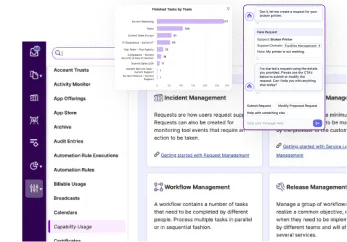
Resolve issues quickly with an AI-powered system that automates ticketing.
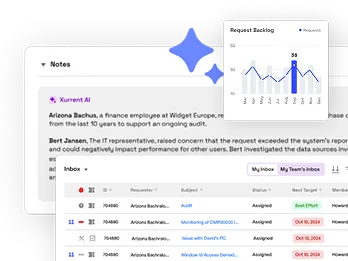
Unifiy IT, HR, Facilities, Finance, and more on a single, AI-powered service platform.
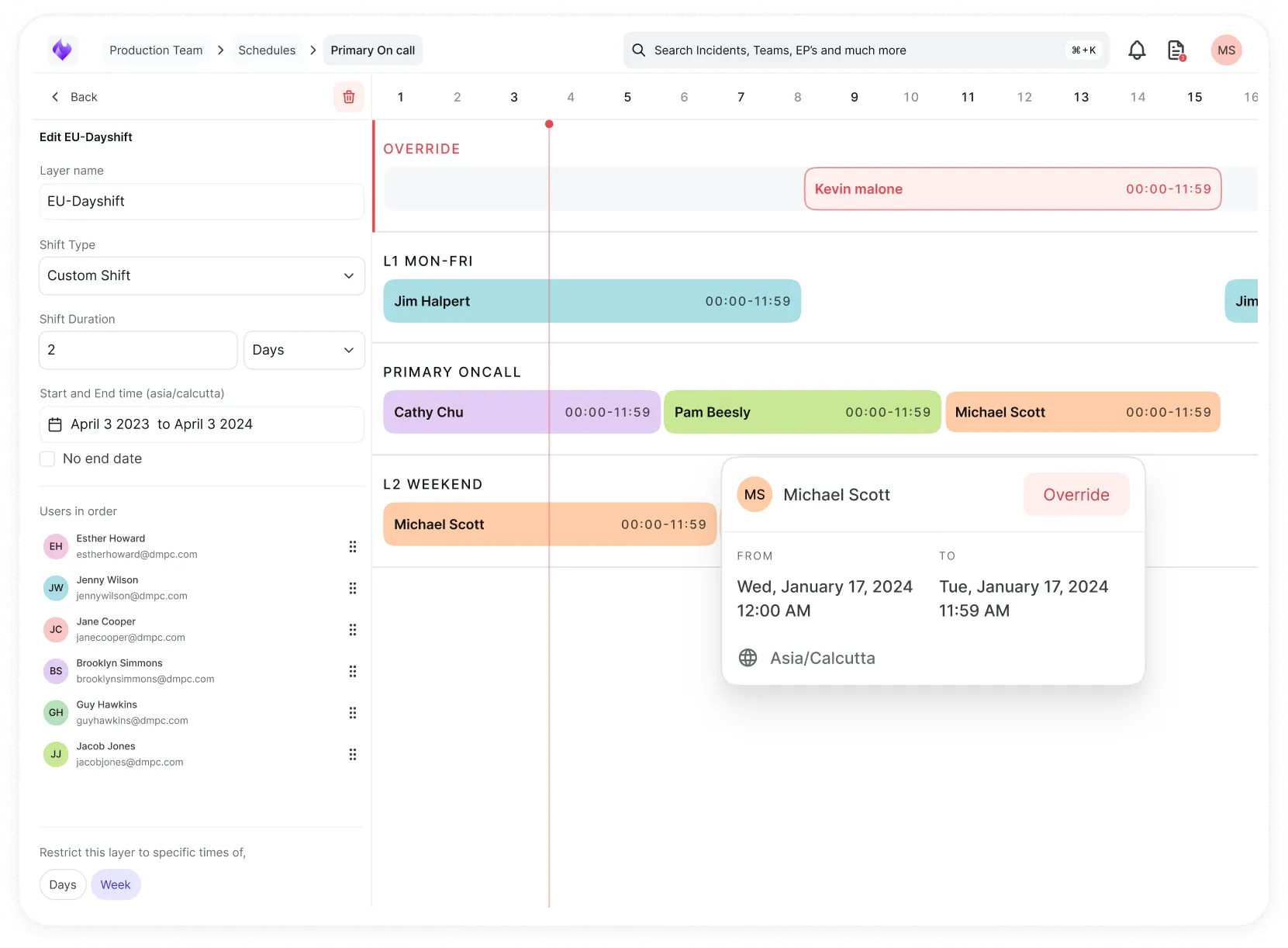
Simplify on-call scheduling, automate escalations, and reduce burnout.
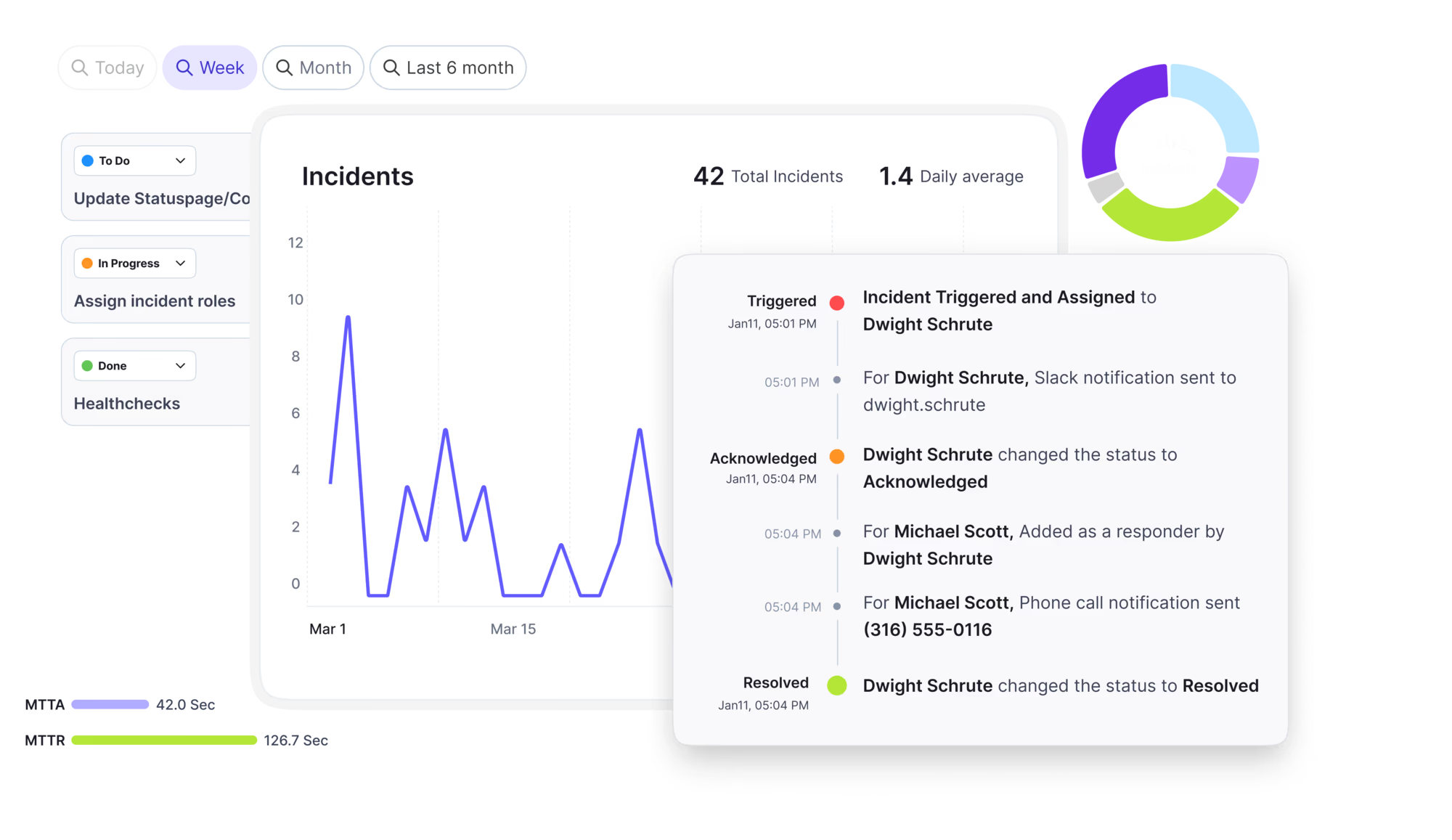
Automate postmortems, AI summaries, and post-incident workflows
Create, organize, and continuously improve your knowledge base to find the right answers with Sera AI.
We're here to help

The integration with Atlassian Jira using the Xurrent Integration Service is

The integration with Atlassian Jira using the Xurrent Integration Service is

The integration with Atlassian Jira using the Xurrent Integration Service is

The integration with Atlassian Jira using the Xurrent Integration Service is

The integration with Atlassian Jira using the Xurrent Integration Service is

The integration with Atlassian Jira using the Xurrent Integration Service is

The integration with Atlassian Jira using the Xurrent Integration Service is

The integration with Atlassian Jira using the Xurrent Integration Service is
Resolve issues quickly with an AI-powered system that automates ticketing.
Unifiy IT, HR, Facilities, Finance, and more on a single, AI-powered service platform.
Simplify on-call scheduling, automate escalations, and reduce burnout.
Automate postmortems, AI summaries, and post-incident workflows
Create, organize, and continuously improve your knowledge base to find the right answers with Sera AI.
Resolve plant floor and IT issues before they disrupt production.
Stay audit-ready while resolving issues and reducing operational risk.

Detect, respond, and resolve incidents fast to cut downtime and MTTR.

Keep your store online, even during your biggest sales moments.

Protect patient data and resolve issues fast, so care teams stay focused on care.

Standardize service delivery across every store and channel.

We are here to help 24/7

Connect with other Xurrent Users

Get insights and tips on how to get the most out of Xurrent

Apps, APIs, and updates

Xurrent service functionality

Eliminate manual tasks, optimize workflows, and deliver faster resolutions.
Learn how organizations have reduced downtime, improved 50% MTTA & MTTR, and cut costs with Xurrent IMR.
Discover Xurrent IMR's quick support, bidirectional integrations with Jira and Slack, and more cohesive incident response capabilities compared to Opsgenie.
Understand why users value Xurrent IMR for its intuitive interface, efficient incident alerting, customizable On-call schedules, and escalations.
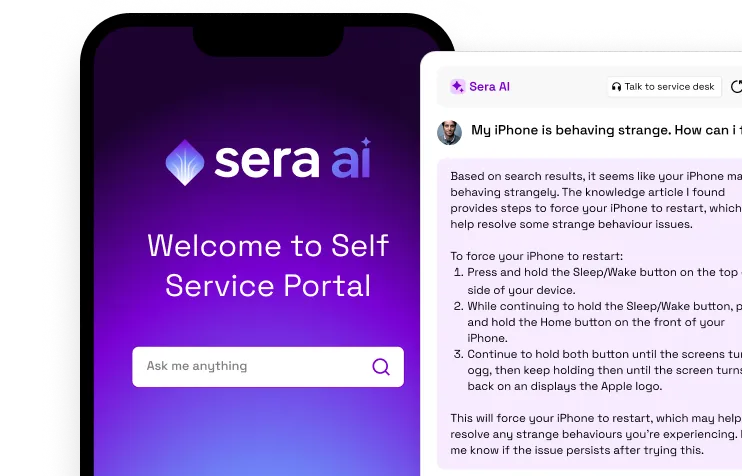
A Self-Service Portal is a web-based interface that enables end users—employees, customers, or partners—to access information, submit requests, track tickets, and resolve common issues without requiring direct interaction with IT support staff or service desk agents. The portal serves as the primary digital front door to an organization's service management system, typically integrating with the underlying ITSM platform to provide real-time access to the service catalog, knowledge base, incident status, and request fulfillment workflows. Self-Service Portals reduce the volume of phone calls and emails to the service desk by empowering users to find answers, initiate standard changes, request access to applications, and monitor the progress of their submissions through a single, branded interface that can be accessed from any device.
Self-Service Portals directly impact both operational efficiency and user satisfaction by deflecting routine requests away from live agents and reducing Mean Time to Resolution (MTTR) for common issues. Organizations with effective self-service capabilities report 30–50% reductions in service desk ticket volume, allowing support teams to focus on complex incidents and strategic initiatives rather than password resets and software access requests. For end users, portals eliminate wait times for simple tasks—submitting a facilities request or checking incident status no longer requires a phone call or email thread. From a compliance and audit perspective, self-service workflows enforce standardized request processes, ensure proper approvals are captured, and create complete audit trails for access provisioning and change requests. Poor or absent self-service capabilities lead to service desk overload, longer resolution times, frustrated users who bypass IT entirely, and increased operational costs as agents handle repetitive, low-value work.
A Self-Service Portal operates as a front-end layer that connects users to back-end ITSM processes through a structured workflow. When a user accesses the portal, they authenticate through single sign-on (SSO) or directory services, which determines their role, permissions, and which services they can view or request. The portal displays a personalized service catalog—a structured menu of available IT and business services such as software installations, hardware requests, HR onboarding tasks, or facilities work orders. When a user selects a service, they complete a request form with required fields and conditional logic that adapts based on their selections, ensuring all necessary information is captured upfront. The portal then routes the request into the appropriate ITSM workflow—incident management, service request fulfillment, or change management—triggering automated approvals, task assignments, and notifications. Users receive real-time updates on request status and can track progress through the portal dashboard. The portal also surfaces a searchable knowledge base where users can find articles, FAQs, and troubleshooting guides, often enhanced with AI-powered search that suggests relevant content based on the user's query. For common issues like password resets or software license requests, the portal can execute fully automated fulfillment through integration with identity management systems, provisioning tools, and configuration management databases (CMDB), completing the request without human intervention.
- Enterprise IT Service Desk : A global manufacturing company deploys a Self-Service Portal where 12,000 employees request laptop replacements, VPN access, and software licenses. The portal integrates with Active Directory and ServiceNow, automatically routing hardware requests to regional IT teams and software requests through a three-tier approval workflow based on cost thresholds. Knowledge base articles embedded in the portal resolve 40% of password and connectivity issues before users submit tickets, reducing service desk volume by 2,500 tickets per month.
- HR Service Delivery : A financial services firm extends its Self-Service Portal beyond IT to handle employee lifecycle requests including benefits enrollment, time-off requests, and onboarding task tracking. New hires access a personalized portal page showing their onboarding checklist, required training modules, and equipment delivery status. HR case managers use the same portal backend to coordinate cross-functional tasks across IT, facilities, and payroll, reducing average onboarding time from 14 days to 6 days.
- Managed Service Provider (MSP) Client Portal : An MSP operates a multi-tenant Self-Service Portal where 50 client organizations access separate, branded instances to submit incidents, request changes, and view SLA performance dashboards. Each client sees only their own data, enforced through account trusts and role-based access controls. The portal automatically escalates Priority 1 incidents to on-call engineers via integration with incident management workflows, while routing standard requests through predefined fulfillment templates that ensure consistent service delivery across all clients.
- Service Catalog
- Service Desk
- Knowledge Management
- Service Request Management
- Virtual Agent
---

.webp)
.webp)