




Blog
Insights & updates from our experts


Resolve plant floor and IT issues before they disrupt production.

Stay audit-ready while resolving issues and reducing operational risk.
Resolve issues quickly with an AI-powered system that automates ticketing.
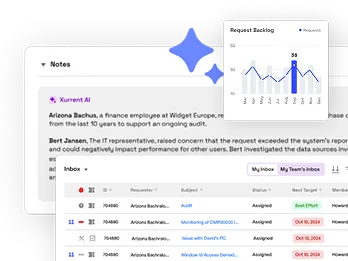
Unifiy IT, HR, Facilities, Finance, and more on a single, AI-powered service platform.
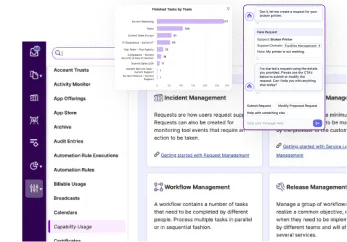
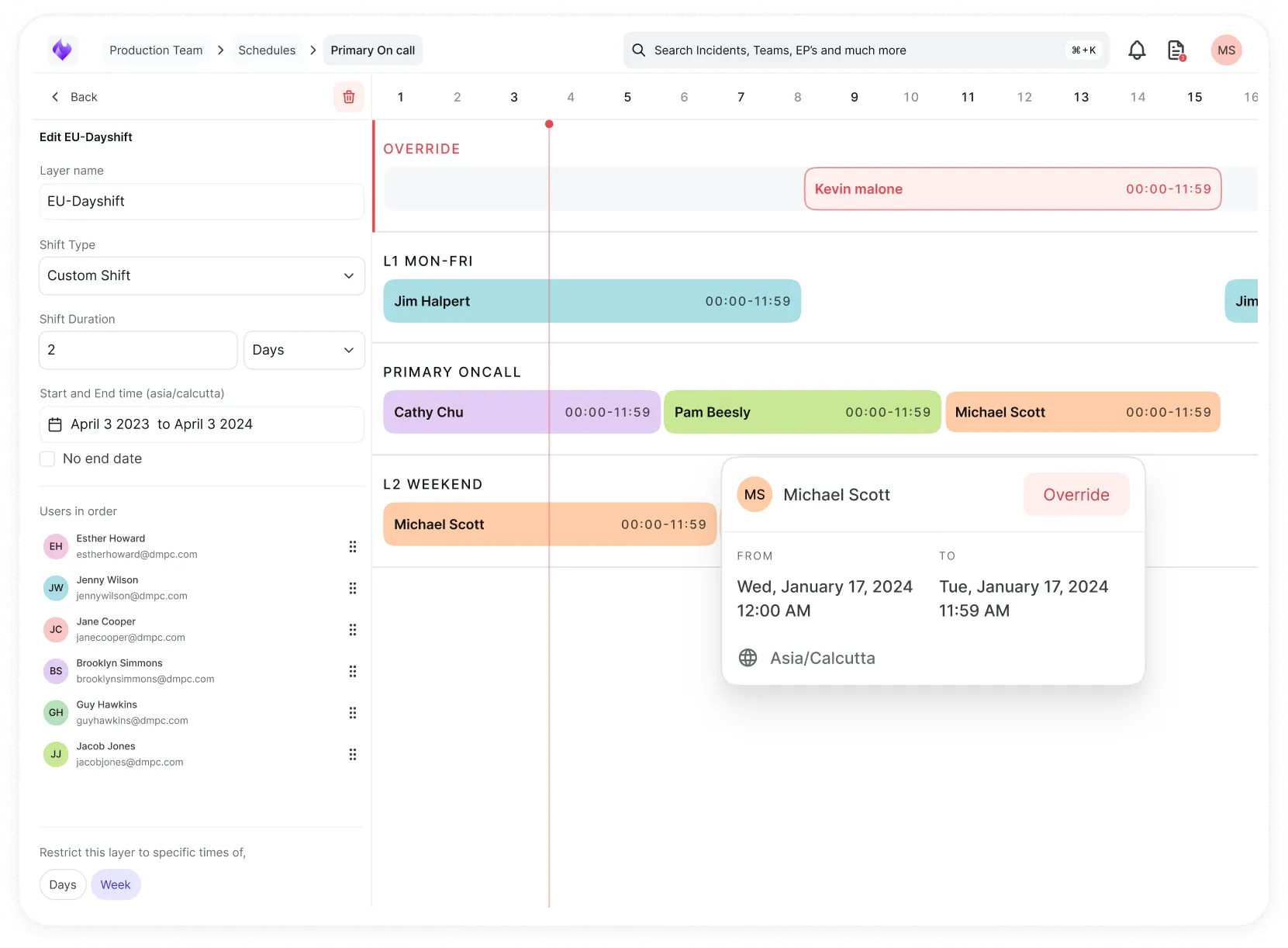
Simplify on-call scheduling, automate escalations, and reduce burnout.
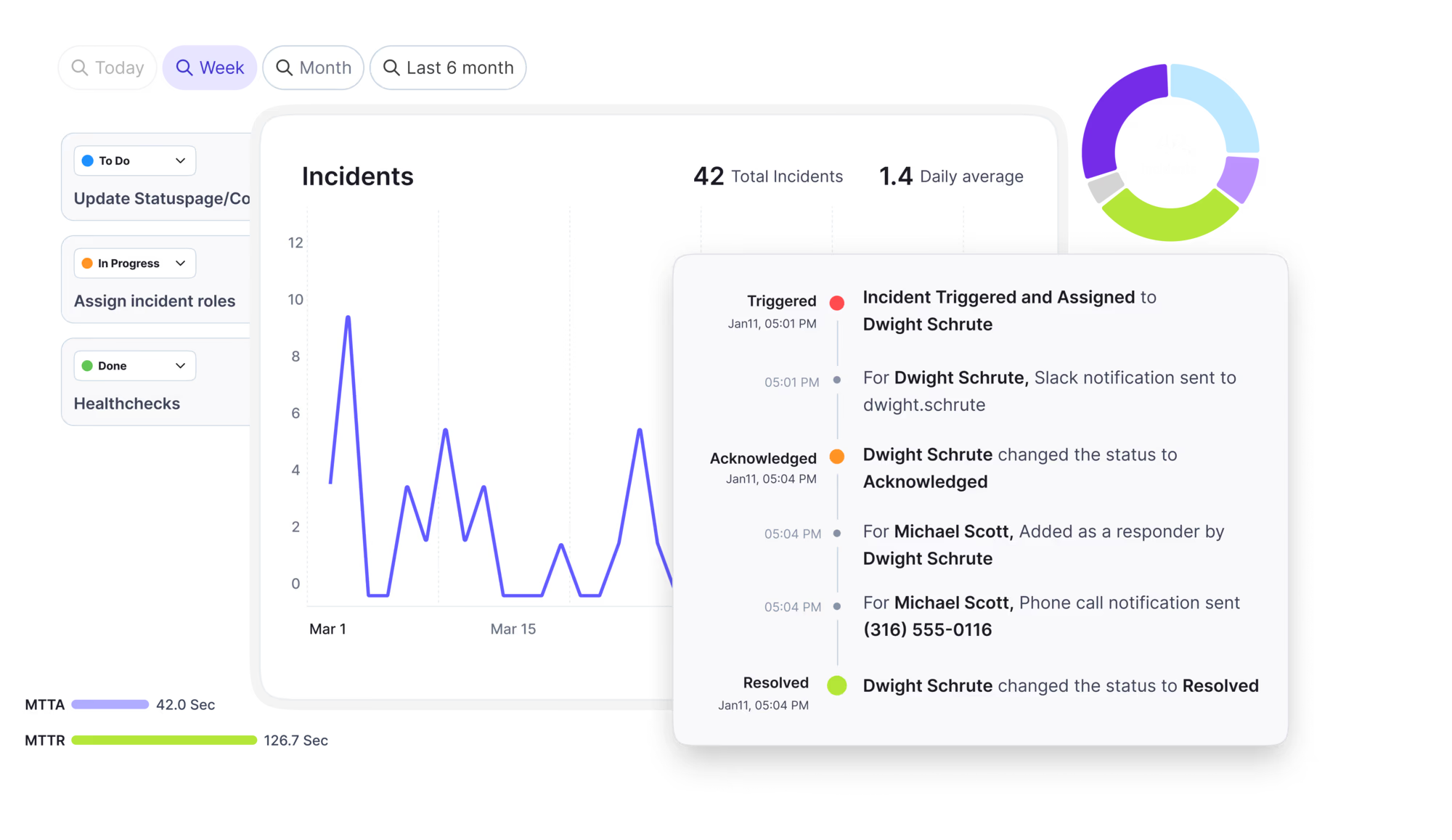
Automate postmortems, AI summaries, and post-incident workflows
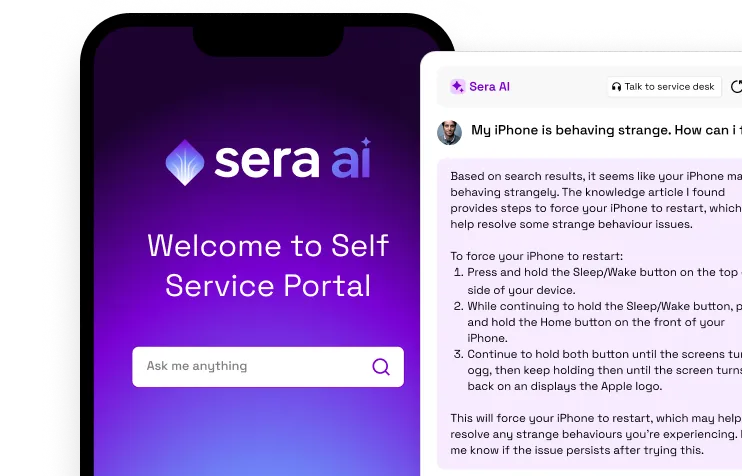
Create, organize, and continuously improve your knowledge base to find the right answers with Sera AI.
We're here to help

The integration with Atlassian Jira using the Xurrent Integration Service is

The integration with Atlassian Jira using the Xurrent Integration Service is

The integration with Atlassian Jira using the Xurrent Integration Service is

The integration with Atlassian Jira using the Xurrent Integration Service is

The integration with Atlassian Jira using the Xurrent Integration Service is

The integration with Atlassian Jira using the Xurrent Integration Service is

The integration with Atlassian Jira using the Xurrent Integration Service is

The integration with Atlassian Jira using the Xurrent Integration Service is
Resolve issues quickly with an AI-powered system that automates ticketing.
Unifiy IT, HR, Facilities, Finance, and more on a single, AI-powered service platform.
Simplify on-call scheduling, automate escalations, and reduce burnout.
Automate postmortems, AI summaries, and post-incident workflows
Create, organize, and continuously improve your knowledge base to find the right answers with Sera AI.
Resolve plant floor and IT issues before they disrupt production.
Stay audit-ready while resolving issues and reducing operational risk.

Detect, respond, and resolve incidents fast to cut downtime and MTTR.

Keep your store online, even during your biggest sales moments.

Protect patient data and resolve issues fast, so care teams stay focused on care.

Standardize service delivery across every store and channel.

We are here to help 24/7

Connect with other Xurrent Users

Get insights and tips on how to get the most out of Xurrent

Apps, APIs, and updates

Xurrent service functionality

Eliminate manual tasks, optimize workflows, and deliver faster resolutions.
Learn how organizations have reduced downtime, improved 50% MTTA & MTTR, and cut costs with Xurrent IMR.
Discover Xurrent IMR's quick support, bidirectional integrations with Jira and Slack, and more cohesive incident response capabilities compared to Opsgenie.
Understand why users value Xurrent IMR for its intuitive interface, efficient incident alerting, customizable On-call schedules, and escalations.
Incident Management is the ITSM practice that restores normal service operation as quickly as possible after an unplanned interruption or service degradation. An incident—defined as any event that disrupts or reduces the quality of an IT service—triggers a structured response workflow designed to minimize business impact, maintain service availability, and return users to full productivity. The practice encompasses detection, logging, categorization, prioritization, diagnosis, escalation, resolution, and closure, typically following ITIL-aligned processes that ensure consistency across service desk teams, technical support groups, and on-call responders.
Incident Management operates on a fundamental principle: restore service first, investigate root cause later. This distinguishes it from Problem Management, which focuses on identifying and eliminating the underlying causes of recurring incidents. While Problem Management aims for long-term prevention, Incident Management prioritizes immediate restoration—getting the email system back online, clearing the authentication failure, or restoring database connectivity so business operations can continue.
The practice spans two operational contexts. In traditional IT service management environments, incidents are typically user-reported: an employee calls the service desk to report a broken application, a failed login, or missing data. In modern DevOps and SRE environments, incidents are often machine-detected: monitoring tools identify performance degradation, observability platforms flag error rate spikes, or automated health checks detect service unavailability before users notice. Both contexts require coordinated response, but the tooling, escalation paths, and communication patterns differ significantly.
Incident Management directly controls downtime cost, user productivity, and service reliability. Every minute a critical service remains unavailable translates to lost revenue, stalled workflows, and eroded customer trust. Organizations without structured Incident Management experience longer Mean Time to Repair (MTTR), higher repeat incident rates, and inconsistent service quality because response depends on whoever happens to be available rather than defined processes and clear accountability.
Effective Incident Management reduces business impact through rapid triage and intelligent routing. When incidents are logged with accurate categorization and priority, the right resolver groups engage immediately instead of tickets bouncing between teams while service remains degraded. SLA compliance depends on this speed: a Priority 1 incident with a 15-minute response target cannot tolerate manual handoffs or missing context.
The practice also protects operational knowledge and enables continuous improvement. Structured incident records—complete with timestamps, actions taken, and resolution steps—create a searchable history that accelerates future responses, informs Problem Management investigations, and supports compliance audits. Without this documentation, teams repeatedly solve the same issues, root causes remain unaddressed, and regulatory evidence is incomplete or missing.
For SRE and DevOps teams managing production services, Incident Management integrates with on-call schedules, escalation policies, and automated alerting to ensure 24/7 coverage. Alert fatigue—where responders are overwhelmed by noise from monitoring systems—undermines incident response effectiveness, making intelligent filtering and prioritization essential to maintaining both service reliability and team health.
Incident Management follows a defined lifecycle from detection through closure. The process begins with incident detection and logging, whether through user reports to a service desk, automated alerts from monitoring tools, or notifications from external customers. Each incident receives a unique identifier, timestamp, and initial description that captures what is broken, who is affected, and the observed symptoms.
Categorization and prioritization occur next. The incident is classified by type (hardware failure, software bug, network issue, access request) and assigned a priority based on urgency and impact. A Priority 1 incident—such as a complete outage of a customer-facing payment system—demands immediate response and executive visibility. A Priority 4 incident—such as a single user's printer issue—follows standard queue processing. Priority determines response time targets, escalation thresholds, and communication requirements.
Diagnosis and investigation follow, where assigned resolvers analyze symptoms, review logs, check configuration changes, and test hypotheses to identify the failure point. In ITSM environments, this often involves service desk agents gathering information before escalating to specialized technical teams. In incident response platforms used by SRE teams, this triggers war room collaboration, runbook execution, and real-time troubleshooting across distributed on-call responders.
Resolution and recovery restore service through fixes, workarounds, or rollbacks. The goal is restoration, not perfection—a temporary workaround that returns service to users is preferable to a delayed permanent fix. Once service is confirmed operational, the incident moves to closure, where resolution details are documented, users are notified, and the incident record is completed for future reference and trend analysis.
Throughout this lifecycle, communication and escalation ensure stakeholders remain informed. Status updates flow to affected users, executives receive impact summaries for critical incidents, and escalation policies automatically engage additional responders if resolution stalls. Modern platforms synchronize incident state across ITSM ticketing systems, incident response tools, and status pages to eliminate manual updates and maintain consistent visibility.
- E-commerce platform outage : A retail company's checkout service fails during peak shopping hours due to a database connection pool exhaustion. Monitoring tools detect the failure within 30 seconds and page the on-call SRE, who identifies the issue, increases connection pool limits, and restores service in 8 minutes. The incident is logged with full timeline, root cause analysis is scheduled for the next business day, and automated status page updates keep customers informed throughout the outage.
- Enterprise email service degradation : Employees across a manufacturing company report slow email performance. The service desk logs multiple related incidents, recognizes the pattern, and escalates to the messaging team. Technicians discover a misconfigured mail routing rule implemented during overnight maintenance. They revert the change, confirm email flow returns to normal, and update all linked incident tickets with resolution details before closing them as a single incident cluster.
- Healthcare system authentication failure : A hospital's electronic health record system rejects clinician logins due to an expired SSL certificate on the identity provider. The incident is detected by automated certificate monitoring, logged as Priority 1 due to patient care impact, and escalated immediately to the infrastructure team. The team renews the certificate, validates authentication across all integrated systems, and documents the incident with corrective actions to prevent certificate expiration in the future.
- Problem Management
- Change Management
- Service Desk
- MTTR (Mean Time to Repair)
- ITSM (IT Service Management)
---

.webp)
.webp)