




Blog
Insights & updates from our experts


Resolve plant floor and IT issues before they disrupt production.

Stay audit-ready while resolving issues and reducing operational risk.
Resolve issues quickly with an AI-powered system that automates ticketing.
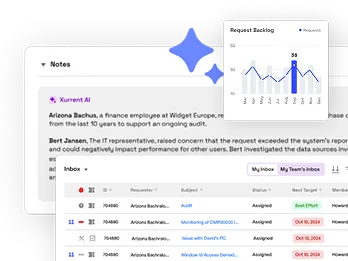
Unifiy IT, HR, Facilities, Finance, and more on a single, AI-powered service platform.
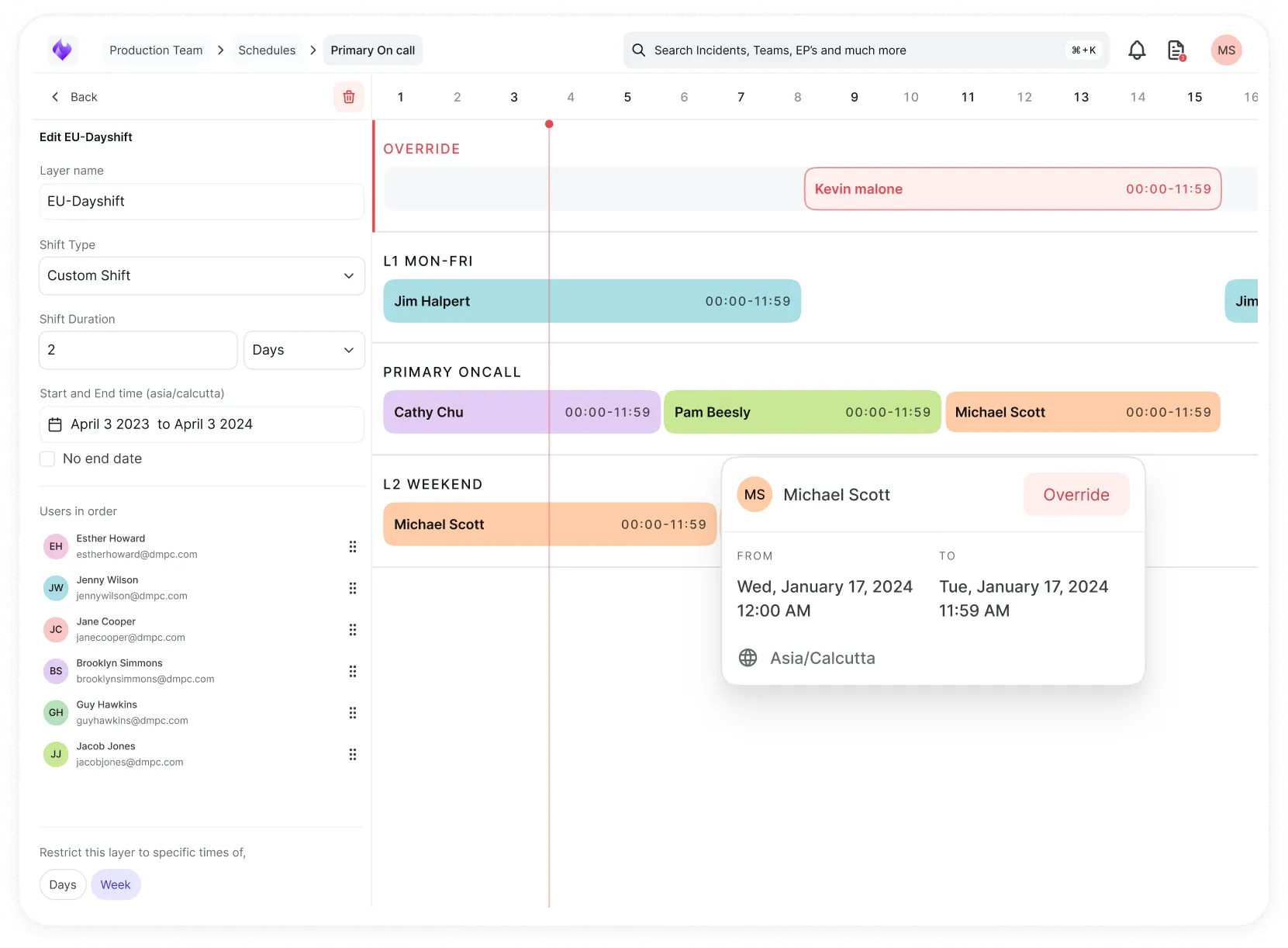
Simplify on-call scheduling, automate escalations, and reduce burnout.
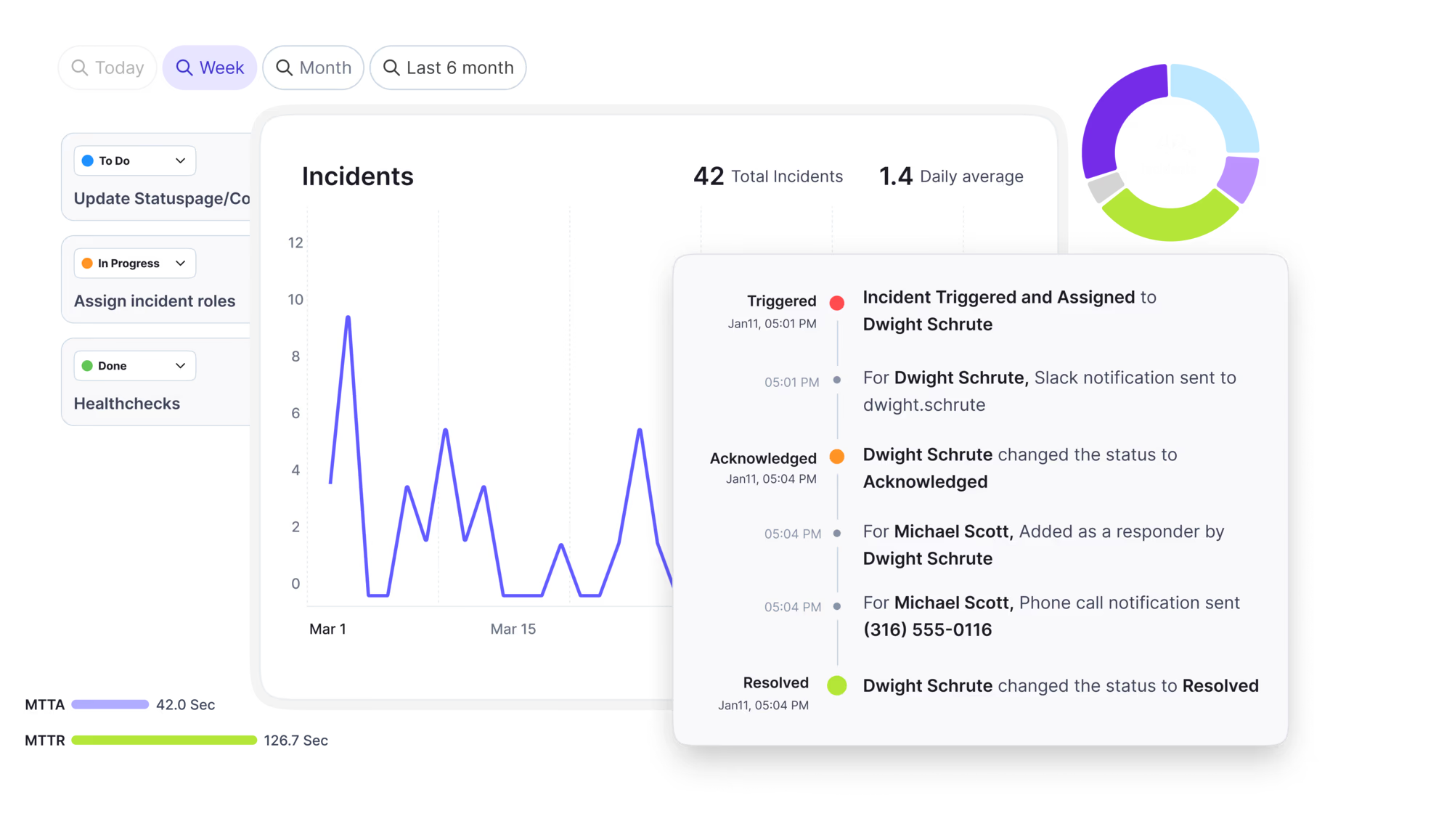
Automate postmortems, AI summaries, and post-incident workflows
Create, organize, and continuously improve your knowledge base to find the right answers with Sera AI.
We're here to help

The integration with Atlassian Jira using the Xurrent Integration Service is

The integration with Atlassian Jira using the Xurrent Integration Service is

The integration with Atlassian Jira using the Xurrent Integration Service is

The integration with Atlassian Jira using the Xurrent Integration Service is

The integration with Atlassian Jira using the Xurrent Integration Service is

The integration with Atlassian Jira using the Xurrent Integration Service is

The integration with Atlassian Jira using the Xurrent Integration Service is

The integration with Atlassian Jira using the Xurrent Integration Service is
Resolve issues quickly with an AI-powered system that automates ticketing.
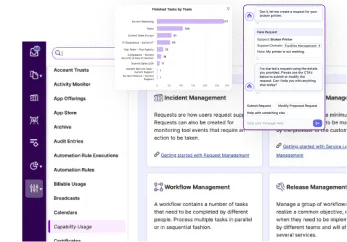
Unifiy IT, HR, Facilities, Finance, and more on a single, AI-powered service platform.
Simplify on-call scheduling, automate escalations, and reduce burnout.
Automate postmortems, AI summaries, and post-incident workflows
Create, organize, and continuously improve your knowledge base to find the right answers with Sera AI.
Resolve plant floor and IT issues before they disrupt production.
Stay audit-ready while resolving issues and reducing operational risk.

Detect, respond, and resolve incidents fast to cut downtime and MTTR.

Keep your store online, even during your biggest sales moments.

Protect patient data and resolve issues fast, so care teams stay focused on care.

Standardize service delivery across every store and channel.

We are here to help 24/7

Connect with other Xurrent Users

Get insights and tips on how to get the most out of Xurrent

Apps, APIs, and updates

Xurrent service functionality

Eliminate manual tasks, optimize workflows, and deliver faster resolutions.
Learn how organizations have reduced downtime, improved 50% MTTA & MTTR, and cut costs with Xurrent IMR.
Discover Xurrent IMR's quick support, bidirectional integrations with Jira and Slack, and more cohesive incident response capabilities compared to Opsgenie.
Understand why users value Xurrent IMR for its intuitive interface, efficient incident alerting, customizable On-call schedules, and escalations.
Knowledge Management is the systematic process of capturing, organizing, storing, and sharing information and expertise across an organization to improve service delivery, reduce resolution times, and enable consistent decision-making. In ITSM and ESM contexts, Knowledge Management transforms scattered tribal knowledge—solutions stored in email threads, Slack channels, or individual memories—into structured, searchable articles that service desk agents, engineers, and end users can access on demand. Effective Knowledge Management ensures that when an incident occurs or a user submits a request, the person handling it can quickly find verified solutions, workarounds, and procedures rather than escalating unnecessarily or reinventing answers. The practice encompasses not only the knowledge base itself but also the workflows for creating, reviewing, retiring, and surfacing articles at the right moment in the service lifecycle.
Knowledge Management directly impacts Mean Time to Resolve (MTTR), First Contact Resolution (FCR), and service desk efficiency. When agents have instant access to accurate, up-to-date knowledge articles, they resolve incidents faster and escalate less frequently, reducing operational costs and improving user satisfaction. Without structured Knowledge Management, organizations experience repeated incidents, inconsistent answers across teams, and dependency on a few subject matter experts who become bottlenecks. In high-velocity environments, poor Knowledge Management leads to longer outages because responders waste time searching for runbooks, troubleshooting steps, or configuration details that should be immediately available. For compliance-driven industries, Knowledge Management provides auditable documentation of procedures and decisions, ensuring that service delivery aligns with regulatory requirements. AI-powered service desks rely on well-maintained knowledge bases to deliver accurate automated responses; without quality knowledge, AI tools generate incorrect or incomplete answers that erode user trust.
Knowledge Management operates through a continuous lifecycle of creation, validation, publication, and maintenance. When an incident is resolved or a new service is deployed, the responsible team documents the solution, configuration, or procedure in a knowledge article using a standardized template that includes symptoms, root cause, resolution steps, and related configuration items. The article enters a review workflow where subject matter experts verify accuracy and completeness before publication. Once published, the article becomes searchable in the service portal, accessible to agents during ticket handling, and surfaced by AI assistants when users describe similar issues. Usage analytics track which articles are viewed, rated helpful, or linked to resolved tickets, identifying high-value content and gaps where new articles are needed. Scheduled reviews ensure articles remain accurate as systems change; outdated articles are flagged for update or retirement to prevent agents from following incorrect procedures. Modern Knowledge Management platforms integrate with ITSM workflows so that resolving an incident can automatically suggest creating or updating a knowledge article, and AI tools can draft articles from ticket resolution notes, reducing the manual effort required to maintain the knowledge base.
- Service desk password reset automation : A financial services company maintains a knowledge article detailing the password reset process for each internal application, including screenshots and step-by-step instructions. Service desk agents link to this article when handling password requests, and the self-service portal surfaces it when users search "forgot password," reducing ticket volume by 40% and enabling agents to resolve remaining tickets in under two minutes.
- Incident runbook library for SRE teams : A SaaS provider documents runbooks for common production incidents—database connection pool exhaustion, API rate limit breaches, cache invalidation failures—in their Knowledge Management system. When an alert fires, the on-call engineer accesses the relevant runbook directly from the incident ticket, follows the documented troubleshooting steps, and updates the article if new information emerges during resolution, ensuring continuous improvement and faster MTTR.
- ESM onboarding knowledge base : A manufacturing company extends Knowledge Management beyond IT to HR, creating articles for employee onboarding tasks like benefits enrollment, equipment requests, and facility access. New hires access these articles through a branded portal, and HR case managers link to them when responding to questions, standardizing the onboarding experience across global offices and reducing repetitive inquiries to the HR service desk by 60%.
- Incident Management
- Problem Management
- Service Desk
- Self-Service Portal
- Continual Improvement
---

.webp)
.webp)