





Blog
Insights & updates from our experts


Resolve plant floor and IT issues before they disrupt production.

Stay audit-ready while resolving issues and reducing operational risk.
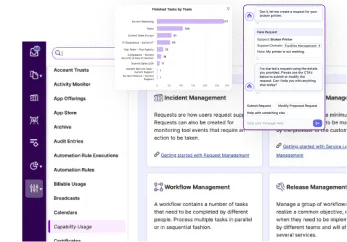
Resolve issues quickly with an AI-powered system that automates ticketing.
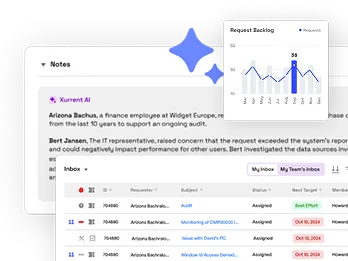
Unifiy IT, HR, Facilities, Finance, and more on a single, AI-powered service platform.
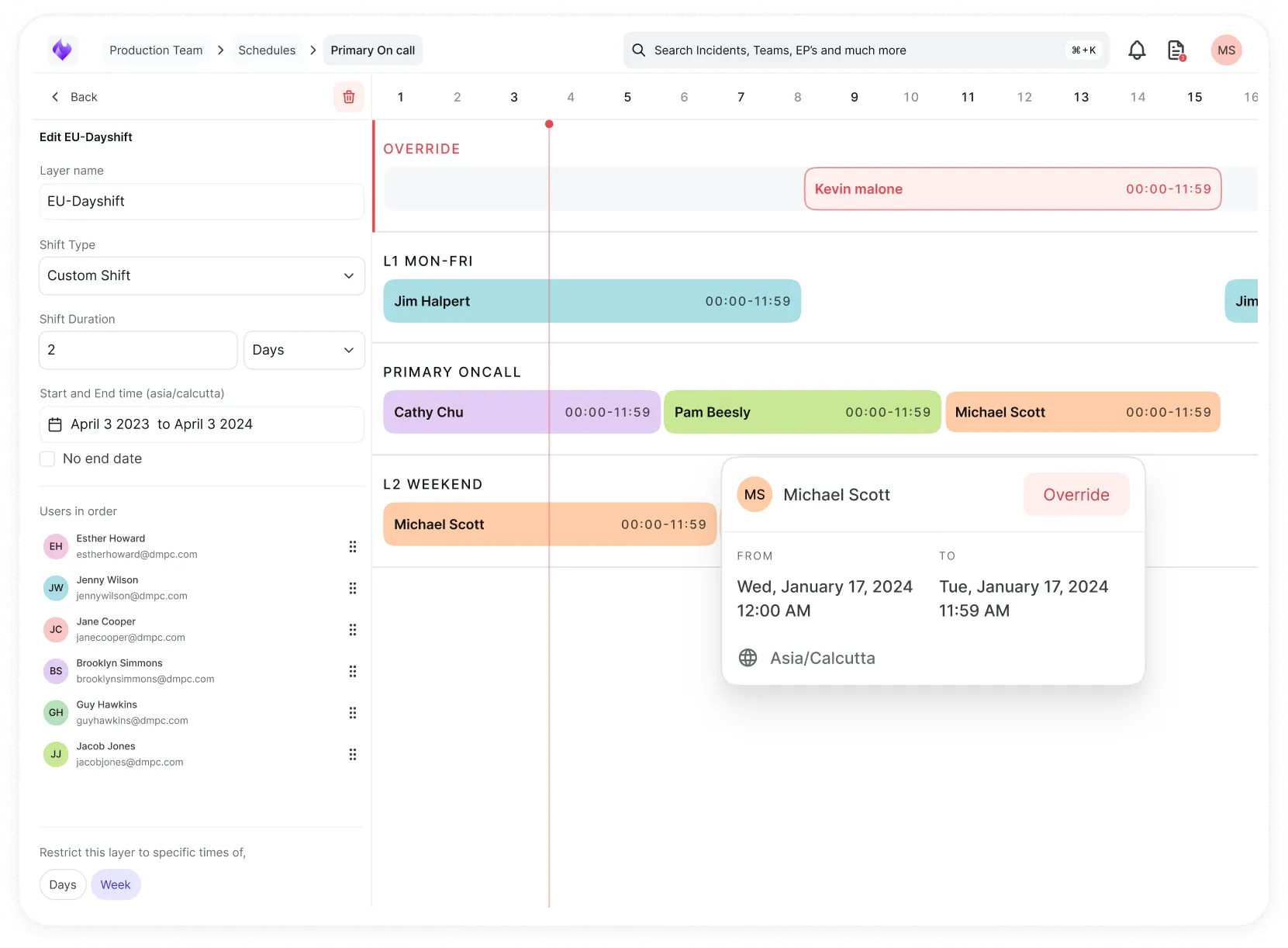
Simplify on-call scheduling, automate escalations, and reduce burnout.
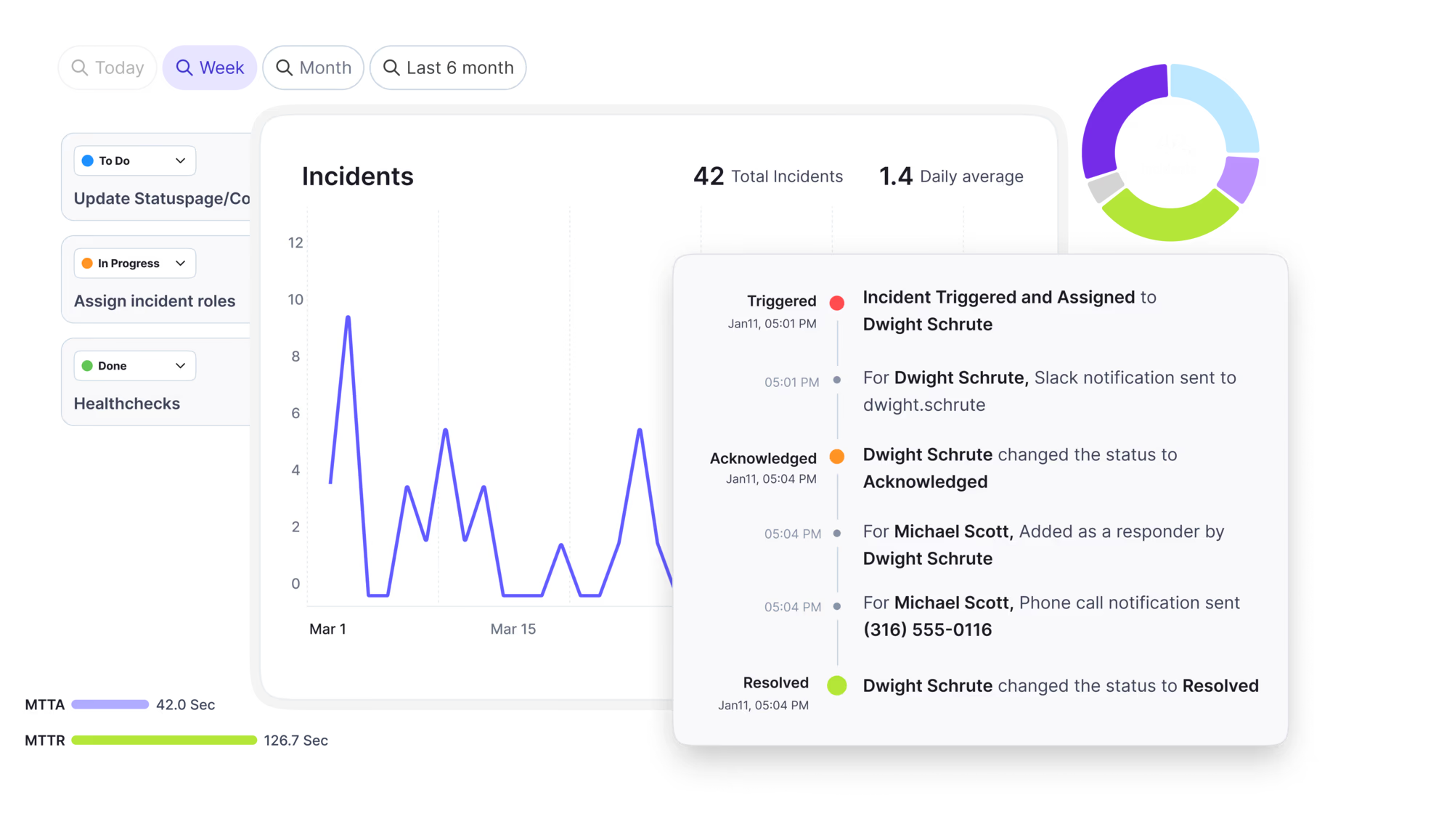
Automate postmortems, AI summaries, and post-incident workflows
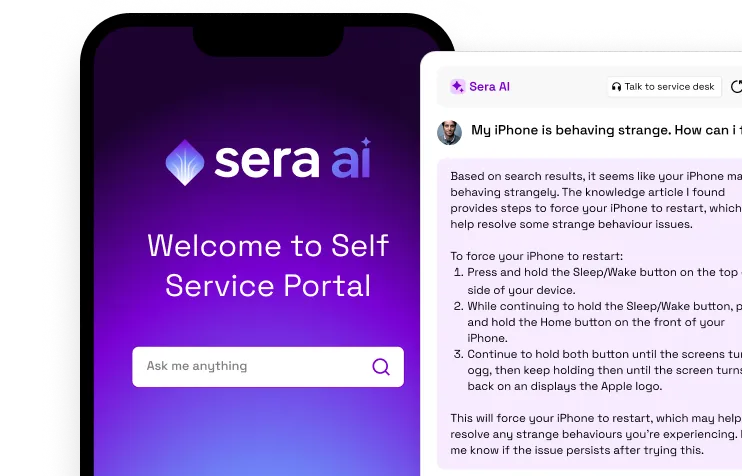
Create, organize, and continuously improve your knowledge base to find the right answers with Sera AI.
We're here to help

The integration with Atlassian Jira using the Xurrent Integration Service is

The integration with Atlassian Jira using the Xurrent Integration Service is

The integration with Atlassian Jira using the Xurrent Integration Service is

The integration with Atlassian Jira using the Xurrent Integration Service is

The integration with Atlassian Jira using the Xurrent Integration Service is

The integration with Atlassian Jira using the Xurrent Integration Service is

The integration with Atlassian Jira using the Xurrent Integration Service is

The integration with Atlassian Jira using the Xurrent Integration Service is
Resolve issues quickly with an AI-powered system that automates ticketing.
Unifiy IT, HR, Facilities, Finance, and more on a single, AI-powered service platform.
Simplify on-call scheduling, automate escalations, and reduce burnout.
Automate postmortems, AI summaries, and post-incident workflows
Create, organize, and continuously improve your knowledge base to find the right answers with Sera AI.
Resolve plant floor and IT issues before they disrupt production.
Stay audit-ready while resolving issues and reducing operational risk.

Detect, respond, and resolve incidents fast to cut downtime and MTTR.

Keep your store online, even during your biggest sales moments.

Protect patient data and resolve issues fast, so care teams stay focused on care.

Standardize service delivery across every store and channel.

We are here to help 24/7

Connect with other Xurrent Users

Get insights and tips on how to get the most out of Xurrent

Apps, APIs, and updates

Xurrent service functionality

Eliminate manual tasks, optimize workflows, and deliver faster resolutions.
Learn how organizations have reduced downtime, improved 50% MTTA & MTTR, and cut costs with Xurrent IMR.
Discover Xurrent IMR's quick support, bidirectional integrations with Jira and Slack, and more cohesive incident response capabilities compared to Opsgenie.
Understand why users value Xurrent IMR for its intuitive interface, efficient incident alerting, customizable On-call schedules, and escalations.
Problem Management is the ITSM practice responsible for identifying, analyzing, and resolving the underlying causes of incidents to prevent them from recurring. Unlike incident management—which focuses on restoring service as quickly as possible—Problem Management investigates why incidents happen in the first place and implements permanent fixes to eliminate repeat disruptions. A "problem" in this context is the root cause behind one or more incidents; for example, a memory leak in application code might cause multiple user-reported outages before the underlying defect is discovered and patched. Problem Management operates both reactively (analyzing past incidents to find patterns) and proactively (identifying weaknesses before they cause incidents), and it typically follows ITIL guidance to standardize investigation, documentation, and resolution workflows.
Problem Management directly reduces operational cost and service downtime by breaking the cycle of recurring incidents. When the same issue triggers repeated alerts—whether it's a misconfigured load balancer, a database index that degrades under load, or a flaky integration endpoint—each incident consumes engineering time, delays feature work, and erodes user trust. Organizations without structured Problem Management spend 60–80% of incident response effort on repeat issues, according to internal Xurrent data, because teams restore service without documenting or fixing root causes. Effective Problem Management creates accountability: it ensures that postmortem action items are tracked in change management systems, prioritized alongside feature development, and completed before the next outage occurs. This practice also improves SLA compliance, reduces alert fatigue, and strengthens cross-team collaboration by connecting incident responders (who see symptoms) with engineers and architects (who can address systemic weaknesses). For regulated industries, Problem Management provides the audit trail and continuous improvement evidence required by ISO 20000, SOC 2, and similar frameworks.
Problem Management follows a structured lifecycle that begins when incident data suggests a deeper issue. The process typically starts with problem identification : incident managers or analysts review incident records, monitoring trends, and user reports to detect patterns—multiple incidents linked to the same configuration item, recurring alerts from a specific service, or a spike in similar failure modes. Once a problem is identified, it enters problem analysis , where the team investigates root causes using techniques like the "5 Whys," fishbone diagrams, or failure mode analysis, often pulling in subject-matter experts from development, infrastructure, or vendor support. The output of this phase is a documented root cause and a set of corrective actions. Next comes problem resolution : the team implements permanent fixes—code patches, configuration changes, infrastructure upgrades, or process improvements—and tracks these as change requests in the ITSM platform to ensure they are scheduled, tested, and deployed. Finally, problem closure occurs once the fix is verified in production and no related incidents recur within a defined observation period. Throughout this lifecycle, Problem Management maintains a Known Error Database (KEDB) that documents problems, their symptoms, and workarounds, enabling faster incident triage when similar issues arise before the permanent fix is deployed. Proactive Problem Management runs in parallel, using trend analysis, capacity reviews, and system health checks to identify and mitigate risks before they cause incidents.
- E-commerce platform experiencing checkout failures : After five separate incidents over two weeks where users couldn't complete purchases during peak traffic, the Problem Management team analyzed logs and discovered that a third-party payment gateway was timing out under load due to an outdated API version. They coordinated with the vendor to upgrade the integration and implemented circuit-breaker logic to gracefully degrade service during future outages, eliminating the recurring checkout failures and recovering an estimated $200K in lost revenue per incident.
- Healthcare SaaS provider with intermittent login issues : Multiple incident tickets reported sporadic authentication failures across different customer tenants, each resolved by restarting the identity service. Problem Management traced the root cause to a memory leak in the session management module that accumulated over 48-hour periods. The engineering team deployed a patch and added proactive memory monitoring, reducing login-related incidents by 95% and improving customer satisfaction scores.
- Financial services firm facing repeated database deadlocks : A core transaction processing system generated high-severity incidents every few days when database queries locked each other, requiring manual intervention to clear. Problem Management worked with the DBA team to analyze query execution plans, identified poorly optimized joins on a frequently accessed table, and redesigned the indexing strategy. Post-fix, deadlock incidents dropped to zero, and transaction throughput improved by 30%.
- Incident Management
- Change Enablement (Management)
- Known Error Database
- Root Cause Analysis
- Continual Improvement
---


.webp)
.webp)