




Blog
Insights & updates from our experts


Resolve plant floor and IT issues before they disrupt production.

Stay audit-ready while resolving issues and reducing operational risk.
Resolve issues quickly with an AI-powered system that automates ticketing.
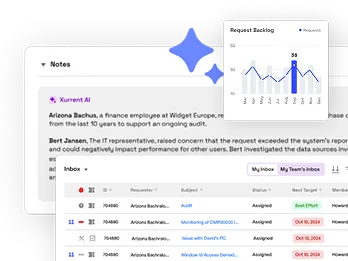
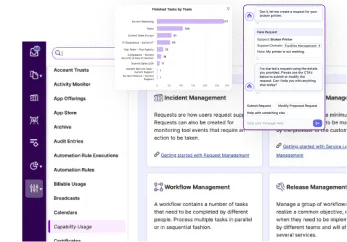
Unifiy IT, HR, Facilities, Finance, and more on a single, AI-powered service platform.
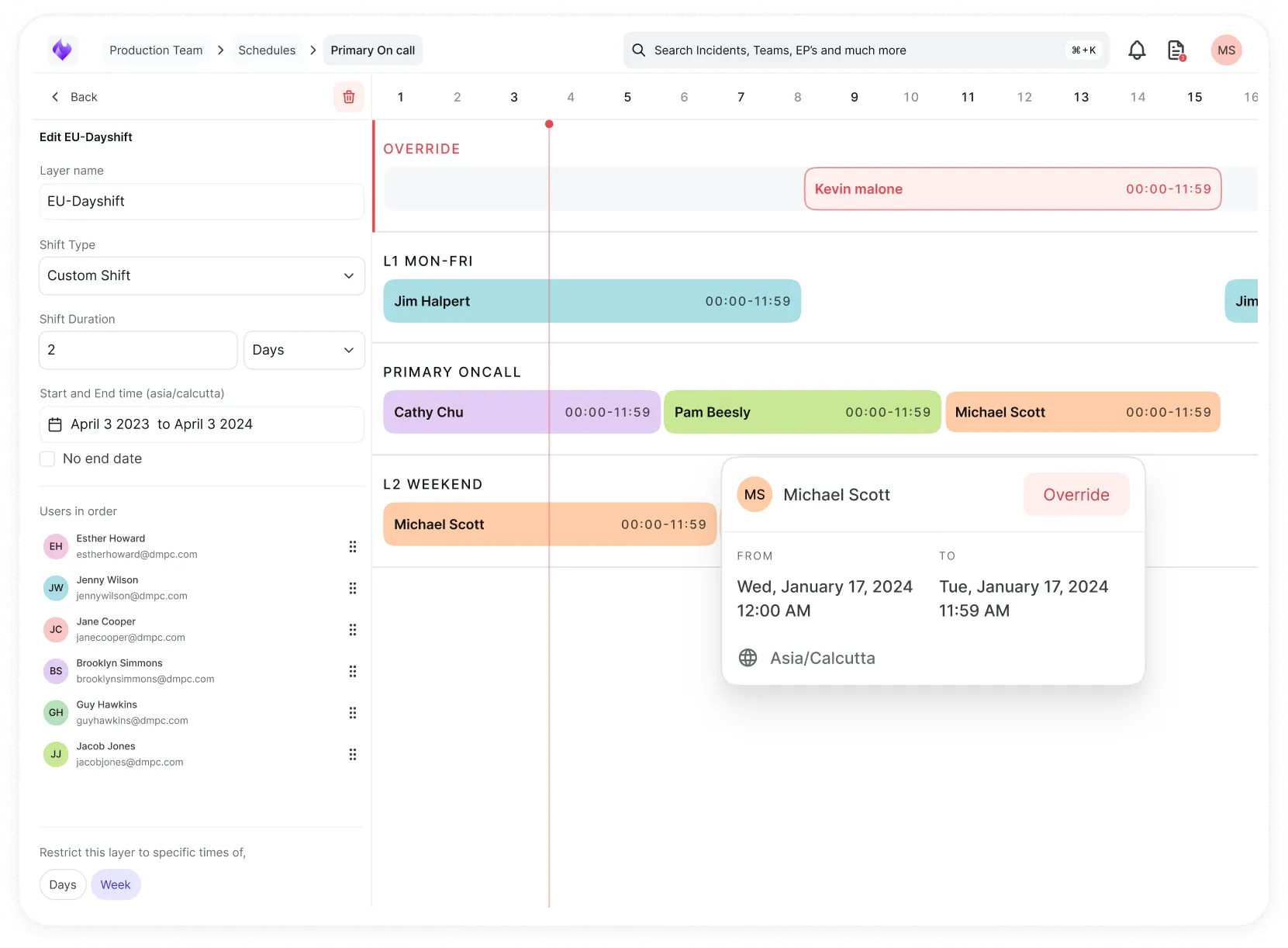
Simplify on-call scheduling, automate escalations, and reduce burnout.
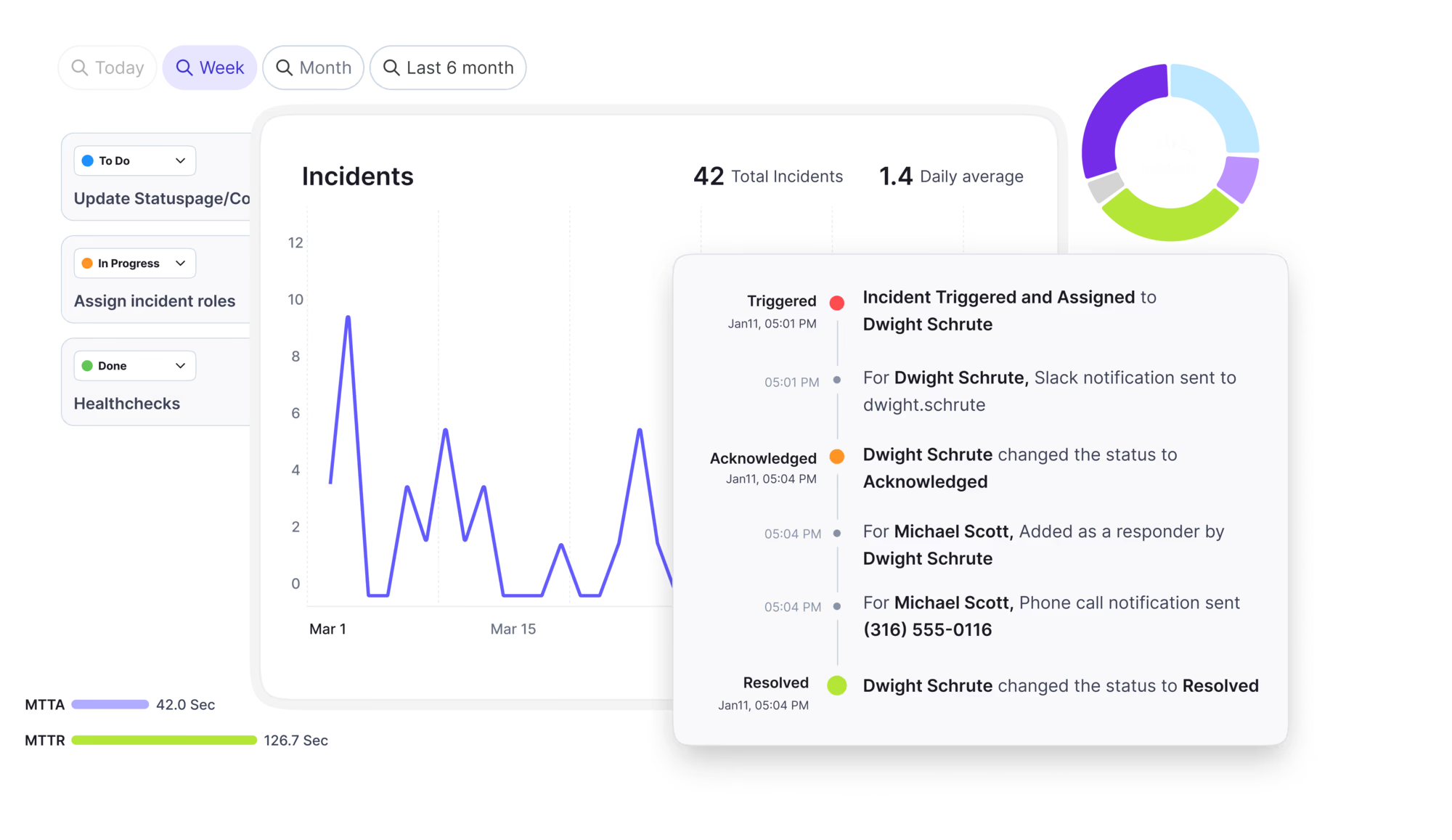
Automate postmortems, AI summaries, and post-incident workflows
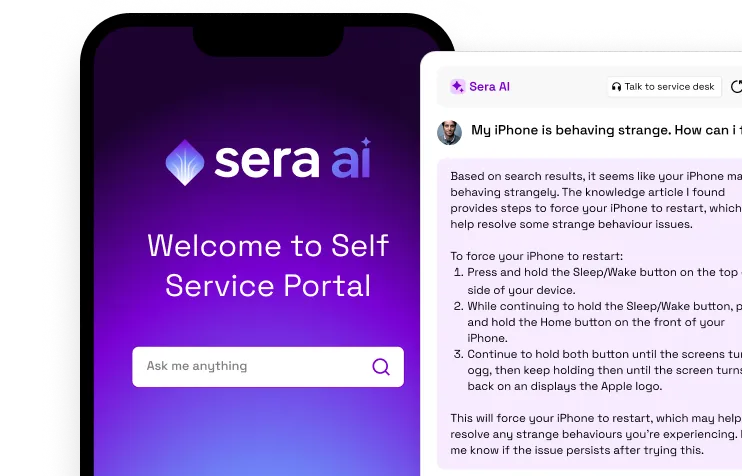
Create, organize, and continuously improve your knowledge base to find the right answers with Sera AI.
We're here to help

The integration with Atlassian Jira using the Xurrent Integration Service is

The integration with Atlassian Jira using the Xurrent Integration Service is

The integration with Atlassian Jira using the Xurrent Integration Service is

The integration with Atlassian Jira using the Xurrent Integration Service is

The integration with Atlassian Jira using the Xurrent Integration Service is

The integration with Atlassian Jira using the Xurrent Integration Service is

The integration with Atlassian Jira using the Xurrent Integration Service is

The integration with Atlassian Jira using the Xurrent Integration Service is
Resolve issues quickly with an AI-powered system that automates ticketing.
Unifiy IT, HR, Facilities, Finance, and more on a single, AI-powered service platform.
Simplify on-call scheduling, automate escalations, and reduce burnout.
Automate postmortems, AI summaries, and post-incident workflows
Create, organize, and continuously improve your knowledge base to find the right answers with Sera AI.
Resolve plant floor and IT issues before they disrupt production.
Stay audit-ready while resolving issues and reducing operational risk.

Detect, respond, and resolve incidents fast to cut downtime and MTTR.

Keep your store online, even during your biggest sales moments.

Protect patient data and resolve issues fast, so care teams stay focused on care.
Standardize service delivery across every store and channel.

We are here to help 24/7

Connect with other Xurrent Users

Get insights and tips on how to get the most out of Xurrent

Apps, APIs, and updates

Xurrent service functionality

Eliminate manual tasks, optimize workflows, and deliver faster resolutions.
Learn how organizations have reduced downtime, improved 50% MTTA & MTTR, and cut costs with Xurrent IMR.
Discover Xurrent IMR's quick support, bidirectional integrations with Jira and Slack, and more cohesive incident response capabilities compared to Opsgenie.
Understand why users value Xurrent IMR for its intuitive interface, efficient incident alerting, customizable On-call schedules, and escalations.
ESM (Enterprise Service Management) extends IT Service Management (ITSM) principles—structured workflows, service catalogs, SLA tracking, and request fulfillment—to non-IT departments such as HR, Facilities, Finance, Legal, and Marketing. Instead of limiting service management practices to the IT service desk, ESM applies the same proven frameworks (often rooted in ITIL) across the entire organization, enabling any department to deliver services through standardized intake, routing, approval, and resolution processes. The goal is to centralize service delivery on a unified platform where employees submit requests, track progress, and access knowledge regardless of which department owns the service. ESM platforms typically provide department-specific service catalogs, branded self-service portals, configurable workflows, and shared capabilities like SLA management, knowledge bases, and reporting—all while maintaining the same governance and automation that made ITSM successful.
ESM matters because fragmented, department-specific tools create inefficiency, inconsistent service quality, and poor visibility into cross-functional work. When HR uses one system for onboarding, Facilities uses another for workspace requests, and Finance uses spreadsheets for procurement approvals, employees face confusion, delays, and duplicated effort. ESM eliminates these silos by providing a single service fabric where all departments operate under consistent processes, shared SLAs, and unified reporting. This improves employee experience by offering one portal for all service requests, reduces manual handoffs through automated workflows, and enables leadership to measure service performance across the organization with comparable metrics. For IT teams, ESM reduces shadow IT by giving other departments a legitimate, governed platform instead of forcing them to adopt unsanctioned tools. For compliance-heavy industries, ESM provides audit trails, approval chains, and policy enforcement across every service interaction. Organizations that implement ESM typically see faster request resolution, higher employee satisfaction, lower operational costs, and better alignment between service delivery and business objectives.
ESM works by replicating the core ITSM service delivery model—intake, categorization, routing, fulfillment, and closure—and adapting it to the specific needs of each business function. The platform provides a centralized service catalog where departments publish their offerings (e.g., "Request New Hire Equipment" from IT, "Submit PTO Request" from HR, "Book Conference Room" from Facilities). Employees access these services through a self-service portal, often branded and customized per department, where they submit requests that automatically route to the appropriate team based on predefined rules. Workflows orchestrate multi-step processes, such as an onboarding request that triggers tasks in IT (provision laptop), HR (enroll in benefits), and Facilities (assign desk), with each handoff tracked and measured against SLAs. Knowledge management enables departments to publish FAQs, policies, and how-to articles, reducing repetitive requests and empowering self-service. Approvals flow through configurable chains, ensuring compliance and accountability. Reporting and analytics provide visibility into request volume, resolution times, SLA adherence, and service quality across all departments. AI capabilities—such as intelligent routing, automated responses, and knowledge suggestions—enhance efficiency and consistency. The platform integrates with enterprise systems (ERP, HRIS, CRM) to pull data, trigger actions, and maintain a single source of truth for service interactions.
- HR Onboarding and Offboarding : A global manufacturing company uses ESM to automate employee lifecycle management, where a single onboarding request triggers coordinated tasks across IT (provision accounts and hardware), HR (benefits enrollment and training assignment), Facilities (workspace setup), and Legal (contract review). Each department tracks progress in the same system, managers receive real-time status updates, and the organization measures time-to-productivity with consistent SLA reporting.
- Facilities Work Orders and Space Management : A university deploys ESM to centralize facilities requests, enabling students, faculty, and staff to submit maintenance tickets, book event spaces, and request equipment through one portal. Requests automatically route to the appropriate facilities team (HVAC, electrical, custodial), track SLA compliance, and integrate with the campus calendar system to prevent double-booking, reducing response times by 40% and improving service transparency.
- Finance Procurement and Expense Approvals : A financial services firm implements ESM to streamline procurement workflows, where employees submit purchase requests through a service catalog, approvals route automatically based on dollar thresholds and department policies, and Finance tracks spending against budgets in real time. The system integrates with the ERP to create purchase orders, enforces compliance with vendor contracts, and provides audit-ready documentation for every transaction.
- ITSM (IT Service Management)
- Service Catalog
- Service Request Management
- SLA (Service Level Agreement)
- Knowledge Management
---

.webp)
.webp)