



Blog
Insights & updates from our experts


Resolve plant floor and IT issues before they disrupt production.

Stay audit-ready while resolving issues and reducing operational risk.
Resolve issues quickly with an AI-powered system that automates ticketing.
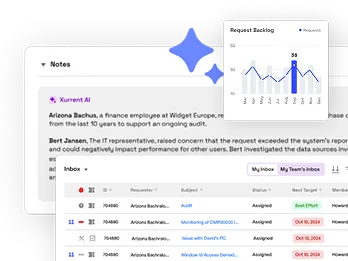
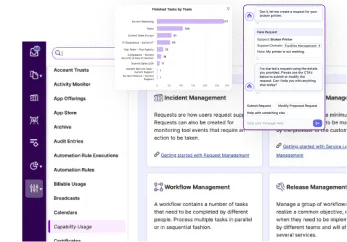
Unifiy IT, HR, Facilities, Finance, and more on a single, AI-powered service platform.
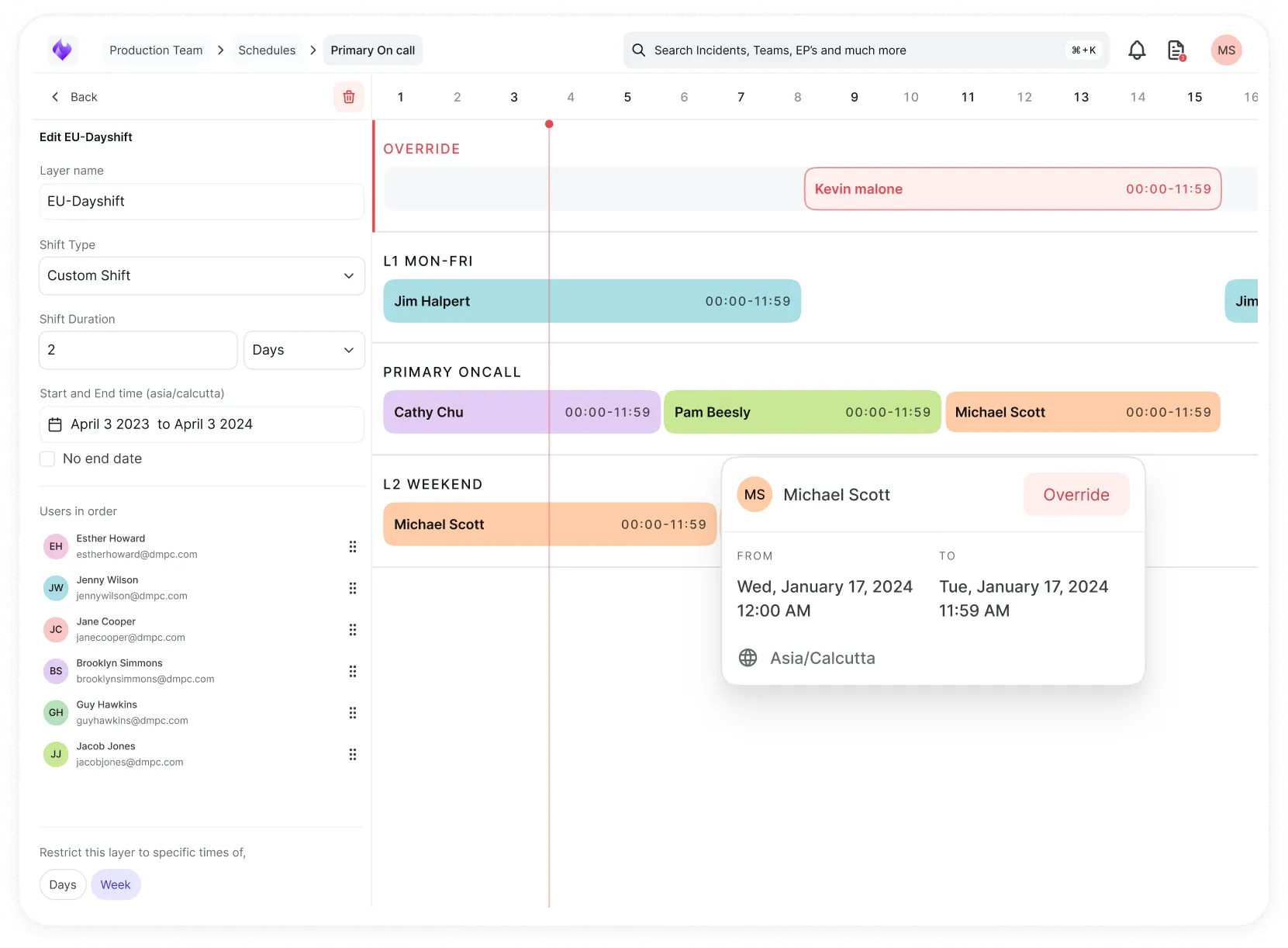
Simplify on-call scheduling, automate escalations, and reduce burnout.
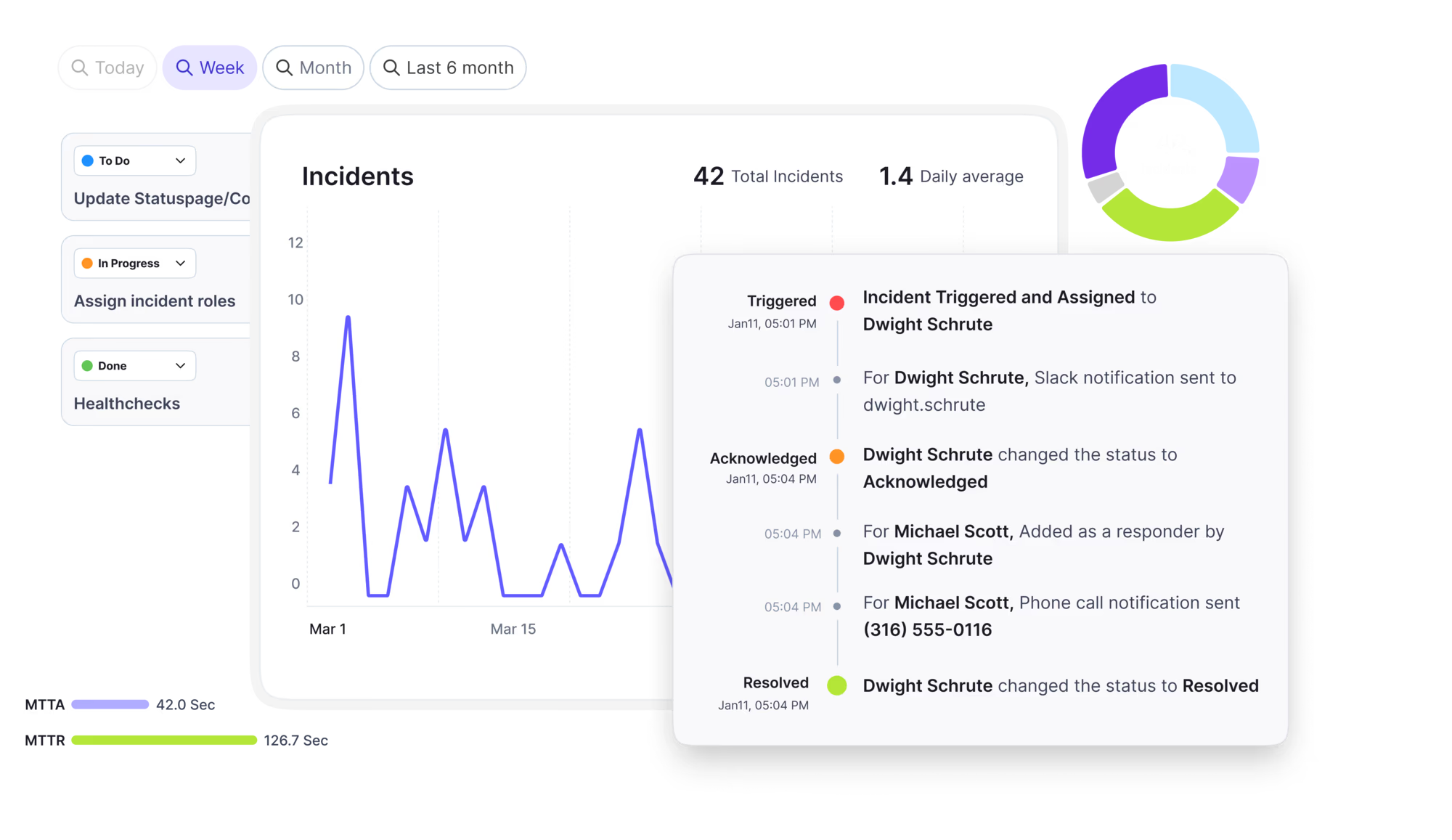
Automate postmortems, AI summaries, and post-incident workflows
Create, organize, and continuously improve your knowledge base to find the right answers with Sera AI.
We're here to help

The integration with Atlassian Jira using the Xurrent Integration Service is
The integration with Atlassian Jira using the Xurrent Integration Service is

The integration with Atlassian Jira using the Xurrent Integration Service is

The integration with Atlassian Jira using the Xurrent Integration Service is

The integration with Atlassian Jira using the Xurrent Integration Service is

The integration with Atlassian Jira using the Xurrent Integration Service is

The integration with Atlassian Jira using the Xurrent Integration Service is

The integration with Atlassian Jira using the Xurrent Integration Service is
Resolve issues quickly with an AI-powered system that automates ticketing.
Unifiy IT, HR, Facilities, Finance, and more on a single, AI-powered service platform.
Simplify on-call scheduling, automate escalations, and reduce burnout.
Automate postmortems, AI summaries, and post-incident workflows
Create, organize, and continuously improve your knowledge base to find the right answers with Sera AI.
Resolve plant floor and IT issues before they disrupt production.
Stay audit-ready while resolving issues and reducing operational risk.

Detect, respond, and resolve incidents fast to cut downtime and MTTR.

Keep your store online, even during your biggest sales moments.

Protect patient data and resolve issues fast, so care teams stay focused on care.
Standardize service delivery across every store and channel.

We are here to help 24/7

Connect with other Xurrent Users

Get insights and tips on how to get the most out of Xurrent

Apps, APIs, and updates

Xurrent service functionality

Eliminate manual tasks, optimize workflows, and deliver faster resolutions.
Learn how organizations have reduced downtime, improved 50% MTTA & MTTR, and cut costs with Xurrent IMR.
Discover Xurrent IMR's quick support, bidirectional integrations with Jira and Slack, and more cohesive incident response capabilities compared to Opsgenie.
Understand why users value Xurrent IMR for its intuitive interface, efficient incident alerting, customizable On-call schedules, and escalations.
A Digital Workplace is a unified virtual environment that consolidates the tools, applications, data, and communication channels employees need to perform their work from any location or device. Unlike traditional office setups where physical presence dictates access to resources, a Digital Workplace integrates collaboration platforms, self-service portals, workflow automation, knowledge bases, and enterprise applications into a cohesive experience that supports both remote and hybrid work models. In ITSM and ESM contexts, the Digital Workplace extends beyond simple remote access—it encompasses service catalogs, request fulfillment systems, employee onboarding workflows, and cross-departmental service delivery, enabling IT, HR, Facilities, and other functions to deliver consistent services through a single digital front door.
The Digital Workplace is not a single product but an operational strategy that brings together identity management, secure access controls, integrated communication tools, and automated service workflows. It replaces fragmented point solutions with connected systems where employees can submit requests, access knowledge articles, collaborate in real time, and receive support without switching between disconnected applications. For organizations managing ITSM and ESM platforms, the Digital Workplace becomes the primary interface through which employees interact with IT services, HR case management, facilities requests, and other enterprise functions.
The Digital Workplace directly impacts employee productivity, service delivery speed, and operational efficiency. When employees can access everything they need through a single, intuitive interface, resolution times drop, self-service adoption increases, and service desk ticket volume decreases. Organizations with mature Digital Workplace implementations report higher first-contact resolution rates, reduced time-to-productivity for new hires, and improved employee satisfaction scores because users spend less time navigating systems and more time on value-generating work.
Without a cohesive Digital Workplace, organizations face tool sprawl, inconsistent service experiences, and hidden productivity losses. Employees waste time searching for information across disconnected systems, submit duplicate requests because they can't track existing tickets, and escalate issues that could have been resolved through self-service. IT and service teams struggle with visibility gaps, manual handoffs, and fragmented data that slow incident resolution and prevent proactive service improvements. In hybrid and remote work environments, these inefficiencies compound—employees lose hours per week to access issues, authentication friction, and unclear service request processes.
The Digital Workplace also strengthens security and compliance by centralizing access controls, enforcing consistent authentication policies, and providing audit trails across all service interactions. Organizations can manage identity and access management (IAM) more effectively, ensure data protection standards are met, and maintain compliance with regulations like GDPR and ISO 20000 through unified governance rather than per-application enforcement.
The Digital Workplace operates through several integrated layers that work together to deliver a seamless employee experience. At the foundation is an identity and access management layer that authenticates users and controls permissions across all connected systems. Single sign-on (SSO) allows employees to access multiple applications with one set of credentials, while role-based access controls ensure users see only the tools and data relevant to their job functions.
Above this sits the service delivery layer, typically built on ITSM and ESM platforms that provide service catalogs, request management, incident tracking, and knowledge management. Employees interact with this layer through self-service portals where they can browse available services, submit requests, track ticket status, and search knowledge articles. Workflow automation routes requests to the appropriate teams, triggers approvals, and orchestrates multi-step processes like employee onboarding or equipment provisioning without manual intervention.
The collaboration and communication layer integrates tools like Microsoft Teams, Slack, or Zoom directly into the Digital Workplace, enabling employees to communicate, share files, and collaborate on projects without leaving the primary interface. This layer often includes ChatOps capabilities where employees can interact with service systems through chat commands, and virtual agents powered by AI that handle routine inquiries and guide users to relevant resources.
Finally, the analytics and insights layer monitors usage patterns, tracks service performance metrics, and identifies opportunities for improvement. IT leaders can see which services are most requested, where bottlenecks occur, and how effectively self-service is reducing ticket volume. This data feeds continuous improvement cycles that refine workflows, update knowledge content, and optimize the employee experience over time.
- Global manufacturing company implements a Digital Workplace that unifies IT service requests, HR case management, and facilities work orders into a single portal. Employees in 15 countries access the same interface in their local language, submit equipment requests that automatically route to regional procurement teams, and track onboarding tasks through automated workflows. The company reduced average request fulfillment time by 40% and increased self-service resolution from 25% to 60% within six months.
- Financial services firm deploys a Digital Workplace for its hybrid workforce that integrates secure remote access, collaboration tools, and service management. Employees authenticate once through SSO and gain access to trading platforms, compliance documentation, internal knowledge bases, and IT support—all with audit trails that meet regulatory requirements. The firm cut password reset tickets by 70% and improved compliance audit preparation time by eliminating manual access reviews across disconnected systems.
- Healthcare organization builds a Digital Workplace that connects clinical staff, administrative employees, and IT support across multiple hospital locations. Nurses access patient systems, submit equipment repair requests, and receive shift communications through a unified mobile interface. IT teams use the same platform to manage incidents, coordinate on-call schedules, and publish service status updates. The organization reduced clinical staff downtime from IT issues by 35% and improved incident response coordination during critical system outages.
- Enterprise Service Management (ESM)
- Self-Service Portal
- Service Catalog
- Workflow Automation
- Knowledge Management
---

.webp)
.webp)