




Blog
Insights & updates from our experts


Resolve plant floor and IT issues before they disrupt production.

Stay audit-ready while resolving issues and reducing operational risk.
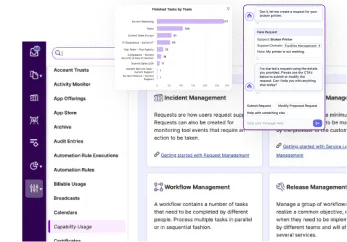
Resolve issues quickly with an AI-powered system that automates ticketing.
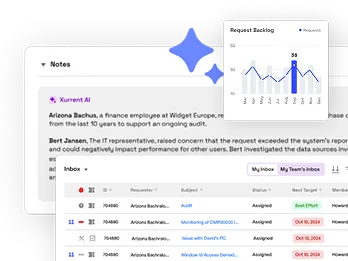
Unifiy IT, HR, Facilities, Finance, and more on a single, AI-powered service platform.
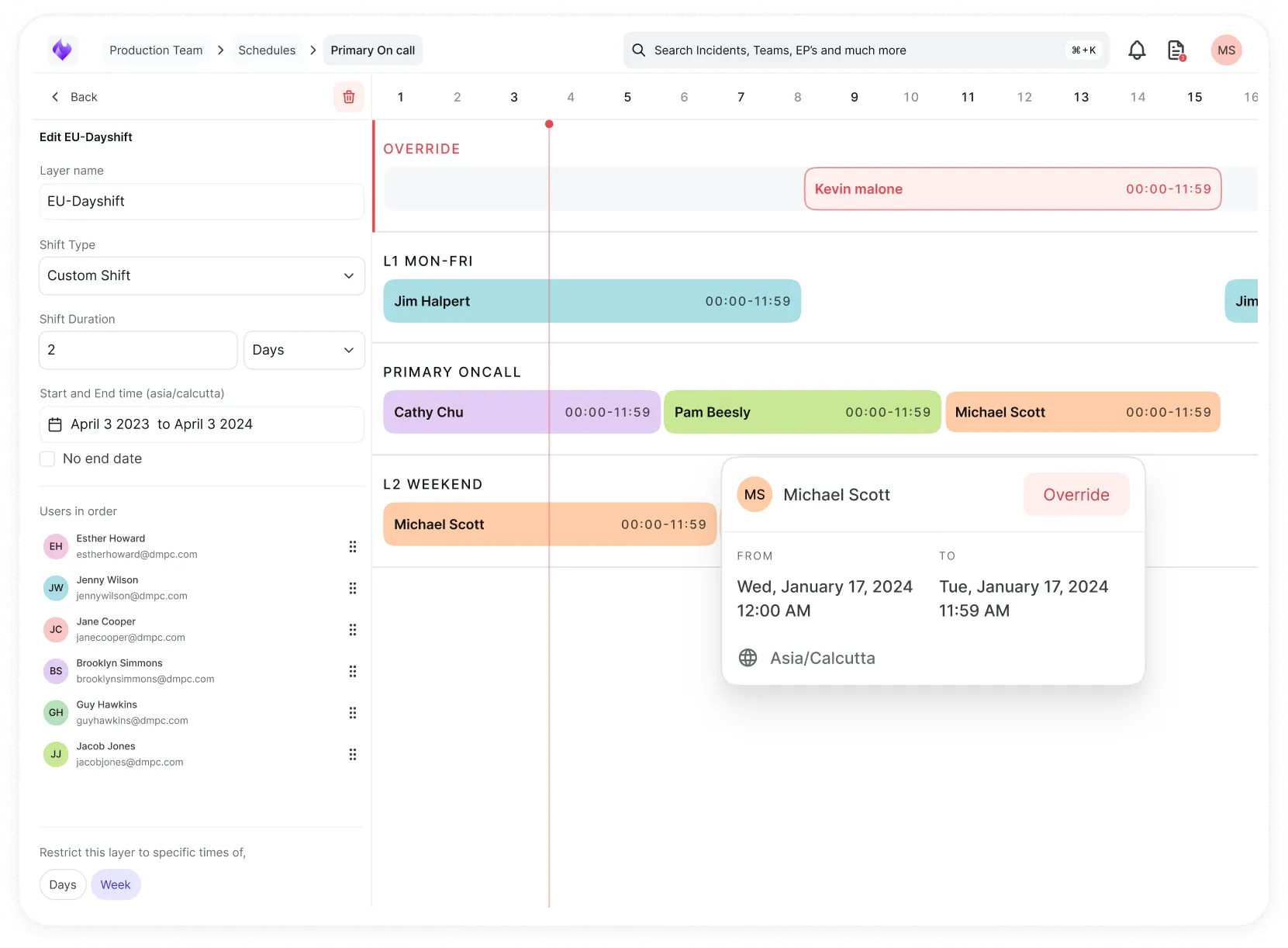
Simplify on-call scheduling, automate escalations, and reduce burnout.
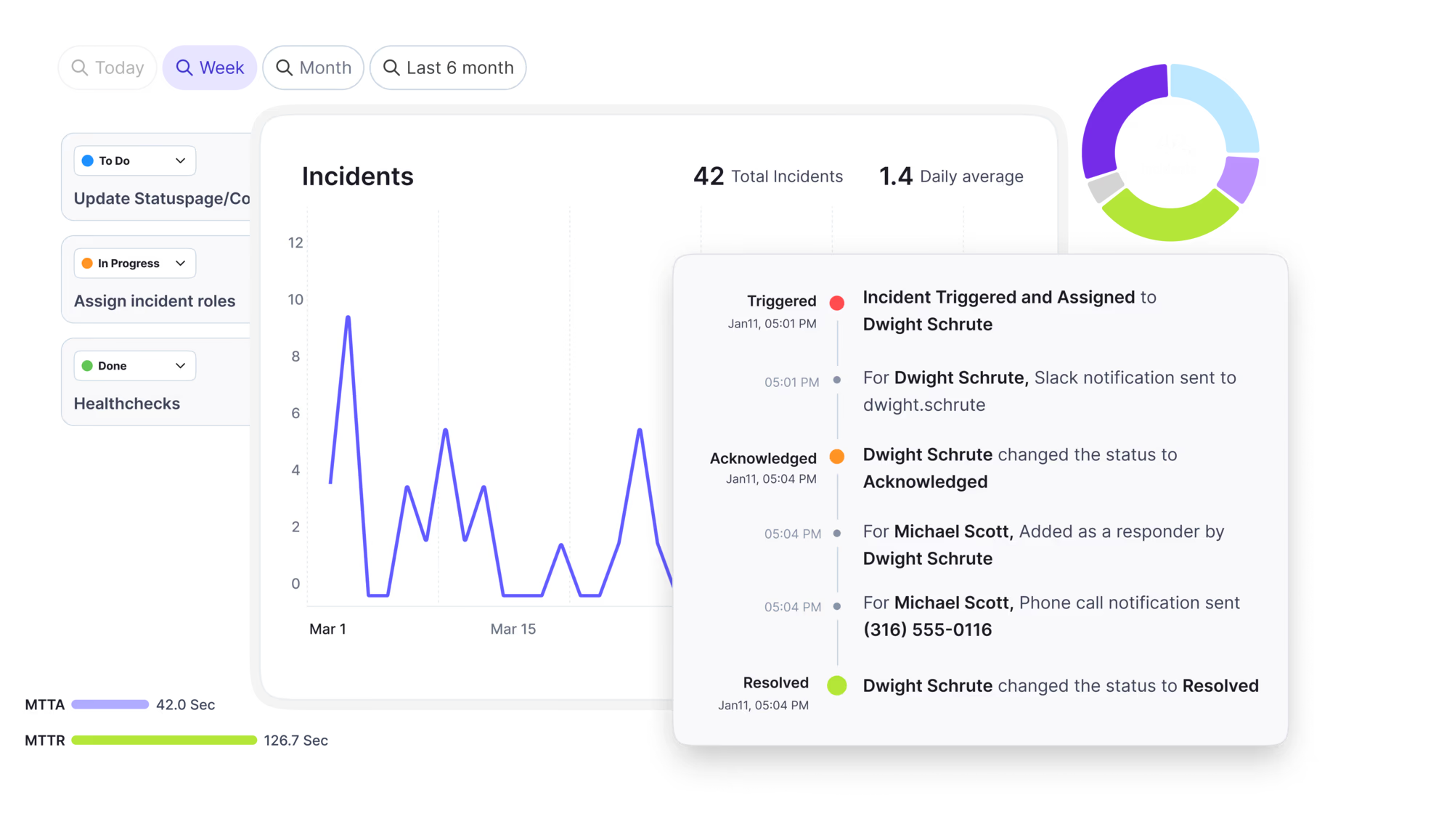
Automate postmortems, AI summaries, and post-incident workflows
Create, organize, and continuously improve your knowledge base to find the right answers with Sera AI.
We're here to help

The integration with Atlassian Jira using the Xurrent Integration Service is

The integration with Atlassian Jira using the Xurrent Integration Service is

The integration with Atlassian Jira using the Xurrent Integration Service is

The integration with Atlassian Jira using the Xurrent Integration Service is

The integration with Atlassian Jira using the Xurrent Integration Service is

The integration with Atlassian Jira using the Xurrent Integration Service is

The integration with Atlassian Jira using the Xurrent Integration Service is

The integration with Atlassian Jira using the Xurrent Integration Service is
Resolve issues quickly with an AI-powered system that automates ticketing.
Unifiy IT, HR, Facilities, Finance, and more on a single, AI-powered service platform.
Simplify on-call scheduling, automate escalations, and reduce burnout.
Automate postmortems, AI summaries, and post-incident workflows
Create, organize, and continuously improve your knowledge base to find the right answers with Sera AI.
Resolve plant floor and IT issues before they disrupt production.
Stay audit-ready while resolving issues and reducing operational risk.

Detect, respond, and resolve incidents fast to cut downtime and MTTR.

Keep your store online, even during your biggest sales moments.

Protect patient data and resolve issues fast, so care teams stay focused on care.

Standardize service delivery across every store and channel.

We are here to help 24/7

Connect with other Xurrent Users

Get insights and tips on how to get the most out of Xurrent

Apps, APIs, and updates

Xurrent service functionality

Eliminate manual tasks, optimize workflows, and deliver faster resolutions.
Learn how organizations have reduced downtime, improved 50% MTTA & MTTR, and cut costs with Xurrent IMR.
Discover Xurrent IMR's quick support, bidirectional integrations with Jira and Slack, and more cohesive incident response capabilities compared to Opsgenie.
Understand why users value Xurrent IMR for its intuitive interface, efficient incident alerting, customizable On-call schedules, and escalations.

A customer once asked us to build something highly specific. A one-off feature, custom to their business, that would never apply to anyone else. We said no.
They left for a vendor who said yes.
The demo they got was great. The system that got built was so heavily customized around their unique request that when it came time to move from testing into production, the data transition broke. The whole thing fell apart. They lost confidence in that vendor and came back to Xurrent, where they remain a customer today.
This is not a rare story. It is close to a composite of what we hear, again and again, from organizations that have switched ITSM platforms more than once. The grass is not always greener on the other side, and the vendor willing to say no to over-customization might be protecting you from exactly this outcome.
Buying ITSM software is not really a purchase. It's the start of a multi-year relationship, and most buyers evaluate it like a transaction instead. Feature comparisons dominate the evaluation process because features are easy to see and score. What's much harder to see in a 45-minute demo is what happens after the contract is signed: how support actually responds at 2 a.m., whether the roadmap moves when you ask it to, what an upgrade feels like eighteen months in.
Those are the things that show up later, usually at the worst possible time. Here are 25 questions worth asking before they do.
Every vendor will show you flexibility in a demo. Fewer will tell you where their flexibility ends, and that boundary matters more than the flexibility itself.
Xurrent ships product updates on a weekly cadence, with changes released to a QA environment first so customers can review them and shape what ships before it reaches production. That is a meaningfully different experience from a vendor that upgrades once or twice a year.
Xurrent doesn't publish fixed pricing tiers because plans are built around each organization's needs, and the company has said its licensing is designed to avoid surprise overage penalties if a team temporarily exceeds its user count. That's a useful contrast to ask about directly.
A platform built primarily for 50,000-seat global enterprises tends to carry assumptions that don't fit a 1,000-person IT team, and vice versa. Xurrent has been recognized on industry lists specifically for how its roadmap is built around midsize organizational needs, which is a different design center than platforms built for the largest enterprises first.
Every ITSM platform on the market can mostly check the same feature boxes. What separates a good five-year relationship from a bad one rarely shows up in a demo. It shows up in how a vendor responds to your requests, how seamless your interactions are, and whether your feedback changes anything.
Ask these questions before you sign. The answers you get, and the ones a vendor avoids, will tell you more than any feature walkthrough ever could.
Want a closer look at how Xurrent approaches implementation and long-term partnership? Explore Xurrent's customer success stories.

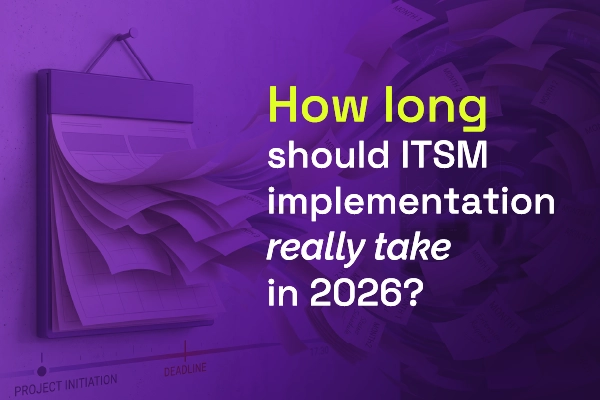
Most vendors will tell you ITSM implementation takes six months to a year — but modern, configuration-first platforms have rewritten the math entirely. See what real implementations look like in 2026, and why a long rollout is now a choice, not a given.
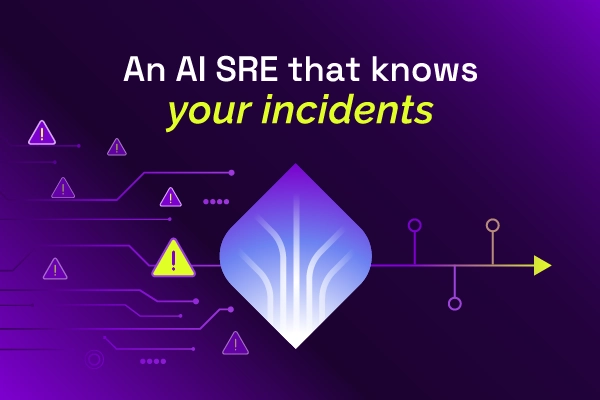
Most AI SREs are pattern matchers trained on public data. They know what a memory leak looks like in the abstract. They don't know that your payments-api has a flaky liveness probe everyone ignores, that the checkout team owns the retry policy, or that the last three "database incidents" were actually cache misconfigurations. That knowledge lives in your postmortems, your Slack channels, and the heads of two senior engineers.
Most vendors will tell you ITSM implementation takes six months to a year — but modern, configuration-first platforms have rewritten the math entirely. See what real implementations look like in 2026, and why a long rollout is now a choice, not a given.
.webp)
.webp)
.webp)