




Blog
Insights & updates from our experts


Resolve plant floor and IT issues before they disrupt production.

Stay audit-ready while resolving issues and reducing operational risk.
Resolve issues quickly with an AI-powered system that automates ticketing.
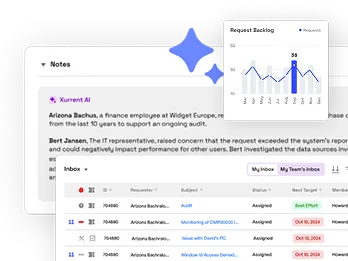
Unifiy IT, HR, Facilities, Finance, and more on a single, AI-powered service platform.
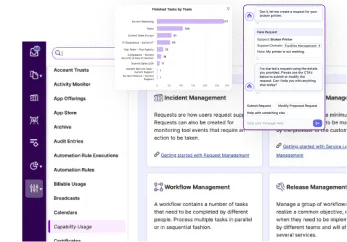
Simplify on-call scheduling, automate escalations, and reduce burnout.
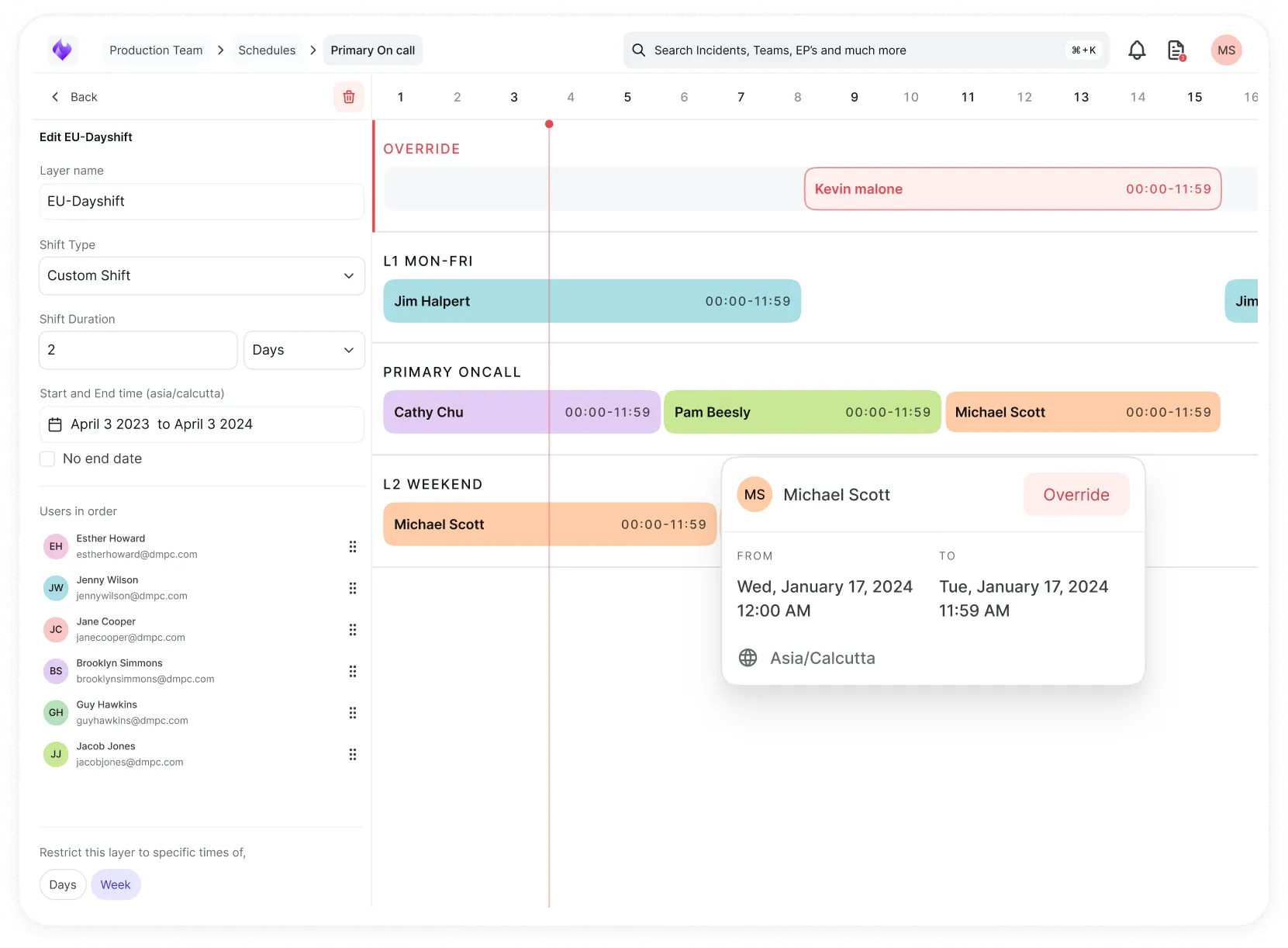
Automate postmortems, AI summaries, and post-incident workflows
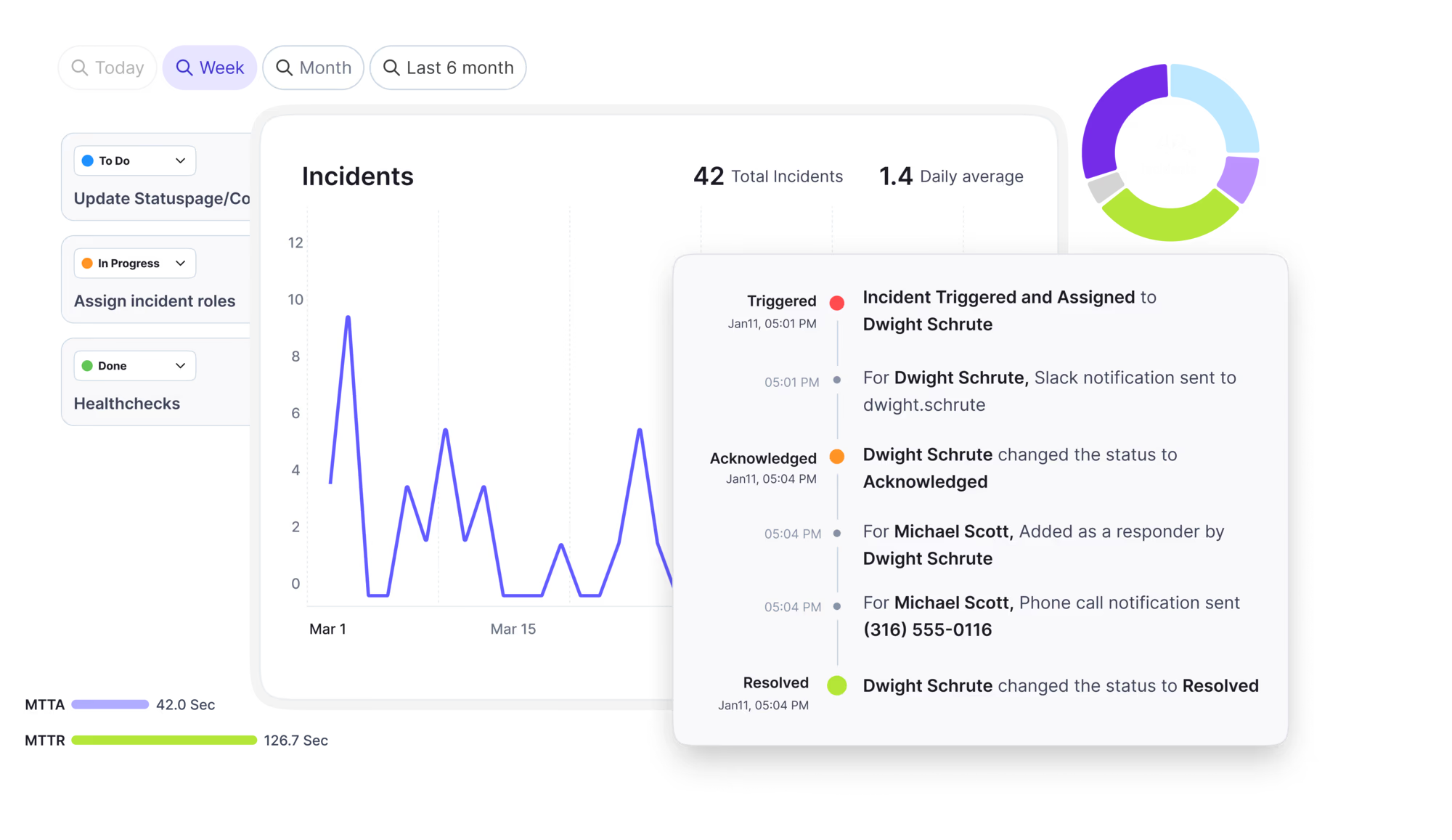
Create, organize, and continuously improve your knowledge base to find the right answers with Sera AI.
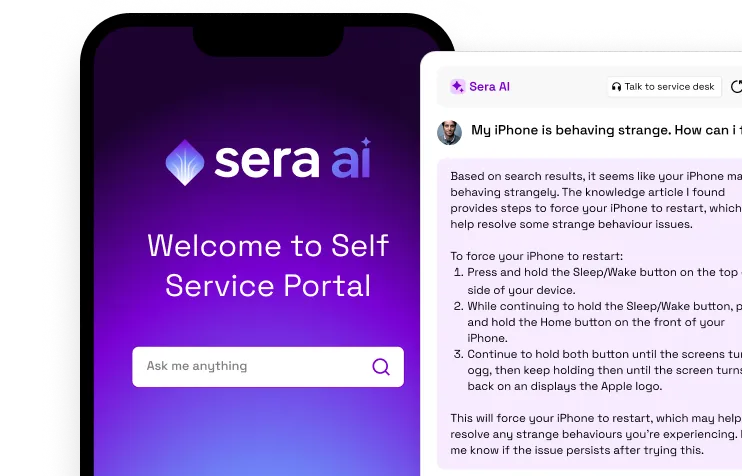
We're here to help

The integration with Atlassian Jira using the Xurrent Integration Service is

The integration with Atlassian Jira using the Xurrent Integration Service is

The integration with Atlassian Jira using the Xurrent Integration Service is

The integration with Atlassian Jira using the Xurrent Integration Service is

The integration with Atlassian Jira using the Xurrent Integration Service is

The integration with Atlassian Jira using the Xurrent Integration Service is

The integration with Atlassian Jira using the Xurrent Integration Service is

The integration with Atlassian Jira using the Xurrent Integration Service is
Resolve issues quickly with an AI-powered system that automates ticketing.
Unifiy IT, HR, Facilities, Finance, and more on a single, AI-powered service platform.
Simplify on-call scheduling, automate escalations, and reduce burnout.
Automate postmortems, AI summaries, and post-incident workflows
Create, organize, and continuously improve your knowledge base to find the right answers with Sera AI.
Resolve plant floor and IT issues before they disrupt production.
Stay audit-ready while resolving issues and reducing operational risk.

Detect, respond, and resolve incidents fast to cut downtime and MTTR.

Keep your store online, even during your biggest sales moments.

Protect patient data and resolve issues fast, so care teams stay focused on care.

Standardize service delivery across every store and channel.

We are here to help 24/7

Connect with other Xurrent Users

Get insights and tips on how to get the most out of Xurrent

Apps, APIs, and updates

Xurrent service functionality

Eliminate manual tasks, optimize workflows, and deliver faster resolutions.
Learn how organizations have reduced downtime, improved 50% MTTA & MTTR, and cut costs with Xurrent IMR.
Discover Xurrent IMR's quick support, bidirectional integrations with Jira and Slack, and more cohesive incident response capabilities compared to Opsgenie.
Understand why users value Xurrent IMR for its intuitive interface, efficient incident alerting, customizable On-call schedules, and escalations.

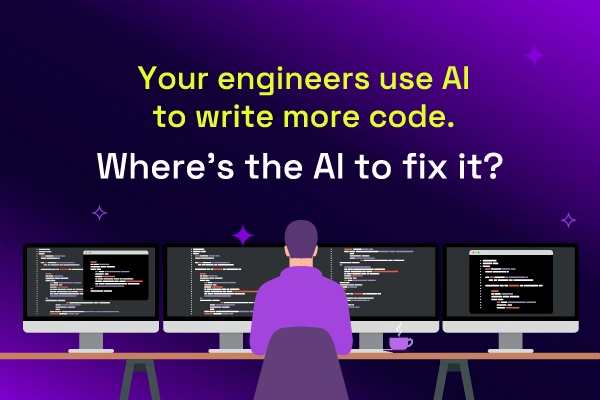
An SRE said this to me in a conversation, and it has stuck with me since: "The engineers now have AI to write code, and they're writing it three times faster than last year. Why don't I get any AI to fix the bugs all this code has generated?"
It's a fair question. And the answer is that most of the industry built AI for one half of software and left the other half where it was.
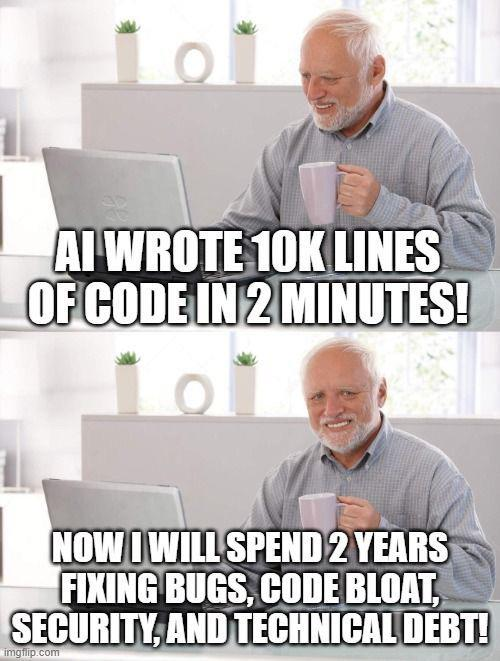
Google's 2025 DORA report found that 90% of technology professionals now use AI at work, and more than 80% say it has made them more productive. With code assistants and agents, the speed at which code gets written has changed more in eighteen months than in the decade before.
The same research found something less celebrated. Higher AI adoption is associated with an increase in both delivery throughput and delivery instability. More code ships, and more of it breaks.
That second finding lands on one group of people: the ones carrying the pager.
Writing code starts from intent. You know what you want; the AI helps you get there faster. Fixing an incident starts from a symptom. Something is wrong, you don't know what, and the clock is running. The work is investigation: what changed, where, and why the thing that alerted may not be the thing that broke.
That's why toil hasn't fallen the way people expected. Catchpoint's SRE Report 2025 found median time spent on toil rose from 25% to 30%, the first increase in five years. Their own researchers said the expectation had been that AI would reduce toil, not add to it.
The tools pointed at incidents mostly did one of two things. They summarised the alert you'd already read. Or they promised autonomy that no responsible team would switch on in production.
If you design AI for the people who keep production up, three things matter more than anything else.
It has to know your systems, not the internet.
A general model has read the public web and none of your incidents. Most of what breaks has broken before, in a way specific to your architecture. DORA's own guidance is to connect AI directly to your internal data, because generic tools struggle with the last mile of real systems.
It has to show its work.
DORA found 30% of developers have little or no trust in AI-generated code, partly because AI tools often can't signal when they're uncertain. An engineer at 2am can't afford a confident wrong answer. They need a confidence level and the evidence behind it, so they can check it in seconds.
It has to leave the decision with the engineer.
When something goes wrong in production, a human name is on it. Good help does the legwork around the decision: gathering context, correlating changes, keeping people updated. The engineer makes the final decision.
There's a version of this story where AI makes SREs unnecessary. We don't believe it, and the people doing the job don't either.
Reliability is the hardest problem in software, and it's getting harder. Uptime Institute expects failures to increasingly come from complex interactions between systems rather than a single point of failure. That's exactly the kind of problem that needs experienced human judgment. What it doesn't need is that judgment spent opening twelve tabs and searching Slack for a thread from last March.
The goal is to give your best engineers their time back: less scrambling, more building systems that don't fall over.
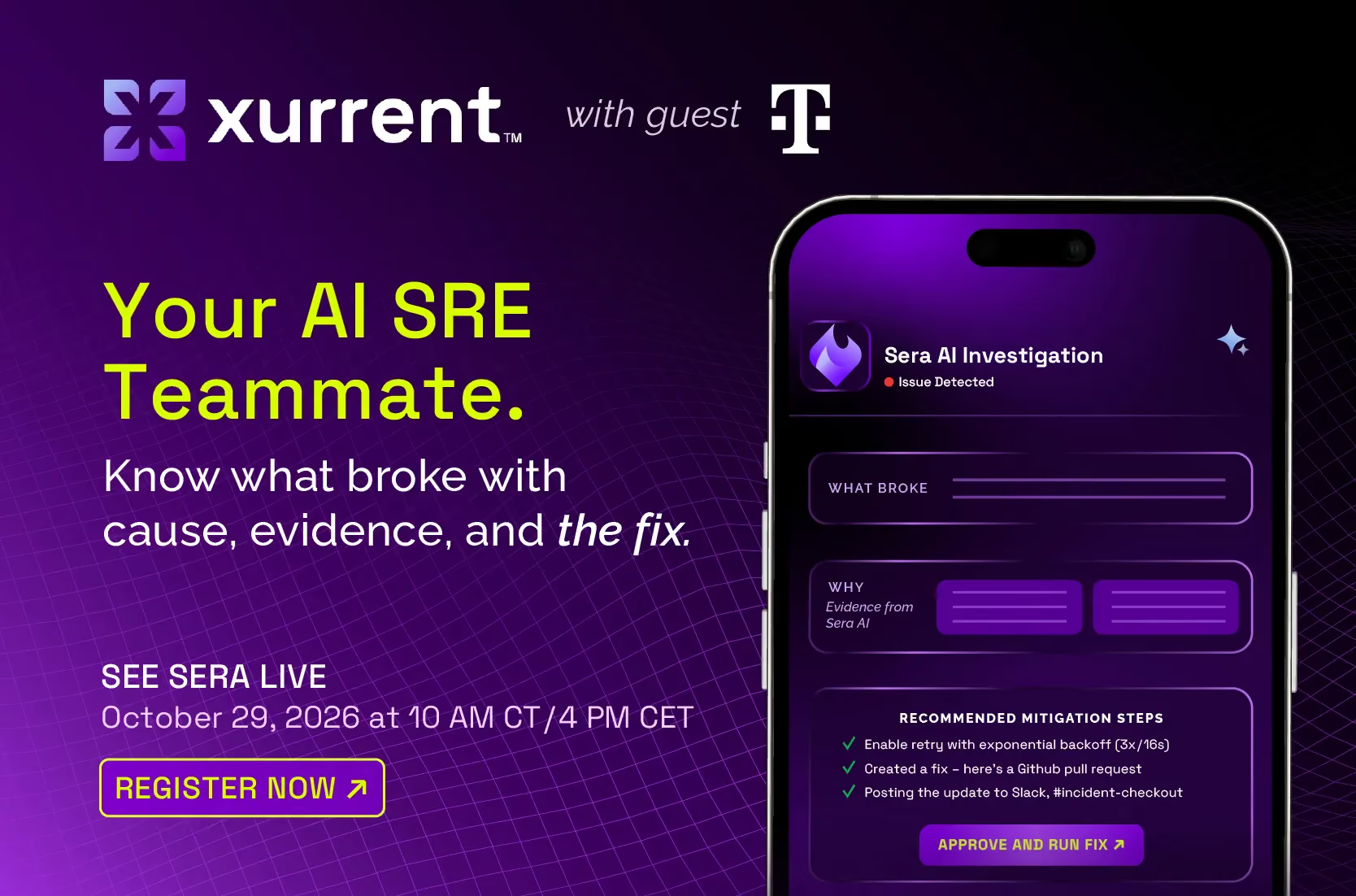
That's why we built Sera, the AI SRE teammate inside Xurrent IMR. It works the incident alongside your team: investigating the likely cause from your alerts, incident history and recent code changes, keeping stakeholders updated, answering questions, and drafting the postmortem. Your engineers make every decision.
Your engineers already have their AI. Your on-call team deserves theirs.
Sources: DORA, Balancing AI tensions, March 2026 · Catchpoint SRE Report 2025 · Uptime Institute Annual Outage Analysis 2026
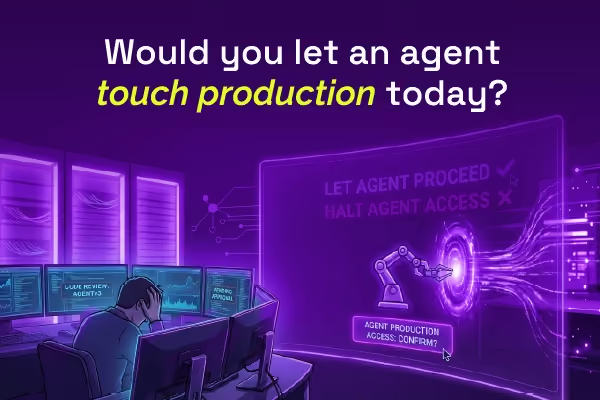
Most AI SREs are pattern matchers trained on public data. They know what a memory leak looks like in the abstract. They don't know that your payments-api has a flaky liveness probe everyone ignores, that the checkout team owns the retry policy, or that the last three "database incidents" were actually cache misconfigurations. That knowledge lives in your postmortems, your Slack channels, and the heads of two senior engineers.
Most AI SREs are pattern matchers trained on public data. They know what a memory leak looks like in the abstract. They don't know that your payments-api has a flaky liveness probe everyone ignores, that the checkout team owns the retry policy, or that the last three "database incidents" were actually cache misconfigurations. That knowledge lives in your postmortems, your Slack channels, and the heads of two senior engineers.