




Blog
Insights & updates from our experts


Resolve plant floor and IT issues before they disrupt production.

Stay audit-ready while resolving issues and reducing operational risk.
Resolve issues quickly with an AI-powered system that automates ticketing.
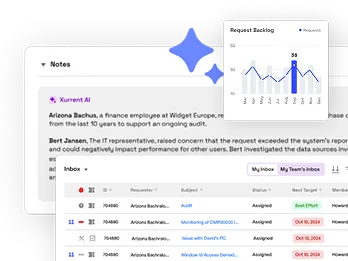
Unifiy IT, HR, Facilities, Finance, and more on a single, AI-powered service platform.
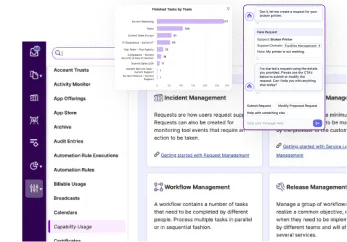
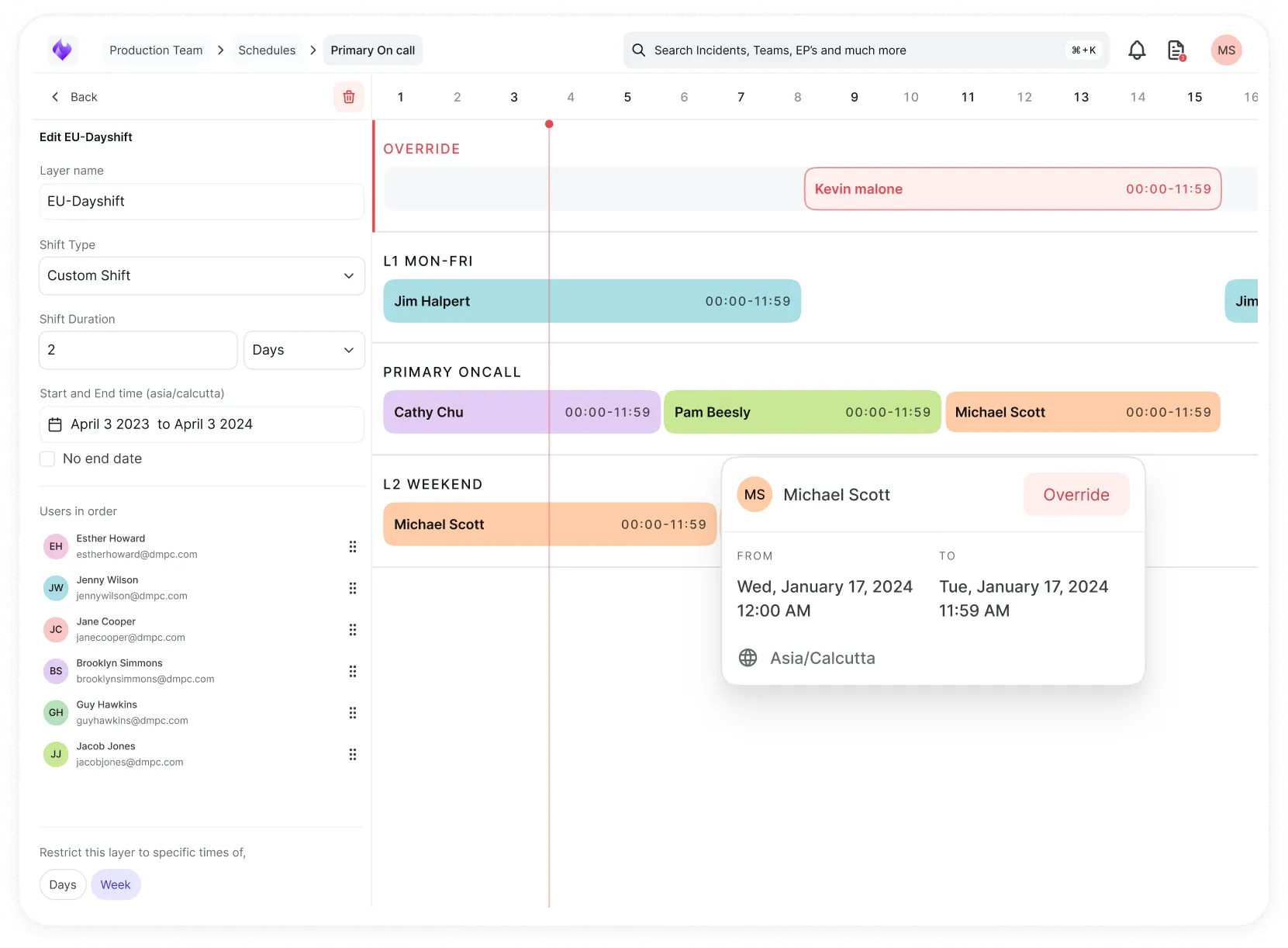
Simplify on-call scheduling, automate escalations, and reduce burnout.
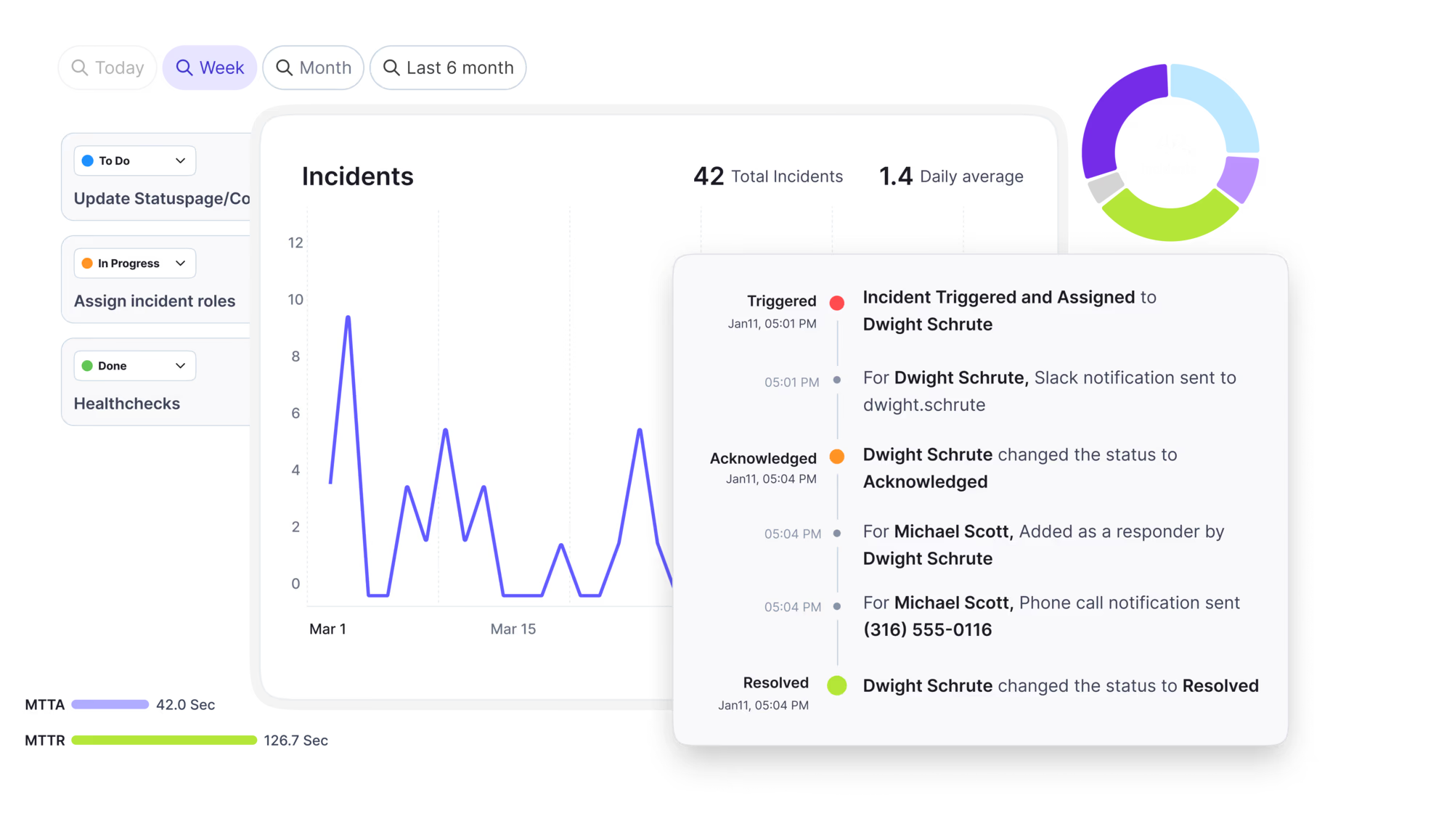
Automate postmortems, AI summaries, and post-incident workflows
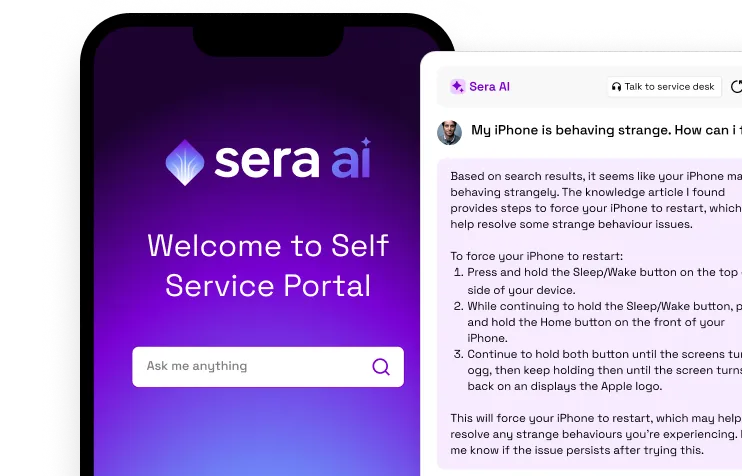
Create, organize, and continuously improve your knowledge base to find the right answers with Sera AI.
We're here to help

The integration with Atlassian Jira using the Xurrent Integration Service is

The integration with Atlassian Jira using the Xurrent Integration Service is

The integration with Atlassian Jira using the Xurrent Integration Service is

The integration with Atlassian Jira using the Xurrent Integration Service is

The integration with Atlassian Jira using the Xurrent Integration Service is

The integration with Atlassian Jira using the Xurrent Integration Service is

The integration with Atlassian Jira using the Xurrent Integration Service is

The integration with Atlassian Jira using the Xurrent Integration Service is
Resolve issues quickly with an AI-powered system that automates ticketing.
Unifiy IT, HR, Facilities, Finance, and more on a single, AI-powered service platform.
Simplify on-call scheduling, automate escalations, and reduce burnout.
Automate postmortems, AI summaries, and post-incident workflows
Create, organize, and continuously improve your knowledge base to find the right answers with Sera AI.
Resolve plant floor and IT issues before they disrupt production.
Stay audit-ready while resolving issues and reducing operational risk.

Detect, respond, and resolve incidents fast to cut downtime and MTTR.

Keep your store online, even during your biggest sales moments.

Protect patient data and resolve issues fast, so care teams stay focused on care.

Standardize service delivery across every store and channel.

We are here to help 24/7

Connect with other Xurrent Users

Get insights and tips on how to get the most out of Xurrent

Apps, APIs, and updates

Xurrent service functionality

Eliminate manual tasks, optimize workflows, and deliver faster resolutions.
Learn how organizations have reduced downtime, improved 50% MTTA & MTTR, and cut costs with Xurrent IMR.
Discover Xurrent IMR's quick support, bidirectional integrations with Jira and Slack, and more cohesive incident response capabilities compared to Opsgenie.
Understand why users value Xurrent IMR for its intuitive interface, efficient incident alerting, customizable On-call schedules, and escalations.
A Service Desk Agent is a front-line IT support professional who serves as the primary point of contact between end users and the IT organization, responsible for receiving, logging, triaging, and resolving service requests and incidents. Service Desk Agents operate within the service desk function—the single point of contact (SPOC) defined in ITIL—handling initial user interactions through channels including phone, email, chat, self-service portals, and collaboration tools. They assess urgency and impact, perform first-level troubleshooting, escalate issues beyond their scope to specialized resolver groups, and maintain accurate ticket records throughout the lifecycle of each request. The role requires both technical aptitude and communication skills, as agents must translate user-reported problems into actionable tickets, apply knowledge base articles, and provide clear status updates while adhering to SLA targets for response and resolution time.
Service Desk Agents directly influence user satisfaction, operational efficiency, and the overall effectiveness of IT service delivery. First Contact Resolution (FCR) rates—the percentage of issues resolved during the initial interaction—depend heavily on agent skill, access to knowledge, and the quality of workflows they follow. High FCR reduces ticket volume, lowers operational costs, and improves user productivity by minimizing downtime. Agents also serve as the organization's early warning system, identifying recurring issues that signal underlying problems requiring escalation to Problem Management. Poor agent performance—whether due to inadequate training, insufficient tooling, or unclear processes—results in ticket backlogs, missed SLAs, frustrated users, and increased escalation rates that burden specialized resolver teams. In ESM environments where service desks extend beyond IT to HR, Facilities, and Finance, agents become the face of enterprise service delivery, making their effectiveness critical to cross-departmental collaboration and trust.
Service Desk Agents follow a structured workflow that begins when a user submits a request or reports an incident. The agent receives the contact through an assigned channel, verifies the user's identity and entitlements, and logs the interaction as a ticket in the ITSM platform. They gather details about the issue—symptoms, affected services, business impact—and classify the ticket by category, priority, and urgency using predefined criteria. For routine requests like password resets or access provisioning, agents execute standard procedures or trigger automated workflows. For incidents, they perform initial diagnostics using runbooks, knowledge articles, or remote support tools to attempt resolution. If the issue exceeds their technical scope or requires specialized expertise, the agent escalates the ticket to a second-level support team or specific resolver group, ensuring all context and troubleshooting steps are documented. Throughout the ticket lifecycle, agents update users on progress, coordinate with resolver groups, and close tickets only after confirming resolution and user satisfaction. Performance is tracked through metrics including average handle time, FCR, CSAT scores, and SLA compliance, with continuous improvement driven by feedback loops and knowledge base updates.
- Enterprise IT Service Desk : A Service Desk Agent at a financial services firm receives a call from a trader unable to access a trading platform. The agent verifies the user's identity, checks system status, identifies a VPN connectivity issue, walks the user through reconnection steps, and resolves the incident within 8 minutes—meeting the P1 SLA for revenue-impacting issues and avoiding costly downtime.
- MSP Multi-Client Support : A Service Desk Agent working for a Managed Service Provider handles tickets from multiple client organizations through a unified portal. When a healthcare client reports slow EHR performance, the agent logs the ticket in the client's dedicated service instance, applies client-specific SLA rules, escalates to the infrastructure team with full context about HIPAA-sensitive data, and provides compliant status updates through the client's preferred communication channel.
- ESM Cross-Functional Service Desk : A Service Desk Agent in an ESM environment receives a facilities request for office equipment repair alongside IT incidents. The agent routes the facilities ticket to the appropriate resolver group, applies the correct service catalog item and approval workflow, and coordinates with both IT and Facilities teams to ensure the user receives consistent communication and timely resolution across both service domains.
- Service Desk
- Incident Management
- Service Request Management
- First Contact Resolution
- Service Catalog
---

.webp)
.webp)