





Blog
Insights & updates from our experts


Resolve plant floor and IT issues before they disrupt production.

Stay audit-ready while resolving issues and reducing operational risk.
Resolve issues quickly with an AI-powered system that automates ticketing.
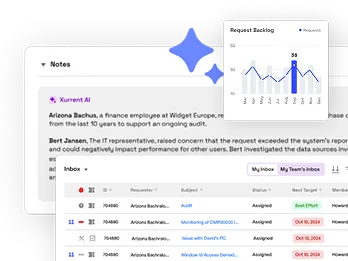
Unifiy IT, HR, Facilities, Finance, and more on a single, AI-powered service platform.
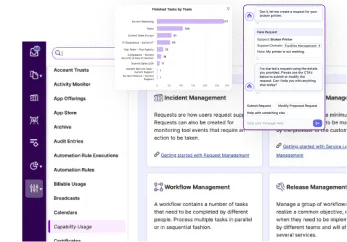
Simplify on-call scheduling, automate escalations, and reduce burnout.
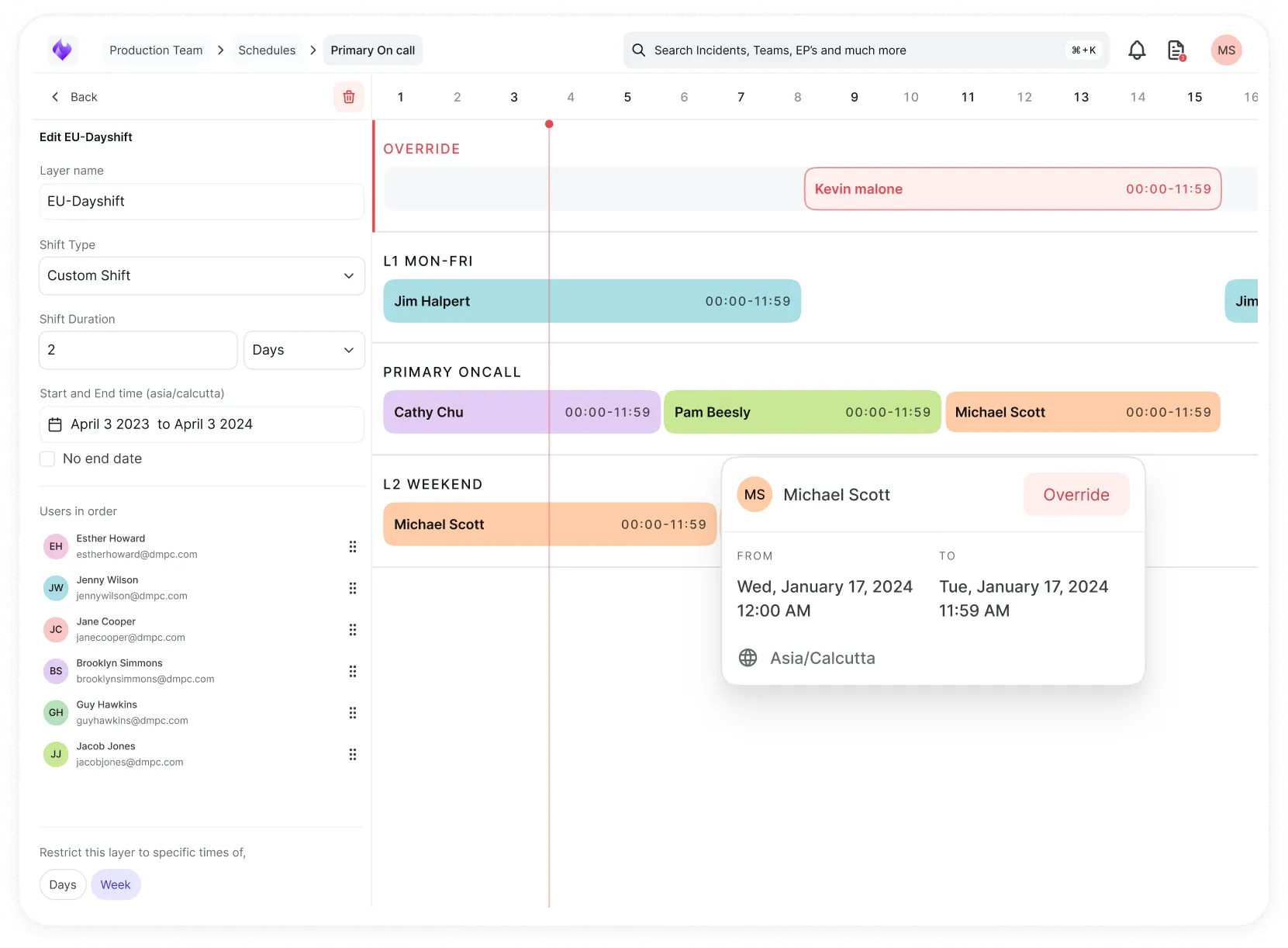
Automate postmortems, AI summaries, and post-incident workflows
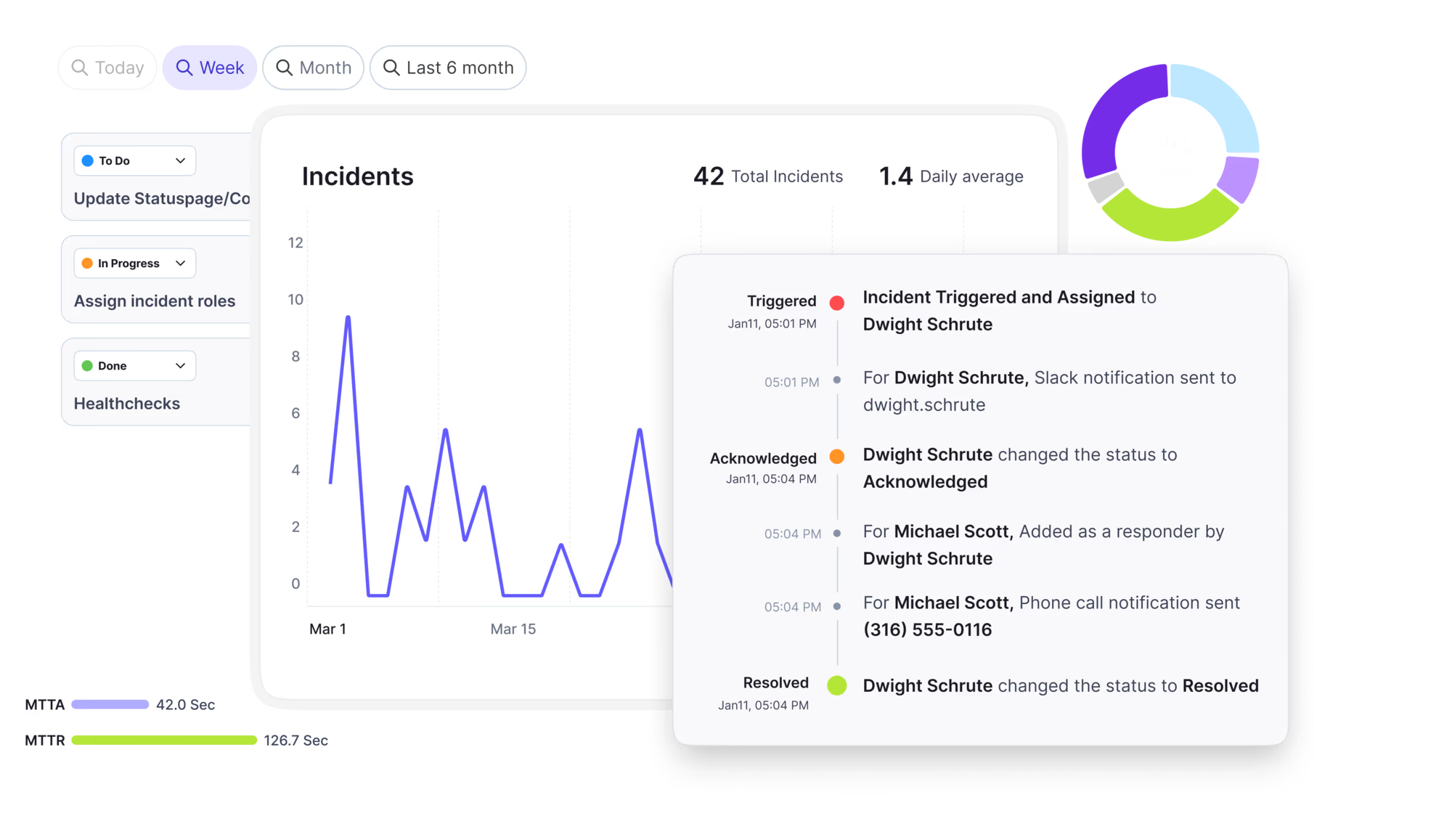
Create, organize, and continuously improve your knowledge base to find the right answers with Sera AI.
We're here to help

The integration with Atlassian Jira using the Xurrent Integration Service is

The integration with Atlassian Jira using the Xurrent Integration Service is

The integration with Atlassian Jira using the Xurrent Integration Service is

The integration with Atlassian Jira using the Xurrent Integration Service is

The integration with Atlassian Jira using the Xurrent Integration Service is

The integration with Atlassian Jira using the Xurrent Integration Service is

The integration with Atlassian Jira using the Xurrent Integration Service is

The integration with Atlassian Jira using the Xurrent Integration Service is
Resolve issues quickly with an AI-powered system that automates ticketing.
Unifiy IT, HR, Facilities, Finance, and more on a single, AI-powered service platform.
Simplify on-call scheduling, automate escalations, and reduce burnout.
Automate postmortems, AI summaries, and post-incident workflows
Create, organize, and continuously improve your knowledge base to find the right answers with Sera AI.
Resolve plant floor and IT issues before they disrupt production.
Stay audit-ready while resolving issues and reducing operational risk.

Detect, respond, and resolve incidents fast to cut downtime and MTTR.

Keep your store online, even during your biggest sales moments.

Protect patient data and resolve issues fast, so care teams stay focused on care.

Standardize service delivery across every store and channel.

We are here to help 24/7

Connect with other Xurrent Users

Get insights and tips on how to get the most out of Xurrent

Apps, APIs, and updates

Xurrent service functionality

Eliminate manual tasks, optimize workflows, and deliver faster resolutions.
Learn how organizations have reduced downtime, improved 50% MTTA & MTTR, and cut costs with Xurrent IMR.
Discover Xurrent IMR's quick support, bidirectional integrations with Jira and Slack, and more cohesive incident response capabilities compared to Opsgenie.
Understand why users value Xurrent IMR for its intuitive interface, efficient incident alerting, customizable On-call schedules, and escalations.
A service is a means of delivering value to customers by facilitating outcomes they want to achieve without owning specific costs and risks. In ITSM and ESM contexts, a service represents a structured offering—such as email access, laptop provisioning, password resets, or HR onboarding—that IT or another business function provides to internal users or external customers. Services are defined in a service catalog, governed by SLAs, and supported by underlying processes, assets, and teams. Unlike individual tasks or tickets, a service is the complete capability delivered to the end user, including availability, performance, support, and continuous improvement.
Services abstract complexity. When an employee requests a new laptop, they consume a service; they don't need to know which procurement system, asset database, or approval workflow operates behind the scenes. This abstraction allows organizations to standardize delivery, measure performance consistently, and scale operations without exposing users to operational detail.
Services are the fundamental unit of value delivery in IT and enterprise operations. Without clearly defined services, organizations struggle to measure performance, assign accountability, or communicate expectations. Users experience inconsistent support, teams duplicate effort, and leadership lacks visibility into what IT actually delivers versus what it costs.
Well-defined services enable SLA management. You can't measure uptime, response time, or resolution speed without knowing which service is being measured. Services also drive automation and self-service: a structured service catalog allows users to request what they need through a portal, triggering workflows that route, approve, and fulfill requests without manual handoffs.
For incident and problem management, services provide the context for impact assessment. When email is down, the service definition tells you how many users are affected, which business processes depend on it, and what the financial or reputational cost of downtime is. This context determines priority, escalation, and communication strategy.
Services also support financial transparency. By mapping costs to services—infrastructure, licenses, labor, vendor contracts—organizations can calculate total cost of ownership, compare internal delivery against outsourcing, and make informed investment decisions. Without service-level cost visibility, IT remains a black box.
A service is defined through several components: a service description, service owner, service catalog entry, SLA targets, supporting processes, and underlying configuration items (CIs). The service owner is accountable for performance and continuous improvement. The service catalog publishes available services to users, often with request forms, approval workflows, and fulfillment automation.
When a user requests a service, the request enters the service request management process. The system routes the request based on service definition rules—who approves, who fulfills, what steps are required. For example, requesting VPN access might trigger an automated approval from the user's manager, provisioning in the identity system, and a confirmation email, all orchestrated by the service definition.
Services are supported by underlying assets and processes tracked in a CMDB. The email service depends on mail servers, network infrastructure, DNS, and monitoring tools. When an incident affects one of these CIs, the service mapping shows which services are impacted, allowing the service desk to communicate accurately to users and prioritize restoration work.
Service level management continuously monitors service performance against SLA targets—uptime, response time, resolution time, availability windows. Breaches trigger alerts, escalations, and reviews. Over time, service performance data informs capacity planning, process improvement, and investment prioritization.
H2 Examples of Service
- Email and Collaboration Service : A mid-sized enterprise defines email as a service with 99.9% uptime, 24/7 availability, and 4-hour response time for critical issues. The service includes mailbox provisioning, spam filtering, mobile access, and calendar sharing. When a mail server fails, the incident is logged against the email service, triggering automated status page updates and prioritized response based on the service's business criticality.
- Employee Onboarding Service : An HR and IT shared service provides new hire onboarding, including laptop provisioning, account creation, access requests, and orientation scheduling. The service is defined in the ESM catalog with a 3-day fulfillment SLA. When a manager submits an onboarding request, workflows automatically route tasks to IT, facilities, and HR, track completion, and notify the hiring manager when the new employee is ready to start.
- Managed Security Service for MSPs : A managed service provider offers 24/7 security monitoring as a service to multiple clients. Each client has a dedicated service instance with defined scope (endpoints monitored, alert thresholds, response times) and SLA commitments. The MSP uses service-level reporting to demonstrate compliance, justify pricing, and identify clients who need additional security investment based on incident trends.
- Service Catalog
- Service Level Agreement
- Service Desk
- Service Owner
- Service Request Management
---

.webp)
.webp)