





Blog
Insights & updates from our experts


Resolve plant floor and IT issues before they disrupt production.

Stay audit-ready while resolving issues and reducing operational risk.
Resolve issues quickly with an AI-powered system that automates ticketing.
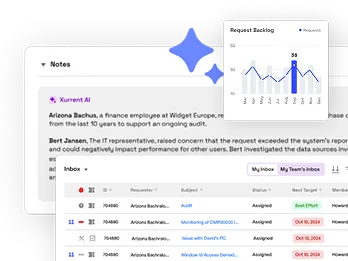
Unifiy IT, HR, Facilities, Finance, and more on a single, AI-powered service platform.
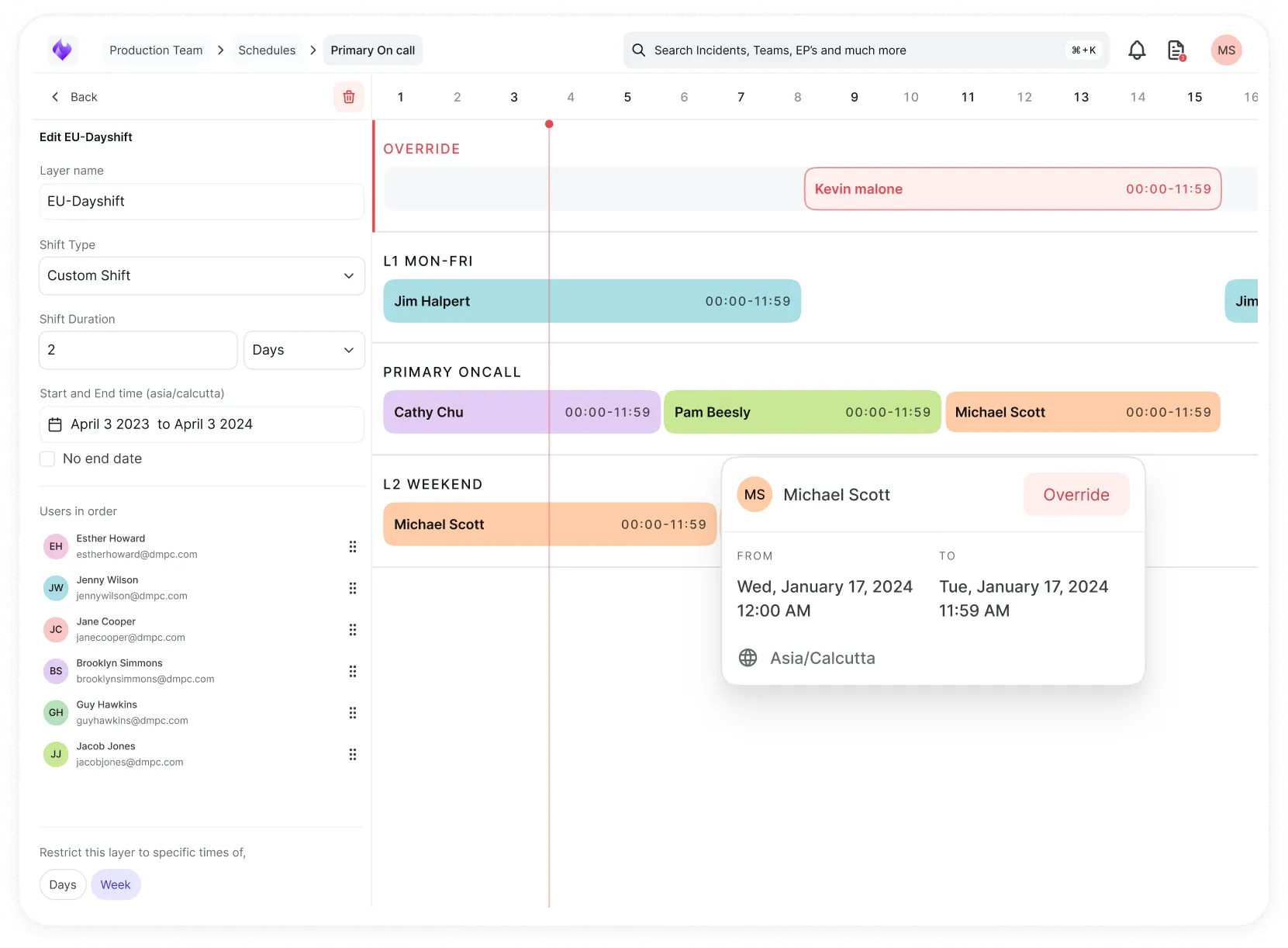
Simplify on-call scheduling, automate escalations, and reduce burnout.
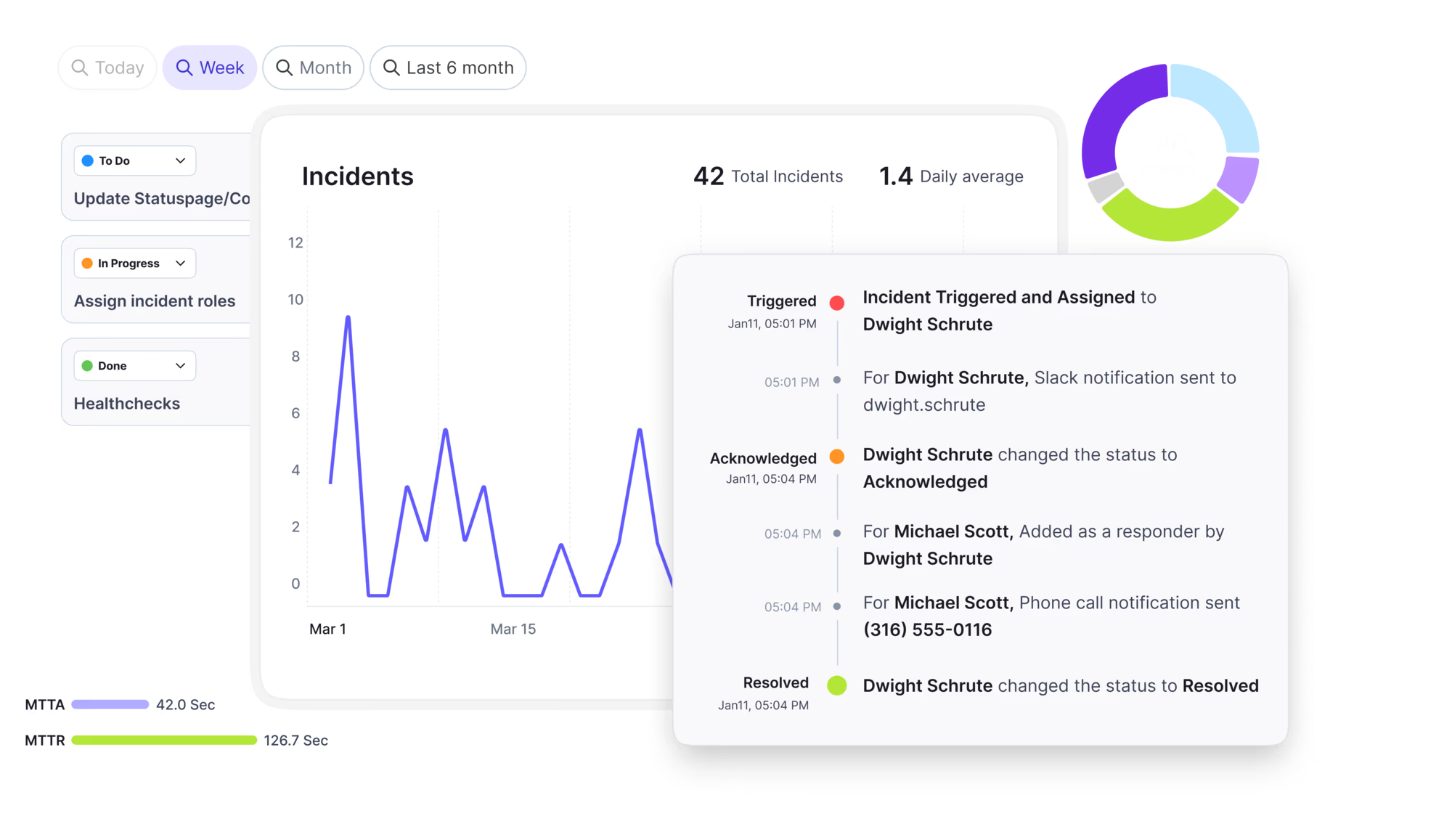
Automate postmortems, AI summaries, and post-incident workflows
Create, organize, and continuously improve your knowledge base to find the right answers with Sera AI.

We're here to help

The integration with Atlassian Jira using the Xurrent Integration Service is

The integration with Atlassian Jira using the Xurrent Integration Service is

The integration with Atlassian Jira using the Xurrent Integration Service is

The integration with Atlassian Jira using the Xurrent Integration Service is

The integration with Atlassian Jira using the Xurrent Integration Service is

The integration with Atlassian Jira using the Xurrent Integration Service is

The integration with Atlassian Jira using the Xurrent Integration Service is

The integration with Atlassian Jira using the Xurrent Integration Service is
Resolve issues quickly with an AI-powered system that automates ticketing.
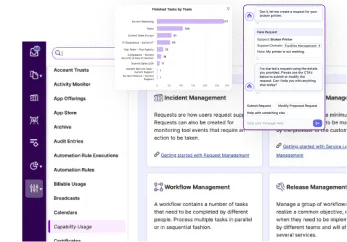
Unifiy IT, HR, Facilities, Finance, and more on a single, AI-powered service platform.
Simplify on-call scheduling, automate escalations, and reduce burnout.
Automate postmortems, AI summaries, and post-incident workflows
Create, organize, and continuously improve your knowledge base to find the right answers with Sera AI.
Resolve plant floor and IT issues before they disrupt production.
Stay audit-ready while resolving issues and reducing operational risk.

Detect, respond, and resolve incidents fast to cut downtime and MTTR.

Keep your store online, even during your biggest sales moments.

Protect patient data and resolve issues fast, so care teams stay focused on care.

Standardize service delivery across every store and channel.

We are here to help 24/7

Connect with other Xurrent Users

Get insights and tips on how to get the most out of Xurrent

Apps, APIs, and updates

Xurrent service functionality

Eliminate manual tasks, optimize workflows, and deliver faster resolutions.
Learn how organizations have reduced downtime, improved 50% MTTA & MTTR, and cut costs with Xurrent IMR.
Discover Xurrent IMR's quick support, bidirectional integrations with Jira and Slack, and more cohesive incident response capabilities compared to Opsgenie.
Understand why users value Xurrent IMR for its intuitive interface, efficient incident alerting, customizable On-call schedules, and escalations.
What Is Release Management?
Release Management is the ITSM process that plans, schedules, and controls the movement of software releases—including new features, updates, patches, and configuration changes—from development through testing into production environments. The process coordinates all activities required to build, test, package, and deploy changes while minimizing risk to live services and ensuring that every release meets quality, security, and compliance requirements. Release Management operates as the bridge between Change Management (which approves what changes) and Deployment Management (which executes the technical installation), orchestrating cross-functional teams, managing dependencies, and maintaining a controlled release schedule that balances business demand with operational stability.
Why Release Management Matters
Without structured Release Management, organizations face chaotic deployments, failed changes, extended outages, and uncoordinated rollbacks that erode customer trust and drain engineering resources. A disciplined release process reduces deployment failures by ensuring that every change is tested in staging environments, documented with rollback procedures, and scheduled during maintenance windows that minimize business impact. For ITIL-aligned service desks, Release Management provides the audit trail and approval gates required for SOC 2, ISO 27001, and regulatory compliance, while for DevOps and SRE teams, it enables high-velocity continuous delivery by automating release pipelines, standardizing deployment patterns, and maintaining clear versioning across microservices and infrastructure-as-code.
The financial and operational stakes are significant: unplanned downtime from botched releases costs enterprises an average of $5,600 per minute, while poorly coordinated releases create cascading incidents that overwhelm service desks with duplicate tickets and force engineering teams into reactive firefighting instead of strategic work. Effective Release Management also prevents "deployment debt," where accumulated undeployed changes create integration conflicts, increase regression risk, and delay time-to-market for critical features. By synchronizing release schedules across IT, development, QA, security, and business stakeholders, the process ensures that everyone—from service desk agents to SREs to executive leadership—knows what's changing, when, and what to expect if something goes wrong.
How Release Management Works
Release Management follows a structured lifecycle that begins with release planning, where teams define the scope, schedule, and success criteria for an upcoming release based on approved changes from the Change Advisory Board (CAB) or automated change approval workflows. During this phase, release managers identify dependencies between changes, assess risk levels, and coordinate with development, QA, security, and operations teams to build a release package that groups related changes into a single deployable unit. The release package includes not only the code or configuration changes themselves but also deployment runbooks, rollback procedures, test plans, and communication templates for status pages and stakeholder notifications.
Next, the release moves into the build and test phase, where changes are integrated into a staging or pre-production environment that mirrors production infrastructure. Automated CI/CD pipelines run unit tests, integration tests, and smoke tests to validate functionality, while security scanning tools check for vulnerabilities and compliance violations. For high-risk releases, teams conduct user acceptance testing (UAT) with business stakeholders to confirm that changes meet requirements and don't introduce regressions. Once testing is complete and sign-off is obtained, the release enters the deployment phase, where it's installed into production during a scheduled maintenance window or, in continuous delivery environments, deployed incrementally using blue-green deployments, canary releases, or feature flags that allow gradual rollout with real-time monitoring.
Post-deployment, Release Management includes validation and closure activities: monitoring dashboards confirm that services are operating within normal parameters, automated smoke tests verify core functionality, and the release manager documents lessons learned, deployment metrics (such as lead time, deployment frequency, and change failure rate), and any incidents or rollbacks that occurred. This post-implementation review feeds into continuous improvement, helping teams refine release processes, update runbooks, and reduce future deployment risk. In modern DevOps environments, much of this workflow is automated through release orchestration platforms that integrate with ITSM ticketing systems, version control repositories, and observability tools to provide end-to-end visibility and traceability from code commit to production deployment.
Examples of Release Management
- Financial services firm deploying quarterly compliance updates : A bank's Release Management team coordinates a major release every quarter to deploy regulatory changes across core banking systems, ATM networks, and mobile apps. The release package includes patches for PCI-DSS compliance, updated fraud detection rules, and new customer-facing features. The team schedules the deployment for a Sunday night maintenance window, conducts full regression testing in staging, prepares rollback scripts, and coordinates with the service desk to update knowledge articles and status pages. Post-deployment, they monitor transaction volumes and error rates for 48 hours to confirm stability before closing the release.
- SaaS company practicing continuous delivery with feature flags : A cloud-based CRM platform deploys code to production multiple times per day using automated release pipelines. Their Release Management process uses feature flags to control which customers see new functionality, allowing the team to deploy code continuously while releasing features incrementally. When a new reporting module is ready, the release manager enables the flag for 5% of users, monitors performance and error rates in real time, and gradually increases exposure to 100% over three days. If issues arise, they can disable the flag instantly without rolling back the entire deployment.
- Healthcare provider coordinating a major EHR system upgrade : A hospital network plans a Release Management cycle spanning six months to upgrade their electronic health records system across 12 facilities. The release includes database schema changes, new clinical workflows, third-party integration updates, and staff training. The release manager works with clinical, IT, compliance, and vendor teams to build a phased rollout plan that deploys to one facility at a time, validates data integrity and system performance after each phase, and maintains detailed documentation for HIPAA audit requirements. The process includes pre-deployment validation in a test environment that replicates production data and post-deployment support from the service desk to handle user questions and incident escalation.
Related Terms
- Change Management
- Incident Management
- Problem Management
- Configuration Management
- Deployment Management
---
Frequently Asked Questions


.webp)
.webp)