




Blog
Insights & updates from our experts


Resolve plant floor and IT issues before they disrupt production.

Stay audit-ready while resolving issues and reducing operational risk.
Resolve issues quickly with an AI-powered system that automates ticketing.
Unifiy IT, HR, Facilities, Finance, and more on a single, AI-powered service platform.
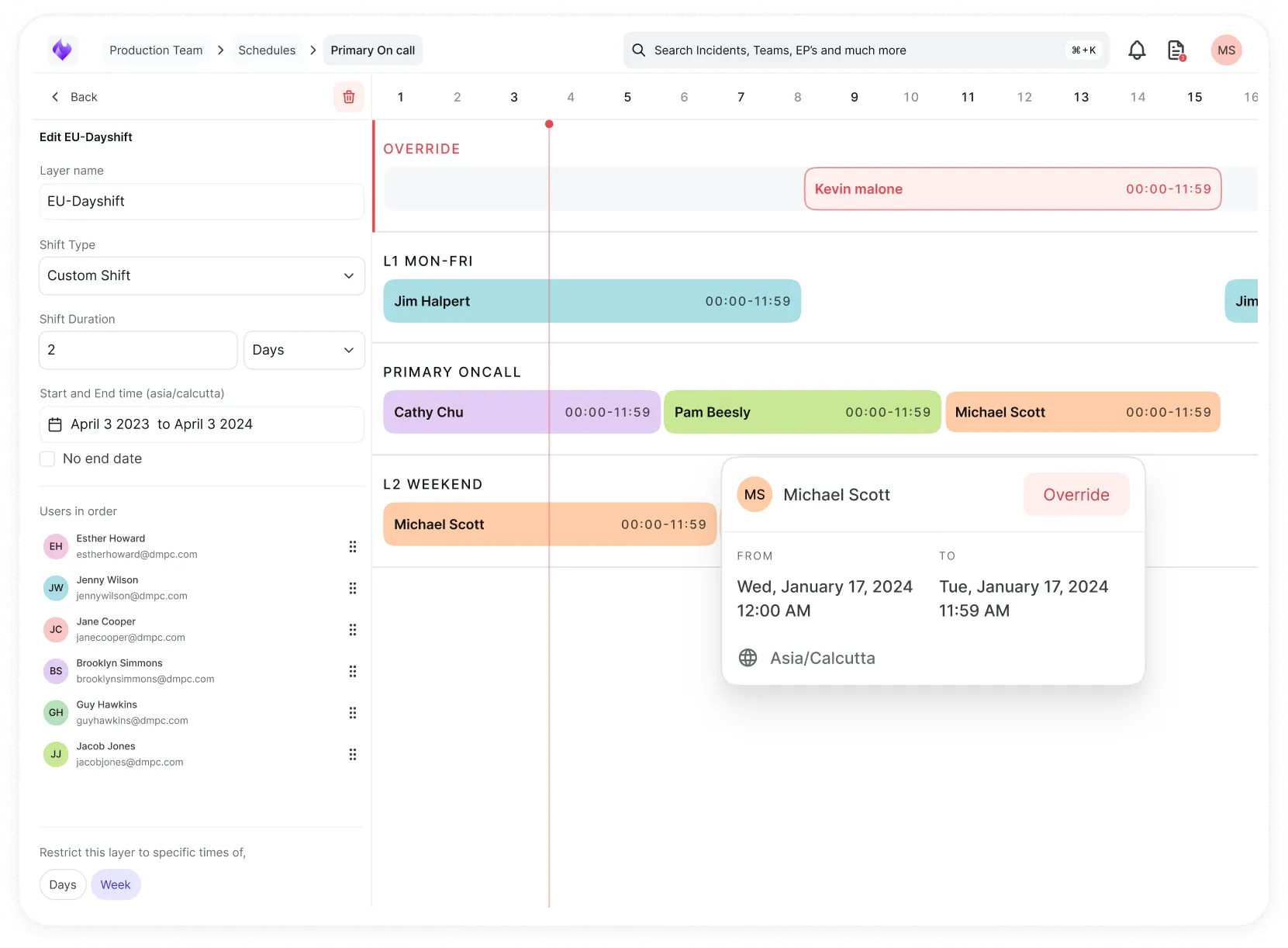
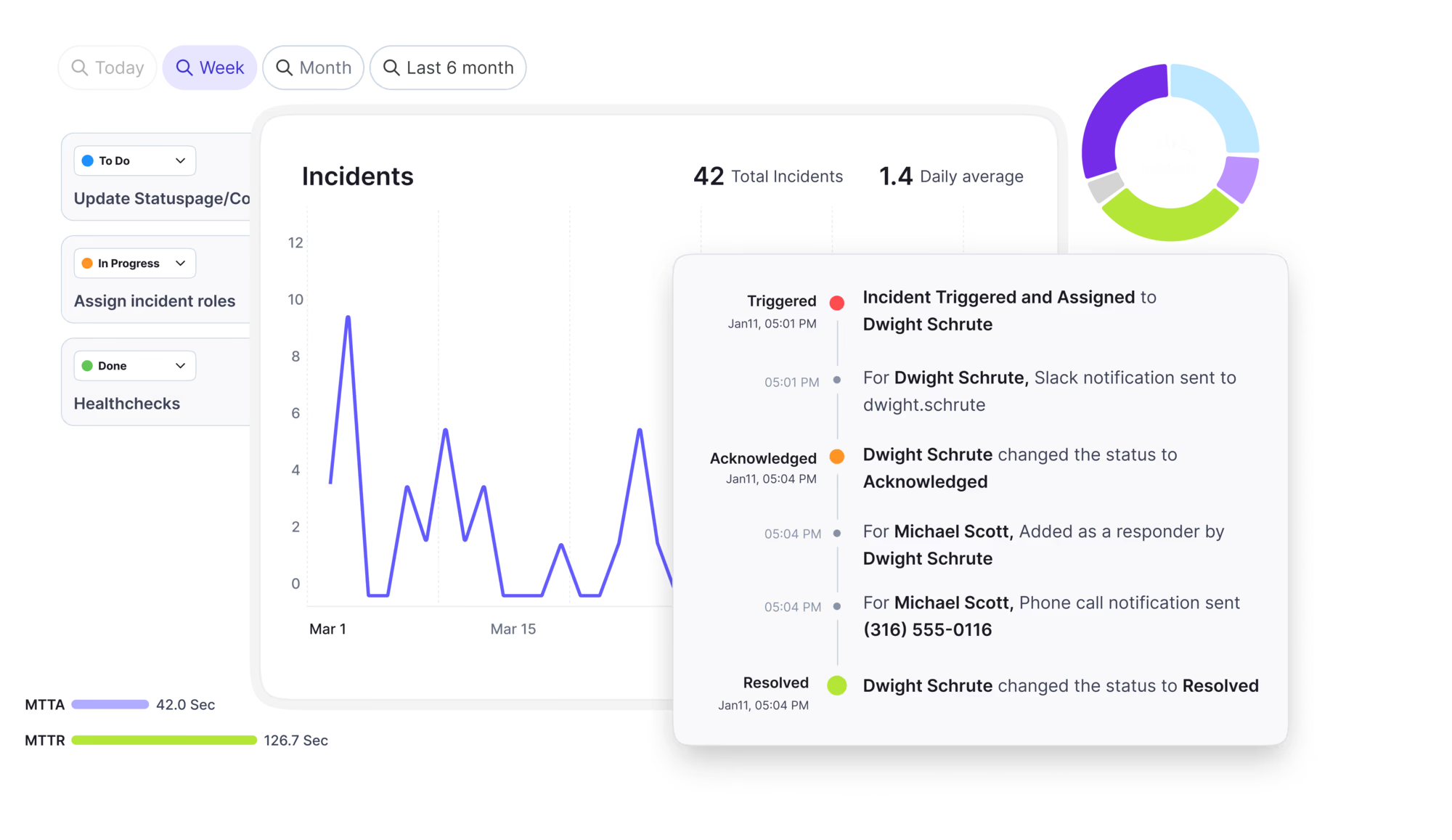
Simplify on-call scheduling, automate escalations, and reduce burnout.
Automate postmortems, AI summaries, and post-incident workflows
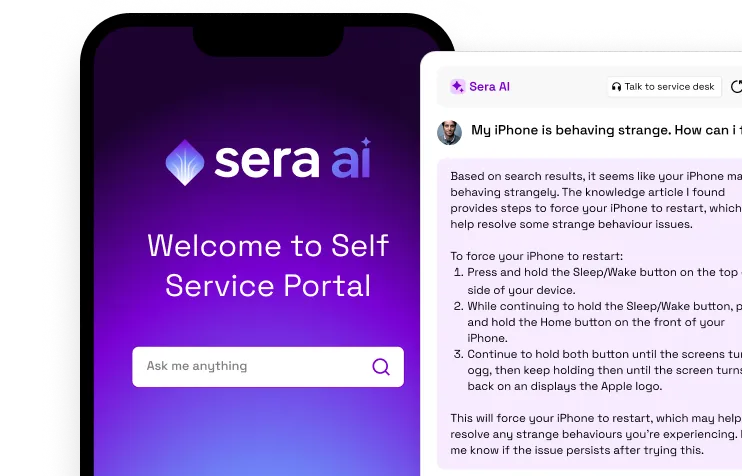
Create, organize, and continuously improve your knowledge base to find the right answers with Sera AI.
We're here to help

The integration with Atlassian Jira using the Xurrent Integration Service is

The integration with Atlassian Jira using the Xurrent Integration Service is

The integration with Atlassian Jira using the Xurrent Integration Service is

The integration with Atlassian Jira using the Xurrent Integration Service is

The integration with Atlassian Jira using the Xurrent Integration Service is

The integration with Atlassian Jira using the Xurrent Integration Service is

The integration with Atlassian Jira using the Xurrent Integration Service is

The integration with Atlassian Jira using the Xurrent Integration Service is
Resolve issues quickly with an AI-powered system that automates ticketing.
Unifiy IT, HR, Facilities, Finance, and more on a single, AI-powered service platform.
Simplify on-call scheduling, automate escalations, and reduce burnout.
Automate postmortems, AI summaries, and post-incident workflows
Create, organize, and continuously improve your knowledge base to find the right answers with Sera AI.
Resolve plant floor and IT issues before they disrupt production.
Stay audit-ready while resolving issues and reducing operational risk.

Detect, respond, and resolve incidents fast to cut downtime and MTTR.

Keep your store online, even during your biggest sales moments.

Protect patient data and resolve issues fast, so care teams stay focused on care.

Standardize service delivery across every store and channel.

We are here to help 24/7

Connect with other Xurrent Users

Get insights and tips on how to get the most out of Xurrent

Apps, APIs, and updates

Xurrent service functionality

Eliminate manual tasks, optimize workflows, and deliver faster resolutions.
Learn how organizations have reduced downtime, improved 50% MTTA & MTTR, and cut costs with Xurrent IMR.
Discover Xurrent IMR's quick support, bidirectional integrations with Jira and Slack, and more cohesive incident response capabilities compared to Opsgenie.
Understand why users value Xurrent IMR for its intuitive interface, efficient incident alerting, customizable On-call schedules, and escalations.
A problem is the underlying cause of one or more incidents — the root condition that, if left unresolved, will generate repeated service disruptions. Unlike an incident, which represents a single unplanned interruption or degradation of service, a problem represents the structural or systemic defect that produces those interruptions. Problem management exists to identify, document, and eliminate these root causes so that incidents stop recurring. In ITIL terminology, a problem is formally defined once the root cause of an incident (or cluster of related incidents) has been identified, though in practice many organizations track "known errors" — problems for which the cause is understood but a permanent fix has not yet been implemented.
Problems directly determine whether your organization reacts to the same failures repeatedly or builds resilience over time. When problems go unaddressed, incidents recur — often at the worst possible moments — driving up MTTR, eroding customer trust, and consuming engineering capacity that could be spent on feature development or strategic improvements. Over 80% of incidents are repeats of previously resolved issues, a pattern that reflects inadequate problem management discipline. Effective problem management reduces incident volume, stabilizes service delivery, and creates a feedback loop where operational intelligence informs design and development decisions. For teams operating under SLAs or compliance frameworks (ISO 20000, SOC 2, ITIL), documented problem records and root cause analyses are often mandatory audit artifacts. For DevOps and SRE teams, problems surface in postmortems and are tracked as action items — but without formal accountability and integration into change workflows, those action items frequently stall, and the same outages repeat months later.
Problem management operates in two modes: reactive and proactive. Reactive problem management begins after an incident has been resolved. The incident response team or service desk escalates the incident to problem management if the root cause is unknown or if the same issue has occurred before. A problem manager or designated analyst investigates the incident timeline, logs, configuration changes, and related tickets to identify the underlying cause. Once identified, the problem is logged with a root cause statement, and a known error record may be created if a workaround exists but no permanent fix is available. Proactive problem management analyzes trends in incident data, monitoring alerts, and service performance metrics to identify patterns that indicate latent problems before they cause major disruptions. Both modes feed into change management: once a root cause is confirmed, corrective actions (code fixes, configuration changes, infrastructure upgrades) are documented as change requests, assigned to responsible teams, and tracked through to implementation. The problem record remains open until the fix is deployed, validated, and confirmed to prevent recurrence. In integrated ITSM and IMR platforms, problem records automatically link to related incidents, postmortems, and change tasks, ensuring visibility and accountability across service desk, operations, and engineering teams.
- E-commerce platform experiencing intermittent checkout failures: After resolving three separate incidents over two weeks where users could not complete purchases, the SRE team identifies a memory leak in the payment gateway microservice. The problem is logged with the root cause, a code fix is scheduled as a change request, and the problem record is closed once the patched service runs for 30 days without incident.
- Healthcare IT service desk receiving repeated password reset requests from a single department: Investigation reveals that a recent Active Directory policy change inadvertently set password expiration to 7 days for one user group instead of 90. The problem is documented, the policy is corrected via change management, and the service desk stops receiving the flood of related tickets.
- SaaS provider seeing elevated API error rates every Monday morning: Proactive problem analysis of monitoring data shows that a scheduled batch job runs at the same time as peak user login traffic, saturating database connections. The problem is logged, the batch job is rescheduled to off-peak hours, and API error rates normalize, preventing future incidents and customer complaints.
- Incident
- Problem Management
- Change
- Known Error
- Root Cause Analysis
---


.webp)
.webp)