




Blog
Insights & updates from our experts


Resolve plant floor and IT issues before they disrupt production.

Stay audit-ready while resolving issues and reducing operational risk.
Resolve issues quickly with an AI-powered system that automates ticketing.
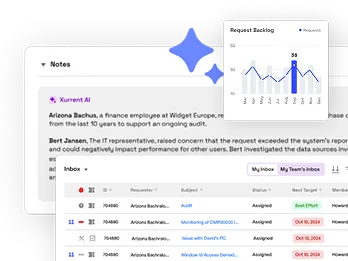
Unifiy IT, HR, Facilities, Finance, and more on a single, AI-powered service platform.
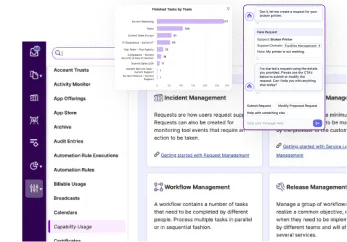
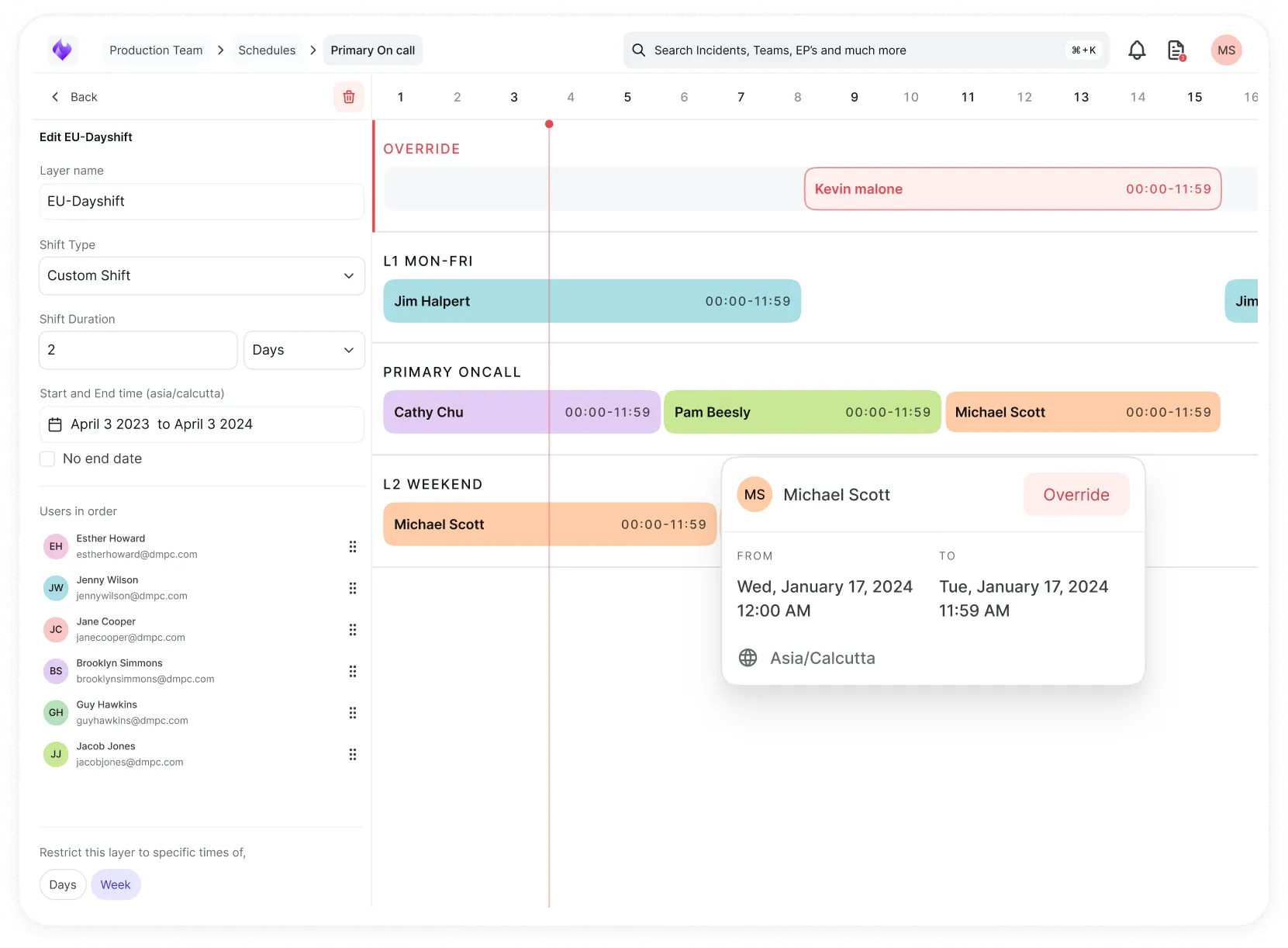
Simplify on-call scheduling, automate escalations, and reduce burnout.
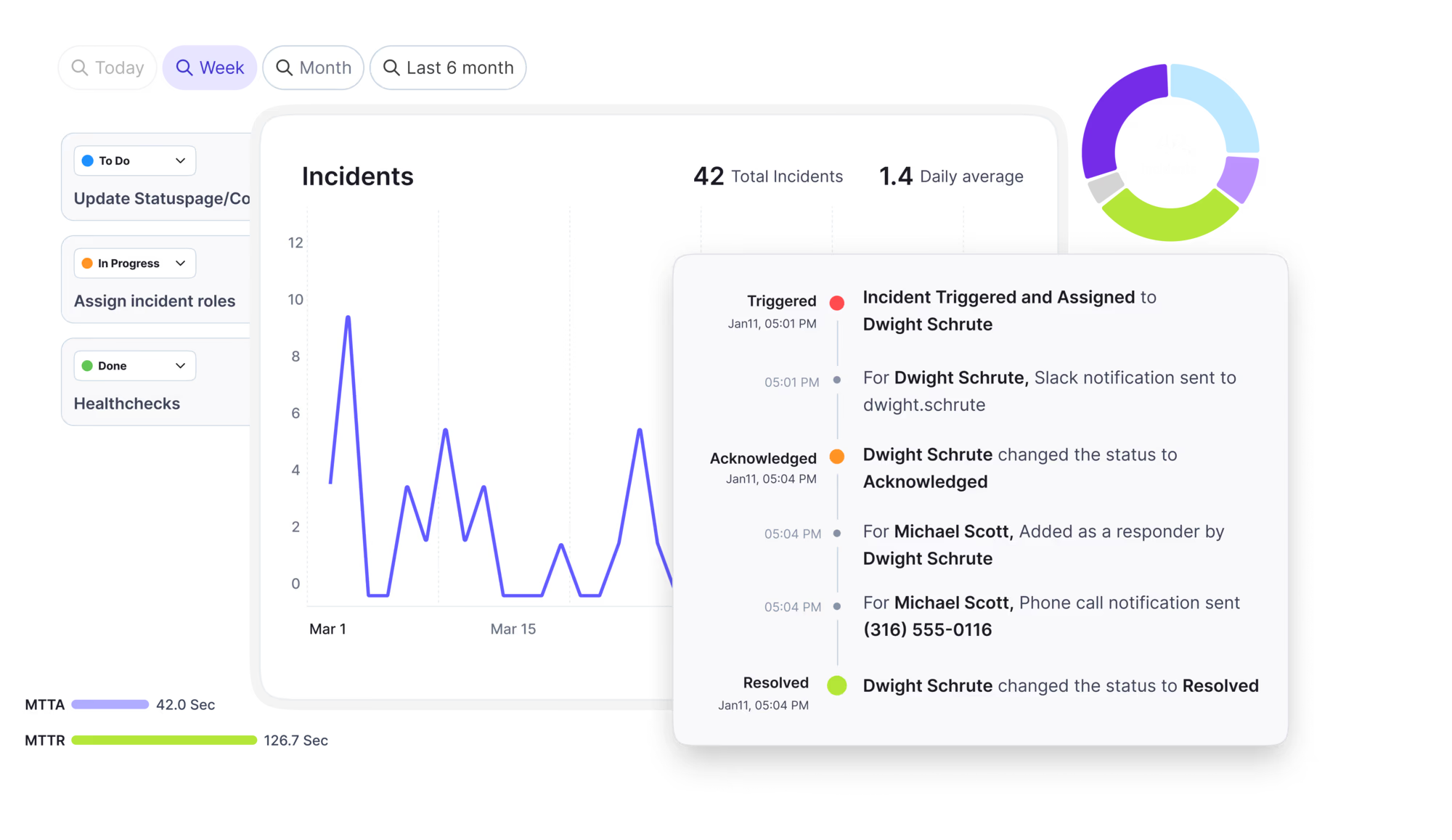
Automate postmortems, AI summaries, and post-incident workflows
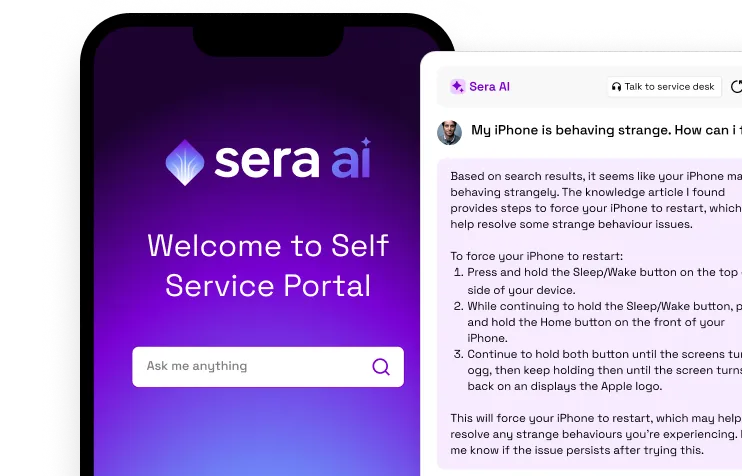
Create, organize, and continuously improve your knowledge base to find the right answers with Sera AI.
We're here to help

The integration with Atlassian Jira using the Xurrent Integration Service is

The integration with Atlassian Jira using the Xurrent Integration Service is

The integration with Atlassian Jira using the Xurrent Integration Service is

The integration with Atlassian Jira using the Xurrent Integration Service is

The integration with Atlassian Jira using the Xurrent Integration Service is

The integration with Atlassian Jira using the Xurrent Integration Service is

The integration with Atlassian Jira using the Xurrent Integration Service is

The integration with Atlassian Jira using the Xurrent Integration Service is
Resolve issues quickly with an AI-powered system that automates ticketing.
Unifiy IT, HR, Facilities, Finance, and more on a single, AI-powered service platform.
Simplify on-call scheduling, automate escalations, and reduce burnout.
Automate postmortems, AI summaries, and post-incident workflows
Create, organize, and continuously improve your knowledge base to find the right answers with Sera AI.
Resolve plant floor and IT issues before they disrupt production.
Stay audit-ready while resolving issues and reducing operational risk.

Detect, respond, and resolve incidents fast to cut downtime and MTTR.

Keep your store online, even during your biggest sales moments.

Protect patient data and resolve issues fast, so care teams stay focused on care.

Standardize service delivery across every store and channel.

We are here to help 24/7

Connect with other Xurrent Users

Get insights and tips on how to get the most out of Xurrent

Apps, APIs, and updates

Xurrent service functionality

Eliminate manual tasks, optimize workflows, and deliver faster resolutions.
Learn how organizations have reduced downtime, improved 50% MTTA & MTTR, and cut costs with Xurrent IMR.
Discover Xurrent IMR's quick support, bidirectional integrations with Jira and Slack, and more cohesive incident response capabilities compared to Opsgenie.
Understand why users value Xurrent IMR for its intuitive interface, efficient incident alerting, customizable On-call schedules, and escalations.
An Incident Manager is the person responsible for coordinating the end-to-end response to service disruptions, from initial detection through resolution and post-incident review. This role owns the incident lifecycle—not necessarily the technical fix, but the orchestration of people, communication, and process needed to restore service quickly and minimize business impact. In ITIL-aligned organizations, the Incident Manager typically operates within the IT service desk or operations team, managing user-reported outages and routing tickets to resolver groups. In DevOps and SRE environments, the same role is often called an Incident Commander, leading war rooms and coordinating on-call engineers during production incidents triggered by monitoring alerts.
The Incident Manager does not diagnose root cause or write code—they ensure the right people are engaged, stakeholders are informed, timelines are documented, and the incident moves toward closure without getting stuck. They bridge communication between technical responders, service desk agents, executives, and affected users, translating technical progress into business-relevant updates and maintaining a single source of truth throughout the incident.
The Incident Manager role directly impacts MTTR, customer trust, and operational accountability. Without clear incident ownership, response efforts fragment—multiple teams work in parallel without shared context, executives interrupt engineers for status updates, and service desk agents give conflicting information to users. This coordination failure extends downtime, increases customer frustration, and makes post-incident learning nearly impossible because no one owns the timeline or outcome.
Organizations that assign an Incident Manager see faster resolution because one person is accountable for removing blockers, escalating when progress stalls, and ensuring communication flows in both directions—from technical teams to business stakeholders and back. This role also protects engineering focus: when the Incident Manager handles stakeholder updates and status page posts, on-call engineers can concentrate on diagnosis and remediation instead of context-switching to answer "what's happening?" questions.
The Incident Manager is also critical for continuous improvement. They own the postmortem process, ensuring root cause tasks are documented, assigned, and tracked through change management so fixes actually happen. Without this accountability, the same incidents repeat—research shows over 80% of incidents recur when postmortem action items are not formally tracked and completed.
The Incident Manager takes ownership the moment an incident is declared, whether triggered by a user ticket in the ITSM system or an alert routed through an incident management platform. Their first action is to assess severity, confirm the right responders are engaged, and establish a communication cadence. If the incident is high-severity, they open a war room (physical or virtual via Slack, Teams, or dedicated incident tooling) where all responders collaborate in real time.
Throughout the incident, the Incident Manager maintains the timeline—logging key events, decisions, and status changes in the incident record. They coordinate escalations when progress stalls, pulling in additional expertise or management authority as needed. They also manage outbound communication: updating status pages, notifying executives, and synchronizing information between the ITSM ticket (where service desk agents are fielding user calls) and the incident response platform (where engineers are troubleshooting).
Once service is restored, the Incident Manager does not close the incident immediately. They lead the postmortem or root cause analysis, facilitating a blameless review that identifies what failed, why, and what must change to prevent recurrence. They document action items and ensure those tasks are entered into the change management system with clear owners and due dates. This creates accountability and prevents the common pattern where teams return to feature work and root cause fixes are forgotten.
In mature organizations using integrated ITSM and incident response platforms, the Incident Manager role is supported by automation: tickets are synchronized across systems, status updates propagate automatically, and postmortem tasks flow directly into change workflows without manual handoffs.
- E-commerce platform outage during peak sales : The Incident Manager coordinates response across payment processing, web infrastructure, and customer support teams while posting real-time updates to the public status page. They escalate to the CTO when a vendor dependency blocks resolution, and after service restoration, they lead a postmortem that results in three change requests to improve payment gateway failover logic.
- Healthcare IT service desk managing EHR downtime : The Incident Manager receives multiple duplicate tickets from clinics reporting electronic health record access issues. They consolidate tickets, confirm the outage with the EHR vendor, and coordinate communication to clinical staff through the service desk while tracking vendor progress. Post-resolution, they document lessons learned and update escalation procedures for vendor-dependent incidents.
- SaaS company responding to API performance degradation : The Incident Commander (Incident Manager in SRE context) is paged when latency alerts cross thresholds. They open a Slack war room, pull in database and caching engineers, and provide status updates to customer success and executive teams every 15 minutes. After the incident, they facilitate a postmortem that identifies a missing database index, and they track the resulting change ticket through deployment to production.
- Incident Management
- Problem Manager
- Service Desk Agent
- Change Manager
- MTTR (Mean Time to Repair)
---

.webp)
.webp)