




Blog
Insights & updates from our experts


Resolve plant floor and IT issues before they disrupt production.

Stay audit-ready while resolving issues and reducing operational risk.
Resolve issues quickly with an AI-powered system that automates ticketing.
Unifiy IT, HR, Facilities, Finance, and more on a single, AI-powered service platform.
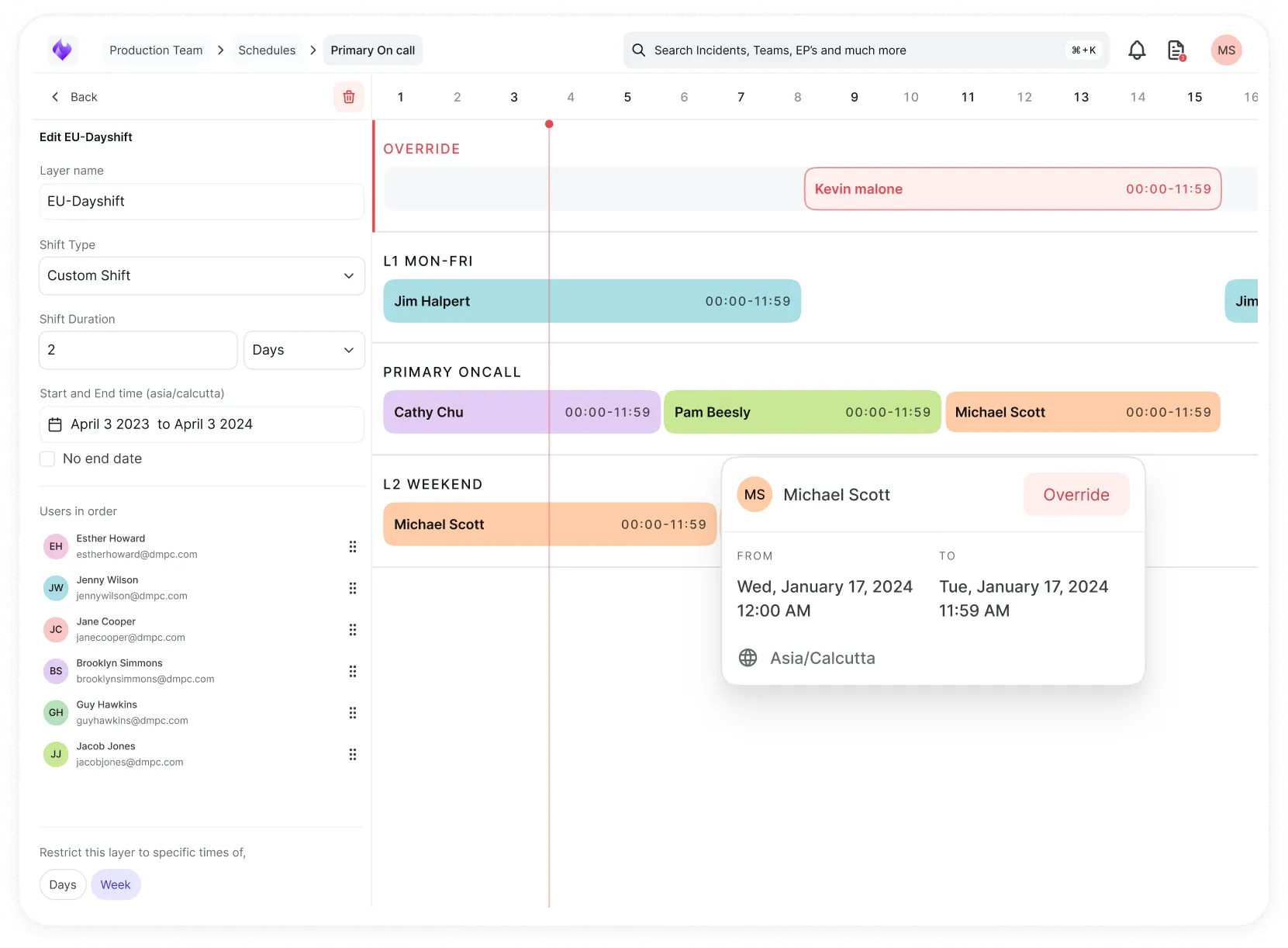
Simplify on-call scheduling, automate escalations, and reduce burnout.
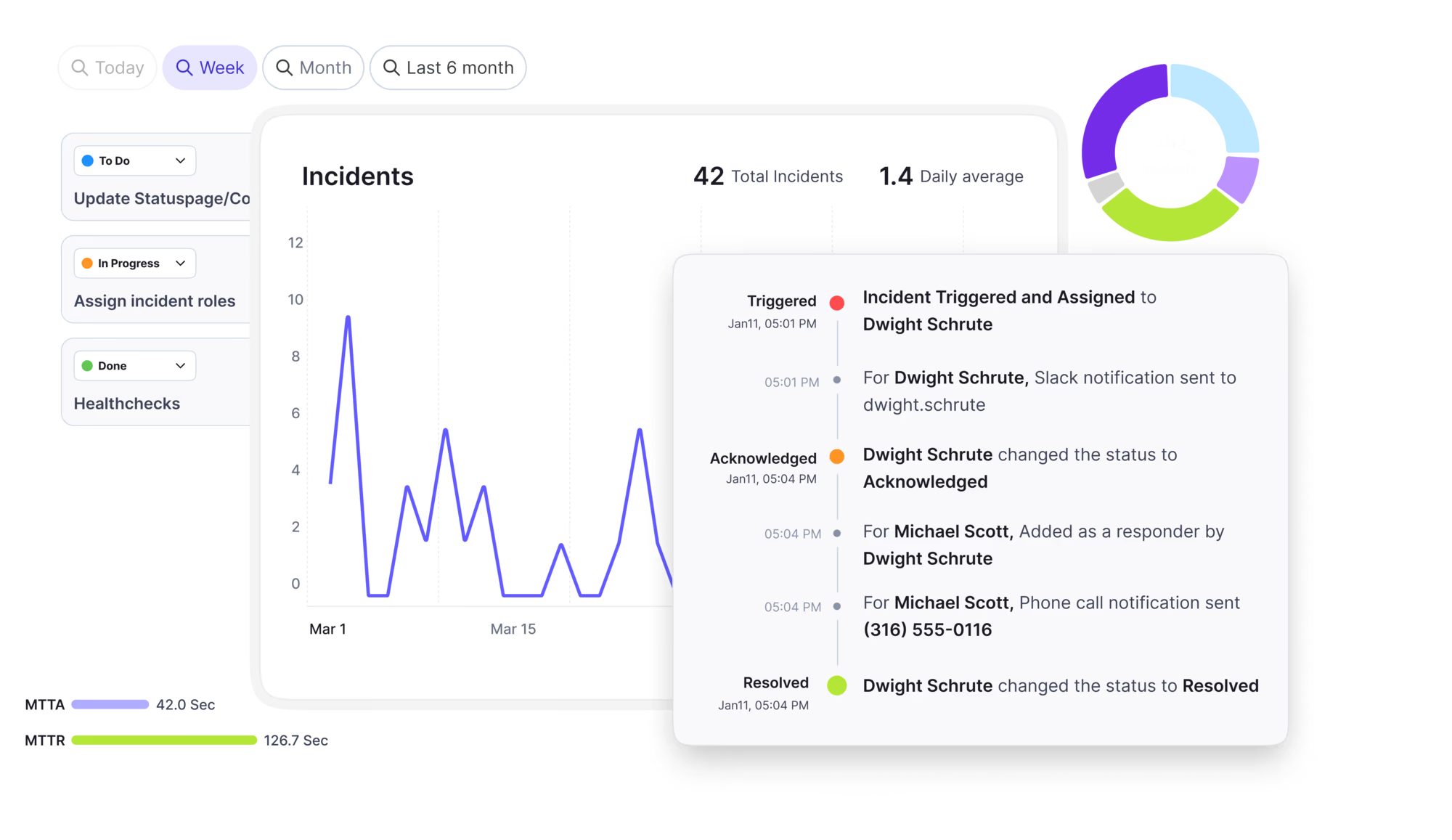
Automate postmortems, AI summaries, and post-incident workflows
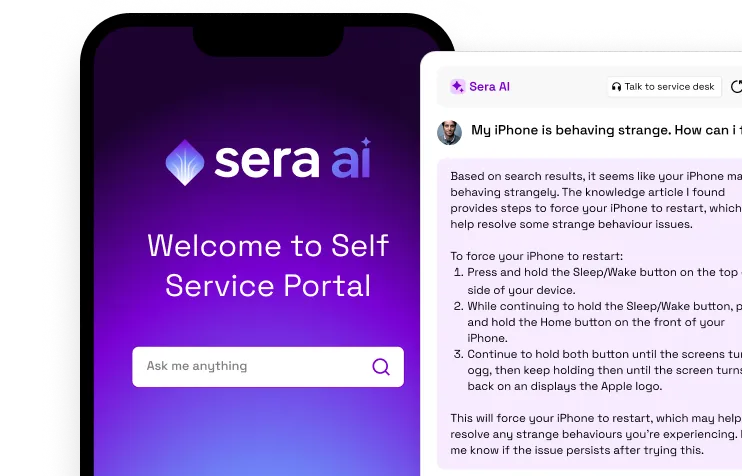
Create, organize, and continuously improve your knowledge base to find the right answers with Sera AI.
We're here to help

The integration with Atlassian Jira using the Xurrent Integration Service is

The integration with Atlassian Jira using the Xurrent Integration Service is

The integration with Atlassian Jira using the Xurrent Integration Service is

The integration with Atlassian Jira using the Xurrent Integration Service is

The integration with Atlassian Jira using the Xurrent Integration Service is

The integration with Atlassian Jira using the Xurrent Integration Service is

The integration with Atlassian Jira using the Xurrent Integration Service is

The integration with Atlassian Jira using the Xurrent Integration Service is
Resolve issues quickly with an AI-powered system that automates ticketing.
Unifiy IT, HR, Facilities, Finance, and more on a single, AI-powered service platform.
Simplify on-call scheduling, automate escalations, and reduce burnout.
Automate postmortems, AI summaries, and post-incident workflows
Create, organize, and continuously improve your knowledge base to find the right answers with Sera AI.
Resolve plant floor and IT issues before they disrupt production.
Stay audit-ready while resolving issues and reducing operational risk.

Detect, respond, and resolve incidents fast to cut downtime and MTTR.

Keep your store online, even during your biggest sales moments.

Protect patient data and resolve issues fast, so care teams stay focused on care.
Standardize service delivery across every store and channel.

We are here to help 24/7

Connect with other Xurrent Users

Get insights and tips on how to get the most out of Xurrent

Apps, APIs, and updates

Xurrent service functionality

Eliminate manual tasks, optimize workflows, and deliver faster resolutions.
Learn how organizations have reduced downtime, improved 50% MTTA & MTTR, and cut costs with Xurrent IMR.
Discover Xurrent IMR's quick support, bidirectional integrations with Jira and Slack, and more cohesive incident response capabilities compared to Opsgenie.
Understand why users value Xurrent IMR for its intuitive interface, efficient incident alerting, customizable On-call schedules, and escalations.

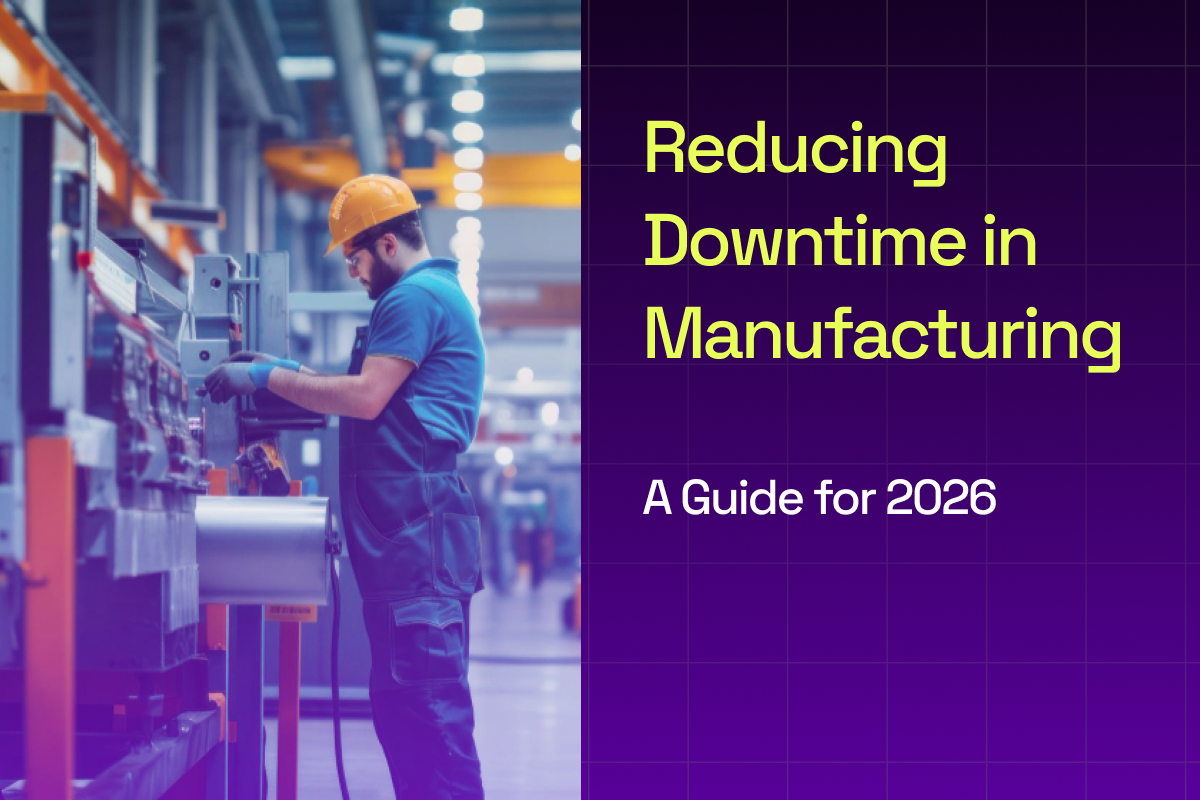
Manufacturing floors generate more data in a single shift than most organizations processed in a year a decade ago. The hard part is turning that data into faster decisions, fewer breakdowns, and operations that adapt before problems escalate.
This guide covers the technologies changing manufacturing in 2026, from AI-driven quality control to unified IT and OT workflows, plus the steps to make transformation stick.
The top digital transformation trends in manufacturing center on artificial intelligence and machine learning, digital twins, and connected worker ecosystems that drive efficiency and resilience. Digital transformation means weaving technologies like AI, IoT, cloud platforms, and automation into how factories run, from production lines to supply chains to the way teams respond when something breaks.
The old way involved manual checks, siloed data, and people chasing information across disconnected systems. Digital transformation flips that model. Instead of reacting after problems surface, connected systems surface insights early, route alerts automatically, and keep everyone working from the same information. The point is making operations faster, smarter, and more predictable, not adopting technology for its own sake.
Manufacturers face pressure from every angle. Supply chains remain unpredictable, skilled workers are harder to find, energy costs keep climbing, and customers expect faster delivery with more customization. Organizations still running on legacy systems and fragmented tools spend most of their time reacting instead of getting ahead of problems.
Four pressures drive the urgency:
Digital transformation has moved from "nice to have" to "how we stay competitive."
AI and machine learning have graduated from pilot projects to production deployments. On the plant floor, AI analyzes sensor data, production logs, and quality metrics to optimize scheduling, catch defects through machine vision, and forecast demand better than spreadsheets could.
The payoff from AI is speed. When something looks off, AI-driven workflows classify the issue and route it to the right team. The manufacturers seeing the biggest payoff embed AI into their operational workflows rather than treating it as a separate analytics tool someone checks once a day.
Industrial IoT (IIoT) connects machines, sensors, and systems across the factory floor into one data stream. Instead of operators walking the floor to check equipment or waiting for shift reports, connected factories surface real-time status, alerts, and performance metrics in centralized dashboards.
The shift here is from visibility in pockets to visibility everywhere. When a conveyor motor shows early signs of stress, that signal flows into an incident workflow. No phone calls, no emails sitting in an inbox. Teams see the same information at the same time, which cuts the context loss that slows response.
A digital twin is a virtual replica of a physical asset, production line, or entire facility. Manufacturers use digital twins to simulate changes before implementing them: testing new layouts, predicting how equipment behaves under different conditions, or modeling a process change without touching production.
The practical benefit is risk reduction. You can experiment in the virtual environment, spot problems early, and roll out changes with confidence. Digital twins also support remote monitoring, giving engineering teams visibility into equipment health from anywhere.
Robotics in manufacturing has evolved well beyond isolated welding arms. Today's options include collaborative robots (cobots) that work alongside humans, autonomous mobile robots (AMRs) that move materials through facilities, and robotic process automation (RPA) that handles repetitive back-office tasks like order processing.
The key shift is integration. Modern robots don't operate in isolation. They communicate with IT and operational technology (OT) platforms, feeding data into the same workflows that manage service requests and incidents. When a robot flags an error, that alert routes automatically to maintenance without anyone picking up a phone.
Predictive maintenance uses sensor data and machine learning to anticipate equipment failures before they happen. Instead of waiting for a breakdown or following rigid time-based schedules, teams intervene when needed, cutting unplanned downtime and unnecessary maintenance.
Prediction alone isn't enough. When an alert fires, what happens next determines whether you avoid downtime or scramble to recover. Organizations that connect predictive signals to coordinated incident response workflows, with automated routing, clear escalation paths, and shared timelines, achieve faster mean time to repair (MTTR).
Additive manufacturing builds parts layer by layer from digital designs, enabling rapid prototyping, on-demand spare parts production, and complex geometries that traditional machining can't achieve. For manufacturers, this means shorter lead times, reduced inventory costs, and more flexibility to customize products.
The supply chain payoff is concrete. When a critical component fails, you can print a replacement on-site rather than waiting weeks for a shipment. That agility changes how you think about inventory and supplier dependencies.
Augmented reality (AR) overlays digital information onto the physical world, like step-by-step repair instructions on a technician's smart glasses. Virtual reality (VR) creates immersive training environments where workers practice complex procedures without risk.
AR and VR speed up onboarding and reduce errors. A new technician can follow guided AR instructions for a maintenance task they've never performed, while experienced workers consult remote experts who see what they see. The result is faster skill development and fewer mistakes during critical operations.
Manufacturing generates enormous volumes of data from equipment sensors, quality systems, supply chain transactions, and more. Advanced analytics turns raw data into actionable insights: identifying root causes of quality issues, optimizing production sequences, and spotting trends before they become problems.
Collecting data is easy. Making it useful is the work. Organizations that centralize data and analytics, rather than leaving insights trapped in departmental silos, act faster and make better decisions across the operation.
Sustainability has moved from a nice-to-have to a business imperative. Digital tools enable precise tracking of energy consumption, waste generation, and carbon emissions across production processes. This visibility supports both regulatory compliance and customer demands for environmentally responsible products.
Manufacturers use analytics to find efficiency opportunities: reducing energy use during off-peak production, cutting material waste, and optimizing logistics to lower transportation emissions. Beyond satisfying auditors, the tracking cuts costs.
Servitization shifts the business model from selling products to selling outcomes. Instead of purchasing a compressor outright, a customer might pay for compressed air by the cubic meter. IoT monitoring, usage-based billing, and remote diagnostics make servitization models possible.
This changes the manufacturer-customer relationship. You're no longer done when the product ships. You're responsible for ongoing performance. That requires robust service management to handle support requests, monitor equipment health, and coordinate field service when needed.
Overall Equipment Effectiveness (OEE) measures how well manufacturing operations perform relative to their potential. Connected systems, automation, and analytics work together to reduce cycle times, minimize changeover delays, and keep equipment running at optimal capacity.
Predictive maintenance, optimized scheduling, and waste reduction impact the bottom line. Organizations that shift from reactive firefighting to proactive management spend less on emergency repairs and lost production.
Automation removes workers from hazardous tasks, AR provides real-time safety guidance, and IoT sensors monitor environmental conditions like air quality and temperature. Fewer accidents and a healthier workforce follow.
When alerts route to the right responders with full context and shared visibility, teams resolve issues faster. Unified platforms that connect IT and OT workflows eliminate the handoff delays that extend downtime.
Digital tracking creates the audit trails needed for environmental reporting and regulatory compliance. Beyond checking boxes, this visibility helps organizations identify and act on sustainability opportunities.
Digital transformation requires capital investment and organizational change. Phased approaches that deliver measurable outcomes early help justify continued investment and build momentum across the organization.
Many manufacturers operate equipment that predates modern connectivity standards. Integrating legacy systems with new platforms requires careful planning and often middleware solutions. Platforms designed for configuration rather than heavy customization simplify this integration.
Connected factories expand the attack surface. Every sensor and device is a potential entry point. Enterprise-grade security controls, encryption, and compliance certifications work best when they're foundational rather than added later.
Existing staff may lack experience with new technologies. Low-code platforms reduce the learning curve and let teams adopt new tools without extensive retraining.
Cultural barriers often prove harder to overcome than technical ones. Visible quick wins and tools that simplify daily work, rather than adding complexity, help build buy-in across the organization.
Technology investments without clear goals rarely succeed. Tie each project to measurable outcomes like uptime improvement, throughput increase, or MTTR reduction.
Fragmented tools create fragmented responses. When service requests, infrastructure alerts, and operational incidents flow through shared workflows, teams eliminate handoff delays and maintain context from detection to resolution.
AI delivers the most value when it's native to workflows, not a separate chatbot. Smart routing, automated classification, and AI-generated postmortems keep learning continuous and reduce manual toil.
Security certifications like ISO 27001 and SOC 2 Type II, encryption options like BYOK, and AI data isolation work best as baseline requirements when evaluating platforms, not premium add-ons.
Live dashboards and pre-built analytics keep operational KPIs visible. Visible KPIs improve. The ones you stop watching slide.
IT/OT convergence brings information technology (business systems, service desks, enterprise applications) and operational technology (PLCs, SCADA systems, sensors) onto shared platforms. This convergence is foundational to Industry 4.0 because it eliminates the gap between the systems that run production and the systems that manage the business.
When a plant floor issue triggers an alert, that signal routes to the right team through the same workflow that handles IT service requests. The benefits:
Organizations that unify IT and OT workflows respond faster, lose less context, and maintain higher uptime than those operating in silos.
Manufacturing digital transformation succeeds when service, incidents, and operations connect seamlessly. Implementing an integrated itsm for manufacturing brings workflows together, routing plant floor alerts and IT requests through shared processes and eliminating the handoff delays that extend downtime.

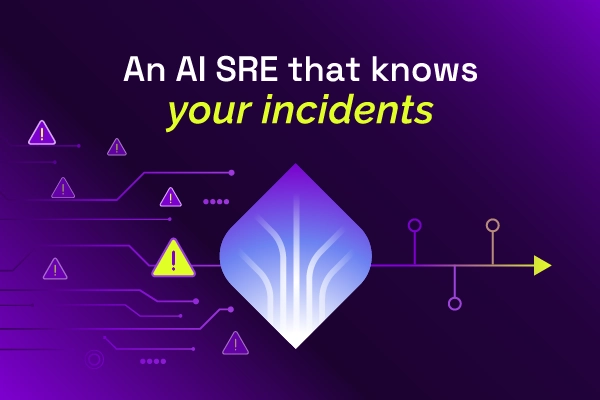
Most AI SREs are pattern matchers trained on public data. They know what a memory leak looks like in the abstract. They don't know that your payments-api has a flaky liveness probe everyone ignores, that the checkout team owns the retry policy, or that the last three "database incidents" were actually cache misconfigurations. That knowledge lives in your postmortems, your Slack channels, and the heads of two senior engineers.
Most vendors will tell you ITSM implementation takes six months to a year — but modern, configuration-first platforms have rewritten the math entirely. See what real implementations look like in 2026, and why a long rollout is now a choice, not a given.
.webp)
.webp)