




Blog
Insights & updates from our experts


Resolve plant floor and IT issues before they disrupt production.

Stay audit-ready while resolving issues and reducing operational risk.
Resolve issues quickly with an AI-powered system that automates ticketing.
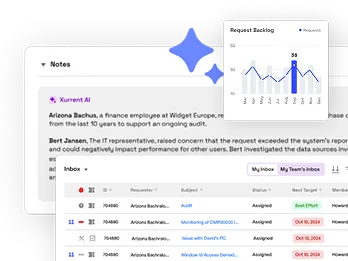
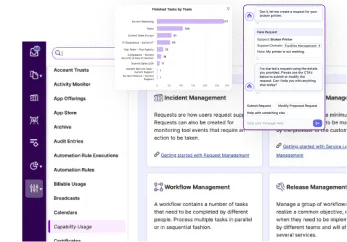
Unifiy IT, HR, Facilities, Finance, and more on a single, AI-powered service platform.
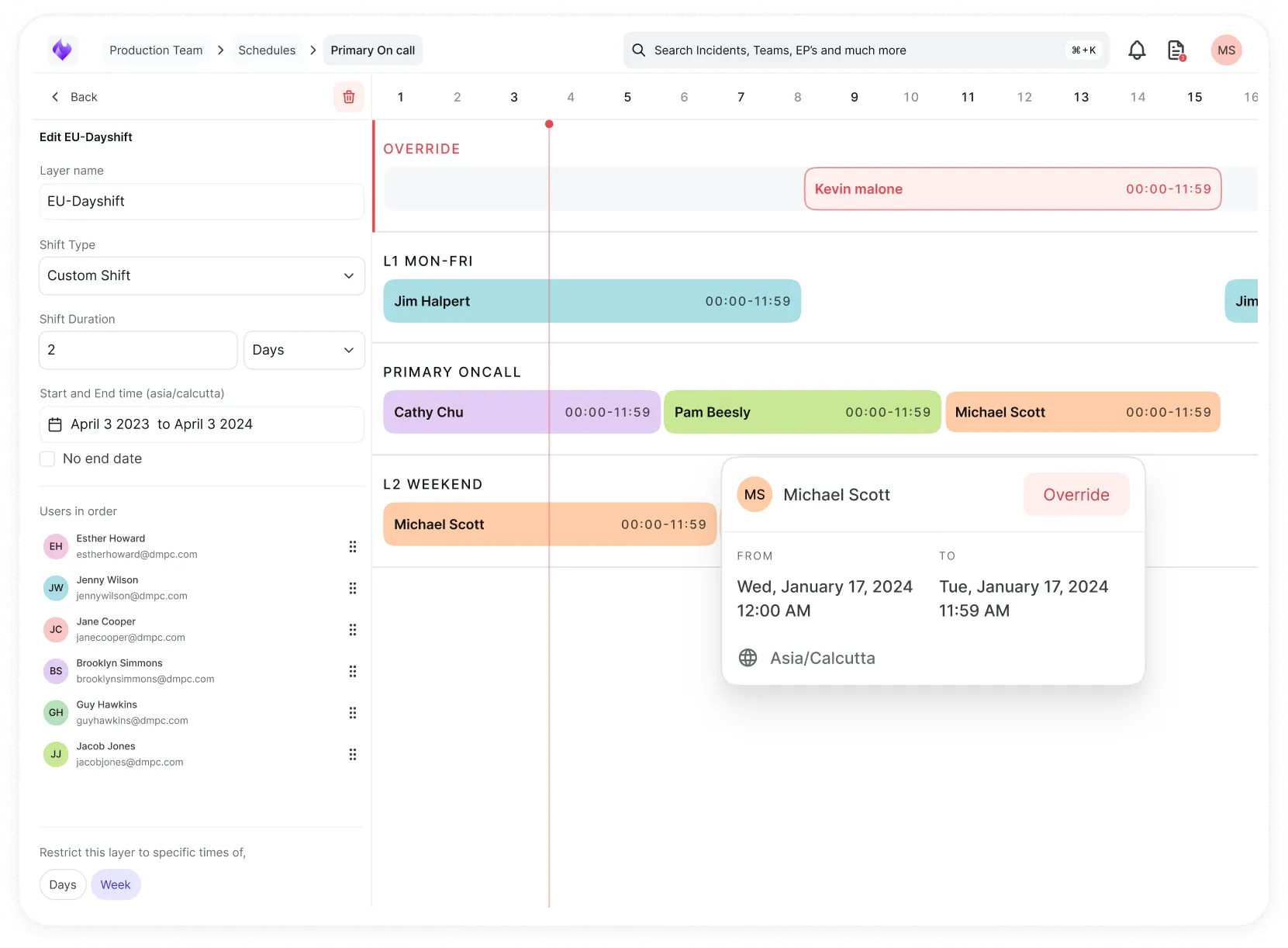
Simplify on-call scheduling, automate escalations, and reduce burnout.
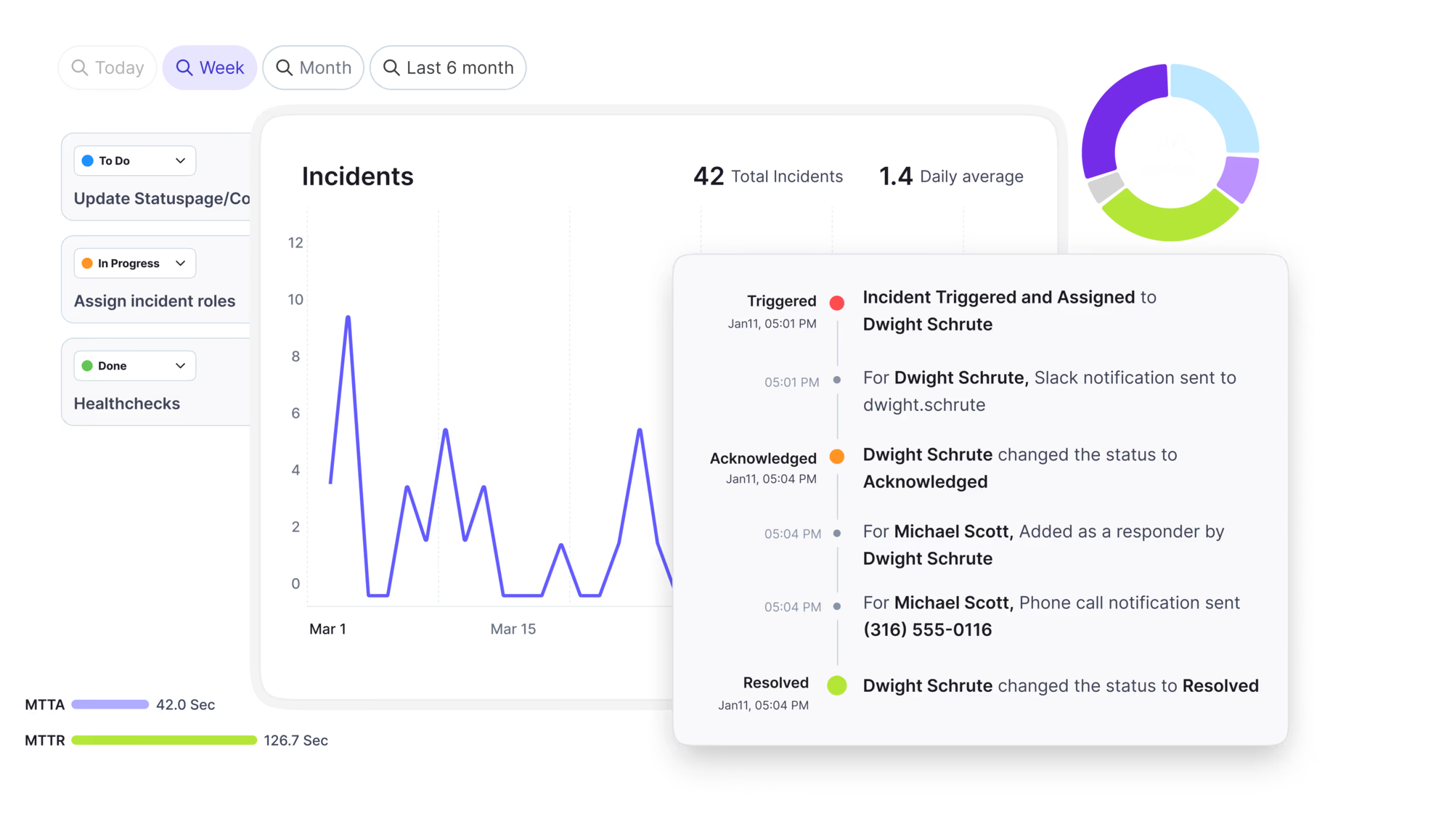
Automate postmortems, AI summaries, and post-incident workflows
Create, organize, and continuously improve your knowledge base to find the right answers with Sera AI.
We're here to help

The integration with Atlassian Jira using the Xurrent Integration Service is

The integration with Atlassian Jira using the Xurrent Integration Service is

The integration with Atlassian Jira using the Xurrent Integration Service is

The integration with Atlassian Jira using the Xurrent Integration Service is

The integration with Atlassian Jira using the Xurrent Integration Service is

The integration with Atlassian Jira using the Xurrent Integration Service is

The integration with Atlassian Jira using the Xurrent Integration Service is

The integration with Atlassian Jira using the Xurrent Integration Service is
Resolve issues quickly with an AI-powered system that automates ticketing.
Unifiy IT, HR, Facilities, Finance, and more on a single, AI-powered service platform.
Simplify on-call scheduling, automate escalations, and reduce burnout.
Automate postmortems, AI summaries, and post-incident workflows
Create, organize, and continuously improve your knowledge base to find the right answers with Sera AI.
Resolve plant floor and IT issues before they disrupt production.
Stay audit-ready while resolving issues and reducing operational risk.

Detect, respond, and resolve incidents fast to cut downtime and MTTR.

Keep your store online, even during your biggest sales moments.

Protect patient data and resolve issues fast, so care teams stay focused on care.

Standardize service delivery across every store and channel.

We are here to help 24/7

Connect with other Xurrent Users

Get insights and tips on how to get the most out of Xurrent

Apps, APIs, and updates

Xurrent service functionality

Eliminate manual tasks, optimize workflows, and deliver faster resolutions.
Learn how organizations have reduced downtime, improved 50% MTTA & MTTR, and cut costs with Xurrent IMR.
Discover Xurrent IMR's quick support, bidirectional integrations with Jira and Slack, and more cohesive incident response capabilities compared to Opsgenie.
Understand why users value Xurrent IMR for its intuitive interface, efficient incident alerting, customizable On-call schedules, and escalations.
With the recent enhancement that makes it possible to relate effort classes to service offerings, a large step was taken in enabling MSPs to invoice the services they provide to their customers using Xurrent data. It allows work effort, recorded in time entries, to be related to a contract with their customer: the service level agreement. A next large step has now been taken, by enabling organizations to relate billable events in Xurrent directly to their invoicing tool, using billing identifiers.
Billable events in Xurrent can mean several things for a Managed Service Provider. Apart from time entries related to effort classes, which are used when a contract is based on time and materials, a service provider can invoice their customers per activity (fixed price). This is usually the case for standard service requests. RFCs, RFIs and incidents can either be invoiced as fixed price or time and materials. There is commonly also a monthly charge for the contract itself.
To be able to relate all these possible events to the external invoicing tool of the MSP, a ‘Financial Details’ section has been added to the service level agreement form, which is maintained by a person with the Financial Manager role of the account of the SLA.
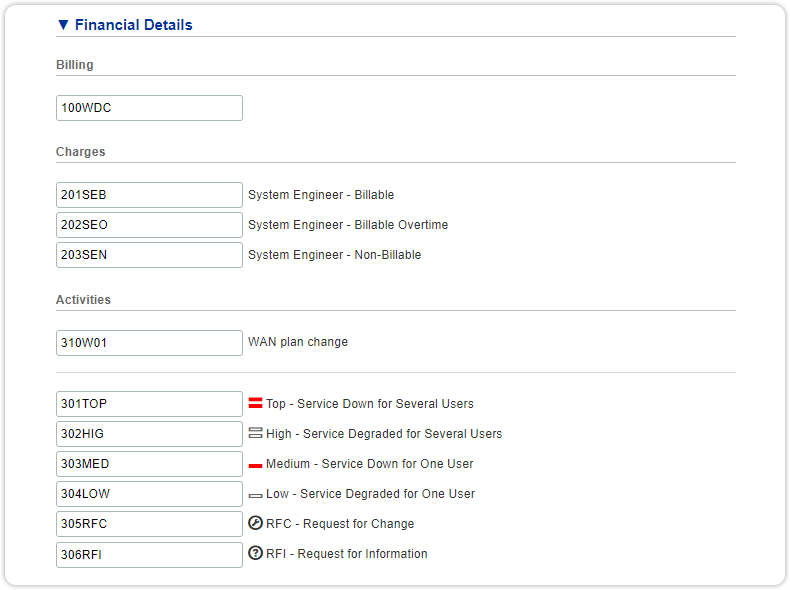
As made clear in the example above, each SLA can have one Billing ID, which relates the SLA to a contract in the external system. For each effort class that is defined in the related service offering, a Charge ID can be entered in the SLA. If in that service offering one or more standard service requests are related, then these are listed under ‘Activities’. Activity IDs can also be entered for incidents with any of the impact levels (Top, High, Medium, Low), RFCs and RFIs. To add all these identifiers to Xurrent, MSPs with large numbers of customers and contracts may want to use the import/export functionality for SLAs, which has been updated to include the ‘Financial Details’ section.
The billing identifiers are visible on time entries associated with a billable SLA. In the example below, an RFI was registered in WDC and resolved by GlobalNet, who have the ‘Financial Details’ section as shown above defined on the SLA ‘Standard (2 Mbps) WAN Connectivity for Widget Europe (Amsterdam)’.
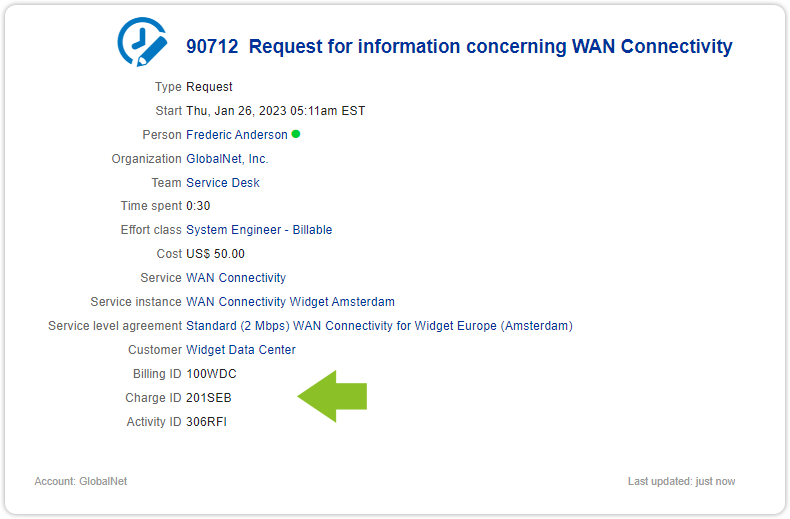
As the request of this time entry was a request for information, the Activity ID selected by Xurrent was the one defined for RFIs in the SLA. In case a request is both an RFC and a standard service request, the Activity ID for the standard service request is selected. Time entries on tasks and workflows that are related to a request which, in turn, is related to a billable SLA, also contain the billing identifiers.
To enable MSPs to use the billing data and identifiers from Xurrent, the Billing IDs, Charge IDs and Activity IDs are now also included in the export of time entries. They are retrieved dynamically from the respective SLAs. Only when a timesheet for a specific month is locked are the identifiers written to the time entries. This is important, as MSPs usually create a pro-forma invoice that needs to be verified and possibly adjusted. After locking the timesheet, it is then possible to update identifiers on the SLA, if necessary. This way of working ensures that the correct IDs are included in the export of the time entries, even if these IDs are modified during the life of the contract (of the SLA).
Whether the customer is invoiced based on time and materials or fixed price for work done on a request should still be defined and taken care of in the external invoicing tool, for now. In the next iteration of the Xurrent Billing Integration feature it will be made possible to define the billing method and the charges on the service offering record.
Most AI SREs are pattern matchers trained on public data. They know what a memory leak looks like in the abstract. They don't know that your payments-api has a flaky liveness probe everyone ignores, that the checkout team owns the retry policy, or that the last three "database incidents" were actually cache misconfigurations. That knowledge lives in your postmortems, your Slack channels, and the heads of two senior engineers.
Most vendors will tell you ITSM implementation takes six months to a year — but modern, configuration-first platforms have rewritten the math entirely. See what real implementations look like in 2026, and why a long rollout is now a choice, not a given.



.webp)
.webp)