




Blog
Insights & updates from our experts


Resolve plant floor and IT issues before they disrupt production.

Stay audit-ready while resolving issues and reducing operational risk.
Resolve issues quickly with an AI-powered system that automates ticketing.
Unifiy IT, HR, Facilities, Finance, and more on a single, AI-powered service platform.
Simplify on-call scheduling, automate escalations, and reduce burnout.
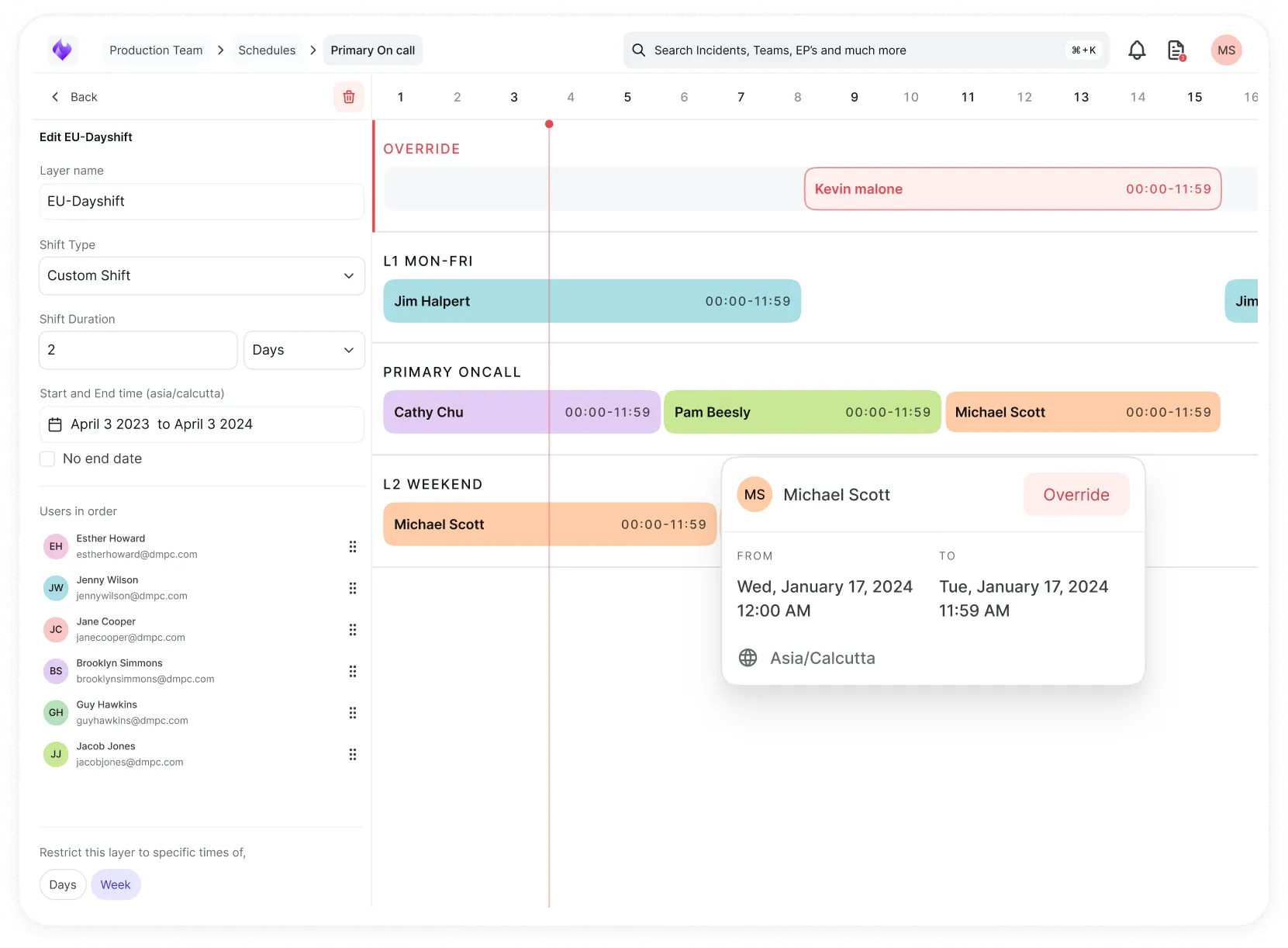
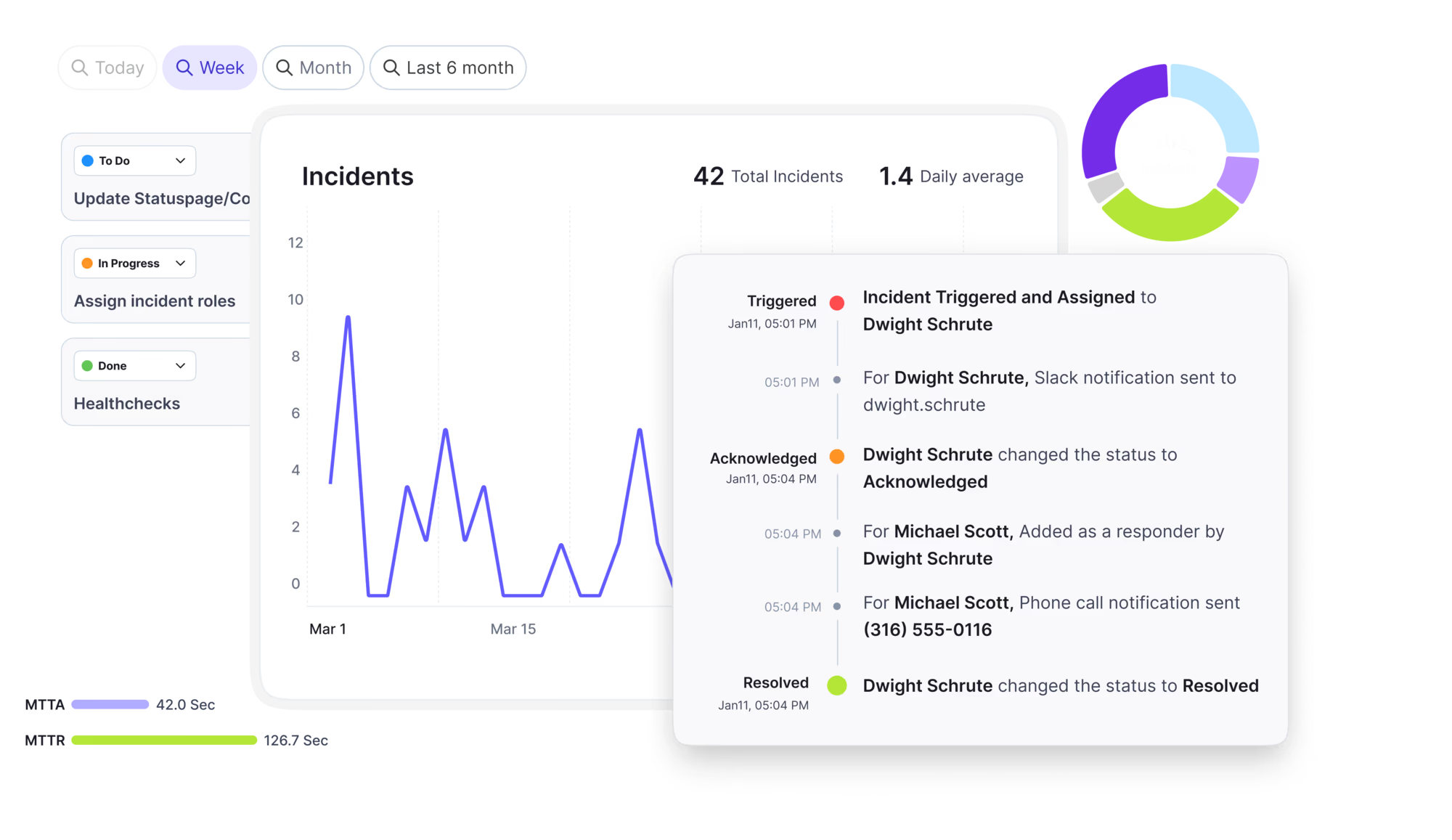
Automate postmortems, AI summaries, and post-incident workflows
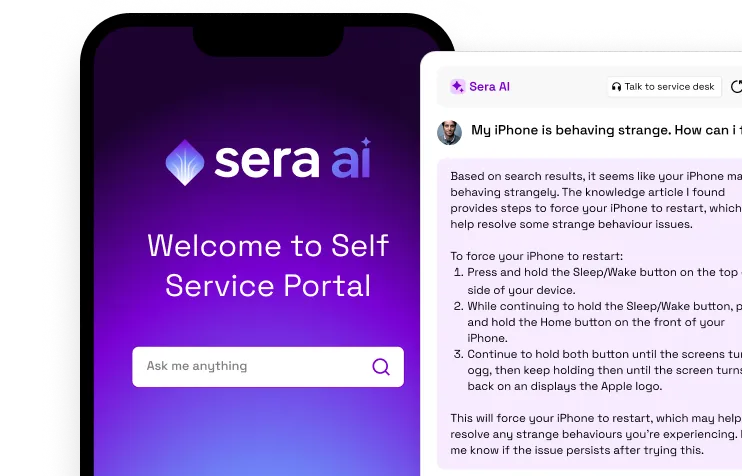
Create, organize, and continuously improve your knowledge base to find the right answers with Sera AI.
We're here to help

The integration with Atlassian Jira using the Xurrent Integration Service is

The integration with Atlassian Jira using the Xurrent Integration Service is

The integration with Atlassian Jira using the Xurrent Integration Service is

The integration with Atlassian Jira using the Xurrent Integration Service is

The integration with Atlassian Jira using the Xurrent Integration Service is

The integration with Atlassian Jira using the Xurrent Integration Service is

The integration with Atlassian Jira using the Xurrent Integration Service is

The integration with Atlassian Jira using the Xurrent Integration Service is
Resolve issues quickly with an AI-powered system that automates ticketing.
Unifiy IT, HR, Facilities, Finance, and more on a single, AI-powered service platform.
Simplify on-call scheduling, automate escalations, and reduce burnout.
Automate postmortems, AI summaries, and post-incident workflows
Create, organize, and continuously improve your knowledge base to find the right answers with Sera AI.
Resolve plant floor and IT issues before they disrupt production.
Stay audit-ready while resolving issues and reducing operational risk.

Detect, respond, and resolve incidents fast to cut downtime and MTTR.

Keep your store online, even during your biggest sales moments.

Protect patient data and resolve issues fast, so care teams stay focused on care.

Standardize service delivery across every store and channel.

We are here to help 24/7

Connect with other Xurrent Users

Get insights and tips on how to get the most out of Xurrent

Apps, APIs, and updates

Xurrent service functionality

Eliminate manual tasks, optimize workflows, and deliver faster resolutions.
Learn how organizations have reduced downtime, improved 50% MTTA & MTTR, and cut costs with Xurrent IMR.
Discover Xurrent IMR's quick support, bidirectional integrations with Jira and Slack, and more cohesive incident response capabilities compared to Opsgenie.
Understand why users value Xurrent IMR for its intuitive interface, efficient incident alerting, customizable On-call schedules, and escalations.
A Change Advisory Board (CAB) is a cross-functional group of stakeholders responsible for evaluating, prioritizing, and approving or rejecting proposed changes to IT infrastructure, applications, and services before implementation. The CAB operates as a formal governance body within the ITIL Change Enablement (formerly Change Management) process, bringing together technical experts, business representatives, and risk assessors to assess the potential impact, resource requirements, and business justification of each change request. Membership typically includes the Change Manager (who chairs meetings), service owners, technical specialists, application owners, security representatives, and business stakeholders whose operations may be affected by the proposed change. The board reviews change requests during scheduled meetings—often weekly or bi-weekly—examining implementation plans, rollback procedures, testing evidence, and potential conflicts with other scheduled changes to ensure modifications align with service level commitments and business objectives while minimizing disruption risk.
The Change Advisory Board serves as a critical control point that prevents unauthorized, poorly planned, or conflicting changes from destabilizing production environments and causing service outages. Without CAB oversight, organizations experience higher incident rates, longer MTTR, and more frequent emergency changes because teams implement modifications without understanding downstream dependencies or coordinating with affected parties. A functioning CAB reduces change-related incidents by 40–60% in mature ITSM environments by enforcing standardized risk assessment, requiring documented rollback plans, and identifying scheduling conflicts before implementation begins. The board creates accountability by documenting who approved each change and why, which proves essential during post-incident reviews and compliance audits for frameworks like ISO 20000, SOC 2, and industry-specific regulations. For organizations managing complex, interdependent IT estates, the CAB prevents the "too many cooks" problem by establishing clear decision authority while ensuring technical specialists, security teams, and business owners all have input before changes reach production. The board also accelerates low-risk standard changes by pre-authorizing them through established templates, allowing routine modifications to bypass full review while high-risk changes receive appropriate scrutiny.
The Change Advisory Board operates through a structured review cycle that begins when a change requester submits a formal Request for Change (RFC) documenting the proposed modification, business justification, implementation plan, testing results, affected configuration items, and rollback procedures. The Change Manager performs initial triage, categorizing changes by risk level (standard, normal, emergency) and determining which require full CAB review versus pre-authorized approval. For changes requiring board evaluation, the Change Manager distributes RFCs to CAB members before the scheduled meeting, allowing time for technical review and impact assessment. During the CAB meeting, the change requester presents the proposal, addressing questions about implementation timing, resource requirements, potential service impact, and coordination with other scheduled changes visible in the change calendar. The board evaluates each RFC against defined criteria including business justification, technical feasibility, risk to service availability, compliance requirements, and alignment with the organization's change window policies. Members vote to approve, reject, or defer the change, often with conditions such as additional testing, revised timing, or enhanced monitoring during implementation. Approved changes move to the change schedule with documented authorization, while rejected changes return to the requester with specific feedback for revision. Emergency changes—required to resolve critical incidents or security vulnerabilities—may receive expedited review through an Emergency CAB (ECAB) consisting of a smaller subset of members available on short notice. Post-implementation, the CAB reviews change outcomes during subsequent meetings, analyzing failed changes to improve future assessment processes and updating standard change templates based on lessons learned.
- Financial services organization : The CAB meets every Tuesday to review infrastructure changes, with permanent members including the Change Manager, network architects, database administrators, security team lead, and business relationship managers from trading and customer service divisions. During a recent meeting, they rejected a proposed database schema change scheduled for Thursday because it conflicted with a planned network upgrade and lacked adequate rollback testing, rescheduling it for the following week's maintenance window after the requester demonstrated successful rollback procedures in the test environment.
- Healthcare provider : The hospital IT department operates a weekly CAB that includes clinical application owners, HIPAA compliance officers, and representatives from nursing and physician groups to ensure patient care systems remain available. When evaluating an electronic health record system upgrade, the board required the vendor to provide additional evidence of data migration testing and mandated a phased rollout starting with non-critical departments, preventing a potential system-wide outage that could have disrupted patient care across 12 facilities.
- E-commerce retailer : The CAB implements a tiered review process where standard changes like security patches follow pre-approved templates requiring only Change Manager sign-off, while normal changes affecting customer-facing systems require full board review including representatives from DevOps, customer experience, fraud prevention, and warehouse operations. During peak shopping season, the board enforces a change freeze on all non-emergency modifications to the checkout and payment systems, reducing change-related incidents by 73% compared to the previous year when uncoordinated changes caused three separate outages during high-traffic periods.
- Change Enablement (Management)
- Change Manager
- Emergency Change Advisory Board (ECAB)
- Request for Change (RFC)
- Configuration Item
---


.webp)
.webp)