




Blog
Insights & updates from our experts


Resolve plant floor and IT issues before they disrupt production.

Stay audit-ready while resolving issues and reducing operational risk.
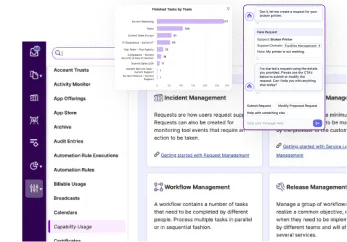
Resolve issues quickly with an AI-powered system that automates ticketing.
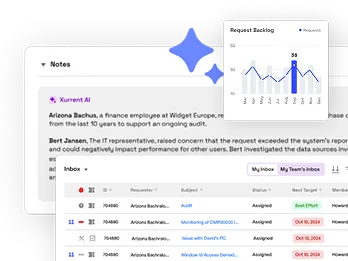
Unifiy IT, HR, Facilities, Finance, and more on a single, AI-powered service platform.
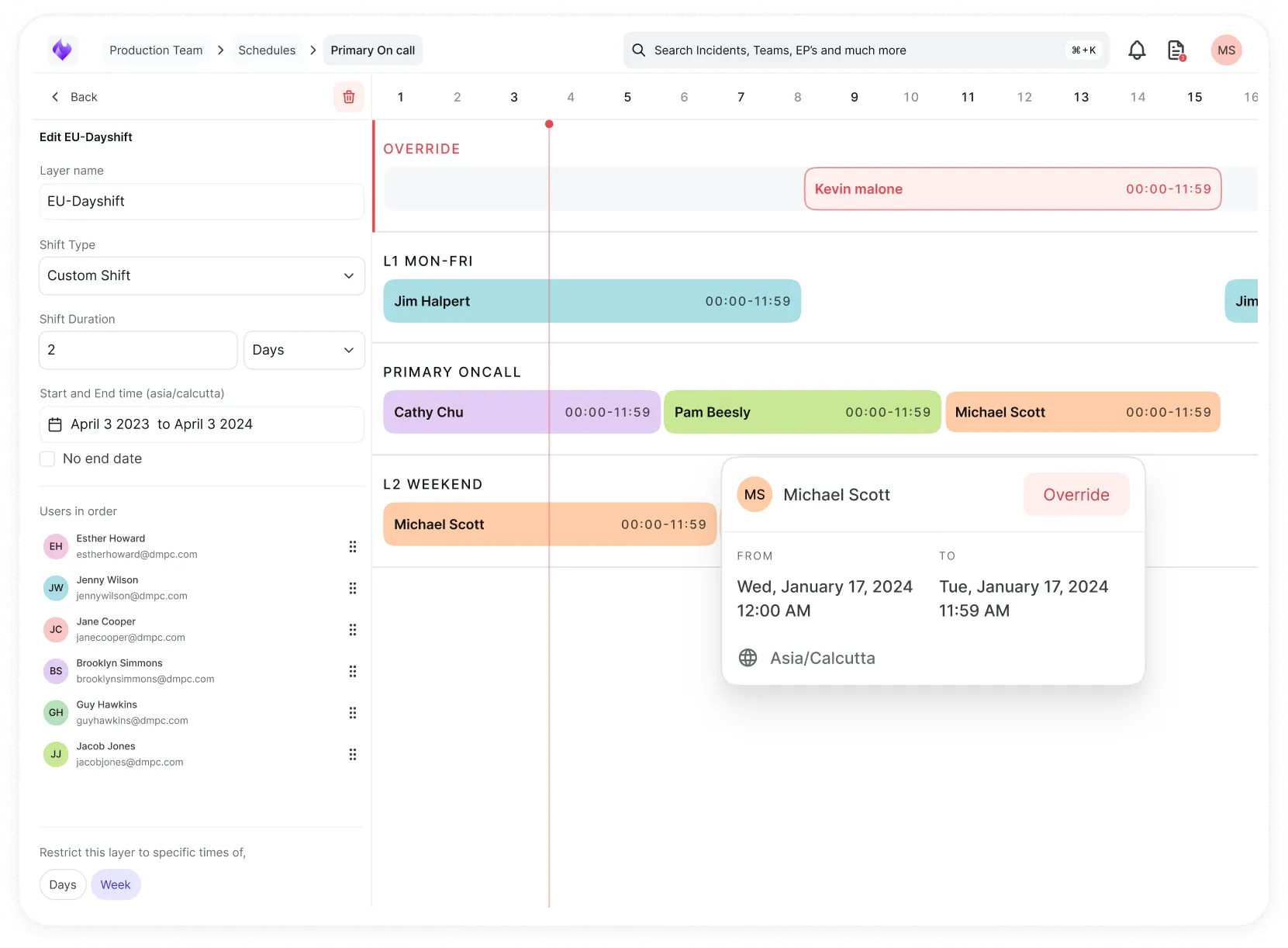
Simplify on-call scheduling, automate escalations, and reduce burnout.
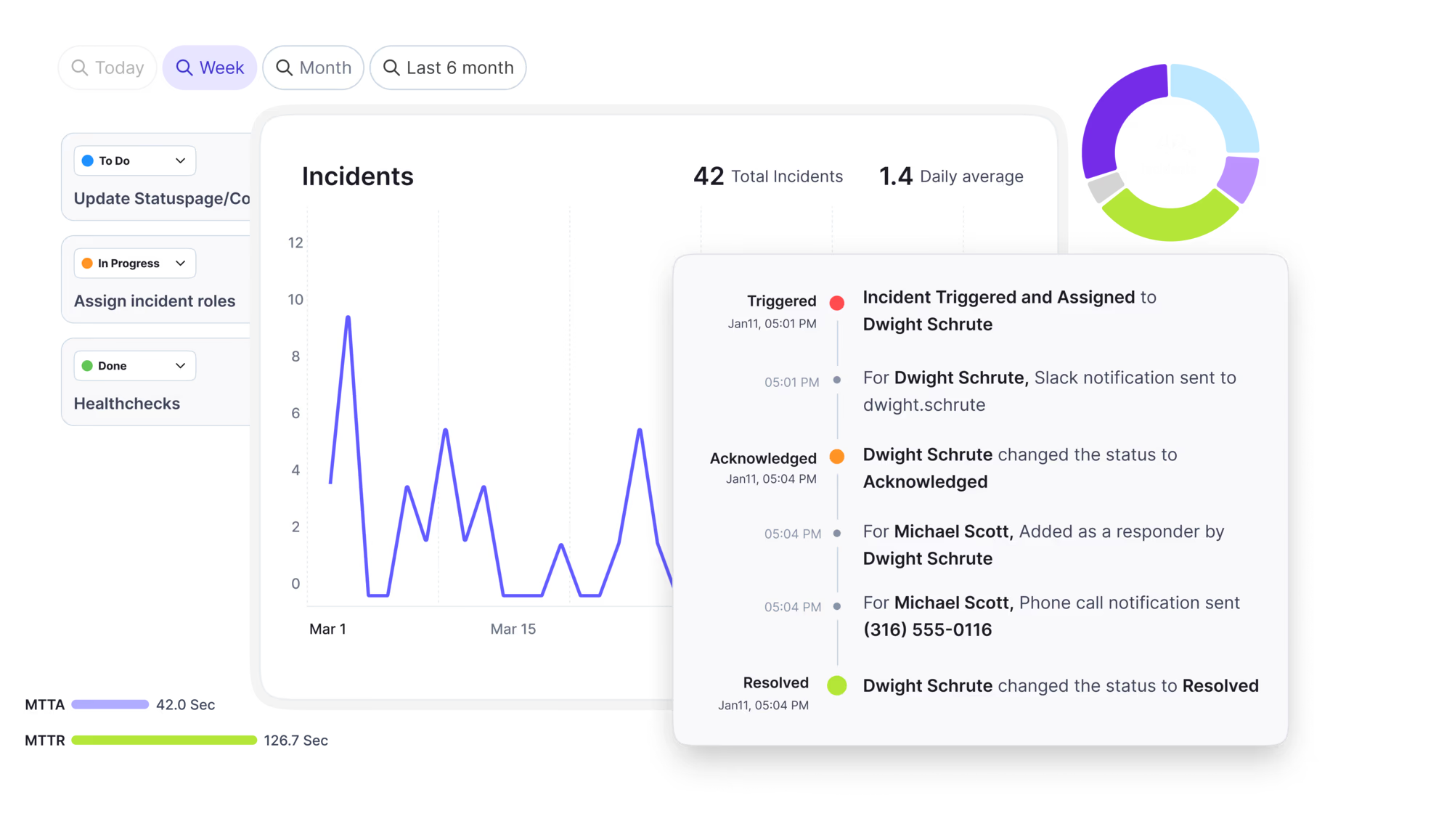
Automate postmortems, AI summaries, and post-incident workflows
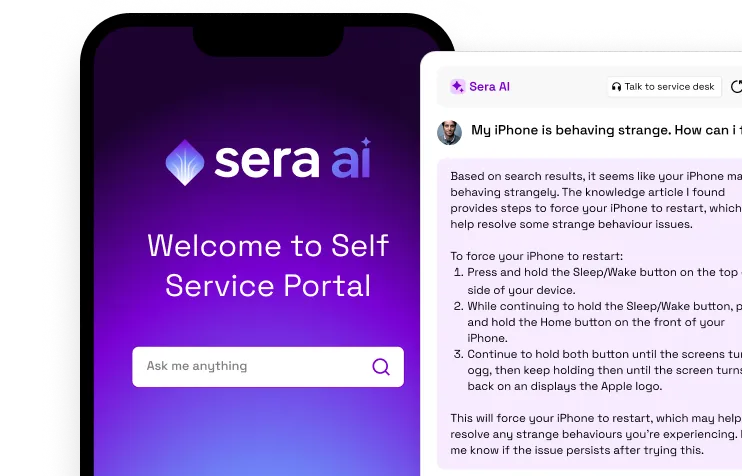
Create, organize, and continuously improve your knowledge base to find the right answers with Sera AI.
We're here to help

The integration with Atlassian Jira using the Xurrent Integration Service is

The integration with Atlassian Jira using the Xurrent Integration Service is

The integration with Atlassian Jira using the Xurrent Integration Service is

The integration with Atlassian Jira using the Xurrent Integration Service is

The integration with Atlassian Jira using the Xurrent Integration Service is

The integration with Atlassian Jira using the Xurrent Integration Service is

The integration with Atlassian Jira using the Xurrent Integration Service is

The integration with Atlassian Jira using the Xurrent Integration Service is
Resolve issues quickly with an AI-powered system that automates ticketing.
Unifiy IT, HR, Facilities, Finance, and more on a single, AI-powered service platform.
Simplify on-call scheduling, automate escalations, and reduce burnout.
Automate postmortems, AI summaries, and post-incident workflows
Create, organize, and continuously improve your knowledge base to find the right answers with Sera AI.
Resolve plant floor and IT issues before they disrupt production.
Stay audit-ready while resolving issues and reducing operational risk.

Detect, respond, and resolve incidents fast to cut downtime and MTTR.

Keep your store online, even during your biggest sales moments.

Protect patient data and resolve issues fast, so care teams stay focused on care.

Standardize service delivery across every store and channel.

We are here to help 24/7

Connect with other Xurrent Users

Get insights and tips on how to get the most out of Xurrent

Apps, APIs, and updates

Xurrent service functionality

Eliminate manual tasks, optimize workflows, and deliver faster resolutions.
Learn how organizations have reduced downtime, improved 50% MTTA & MTTR, and cut costs with Xurrent IMR.
Discover Xurrent IMR's quick support, bidirectional integrations with Jira and Slack, and more cohesive incident response capabilities compared to Opsgenie.
Understand why users value Xurrent IMR for its intuitive interface, efficient incident alerting, customizable On-call schedules, and escalations.
Retail is a sector that increasingly requires cutting edge technology. Whether shoppers purchase online or in-store, a good, organised point-of-sale system keeps your store functioning seamlessly. Ideally, all aspects of retail- supply chain, distribution, inventory management, HR, sales and marketing must be supported by an IT deck. According to this research, a 1-hour down time in Amazon on Prime Day caused a loss of 75–99 million USD in lost sales. This clearly demonstrates the need for businesses to be able to respond to and resolve issues in real time.
The rise of e-commerce has led to the expectation of 24/7 service by the customers. Any technology disruptions or degradation have a large impact on customers. Rather than wait the glitch out, customers flock to the competitors with similar service and a functioning system. The number of minutes your service is down is directly proportional to revenue losses.
How effectively an organization can both and avoid issues — in addition to mitigating, responding to, and handling issues when they do occur — can mean the difference between having happy customers versus no customers. This is where the ability to work real time really matters. We bring to you some ways in which organizations can help improve real time incident resolution:
1. Automation

For organizations to be able to function well over the long run, they must be able to identify, and resolve most (if not all) of their issues before they affect customers. Automation must be heavily integrated with all systems at all stages of operations. Automating your systems and alerts means that responders are on top of anything that goes wrong (or is about to go wrong), and they can collaborate and resolve it quickly and efficiently. Check out the Freshdesk integration by Xurrent IMR, that can help you track, resolve and analyse your tickets from a centralized hub.
2. Established Protocols
When customers report issues, companies often don’t have processes around responding to these issues. First-line responders must be fully empowered with knowledge and authority to resolve current issues and resolve future ones. Response processes should be well defined, coordinated, and leverage automation as much as possible to reduce manual work, enabling employees to spend more time on innovation.
3. Learning from past incidents
Organizations should learn from past issues, which should be automatically documented and made available, and improvements quickly implemented. Teams should complete postmortems majority of incidents and complete follow-up tasks, taking full advantage of the opportunity to learn from incidents — and taking steps to implement improvements that can help reduce the risk of the same incidents from recurring.
4. Taking care of on-call engineers

Being on call can have a major negative impact on on-call responders’ happiness, both at work and in their personal lives. Responders can be interrupted by calls waking them up at night and pulling them away from important family events — and what makes it even worse is when they find out that many of the alerts are unactionable anyway, either due to lack of information or false alarms. The risk of burnout for on-call responders is very real, resulting in high turnover and the loss of highly skilled technical employees for organizations — which can mean even slower response times and more unhappy customers when incidents arise.
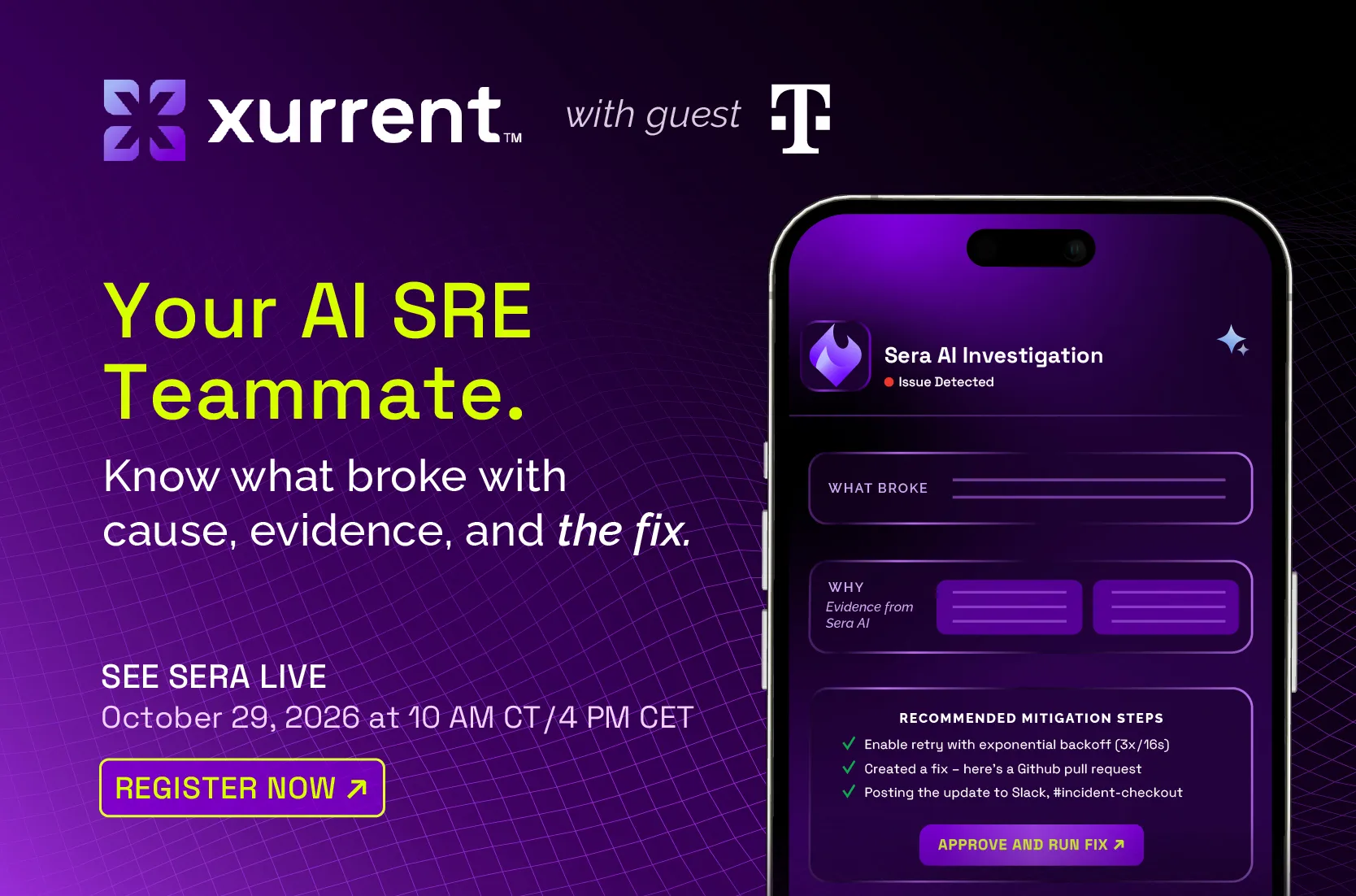
Most AI SREs are pattern matchers trained on public data. They know what a memory leak looks like in the abstract. They don't know that your payments-api has a flaky liveness probe everyone ignores, that the checkout team owns the retry policy, or that the last three "database incidents" were actually cache misconfigurations. That knowledge lives in your postmortems, your Slack channels, and the heads of two senior engineers.
Most vendors will tell you ITSM implementation takes six months to a year — but modern, configuration-first platforms have rewritten the math entirely. See what real implementations look like in 2026, and why a long rollout is now a choice, not a given.

.webp)