





Blog
Insights & updates from our experts


Resolve plant floor and IT issues before they disrupt production.

Stay audit-ready while resolving issues and reducing operational risk.
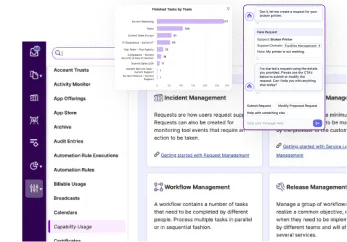
Resolve issues quickly with an AI-powered system that automates ticketing.
Unifiy IT, HR, Facilities, Finance, and more on a single, AI-powered service platform.
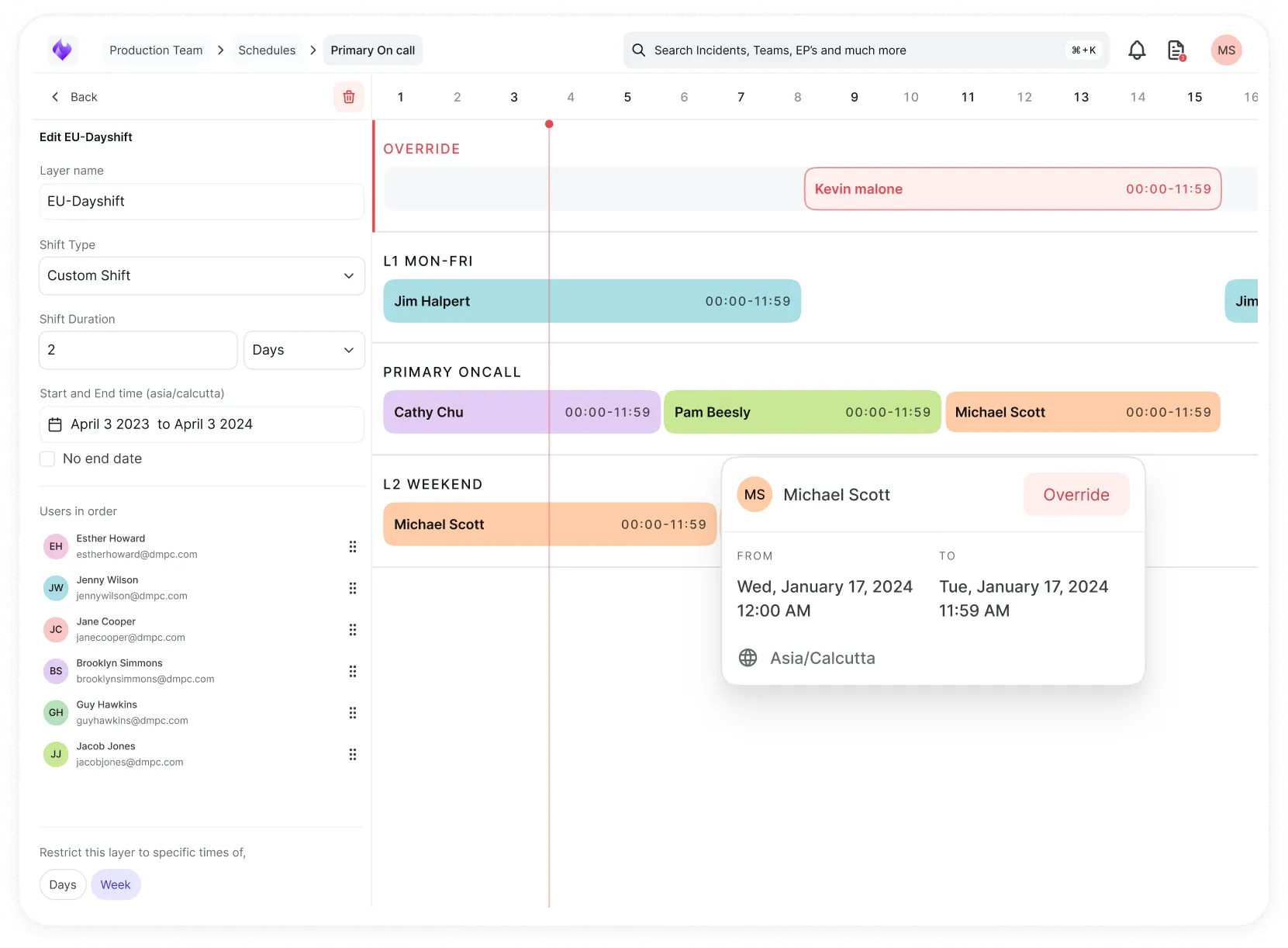
Simplify on-call scheduling, automate escalations, and reduce burnout.
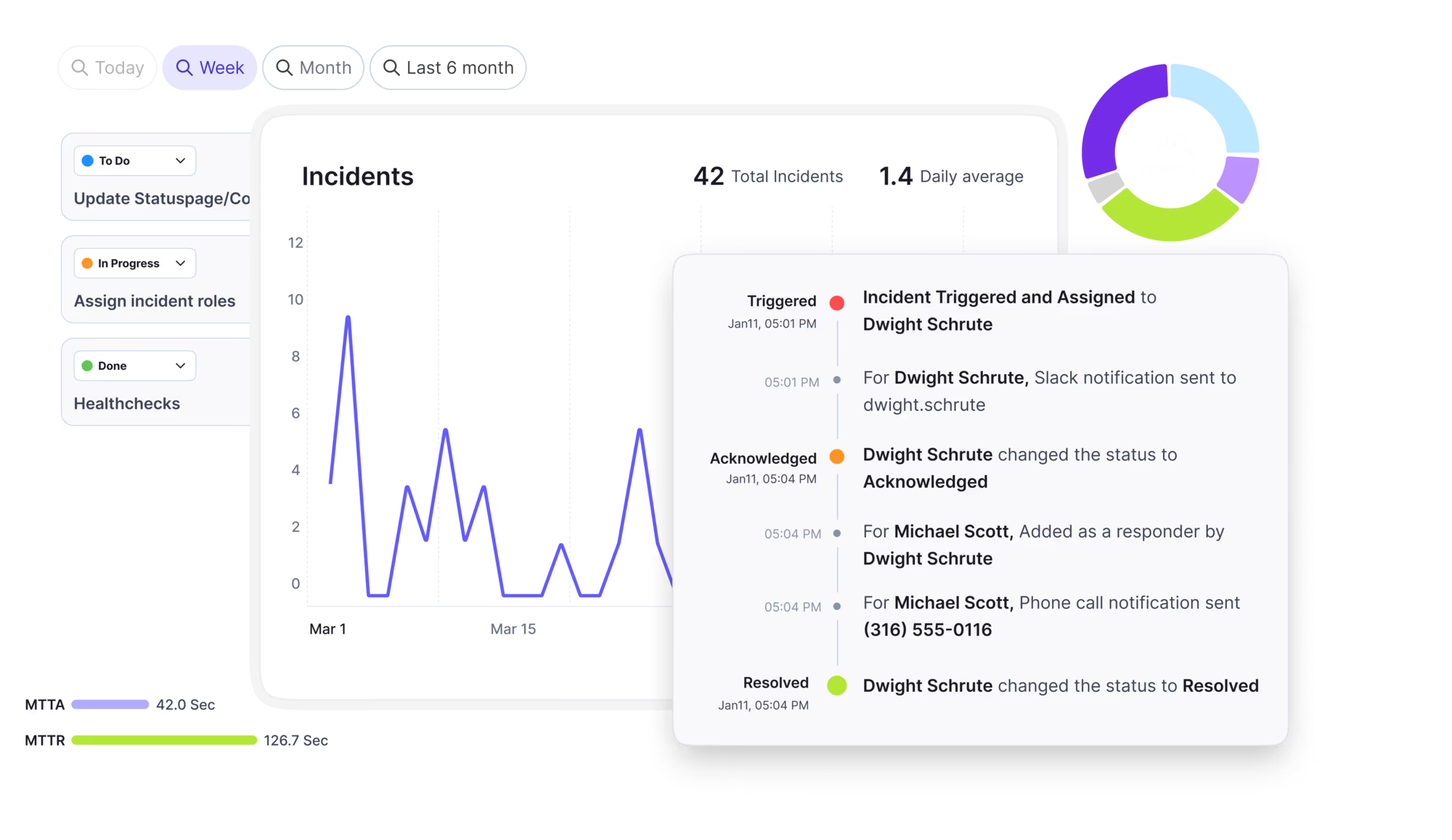
Automate postmortems, AI summaries, and post-incident workflows
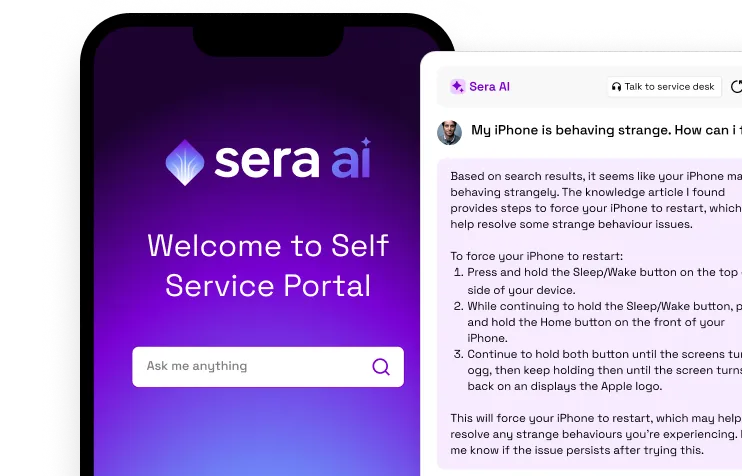
Create, organize, and continuously improve your knowledge base to find the right answers with Sera AI.
We're here to help

The integration with Atlassian Jira using the Xurrent Integration Service is

The integration with Atlassian Jira using the Xurrent Integration Service is

The integration with Atlassian Jira using the Xurrent Integration Service is

The integration with Atlassian Jira using the Xurrent Integration Service is

The integration with Atlassian Jira using the Xurrent Integration Service is

The integration with Atlassian Jira using the Xurrent Integration Service is

The integration with Atlassian Jira using the Xurrent Integration Service is

The integration with Atlassian Jira using the Xurrent Integration Service is
Resolve issues quickly with an AI-powered system that automates ticketing.
Unifiy IT, HR, Facilities, Finance, and more on a single, AI-powered service platform.
Simplify on-call scheduling, automate escalations, and reduce burnout.
Automate postmortems, AI summaries, and post-incident workflows
Create, organize, and continuously improve your knowledge base to find the right answers with Sera AI.
Resolve plant floor and IT issues before they disrupt production.
Stay audit-ready while resolving issues and reducing operational risk.

Detect, respond, and resolve incidents fast to cut downtime and MTTR.

Keep your store online, even during your biggest sales moments.

Protect patient data and resolve issues fast, so care teams stay focused on care.

Standardize service delivery across every store and channel.

We are here to help 24/7

Connect with other Xurrent Users

Get insights and tips on how to get the most out of Xurrent

Apps, APIs, and updates

Xurrent service functionality

Eliminate manual tasks, optimize workflows, and deliver faster resolutions.
Learn how organizations have reduced downtime, improved 50% MTTA & MTTR, and cut costs with Xurrent IMR.
Discover Xurrent IMR's quick support, bidirectional integrations with Jira and Slack, and more cohesive incident response capabilities compared to Opsgenie.
Understand why users value Xurrent IMR for its intuitive interface, efficient incident alerting, customizable On-call schedules, and escalations.
Most people think AI hallucinations are a bug that will eventually be fixed. They are not.
It is an easy belief to hold. AI vendors keep announcing lower hallucination rates with every release, and every other piece of broken software you have ever used eventually gets fixed. The pattern looks identical.
IT departments have been following that belief. Teams wait for the next model. They write longer prompts begging the model to be accurate. They hold off on the AI projects that would actually matter until "the technology matures." And every quarter, they are surprised that the new model is still wrong sometimes.
Here is what is actually happening inside an LLM. The model does not retrieve answers, it generates them. Word by word, the model rolls a weighted die. The heavier sides are the words more likely to be correct, based on everything the model was trained on. Most rolls land heavy and the output reads as accurate. But the die is still a die. A hallucination is what happens when a string of unlikely rolls produces a sentence that reads beautifully and is completely wrong. The model is not lying. The math is doing exactly what it was built to do.

Prompting matters. It shapes how the model behaves. Tell it to be accurate. Tell it to cite sources. Tell it to stay in scope. That work is real, and it is part of how you ship a useful AI product. But prompting alone is not the control layer. A prompt shifts the weights on the die. It does not change that the die is being rolled. The model still picks each word based on probability, not truth. Prompting is necessary. It is not enough on its own.
The cost shows up the first time you put AI in a role where being right is the job. Picture an on-call engineer asking the AI for the status of an incident. The AI returns a confident summary. Most of it is correct. One sentence invents a status that was never logged. The engineer acts on the summary. The wrong status flows downstream. The team finds out hours later. After that, no one trusts the AI again, and the team retreats to spreadsheets. The misallocation was not the AI. It was the role you put it in.
Now picture the same scene with the AI in the right role. Same engineer, same incident. This time the AI is not asked to know the status. It is asked to pull the status from the system of record and translate it into a plain-English summary the engineer can act on. The system of record holds the truth. The AI handles the language. The engineer gets a clear picture in thirty seconds, every fact in the summary traceable back to a real record. The LLM did the work it is good at. The platform holds the truth. Nobody retreats to spreadsheets.
Here is the underlying principle. The closer the AI is to the source data, the less likely it is to hallucinate. When the platform hands the AI the actual record and asks it to translate, the AI is one step from the truth. When the AI is asked to recall what it was trained on, it might be a thousand steps. Hallucination risk drops with every step you remove between the model and the source. It never reaches zero. The AI can still pick a wrong word in the translation. But that wrong word now points back to a source record, and the truth never left the platform.
Enterprises are not looking for AI that never gets anything wrong. They are looking for AI they can manage. Hallucinations are inevitable. So is human error. The companies that succeed with AI do not eliminate either. They build the systems to catch both.
That is what governance is for. Audit trails that record what the AI did and why. Rollback for actions that turn out to be wrong. Access boundaries that limit what the AI can touch. Retention controls that decide what gets kept. Observability that shows how the AI is reasoning over time. None of these are exciting. All of them are the difference between an AI experiment and an AI you can run in production.
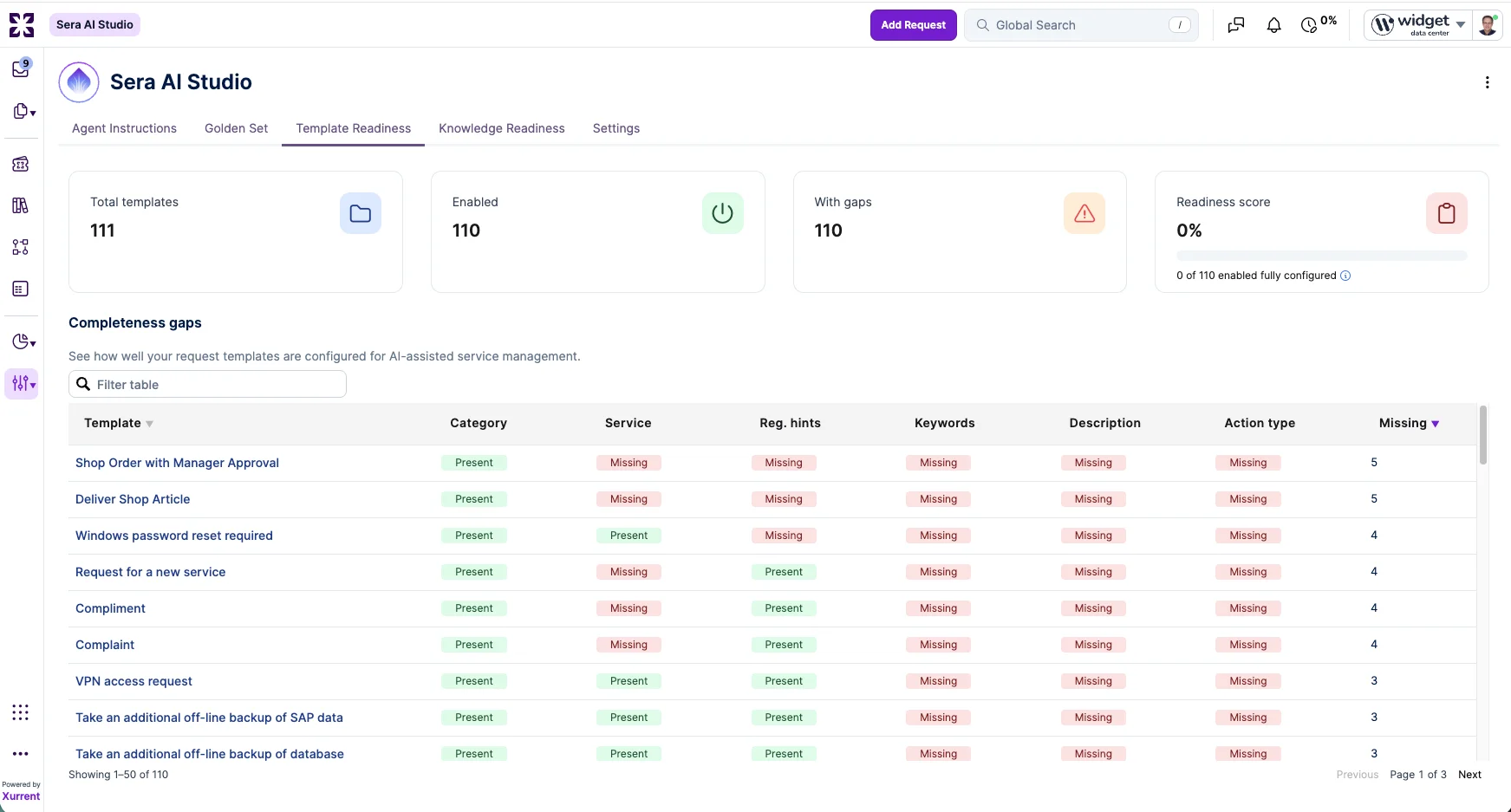
The honest way to talk about AI hallucinations is that no vendor eliminates them, anyone who claims otherwise is selling you something. What actually matters is whether you can see them, control them, and drive them out over time. That's what Sera AI is built for. Rather than asking customers to trust a black box, Xurrent gives them the tooling to earn confidence in the answers: they can seed the questions their users are likely to ask, run them against the virtual agent, and inspect the responses before anything reaches an end user. When an answer is wrong, Sera AI doesn't just flag it, it traces the answer back to the underlying data that produced it, so the customer can fix the source and improve the agent. Add audit trails and configuration controls on top, and the result is an AI you can test, govern, and continuously tighten. The message isn't "our AI never hallucinates." It's "our AI is the one you can actually manage."
Hallucinations are inevitable. Misallocation is the unforced error. Governance is how you ship anyway.
.webp)
Most enterprise AI is a chatbot stuck to the side of your tools. We built something different. Two MCP servers, one for incident response and one for service operations, that let you ask your operational data anything, and in the case of ITSM, act on it, using whatever AI client your team already uses.

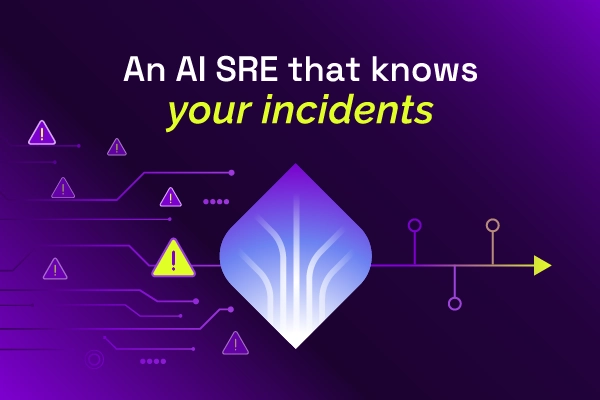
Most AI SREs are pattern matchers trained on public data. They know what a memory leak looks like in the abstract. They don't know that your payments-api has a flaky liveness probe everyone ignores, that the checkout team owns the retry policy, or that the last three "database incidents" were actually cache misconfigurations. That knowledge lives in your postmortems, your Slack channels, and the heads of two senior engineers.

Most vendors will tell you ITSM implementation takes six months to a year — but modern, configuration-first platforms have rewritten the math entirely. See what real implementations look like in 2026, and why a long rollout is now a choice, not a given.
.webp)
.webp)

.webp)