






Blog
Insights & updates from our experts


Resolve plant floor and IT issues before they disrupt production.

Stay audit-ready while resolving issues and reducing operational risk.
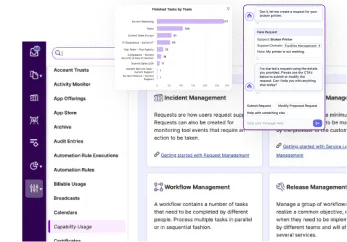
Resolve issues quickly with an AI-powered system that automates ticketing.
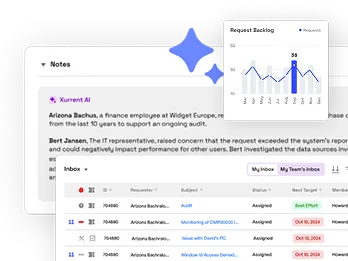
Unifiy IT, HR, Facilities, Finance, and more on a single, AI-powered service platform.
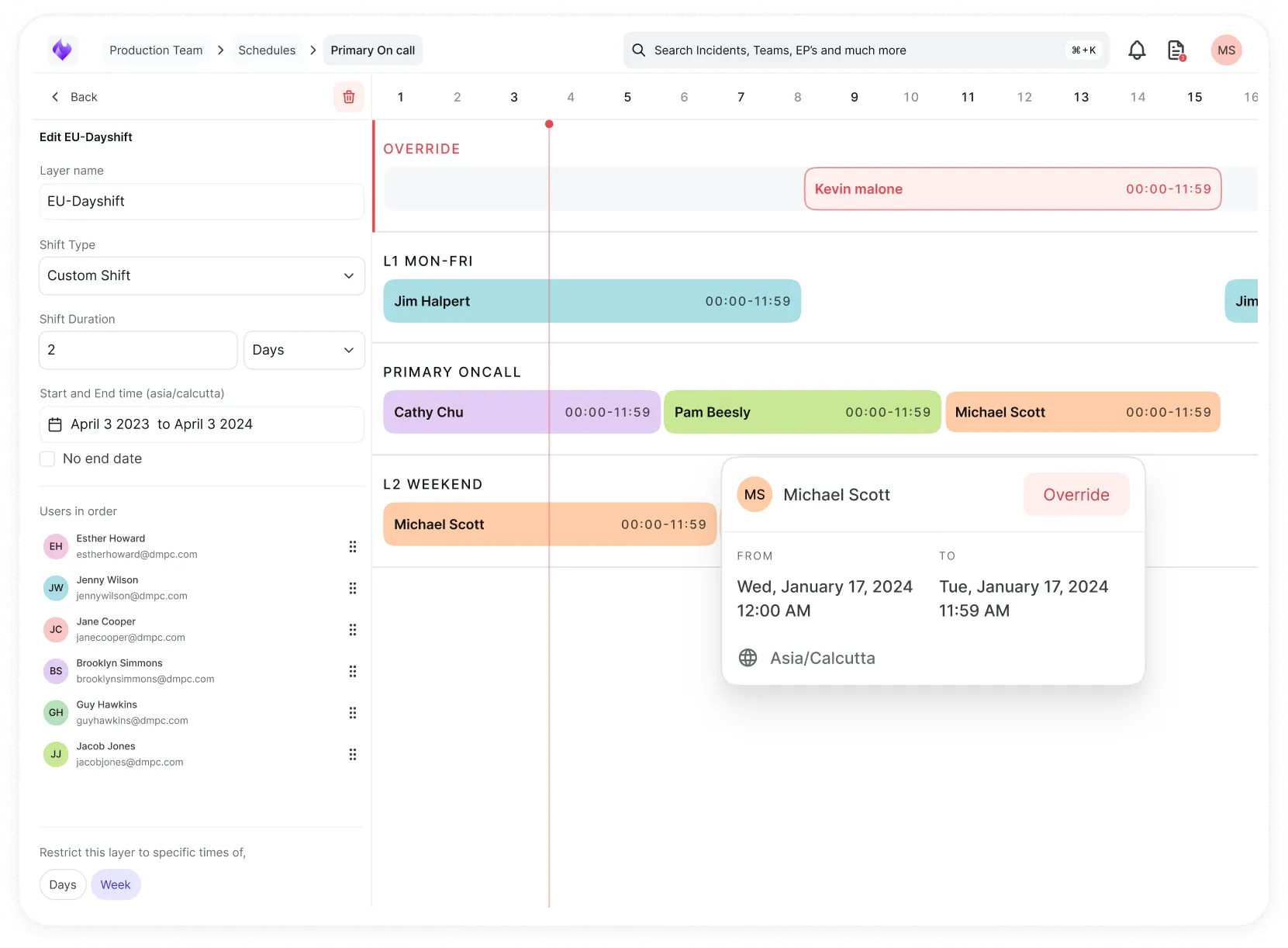
Simplify on-call scheduling, automate escalations, and reduce burnout.
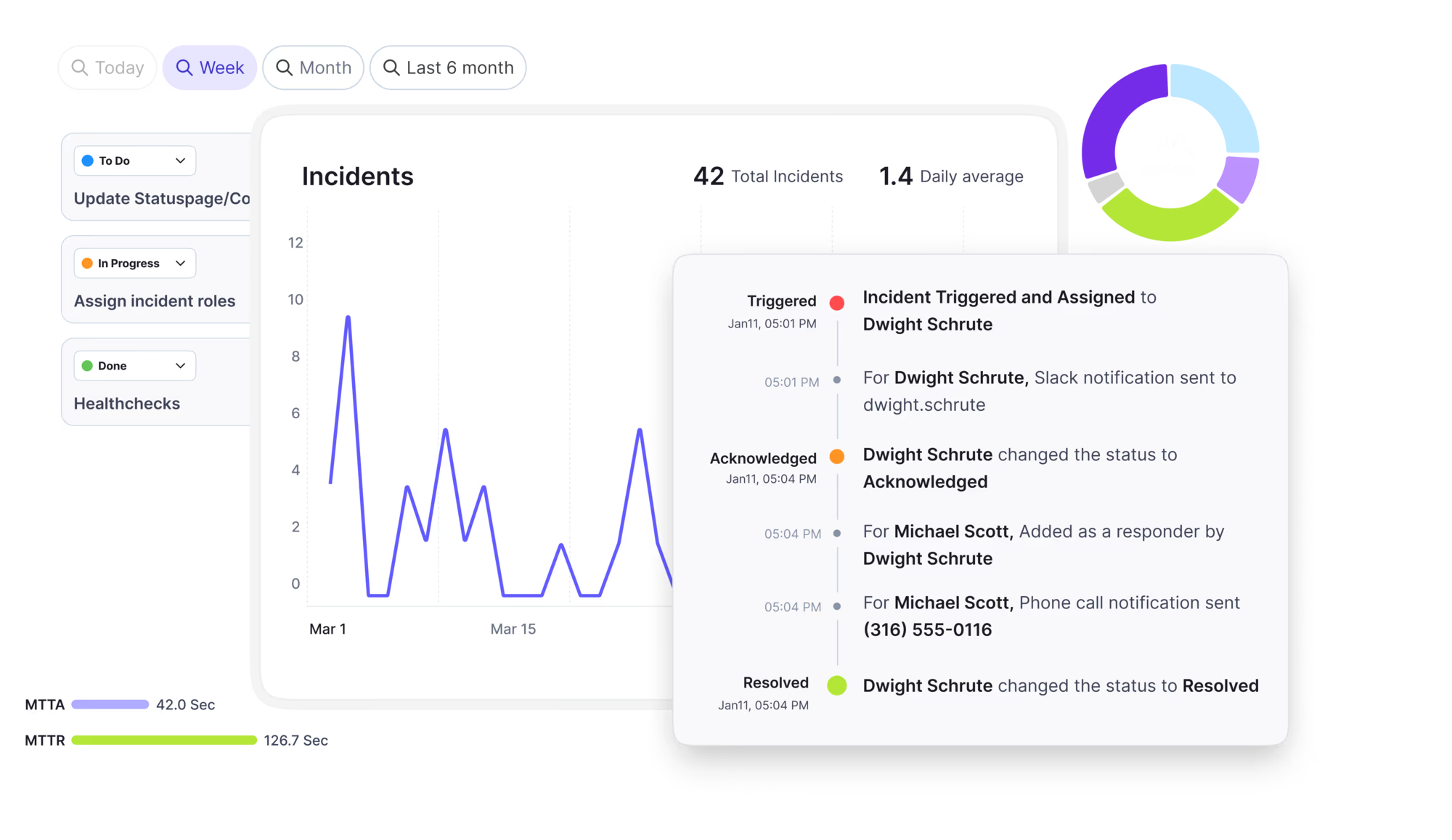
Automate postmortems, AI summaries, and post-incident workflows
Create, organize, and continuously improve your knowledge base to find the right answers with Sera AI.

We're here to help

The integration with Atlassian Jira using the Xurrent Integration Service is

The integration with Atlassian Jira using the Xurrent Integration Service is

The integration with Atlassian Jira using the Xurrent Integration Service is

The integration with Atlassian Jira using the Xurrent Integration Service is

The integration with Atlassian Jira using the Xurrent Integration Service is

The integration with Atlassian Jira using the Xurrent Integration Service is

The integration with Atlassian Jira using the Xurrent Integration Service is

The integration with Atlassian Jira using the Xurrent Integration Service is
Resolve issues quickly with an AI-powered system that automates ticketing.
Unifiy IT, HR, Facilities, Finance, and more on a single, AI-powered service platform.
Simplify on-call scheduling, automate escalations, and reduce burnout.
Automate postmortems, AI summaries, and post-incident workflows
Create, organize, and continuously improve your knowledge base to find the right answers with Sera AI.
Resolve plant floor and IT issues before they disrupt production.
Stay audit-ready while resolving issues and reducing operational risk.

Detect, respond, and resolve incidents fast to cut downtime and MTTR.

Keep your store online, even during your biggest sales moments.

Protect patient data and resolve issues fast, so care teams stay focused on care.

Standardize service delivery across every store and channel.

We are here to help 24/7

Connect with other Xurrent Users

Get insights and tips on how to get the most out of Xurrent

Apps, APIs, and updates

Xurrent service functionality

Eliminate manual tasks, optimize workflows, and deliver faster resolutions.
Learn how organizations have reduced downtime, improved 50% MTTA & MTTR, and cut costs with Xurrent IMR.
Discover Xurrent IMR's quick support, bidirectional integrations with Jira and Slack, and more cohesive incident response capabilities compared to Opsgenie.
Understand why users value Xurrent IMR for its intuitive interface, efficient incident alerting, customizable On-call schedules, and escalations.

A low-code leader moved uptime reporting for 6,000+ clients onto Xurrent IMR, and stopped maintaining code to do it.
Quickbase spends its days helping companies stop building things by hand. Its low-code platform lets 6,000 clients, many of them Fortune 100, assemble the applications they need without standing up a development team. So there is a quiet irony in how Quickbase used to run its own status page: it had built the thing itself, in code, and was maintaining it by hand for years.
That worked, until it didn't. When it came time to fix it, Quickbase moved its uptime reporting to Xurrent IMR.
Outcome: a self-service status page the SRE team runs without managing code, with a multi-year system of record.
Quickbase's custom uptime tool carried an ongoing tax: it needed maintenance and code management to keep working. That was manageable at first, then stopped being so as people changed roles and the knowledge to maintain it grew thin. A status page that depends on whoever last touched the code is a fragile way to keep a promise to 6,000 clients.
Two things separated Xurrent IMR from the shortlist. The first was responsiveness: the team behind it was notably faster and more agile to work with. The second was ease: simple to implement, with widgets and views straightforward to customize, so Quickbase could shape the page without writing and maintaining code. It also wanted a durable system of record, retrievable rather than reconstructed.
Because Xurrent IMR stores and retrieves historical data, Quickbase's site reliability team now runs a status page that communicates uptime and stands as ongoing proof of its commitment to service. Just as important is what the team no longer does: the reporting that once meant maintaining a homegrown tool now runs on a platform Quickbase does not have to keep alive itself. For a company whose value proposition is helping others stop building tools by hand, that is a fitting place to land.
See how Xurrent IMR gives you a status page and a system of record without the code to maintain.



.webp)
.webp)


.webp)