




Blog
Insights & updates from our experts


Resolve plant floor and IT issues before they disrupt production.

Stay audit-ready while resolving issues and reducing operational risk.
Resolve issues quickly with an AI-powered system that automates ticketing.
Unifiy IT, HR, Facilities, Finance, and more on a single, AI-powered service platform.
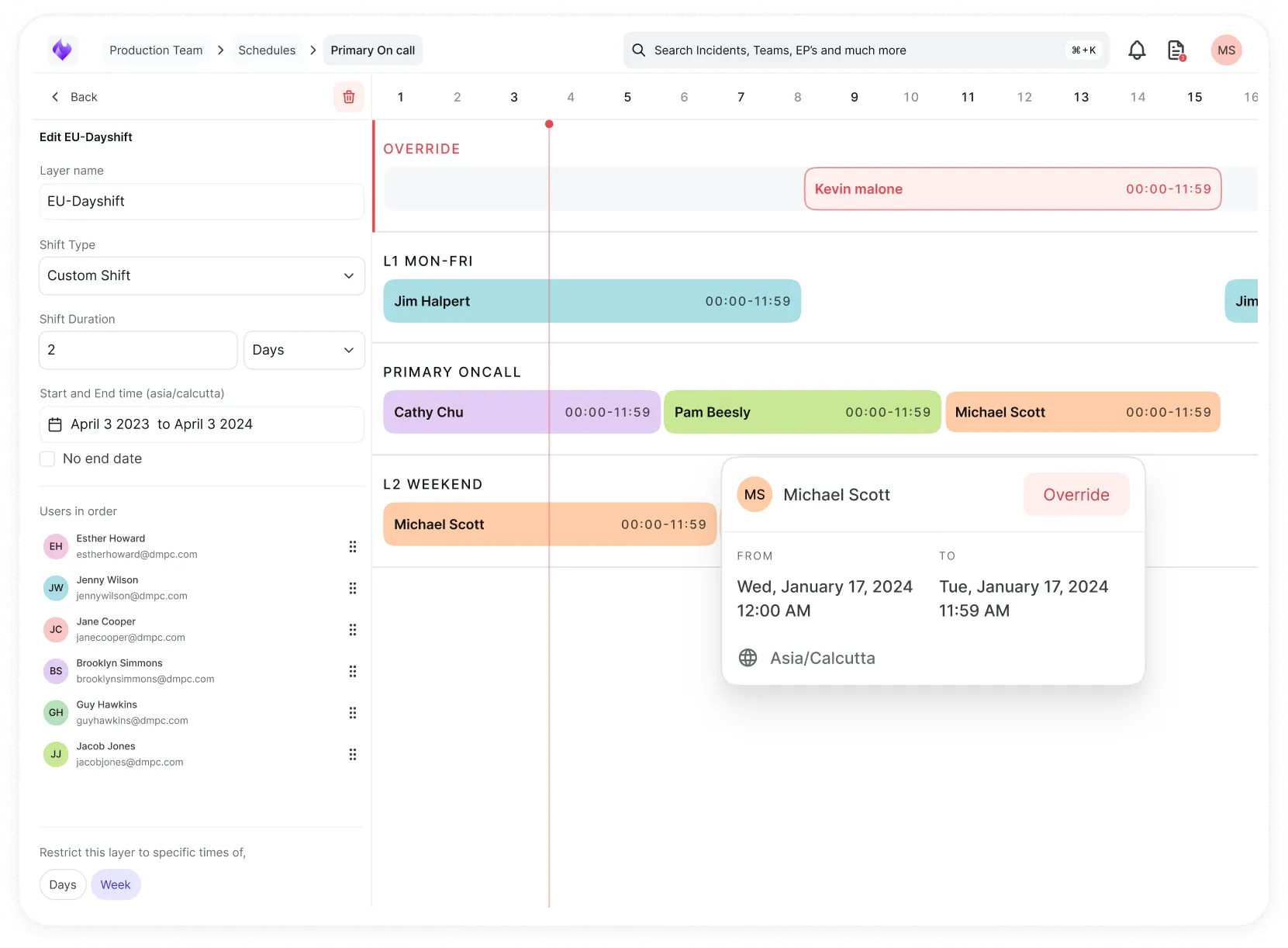
Simplify on-call scheduling, automate escalations, and reduce burnout.
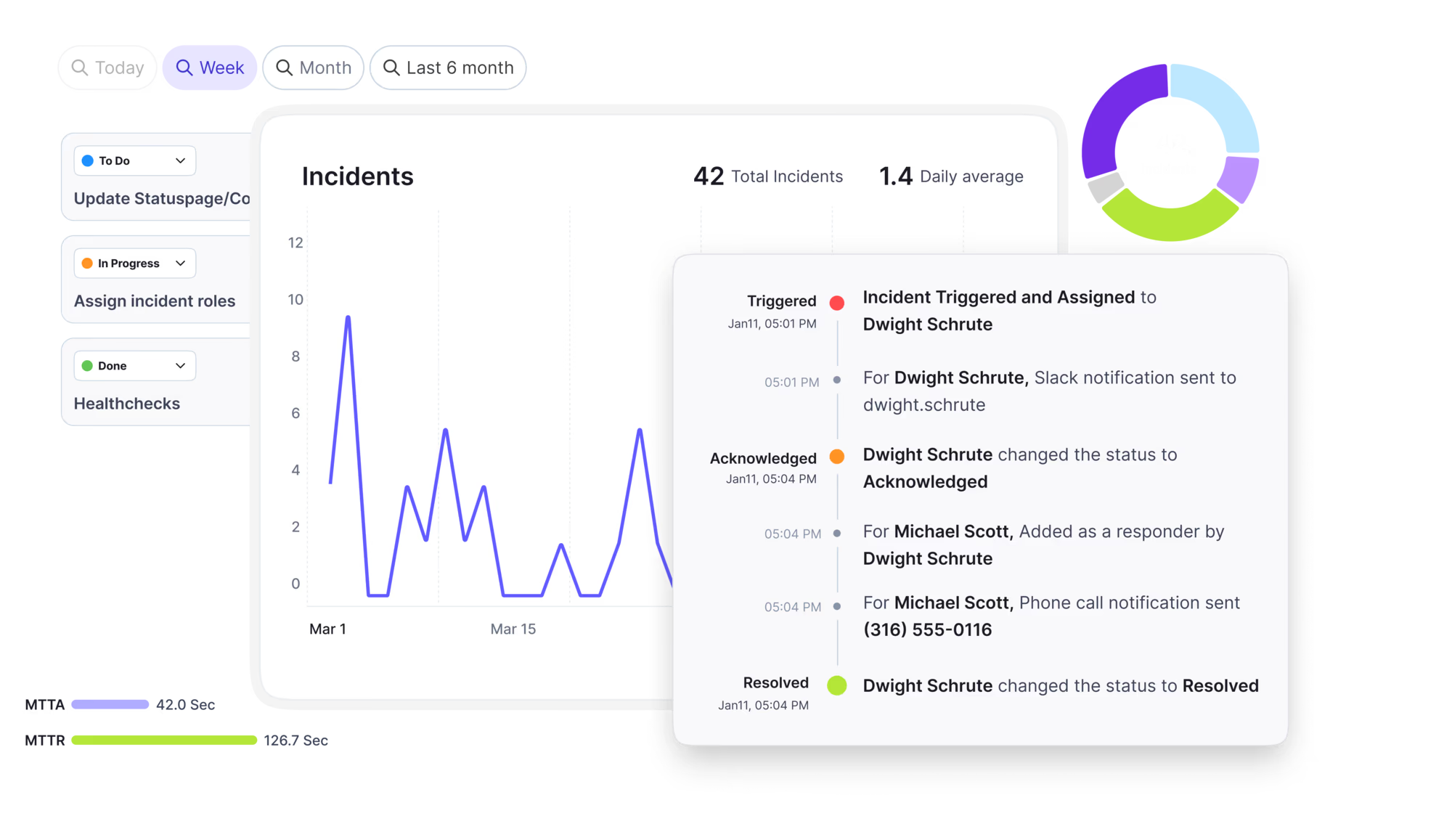
Automate postmortems, AI summaries, and post-incident workflows
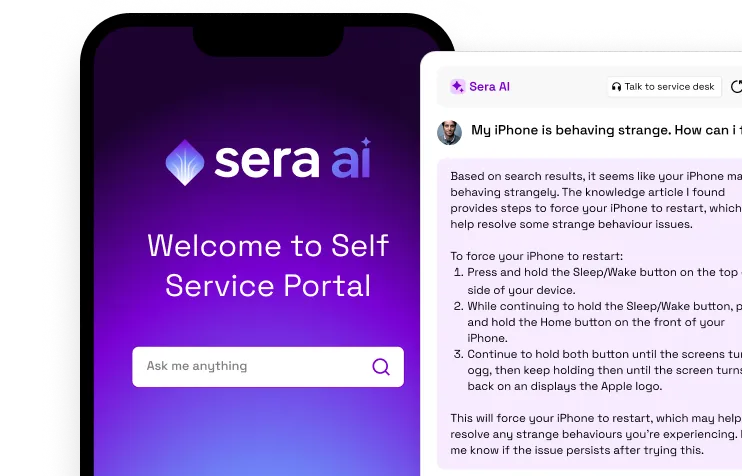
Create, organize, and continuously improve your knowledge base to find the right answers with Sera AI.
We're here to help

The integration with Atlassian Jira using the Xurrent Integration Service is

The integration with Atlassian Jira using the Xurrent Integration Service is

The integration with Atlassian Jira using the Xurrent Integration Service is

The integration with Atlassian Jira using the Xurrent Integration Service is

The integration with Atlassian Jira using the Xurrent Integration Service is

The integration with Atlassian Jira using the Xurrent Integration Service is

The integration with Atlassian Jira using the Xurrent Integration Service is

The integration with Atlassian Jira using the Xurrent Integration Service is
Resolve issues quickly with an AI-powered system that automates ticketing.
Unifiy IT, HR, Facilities, Finance, and more on a single, AI-powered service platform.
Simplify on-call scheduling, automate escalations, and reduce burnout.
Automate postmortems, AI summaries, and post-incident workflows
Create, organize, and continuously improve your knowledge base to find the right answers with Sera AI.
Resolve plant floor and IT issues before they disrupt production.
Stay audit-ready while resolving issues and reducing operational risk.

Detect, respond, and resolve incidents fast to cut downtime and MTTR.

Keep your store online, even during your biggest sales moments.

Protect patient data and resolve issues fast, so care teams stay focused on care.

Standardize service delivery across every store and channel.

We are here to help 24/7

Connect with other Xurrent Users

Get insights and tips on how to get the most out of Xurrent

Apps, APIs, and updates

Xurrent service functionality

Eliminate manual tasks, optimize workflows, and deliver faster resolutions.
Learn how organizations have reduced downtime, improved 50% MTTA & MTTR, and cut costs with Xurrent IMR.
Discover Xurrent IMR's quick support, bidirectional integrations with Jira and Slack, and more cohesive incident response capabilities compared to Opsgenie.
Understand why users value Xurrent IMR for its intuitive interface, efficient incident alerting, customizable On-call schedules, and escalations.

A private status page on Xurrent IMR cut MTTR by 37% and gave engineers back four hours per incident.
When a service slows down at a company of 80,000 people, the first cost is not the outage. It is the confusion. Is it the network, or my laptop? Is everyone affected, or just me? Should I file a ticket, or wait? Multiply that uncertainty across tens of thousands of employees and dozens of services, and the support queue fills with the same question asked a thousand ways, while the engineers who could fix the actual problem spend their time answering it.
That was the daily reality for Cisco's Enterprise Operations Center. The team needed a way to tell everyone the truth about service health at once, without burying anyone in email. They built it on Xurrent IMR.
Plus a shift away from blast-email updates that once sent as many as 26,000 emails a month.
Cisco struggled to communicate the status of its software services across more than 80,000 employees. Several tools in use, including ServiceNow and PagerDuty, did not surface incidents in a way the whole company could see, so engineers reported them manually. Email was the fallback, but opting in meant hearing about everything, so most people never did.
Cisco's Enterprise Operations Center chose the private status page in Xurrent IMR for its deep customization and automation. The platform pushes real-time updates without manual entry, and the team built a page that covers incidents and scheduled maintenance, organized by category. Adoption climbed once employees realized they could subscribe to exactly the incidents relevant to them.
Over the following year, Xurrent IMR helped Cisco cut Mean Time to Repair by 37%, alongside a marked drop in support requests. The operations center saves about four hours per incident, time that goes straight back into resolving the problem. At Cisco's scale that matters: for large enterprises, downtime can cost one to five million dollars an hour, so every minute off MTTR protects real money.
Because Xurrent IMR connects with the rest of Cisco's stack, including ServiceNow and PagerDuty, updates push automatically. That combination, automated updates plus self-service visibility, is what gives engineers their time back.
See how Xurrent IMR keeps your whole organization informed and your engineers focused on resolution.



.webp)
.webp)
.webp)