AI SRE tools promise to cut alert noise, find root cause faster, and take repetitive toil off your on-call team. But the category now covers everything from alert correlators to agents that act in production on their own.
The stakes are real. For over 90% of mid-size and large enterprises, a single hour of downtime costs more than $300,000 (ITIC 2024). The right tool pays for itself in one avoided outage; the wrong one adds another dashboard.
In this guide, we compare the 10 best AI SRE tools: what each does, who it's built for, and where it falls short, so you can match a tool to your team's biggest pain.
AI SRE Tools at a glance
1. Xurrent IMR
- Founded: 2019
- Similar to: PagerDuty, incident.io
- Typical users: SRE, DevOps, and IT operations teams
- Typical customers: Enterprises running ITIL, SRE, and DevOps side by side
What is Xurrent IMR?
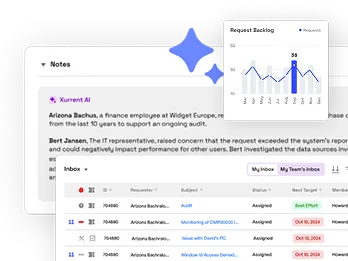
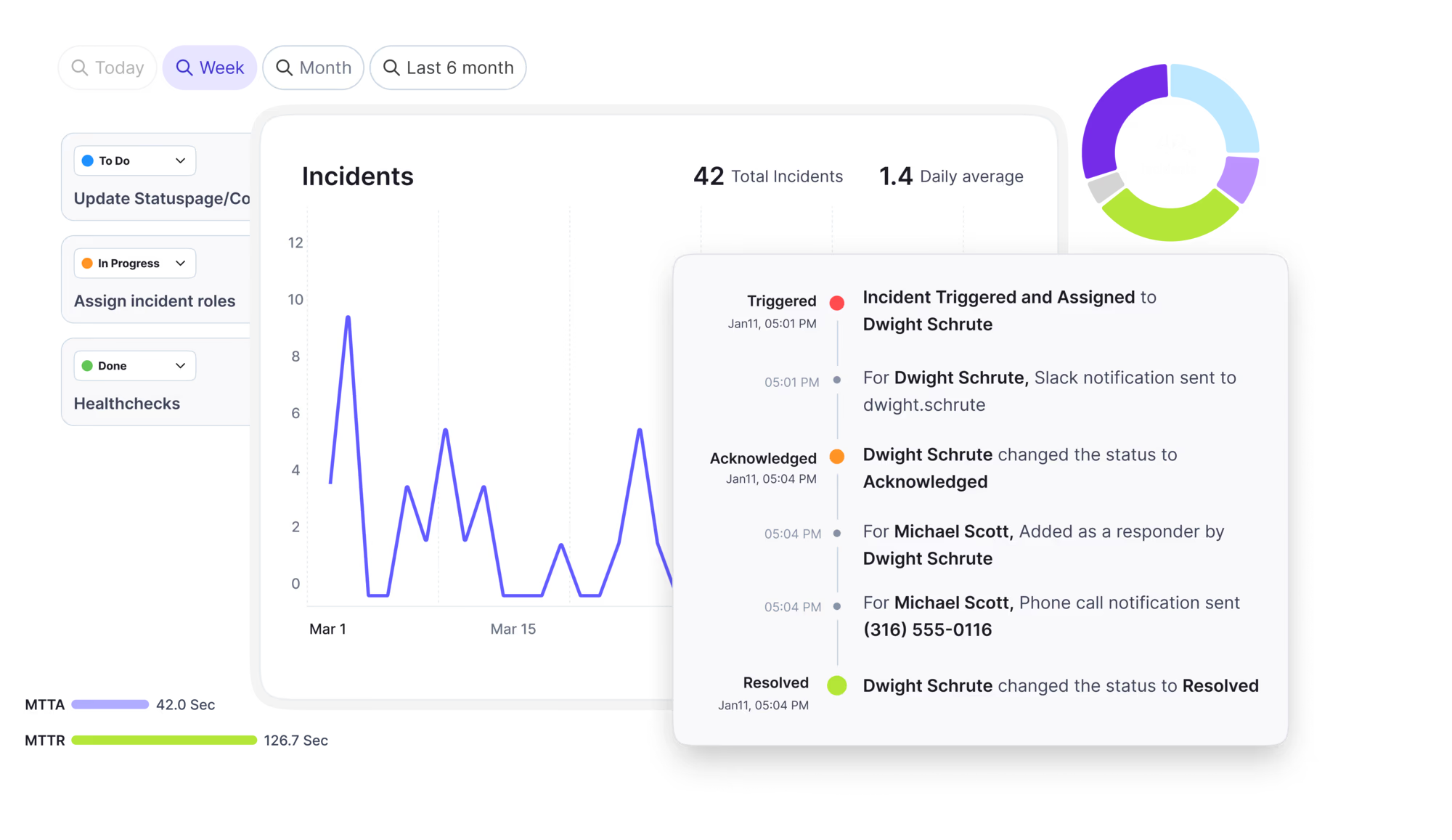
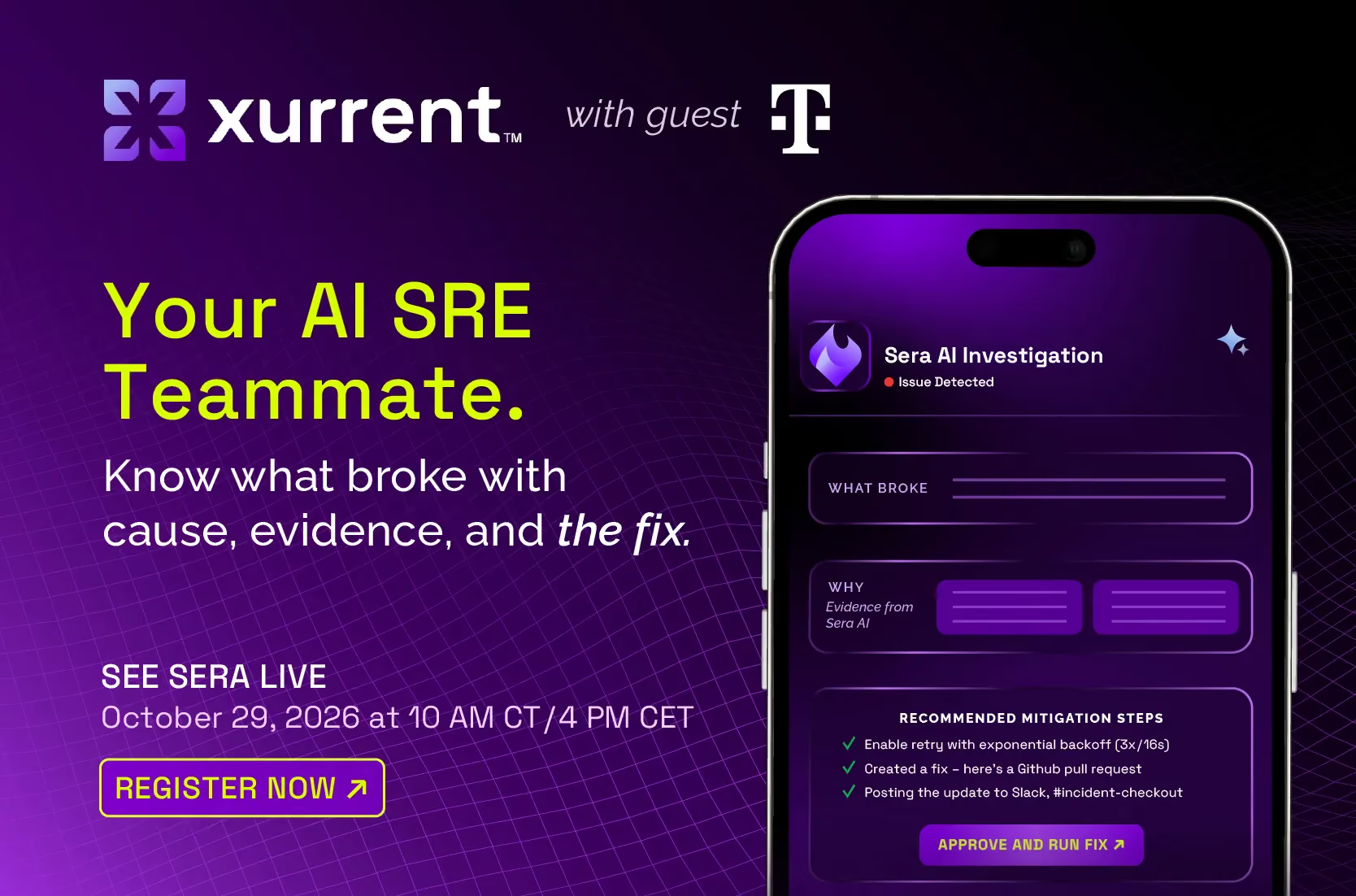
Xurrent IMR is an AI-native incident management platform that centralizes alerts, on-call, response, and postmortems in one system. Its AI layer, Sera AI, filters noise and surfaces probable root cause with a confidence level, evidence, and mitigation steps. It learns from your own incident history, not generic public data.
Key features
- Noise reduction: AI correlation and intelligent suppression route only actionable alerts to responders.
- Root cause analysis: The Sera AI Root Cause Agent shows probable cause, supporting evidence, and next steps.
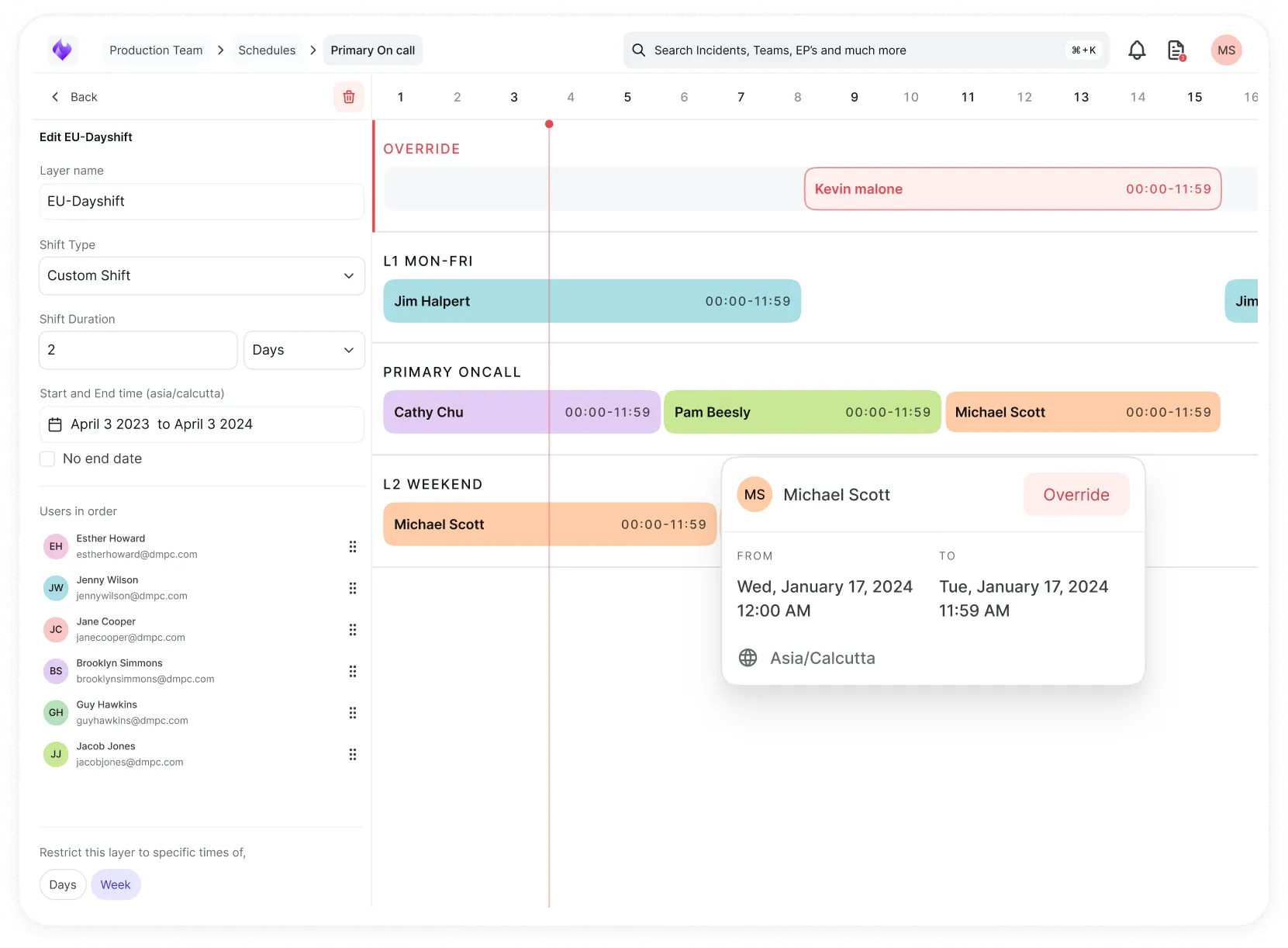
- On-call and response: Intelligent on-call scheduling, custom alert routing, war rooms, and context-aware runbooks.
- Postmortems: Automated timelines and blameless postmortem workflows, ready when the incident closes.
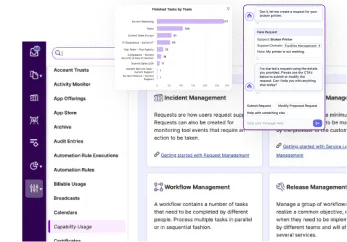
- Status pages and ITSM: Built-in stakeholder comms, plus native ties to Xurrent ITSM through the ITxM layer.
- Integrations and security: 150+ integrations; SOC 2 and ISO 27001 compliant.
What makes Xurrent IMR different?
- One connected system for detection, response, communication, and learning, instead of stitched-together point tools.
- Advisory-first AI with graduated automation, so autonomy grows only as trust is earned.
- Single line-item pricing, with no AI add-ons and no renewal shocks.
- Proven results: at Bajaj Finserv Health, every incident is acknowledged in under five minutes, and monthly reporting went from three hours to zero.
Bottom line
For enterprise SRE and DevOps teams that want alerting, on-call, response, and learning in one platform, Xurrent IMR is the most complete choice on this list.
2. Resolve AI
- Founded: 2024
- Similar to: PagerDuty SRE Agent, Komodor
- Typical users: Platform engineering and SRE teams
- Typical customers: Large tech and fintech companies such as Coinbase, DoorDash, and Zscaler
What is Resolve AI?
Resolve AI is an autonomous AI SRE built to go on-call for your team. Its agents triage and mitigate alerts, investigate incidents, and escalate to a human only when needed. It was founded by the co-creators of OpenTelemetry, who previously ran Splunk Observability.
Key features
- Primary on-call: Agents hold the pager, triage alerts, and escalate with full context.
- Incident investigation: A team of agents investigates in parallel to reach root cause.
- Issue remediation: Passes production context to coding agents to fix recurring issues.
- Hivemind: A knowledge layer that tracks live production state and recent changes.
- Custom agents: Build your own SRE agents for operational tasks.
How does Resolve AI compare to Xurrent IMR?
Main differences
- Resolve AI is autonomous-first; Xurrent IMR starts in advisory mode and expands automation step by step.
- Resolve AI prices on credits consumed by agent work; Xurrent IMR uses single line-item pricing.
- Xurrent IMR pairs incident response with status pages and ITSM in one platform.
Main similarities
- Both surface root cause with supporting evidence.
- Both learn from your own environment rather than generic data.
- Both offer enterprise security controls, including audit logging and role-based access.
Bottom line
If your org has mature observability and wants AI to take on real production authority, Resolve AI is the most ambitious option. Model credit costs against a bad incident month first.
3. Datadog Bits AI
- Founded: 2010 (Datadog)
- Similar to: New Relic, Dynatrace
- Typical users: DevOps, SRE, and platform teams
- Typical customers: Cloud-native companies already on Datadog
What is Datadog Bits AI?
Bits AI is the AI assistant inside Datadog's observability platform. It can auto-launch investigations across metrics, logs, and traces already in Datadog.
Key features
- Auto-investigations: Starts investigating when alerts fire.
- Cross-signal reasoning: Works across Datadog metrics, logs, and traces.
- Native to Datadog: No separate tool to deploy if you're already a customer.
How does Datadog Bits AI compare to Xurrent IMR?
Main differences
- Bits AI reasons only over data inside Datadog; Xurrent IMR connects to 150+ tools across your stack.
- Datadog pricing is usage-based and grows with telemetry; Xurrent IMR pricing is a single line item.
Main similarities
- Both investigate incidents automatically and suggest probable cause.
- Both are SaaS and advisory by default.
Bottom line
A strong pick if most of your telemetry already lives in Datadog. If key signals live elsewhere, its investigations can't see them.
4. Dynatrace
- Founded: 2005
- Similar to: Datadog, New Relic
- Typical users: Enterprise IT operations and SRE teams
- Typical customers: Large enterprises with complex, hybrid environments
What is Dynatrace?
Dynatrace is an observability platform with topology-aware causal AI. It maps dependencies across your environment automatically and uses that map to pinpoint cause.
Key features
- Causal AI: Traces problems through a live dependency map rather than correlating by time alone.
- Automatic topology: Discovers services and dependencies without manual setup.
- Full-stack observability: Covers infrastructure, applications, and user experience.
How does Dynatrace compare to Xurrent IMR?
Main differences
- Dynatrace is an observability platform first; Xurrent IMR is an incident management platform that connects to your observability tools.
- Dynatrace prices on consumption; Xurrent IMR uses single line-item pricing.
Main similarities
- Both surface probable root cause in advisory mode.
- Both are built for enterprise-scale environments.
Bottom line
A strong fit for complex enterprise topologies, especially if you're already a Dynatrace customer. Watch consumption costs as your environment grows.
5. PagerDuty
- Founded: 2009
- Similar to: Xurrent IMR, Opsgenie
- Typical users: On-call engineers, SRE, and DevOps teams
- Typical customers: Mid-size to large companies with high alert volume
What is PagerDuty?
PagerDuty is a mature on-call and escalation platform. Event Intelligence groups related alerts, and a newer SRE Agent adds AI-assisted triage.
Key features
- On-call and escalation: Reliable scheduling, routing, and escalation policies.
- Event Intelligence: Machine-learning alert grouping to reduce noise.
- SRE Agent: AI-assisted triage during incidents.
How does PagerDuty compare to Xurrent IMR?
Main differences
- PagerDuty prices per user, with AIOps and generative AI sold as add-ons; Xurrent IMR includes Sera AI with no add-on.
- PagerDuty needs a separate ITSM tool and integration; Xurrent IMR connects natively to Xurrent ITSM.
- PagerDuty focuses on routing and triage; Xurrent IMR adds root cause analysis and postmortem automation in one platform.
Main similarities
- Both handle on-call scheduling, alert routing, and escalation.
- Both use AI to group alerts and cut noise.
Bottom line
PagerDuty is a safe choice when reliable routing is your top need. Check the full cost once AI add-ons and ITSM integration are included.
6. BigPanda
- Founded: 2012
- Similar to: PagerDuty Event Intelligence, Moogsoft
- Typical users: IT operations and NOC teams
- Typical customers: Large enterprises with many monitoring tools
What is BigPanda?
BigPanda is an AIOps platform for enterprise event correlation. It consolidates signals from many monitoring sources into fewer, actionable incidents.
Key features
- Event correlation: Groups related alerts from many sources into one incident.
- Noise reduction: Cuts event volume before it reaches responders.
- Routing: Sends correlated incidents to the right team.
How does BigPanda compare to Xurrent IMR?
Main differences
- BigPanda stops at correlation and routing; Xurrent IMR continues through root cause, response, and postmortem.
- BigPanda's analysis depends on the external monitoring data it ingests.
Main similarities
- Both use AI correlation to reduce alert noise.
- Both suit enterprises with high event volumes.
Bottom line
A good fit for enterprises drowning in events from many monitoring tools. You'll likely still need a separate layer for root cause and postmortems.
7. incident.io
- Founded: 2021
- Similar to: Rootly, FireHydrant
- Typical users: Engineering and SRE teams
- Typical customers: Slack-first startups and scale-ups
What is incident.io?
incident.io is a workflow-native incident coordination tool built around Slack. It uses AI to link recent code changes to active incidents and to draft postmortems.
Key features
- Slack-native response: Run the whole incident without leaving chat.
- Change correlation: AI ties recent code changes to active incidents.
- Postmortem drafts: AI writes the first draft once the incident closes.
How does incident.io compare to Xurrent IMR?
Main differences
- incident.io is strongest at coordination and leans on other tools for deep diagnosis; Xurrent IMR includes AI root cause analysis.
- Xurrent IMR connects natively to ITSM for teams that also run ITIL processes.
Main similarities
- Both keep responders in Slack and Teams during incidents.
- Both automate postmortem drafting.
Bottom line
A great fit for Slack-centric teams that want structured coordination. Probe how deeply it investigates signals outside chat.
8. Rootly
- Founded: 2021
- Similar to: incident.io, FireHydrant
- Typical users: SRE and DevOps teams
- Typical customers: Slack-first tech companies
What is Rootly?
Rootly is a Slack-first incident management tool that automates the process around an incident. Like incident.io, it uses AI to connect code changes to incidents and to draft postmortems.
Key features
- Workflow automation: Automates channels, roles, and status updates.
- AI change correlation: Links recent deploys to active incidents.
- Postmortems: AI-drafted retrospectives with action tracking.
How does Rootly compare to Xurrent IMR?
Main differences
- Rootly focuses on coordination; Xurrent IMR adds AI-powered noise reduction and root cause analysis.
- Xurrent IMR spans incident management, status pages, and ITSM in one platform.
Main similarities
- Both work inside Slack.
- Both automate postmortems.
Bottom line
A solid choice for Slack-first teams that want an automated incident process. Pair it with a diagnosis layer for complex incidents.
9. Komodor
- Founded: 2020
- Similar to: Resolve AI (for Kubernetes)
- Typical users: Platform and DevOps teams running Kubernetes
- Typical customers: Kubernetes-heavy organizations
What is Komodor?
Komodor is a Kubernetes-native reliability platform. It uses multi-agent AI to diagnose and remediate issues at the node and cluster level.
Key features
- Kubernetes depth: Cluster-aware analysis across workloads, nodes, and changes.
- Multi-agent remediation: Agents that can fix Kubernetes issues, not just flag them.
- Flexible deployment: Available as SaaS or in-cluster.
How does Komodor compare to Xurrent IMR?
Main differences
- Komodor goes deep on Kubernetes only; Xurrent IMR covers incidents across your full stack.
- Komodor offers in-cluster deployment; Xurrent IMR is SaaS.
Main similarities
- Both use AI to move responders from searching to verifying.
- Both support remediation with guardrails.
Bottom line
The specialist pick for Kubernetes-heavy orgs. For incidents that start outside the cluster, you'll need broader coverage.
10. New Relic
- Founded: 2008
- Similar to: Datadog, Dynatrace
- Typical users: Engineers, DevOps, and SRE teams
- Typical customers: Mid-market and enterprise teams on New Relic
What is New Relic?
New Relic is a full-stack observability platform with AI-driven error grouping. Its generous free tier makes it easy to start.
Key features
- AI error grouping: Clusters related errors to speed up triage.
- Full-stack observability: Applications, infrastructure, and user experience in one place.
- Free tier: A low barrier to entry for smaller teams.
How does New Relic compare to Xurrent IMR?
Main differences
- New Relic's AI works on data inside New Relic; Xurrent IMR reasons across 150+ integrated tools.
- New Relic is observability-first; Xurrent IMR runs the full incident lifecycle, from on-call to postmortem.
Main similarities
- Both use AI to group related signals.
- Both are SaaS and advisory by default.
Bottom line
A good fit for teams already standardized on New Relic. Its AI view is bounded by what you send there.
Which AI SRE tool should you choose?
- Want alerting, on-call, response, and learning in one connected platform? Go with Xurrent IMR.
- Ready to let AI hold the pager and act in production? Consider Resolve AI.
- Already standardized on one observability platform? Try Datadog Bits AI, Dynatrace, or New Relic.
- Need reliable on-call routing above all? PagerDuty is the established option.
- Drowning in events from many monitoring tools? BigPanda specializes in correlation.
- Run incidents in Slack? Look at incident.io or Rootly.
- Kubernetes-heavy? Komodor is purpose-built for clusters.
Whatever you pick, start in advisory mode with one team, judge it on real incidents, and expand automation only as it earns trust.
Is Xurrent IMR right for you?
Here's the (short) pitch. We're biased, but Xurrent IMR is the right fit if:
- You're tired of stitching together separate tools for paging, coordination, and postmortems.
- You want AI that shows its evidence, not a black box.
- You want predictable pricing: one line item, no AI add-ons, no renewal shocks.
- You run ITIL, SRE, and DevOps side by side and need incident management that connects to ITSM.
Frequently asked questions about AI SRE Tools
What is an AI SRE tool?
An AI SRE tool applies AI to reliability work: correlating alerts, investigating incidents, finding probable root cause, and sometimes carrying out remediation. It turns raw signals into a shortlist of actionable incidents with context attached.
What is the difference between AI SRE and AIOps?
AIOps focuses on correlating signals and cutting alert noise. AI SRE goes further to investigate incidents, find root cause, and in some cases fix them. AIOps is a subset of what a full AI SRE tool does.
Which AI SRE tool is best for reducing alert noise?
Look for strong correlation and suppression, paired with fair on-call scheduling. Xurrent IMR combines AI correlation and intelligent suppression to route only actionable alerts.
What should I look for when evaluating AI SRE tools?
Score every tool on investigation depth, integration breadth, reasoning transparency, and safety guardrails. Then check pricing model, security (SOC 2 and ISO 27001 at minimum), and whether it learns from your own incident history.
What is the biggest risk with autonomous AI remediation?
A confident but wrong action in production, which can widen an incident instead of fixing it. Mitigate it with approval gates, audit trails, and an advisory-mode period before granting automation authority.
How do AI SRE tools reduce MTTR?
Most MTTR is spent diagnosing, not fixing. AI compresses diagnosis by correlating telemetry with recent changes and surfacing an evidence-backed probable cause.
How much do AI SRE tools cost?
Models vary: per-user, credit-based, consumption, or negotiated enterprise pricing. Several scale with incidents or data volume, so model costs at twice your current scale and against your worst month.
Will AI replace SREs?
No. Current tools absorb repetitive triage so engineers can focus on harder work. Human judgment remains essential for novel failures, business context, and system design.
Related articles