





Blog
Insights & updates from our experts


Resolve plant floor and IT issues before they disrupt production.

Stay audit-ready while resolving issues and reducing operational risk.
Resolve issues quickly with an AI-powered system that automates ticketing.
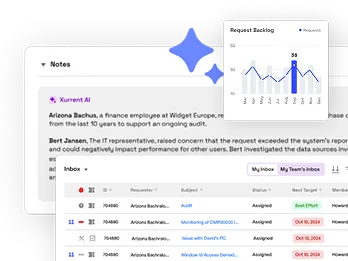
Unifiy IT, HR, Facilities, Finance, and more on a single, AI-powered service platform.
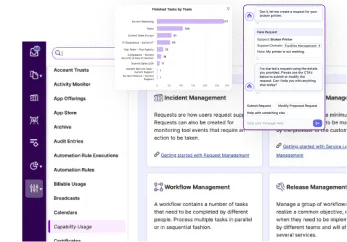
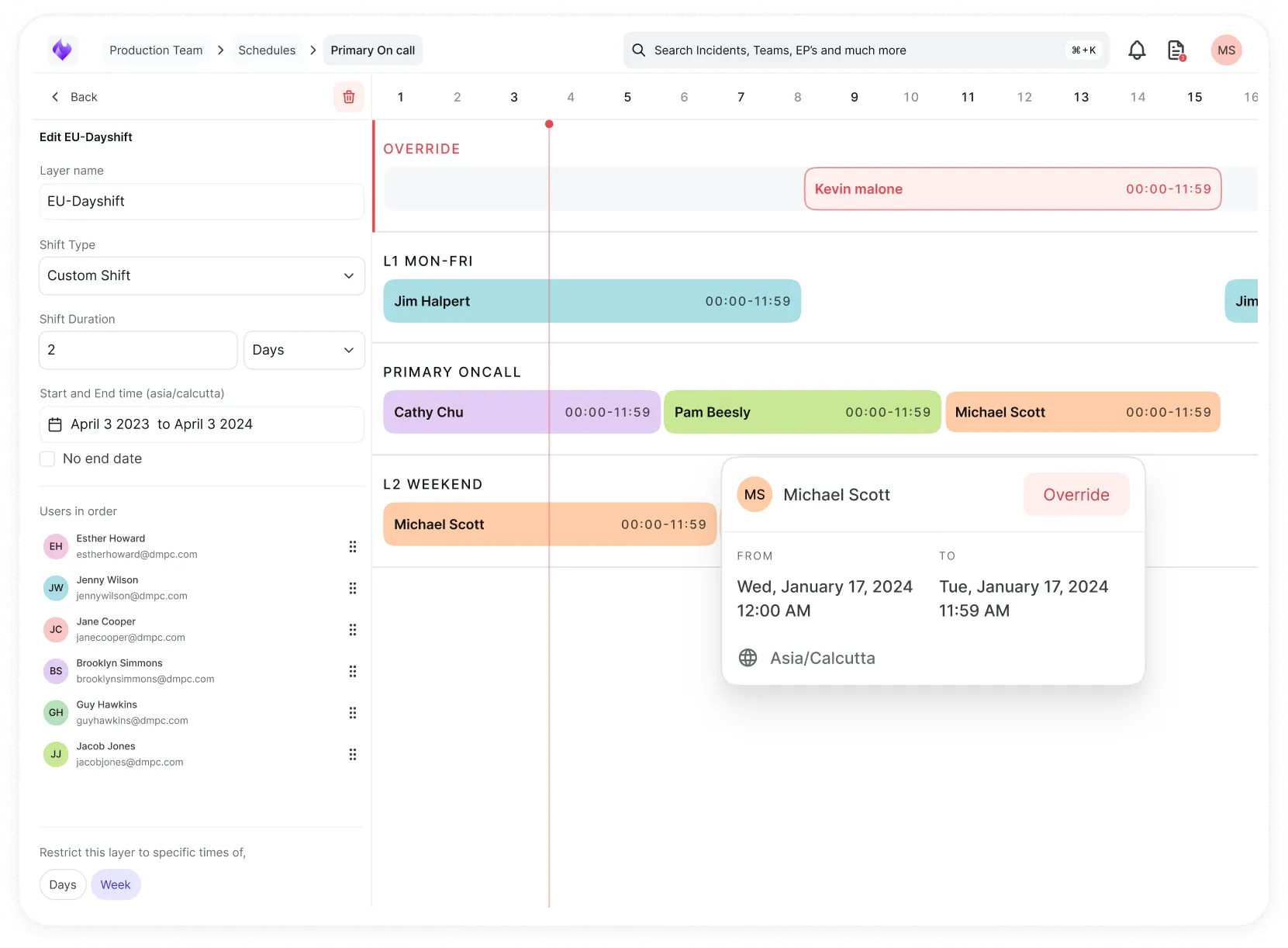
Simplify on-call scheduling, automate escalations, and reduce burnout.
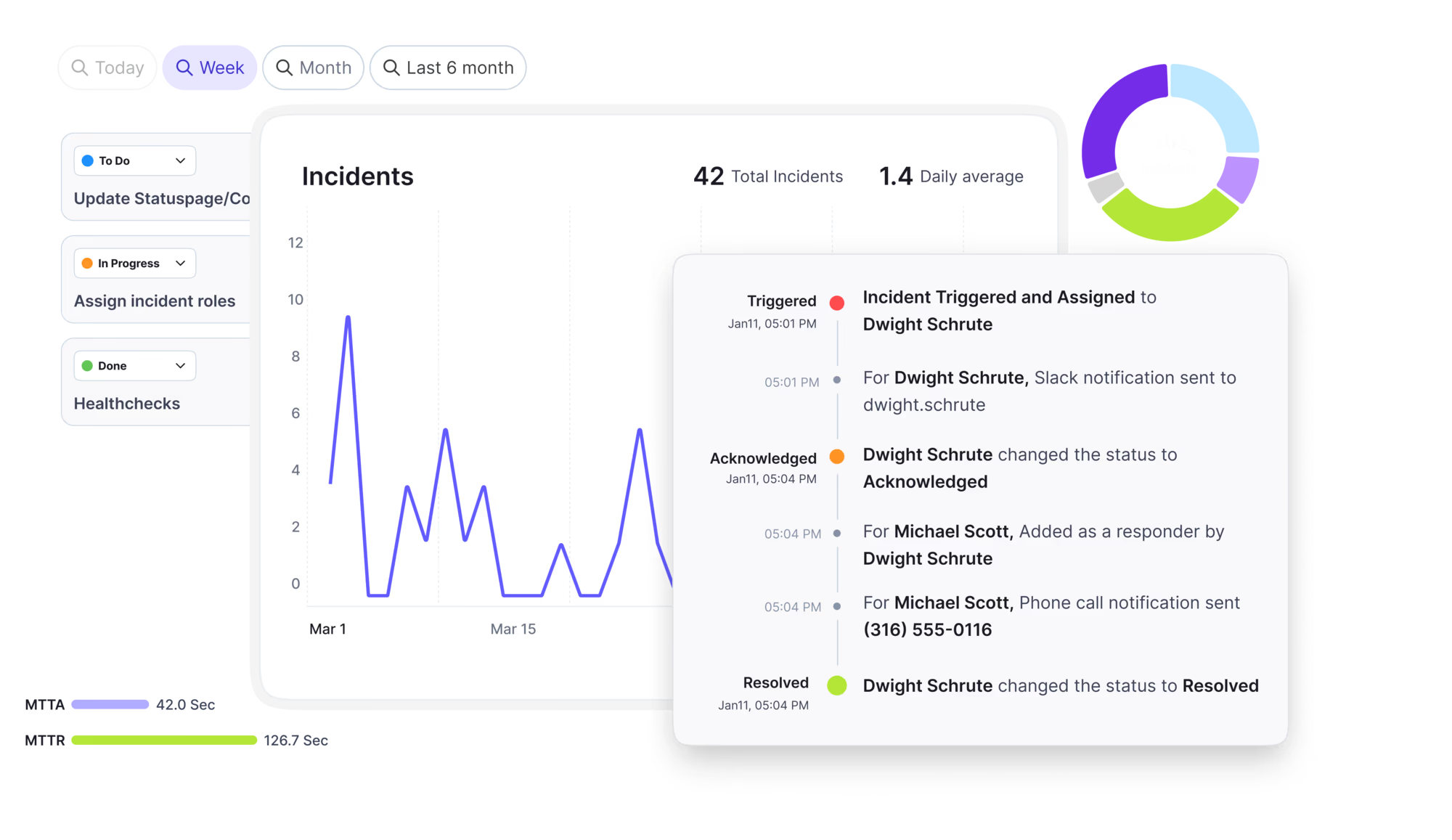
Automate postmortems, AI summaries, and post-incident workflows
Create, organize, and continuously improve your knowledge base to find the right answers with Sera AI.
We're here to help

The integration with Atlassian Jira using the Xurrent Integration Service is

The integration with Atlassian Jira using the Xurrent Integration Service is

The integration with Atlassian Jira using the Xurrent Integration Service is

The integration with Atlassian Jira using the Xurrent Integration Service is

The integration with Atlassian Jira using the Xurrent Integration Service is

The integration with Atlassian Jira using the Xurrent Integration Service is

The integration with Atlassian Jira using the Xurrent Integration Service is

The integration with Atlassian Jira using the Xurrent Integration Service is
Resolve issues quickly with an AI-powered system that automates ticketing.
Unifiy IT, HR, Facilities, Finance, and more on a single, AI-powered service platform.
Simplify on-call scheduling, automate escalations, and reduce burnout.
Automate postmortems, AI summaries, and post-incident workflows
Create, organize, and continuously improve your knowledge base to find the right answers with Sera AI.
Resolve plant floor and IT issues before they disrupt production.
Stay audit-ready while resolving issues and reducing operational risk.

Detect, respond, and resolve incidents fast to cut downtime and MTTR.

Keep your store online, even during your biggest sales moments.

Protect patient data and resolve issues fast, so care teams stay focused on care.

Standardize service delivery across every store and channel.

We are here to help 24/7

Connect with other Xurrent Users

Get insights and tips on how to get the most out of Xurrent

Apps, APIs, and updates

Xurrent service functionality

Eliminate manual tasks, optimize workflows, and deliver faster resolutions.
Learn how organizations have reduced downtime, improved 50% MTTA & MTTR, and cut costs with Xurrent IMR.
Discover Xurrent IMR's quick support, bidirectional integrations with Jira and Slack, and more cohesive incident response capabilities compared to Opsgenie.
Understand why users value Xurrent IMR for its intuitive interface, efficient incident alerting, customizable On-call schedules, and escalations.

Changes start as an RFC request and are carried out by a Workflow, the record formerly called Change. How the two fit together and what was renamed.
In Xurrent, change management is not a single record. A change starts as a Request whose Category is RFC, Request for Change, and it is carried out by a Workflow, the record that used to be called a Change. The RFC captures what is being asked for and why. The Workflow holds the tasks, ordering, and approvals that make the change happen.
If you come from an ITIL background, expect a naming shift. What ITIL calls Change Management lives in two places in Xurrent: the RFC request category, and the Workflow record, which was renamed from Change in January 2022.
Knowing that a Workflow of the type Change is the change record is the key to navigating the platform, the API, and older documentation. Legacy 4me material and some URLs still say change. Because the change record was generalized into a workflow, the same engine now also drives non-ITIL processes such as HR onboarding, facilities, and finance, while change management remains one specific use of it.
| Former name | Current name |
|---|---|
| Change | Workflow |
| Change Template | Workflow Template |
| Change Type | Workflow Type (the Type field) |
| Change Manager (on the record) | Workflow Manager |
| change_pending (request status) | Workflow Pending |
Every change begins as a Request with its Category set to RFC, Request for Change. The API category value is rfc. RFCs carry an RFC Type field to subclassify the kind of change, and a Workflow field that links the request to the workflow implementing it.
The Workflow is the container of Tasks, their ordering, and any automation that together implement the change. Its Type field most commonly has the value Change, which customers subtype further, for example Application Change, Infrastructure Change, or Documentation Change.
See Release for coordinating multiple related workflows, and Risk for risk assessment on changes.


.webp)
.webp)