




Blog
Insights & updates from our experts


Resolve plant floor and IT issues before they disrupt production.

Stay audit-ready while resolving issues and reducing operational risk.
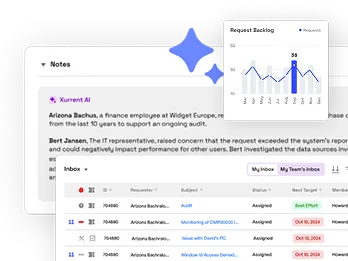
Resolve issues quickly with an AI-powered system that automates ticketing.
Unifiy IT, HR, Facilities, Finance, and more on a single, AI-powered service platform.
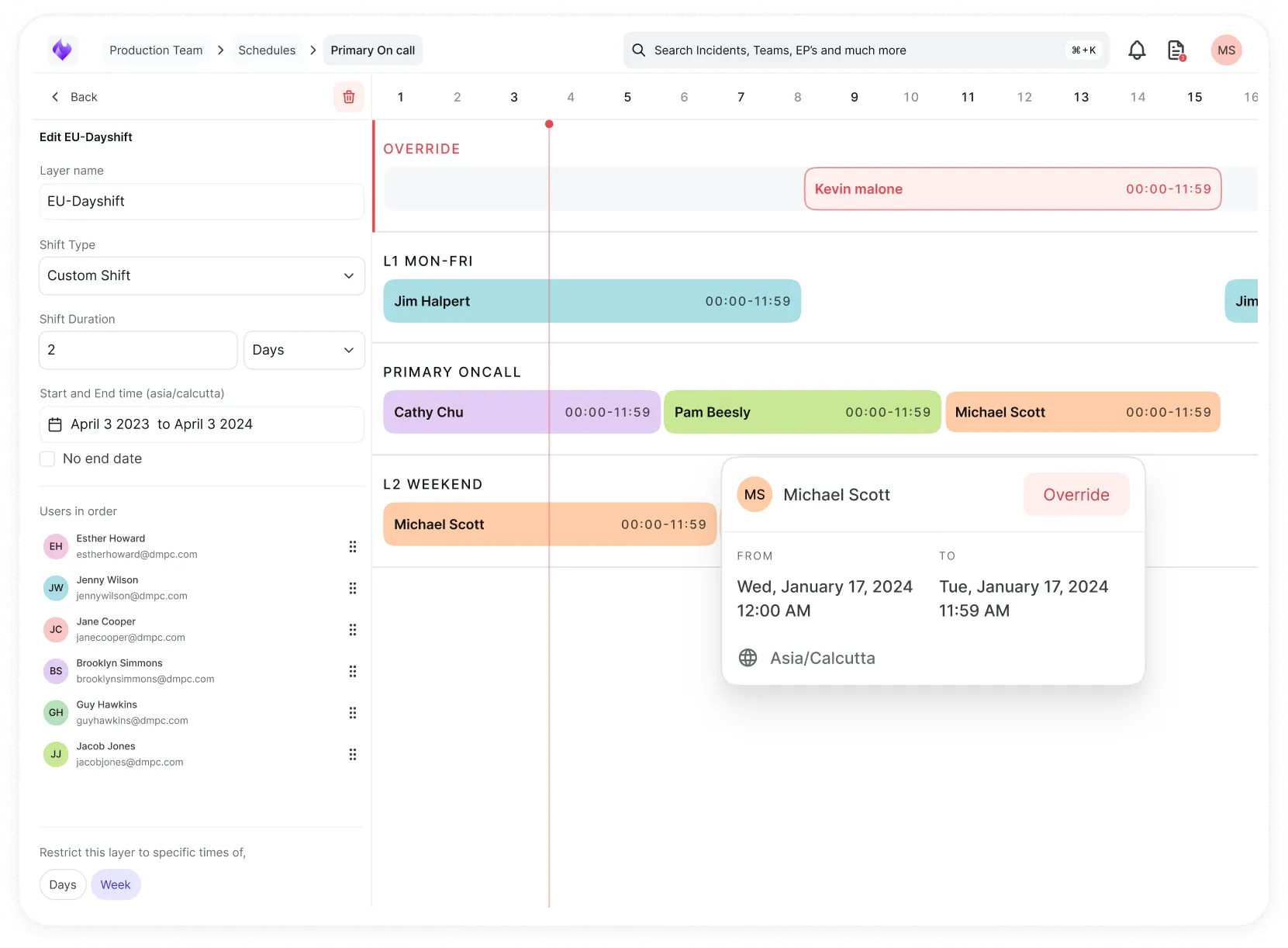
Simplify on-call scheduling, automate escalations, and reduce burnout.
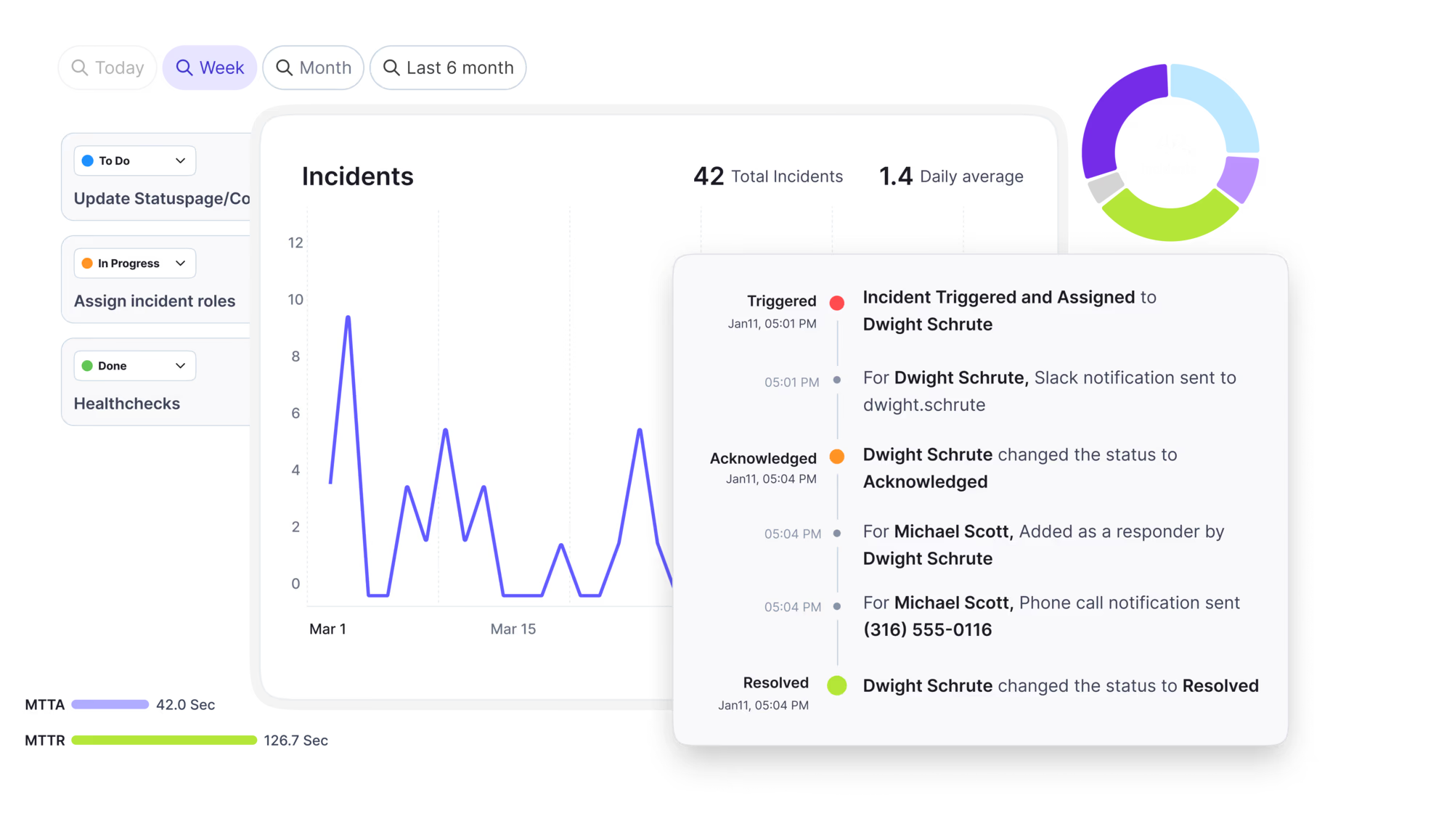
Automate postmortems, AI summaries, and post-incident workflows
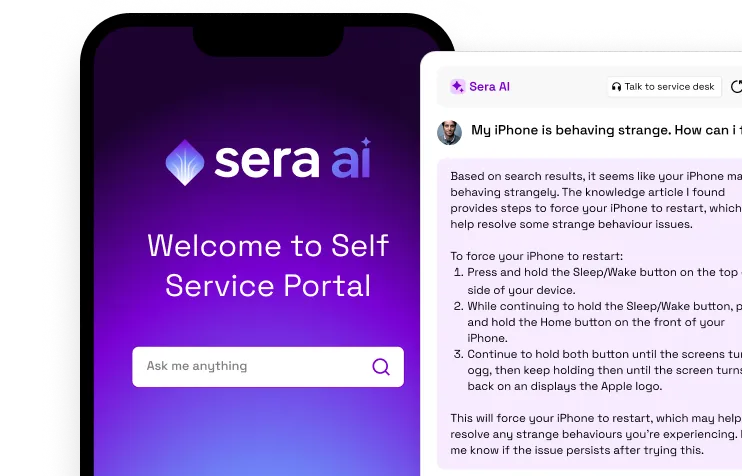
Create, organize, and continuously improve your knowledge base to find the right answers with Sera AI.
We're here to help

The integration with Atlassian Jira using the Xurrent Integration Service is

The integration with Atlassian Jira using the Xurrent Integration Service is

The integration with Atlassian Jira using the Xurrent Integration Service is

The integration with Atlassian Jira using the Xurrent Integration Service is

The integration with Atlassian Jira using the Xurrent Integration Service is

The integration with Atlassian Jira using the Xurrent Integration Service is

The integration with Atlassian Jira using the Xurrent Integration Service is

The integration with Atlassian Jira using the Xurrent Integration Service is
Resolve issues quickly with an AI-powered system that automates ticketing.
Unifiy IT, HR, Facilities, Finance, and more on a single, AI-powered service platform.
Simplify on-call scheduling, automate escalations, and reduce burnout.
Automate postmortems, AI summaries, and post-incident workflows
Create, organize, and continuously improve your knowledge base to find the right answers with Sera AI.
Resolve plant floor and IT issues before they disrupt production.
Stay audit-ready while resolving issues and reducing operational risk.

Detect, respond, and resolve incidents fast to cut downtime and MTTR.

Keep your store online, even during your biggest sales moments.

Protect patient data and resolve issues fast, so care teams stay focused on care.

Standardize service delivery across every store and channel.

We are here to help 24/7

Connect with other Xurrent Users

Get insights and tips on how to get the most out of Xurrent

Apps, APIs, and updates

Xurrent service functionality

Eliminate manual tasks, optimize workflows, and deliver faster resolutions.
Learn how organizations have reduced downtime, improved 50% MTTA & MTTR, and cut costs with Xurrent IMR.
Discover Xurrent IMR's quick support, bidirectional integrations with Jira and Slack, and more cohesive incident response capabilities compared to Opsgenie.
Understand why users value Xurrent IMR for its intuitive interface, efficient incident alerting, customizable On-call schedules, and escalations.

Configuring SAML and OIDC single sign-on, including identifier matching, JIT provisioning, and assertion binding requirements.
Xurrent supports single sign-on through SAML and OIDC connectors. Each connector determines how users are identified, how new users are provisioned on first sign-in, and how assertions from the identity provider are validated.
The SSO identifier determines which value is used to match an incoming sign-in to an existing person record.
When the identifier is set to Primary email, users are matched on their primary email address. Any claim or attribute configuration is automatically cleared to prevent misconfiguration.
When the identifier is set to Authentication ID, the value used for matching is configurable:
sub.This matters for identity providers that do not guarantee stable email addresses or NameIDs, which is common in education federations and national academic identity systems. An unstable identifier otherwise produces duplicate user accounts or identity mismatches.
When a user is provisioned through SAML JIT provisioning and the SAML organization attribute is empty, the user is assigned to the account's default organization. This matches how Xurrent assigns organizations elsewhere in the platform.
Sign-in enforces the SAML specification's Destination, Recipient, and Audience binding checks, confirming that each assertion was issued for this service provider and this ACS endpoint.
No action is needed for accounts whose identity provider sends standard SAML values, which is the default for Okta, Microsoft Entra ID, Google Workspace, OneLogin, ADFS, and other major identity providers configured against the service provider metadata. Existing cross-account setups, including directory accounts with multiple support domains and accounts grouped by certificate fingerprint, continue to work without changes.
Accounts running a custom identity provider configuration should confirm that:
Mismatches appear as sign-in failures in the SSO audit log.
For automated user and group provisioning outside of sign-in, see SCIM User and SCIM Group.

.webp)
.webp)