






Blog
Insights & updates from our experts


Resolve plant floor and IT issues before they disrupt production.

Stay audit-ready while resolving issues and reducing operational risk.
Resolve issues quickly with an AI-powered system that automates ticketing.
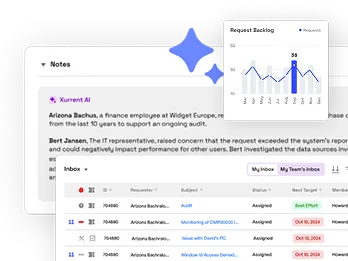
Unifiy IT, HR, Facilities, Finance, and more on a single, AI-powered service platform.
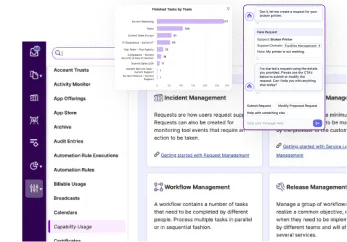
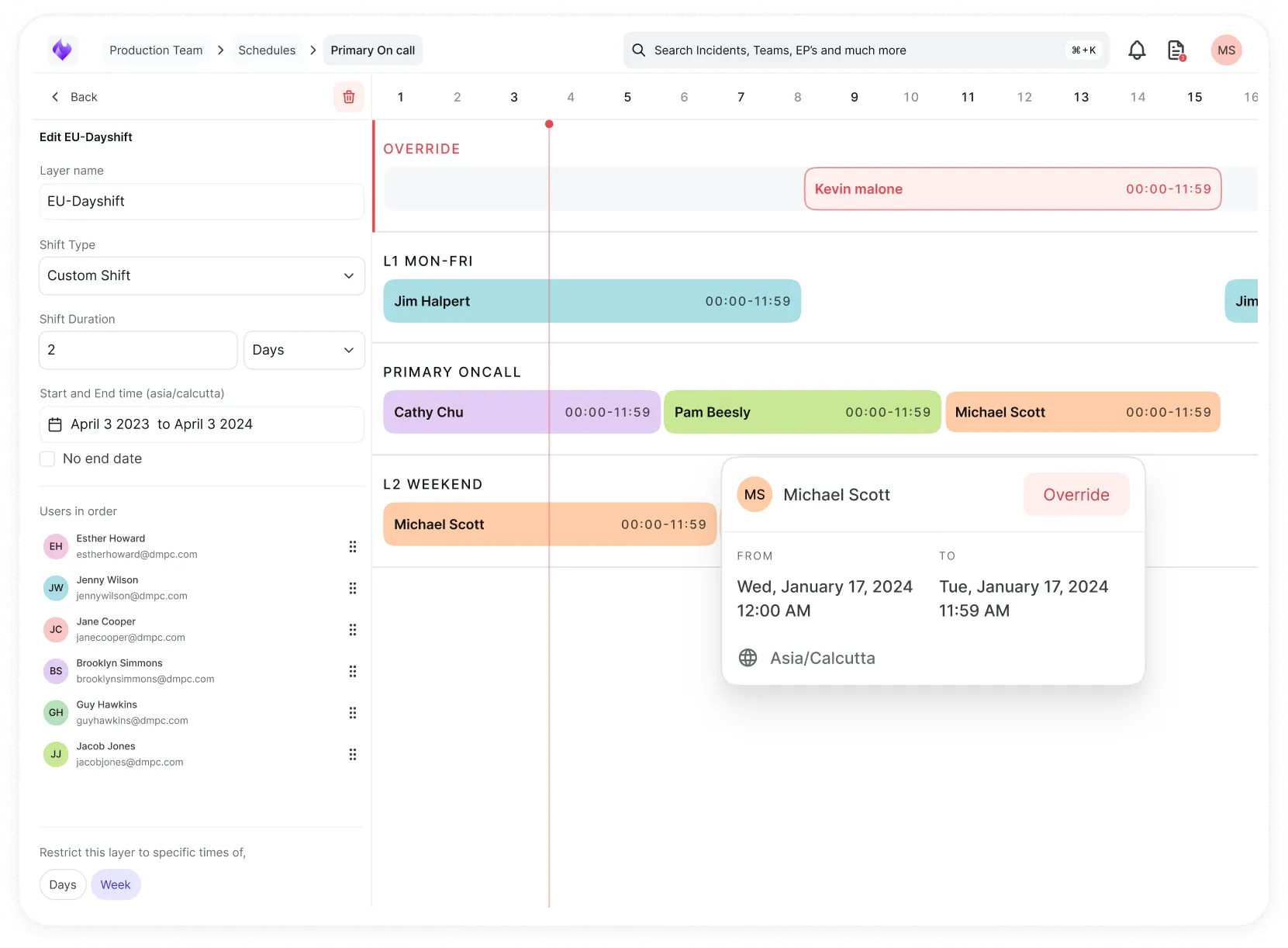
Simplify on-call scheduling, automate escalations, and reduce burnout.
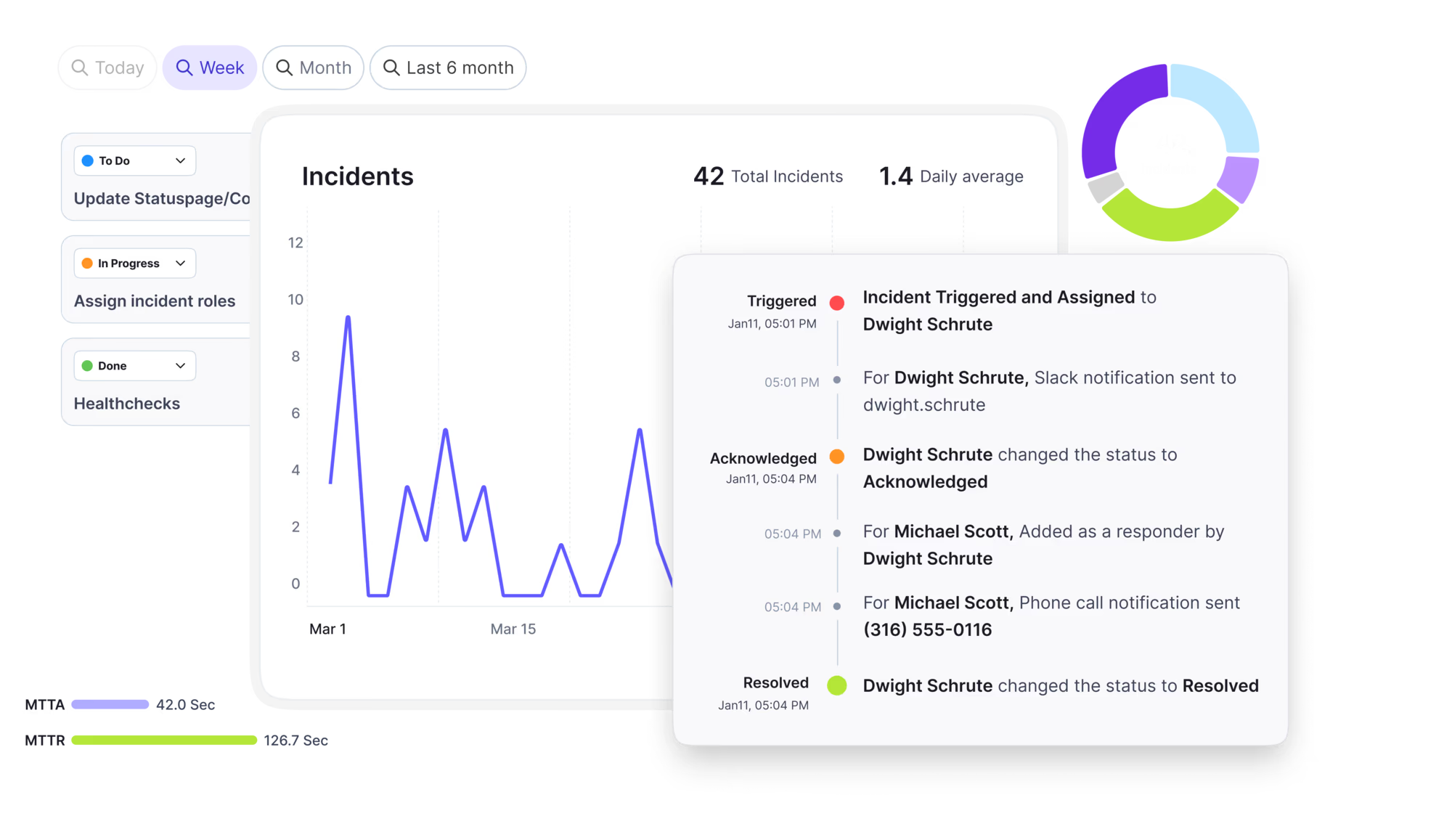
Automate postmortems, AI summaries, and post-incident workflows
Create, organize, and continuously improve your knowledge base to find the right answers with Sera AI.
We're here to help

The integration with Atlassian Jira using the Xurrent Integration Service is

The integration with Atlassian Jira using the Xurrent Integration Service is

The integration with Atlassian Jira using the Xurrent Integration Service is

The integration with Atlassian Jira using the Xurrent Integration Service is

The integration with Atlassian Jira using the Xurrent Integration Service is

The integration with Atlassian Jira using the Xurrent Integration Service is

The integration with Atlassian Jira using the Xurrent Integration Service is

The integration with Atlassian Jira using the Xurrent Integration Service is
Resolve issues quickly with an AI-powered system that automates ticketing.
Unifiy IT, HR, Facilities, Finance, and more on a single, AI-powered service platform.
Simplify on-call scheduling, automate escalations, and reduce burnout.
Automate postmortems, AI summaries, and post-incident workflows
Create, organize, and continuously improve your knowledge base to find the right answers with Sera AI.
Resolve plant floor and IT issues before they disrupt production.
Stay audit-ready while resolving issues and reducing operational risk.

Detect, respond, and resolve incidents fast to cut downtime and MTTR.

Keep your store online, even during your biggest sales moments.

Protect patient data and resolve issues fast, so care teams stay focused on care.

Standardize service delivery across every store and channel.

We are here to help 24/7

Connect with other Xurrent Users

Get insights and tips on how to get the most out of Xurrent

Apps, APIs, and updates

Xurrent service functionality

Eliminate manual tasks, optimize workflows, and deliver faster resolutions.
Learn how organizations have reduced downtime, improved 50% MTTA & MTTR, and cut costs with Xurrent IMR.
Discover Xurrent IMR's quick support, bidirectional integrations with Jira and Slack, and more cohesive incident response capabilities compared to Opsgenie.
Understand why users value Xurrent IMR for its intuitive interface, efficient incident alerting, customizable On-call schedules, and escalations.

Heartbeat monitors scheduled jobs such as cron jobs, database backups, data pipelines, sync scripts, and monitoring agents.
After each successful run, your job sends a simple HTTP request (a ping) to a unique Ping URL, or an email to a unique Ping Email address.
If a heartbeat doesn't receive a ping within its configured interval, Xurrent IMR automatically creates an incident on the associated service and notifies the on-call responder through the service's escalation policy. When pings resume, the incident is resolved automatically.
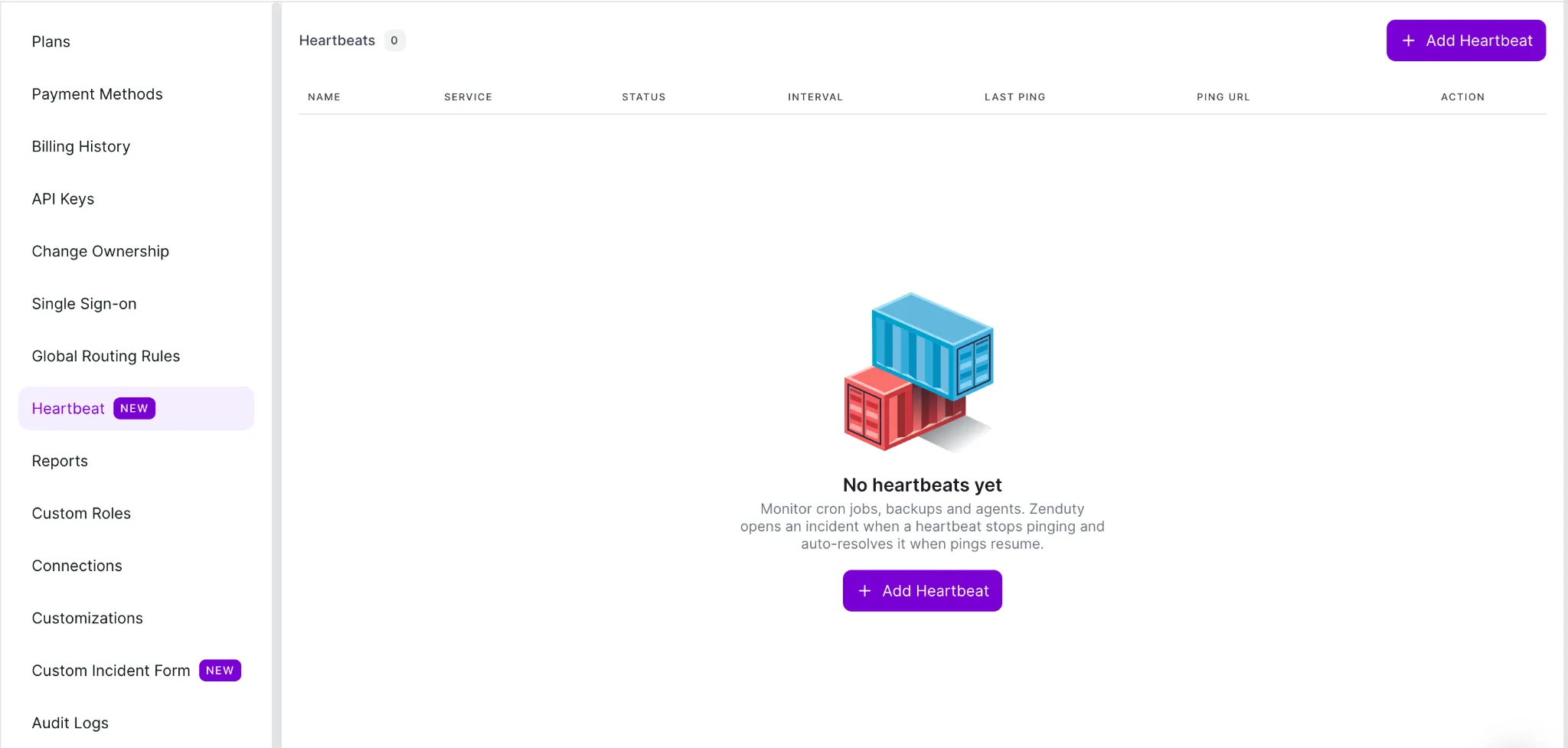
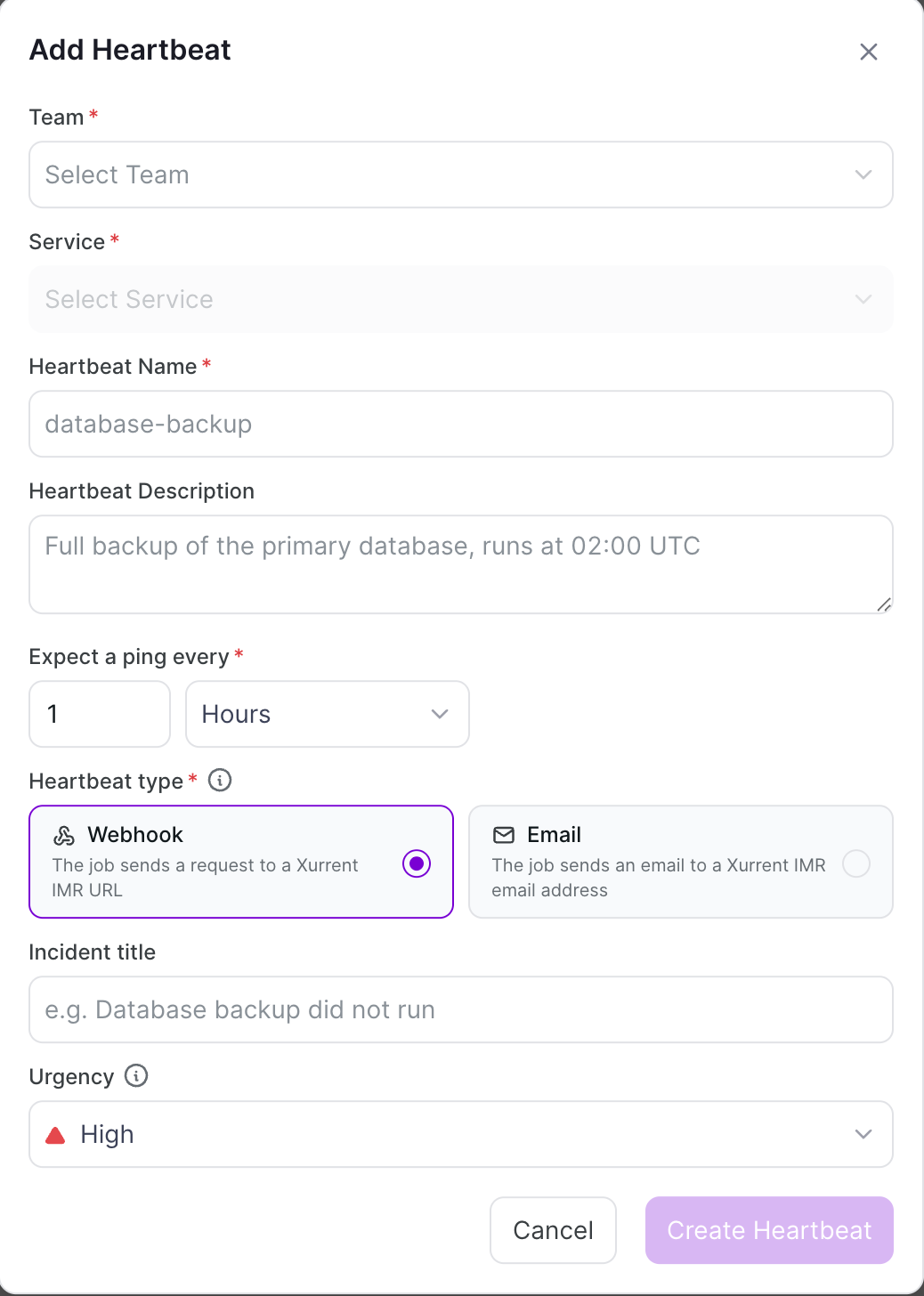
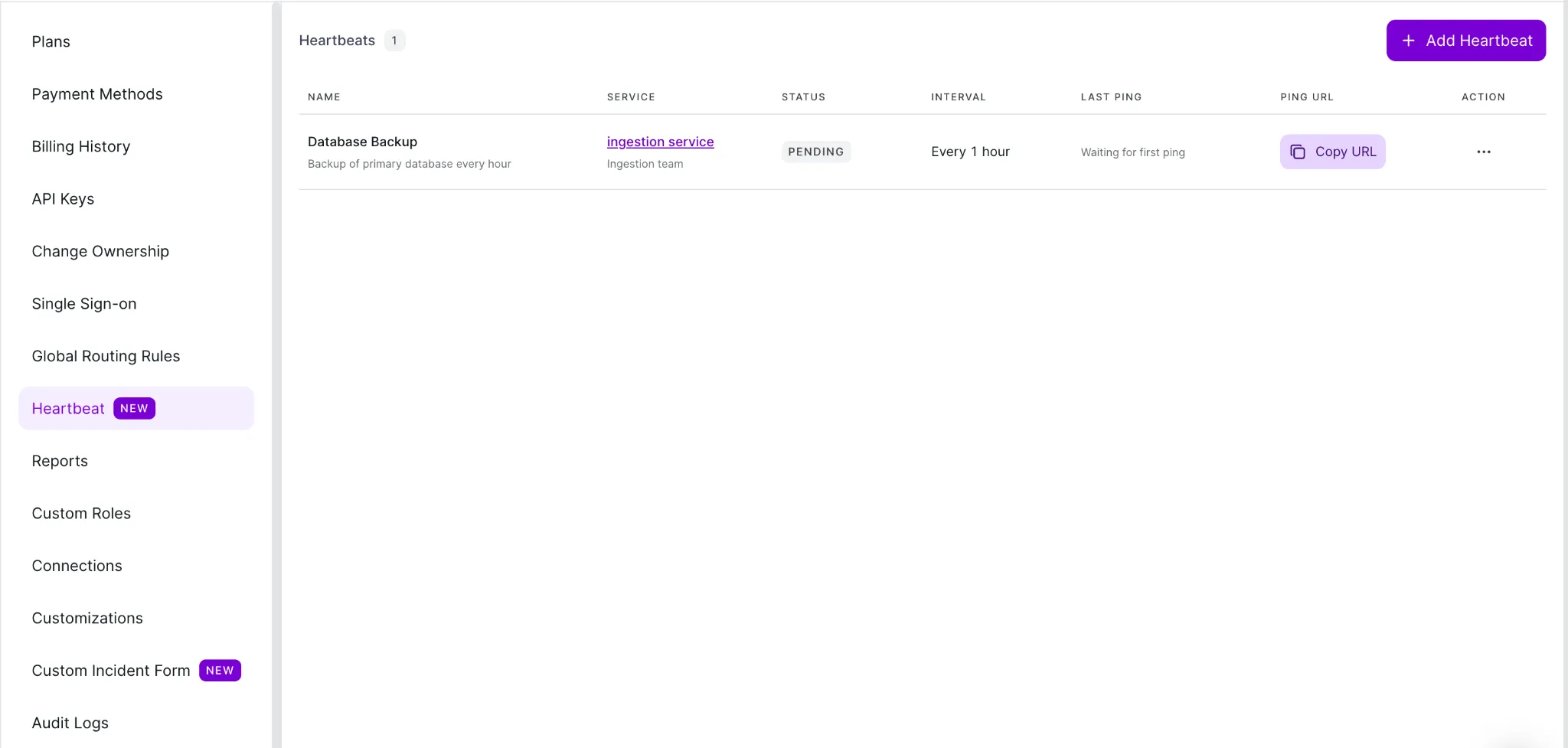
The heartbeat appears with a Pending status while waiting for its first ping.
Example cron job:
0 2 * * * /usr/local/bin/backup.sh && curl -fsS --retry 3 "<your ping URL>" > /dev/nullThe && ensures the ping is sent only if backup.sh completes successfully. If the job fails, no ping is sent, allowing the heartbeat to expire and trigger an incident.
Tip: Only send a ping after a successful run. A missing ping is what tells Xurrent IMR the job has failed.
After the first successful ping:
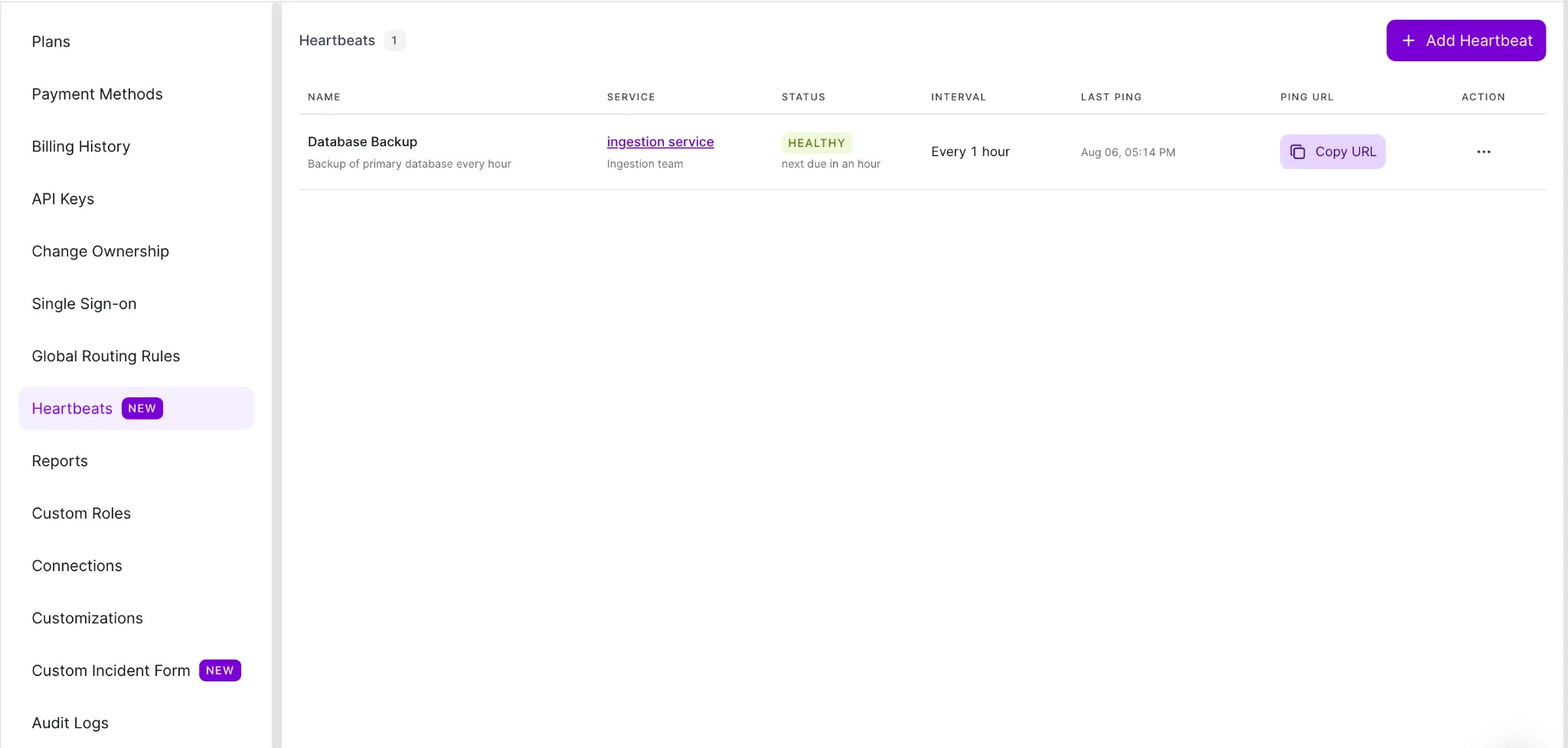
Note: Pings are rate-limited (default: 5 requests per second and 40 requests per minute). This applies to both URL requests and emails. One ping per scheduled run is sufficient
If no ping is received before the configured interval:
When the next successful ping is received:
Important: Manually resolving the incident does not stop future incidents. If the job is still failing, another incident is created when the heartbeat expires again. To stop notifications, either fix the job or disable the heartbeat.
Open the ⋯ menu for a heartbeat to access the following actions.
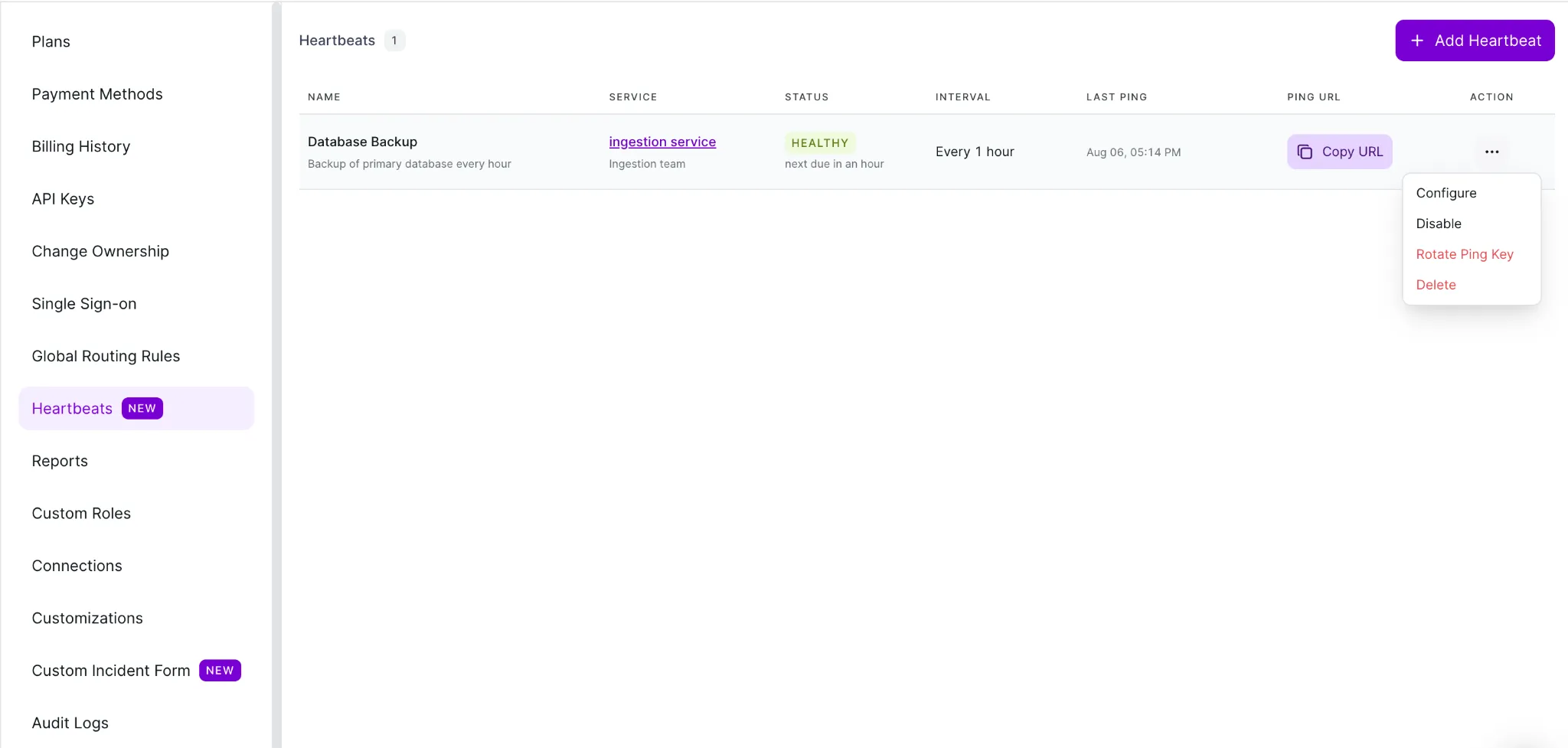
Edit the heartbeat's:
The associated service cannot be changed after creation. To monitor a different service, create a new heartbeat.
Changing the interval recalculates the next deadline based on the most recent successful ping.
Disable a heartbeat during planned maintenance or while a scheduled job is temporarily offline.
Disabling:
Re-enabling:
Generate a new Ping URL if the existing one has been exposed.
Examples include:
Warning: Rotating the key immediately invalidates the previous URL. Update every scheduled job before the next deadline, or the heartbeat will expire.
Delete the heartbeat permanently.
Deleting:
Yes. A service can have as many Heartbeat as needed, provided each heartbeat has a unique name within that service.
Yes. Heartbeat incidents follow the same maintenance window and incident behavior rules as any other incident created on the service.
Successful requests return:
{ "status": "ok"}Unknown, disabled, or deleted Heartbeat return 404 Not Found.
No. The unique secret embedded in the URL identifies the heartbeat.
Treat the Ping URL as a credential. Do not commit it to public repositories, and rotate the ping key if it is exposed.

.webp)
.webp)


.webp)