





Blog
Insights & updates from our experts


Resolve plant floor and IT issues before they disrupt production.

Stay audit-ready while resolving issues and reducing operational risk.
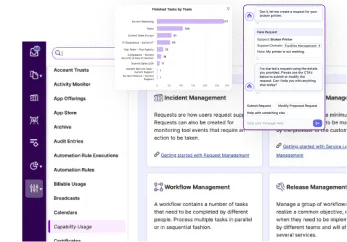
Resolve issues quickly with an AI-powered system that automates ticketing.
Unifiy IT, HR, Facilities, Finance, and more on a single, AI-powered service platform.
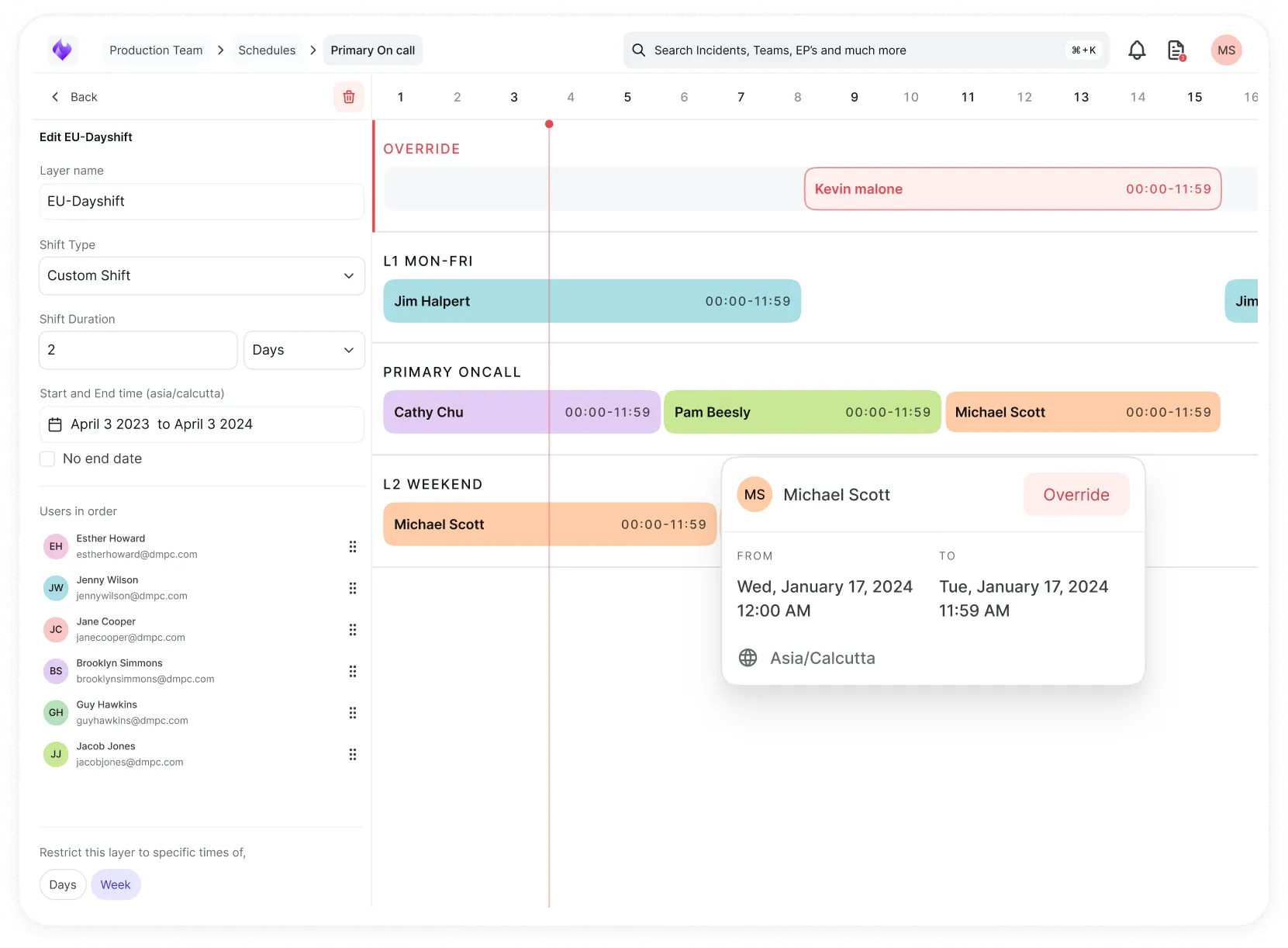
Simplify on-call scheduling, automate escalations, and reduce burnout.
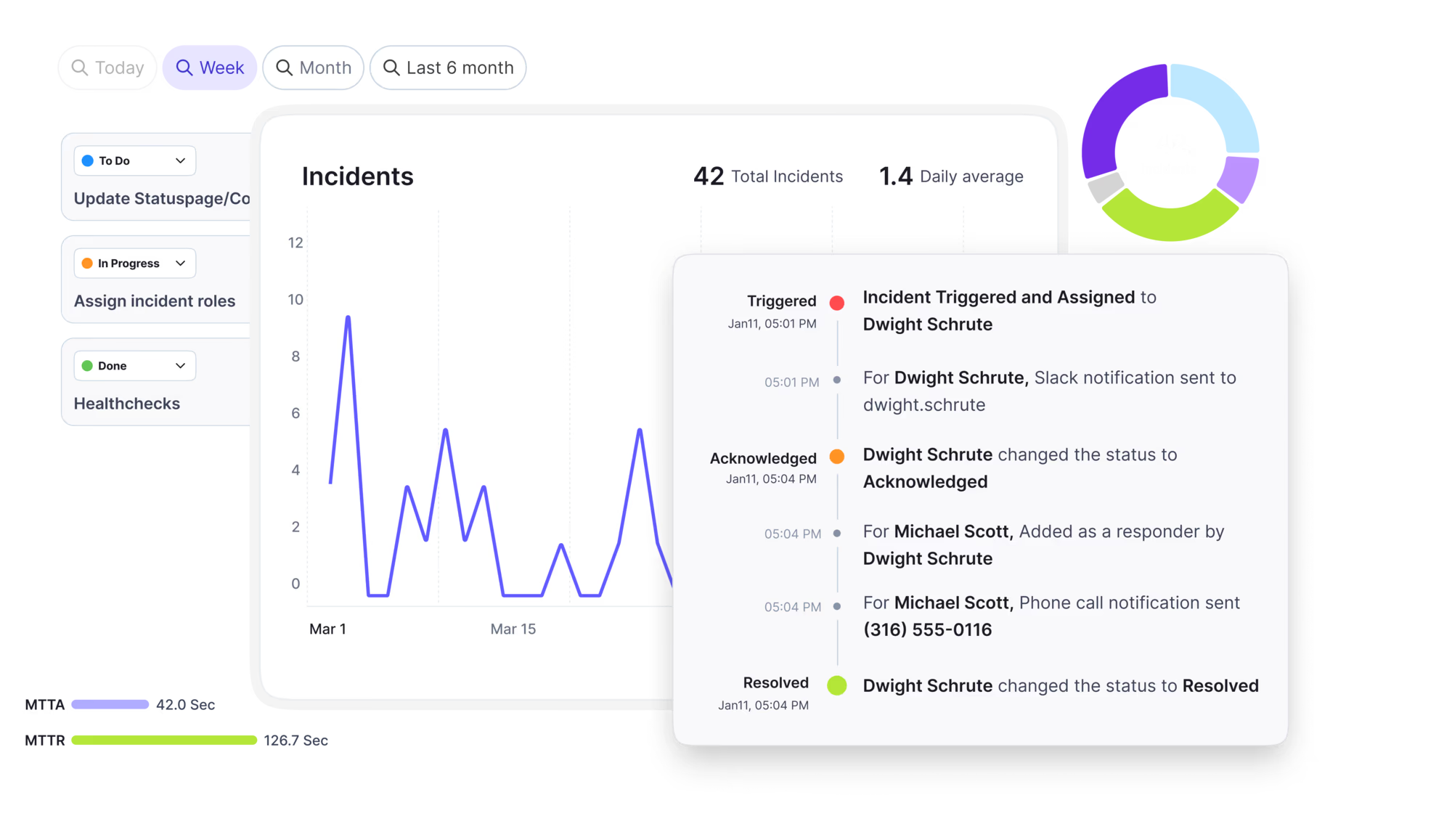
Automate postmortems, AI summaries, and post-incident workflows
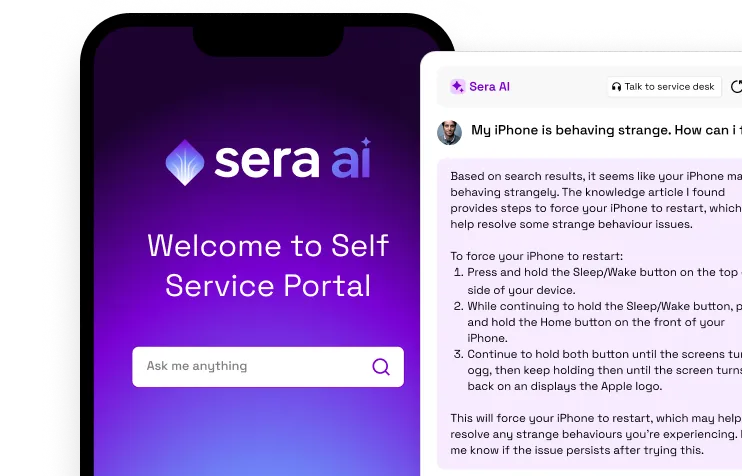
Create, organize, and continuously improve your knowledge base to find the right answers with Sera AI.
We're here to help

The integration with Atlassian Jira using the Xurrent Integration Service is

The integration with Atlassian Jira using the Xurrent Integration Service is

The integration with Atlassian Jira using the Xurrent Integration Service is

The integration with Atlassian Jira using the Xurrent Integration Service is

The integration with Atlassian Jira using the Xurrent Integration Service is

The integration with Atlassian Jira using the Xurrent Integration Service is

The integration with Atlassian Jira using the Xurrent Integration Service is

The integration with Atlassian Jira using the Xurrent Integration Service is
Resolve issues quickly with an AI-powered system that automates ticketing.
Unifiy IT, HR, Facilities, Finance, and more on a single, AI-powered service platform.
Simplify on-call scheduling, automate escalations, and reduce burnout.
Automate postmortems, AI summaries, and post-incident workflows
Create, organize, and continuously improve your knowledge base to find the right answers with Sera AI.
Resolve plant floor and IT issues before they disrupt production.
Stay audit-ready while resolving issues and reducing operational risk.

Detect, respond, and resolve incidents fast to cut downtime and MTTR.

Keep your store online, even during your biggest sales moments.

Protect patient data and resolve issues fast, so care teams stay focused on care.

Standardize service delivery across every store and channel.

We are here to help 24/7

Connect with other Xurrent Users

Get insights and tips on how to get the most out of Xurrent

Apps, APIs, and updates

Xurrent service functionality

Eliminate manual tasks, optimize workflows, and deliver faster resolutions.
Learn how organizations have reduced downtime, improved 50% MTTA & MTTR, and cut costs with Xurrent IMR.
Discover Xurrent IMR's quick support, bidirectional integrations with Jira and Slack, and more cohesive incident response capabilities compared to Opsgenie.
Understand why users value Xurrent IMR for its intuitive interface, efficient incident alerting, customizable On-call schedules, and escalations.

Foundational connector for building, deploying, and managing custom Xurrent Apps, including lifecycle events and customer secrets.
This connector serves as the foundation for integration code that powers a custom Xurrent App.
Each iPaaS solution linked to a Xurrent App requires a single Secrets Changed runbook, triggered by the Secrets Changed event. When enabled, this runbook securely configures the provider's Xurrent account to send secrets to the iPaaS solution.
For handling integration logic, create a runbook using the Automation Webhook trigger. This runbook executes whenever the webhook is invoked by the automation rules tied to the App offering.
To implement business logic during a customer's App installation, use the Installation Changed trigger. This trigger can be configured to respond to:
Runbooks starting with the Installation Changed or Automation Webhook triggers can leverage the following actions to access App-related configuration data:
Outputs the client ID and secret for API access to the customer's Xurrent account.
Runbooks starting with the Installation Changed or Automation Webhook triggers can use this action without any further configuration to retrieve the correct credentials.
When using this action in another context the following 2 fields must be provided:
customer_account_id: The account ID of the customer’s Xurrent account.app_reference: The reference of the app offering.Outputs secrets and configuration values provided by the customer in Xurrent. The fields depend on the UI extension for the App offering.
All fields that need to be retrieved must be added to the Configuration schema. Secret values in the UI extension should be defined using the secret_string-type.
Runbooks starting with the Installation Changed or Automation Webhook triggers can use this action without any further configuration to retrieve the configuration details.
When using this action in another context the following 2 fields must be provided:
customer_account_id: The account ID of the customer’s Xurrent account.app_reference: The reference of the app offering.Outputs the client ID and secret for GUI access to the customer's Xurrent account.
Runbooks starting with the Installation Changed or Automation Webhook triggers can use this action without any further configuration to retrieve the correct credentials.
When using this action in another context the following 2 fields must be provided:
customer_account_id: The account ID of the customer’s Xurrent account.app_reference: The reference of the app offering.Update the configuration values visible to the customer in Xurrent. The available fields depend on the UI extension related to the App offering.
Next to the custom fields it is also possible to update the disabled status of the App instance or to suspend the integration with a specific comment.
Runbooks starting with the Installation Changed or Automation Webhook triggers can use this action without any further configuration to update the configuration details.
When using this action in another context the following 2 fields must be provided:
customer_account_id: The account ID of the customer’s Xurrent account.app_reference: The reference of the app offering.Poll multiple URLs and return data when available. This action will check each URL and return the first one that has data available. Subsequent iterations will poll remaining URLs until all URLs have been processed.
To respond to changes in the external application additional runbooks can be created. When the trigger output schema includes the following 2 fields the available actions above can be used to retrieve the App configuration details.
customer_account_id: The account ID of the customer’s Xurrent account.app_reference: The reference of the app offering.