





Blog
Insights & updates from our experts


Resolve plant floor and IT issues before they disrupt production.

Stay audit-ready while resolving issues and reducing operational risk.
Resolve issues quickly with an AI-powered system that automates ticketing.
Unifiy IT, HR, Facilities, Finance, and more on a single, AI-powered service platform.
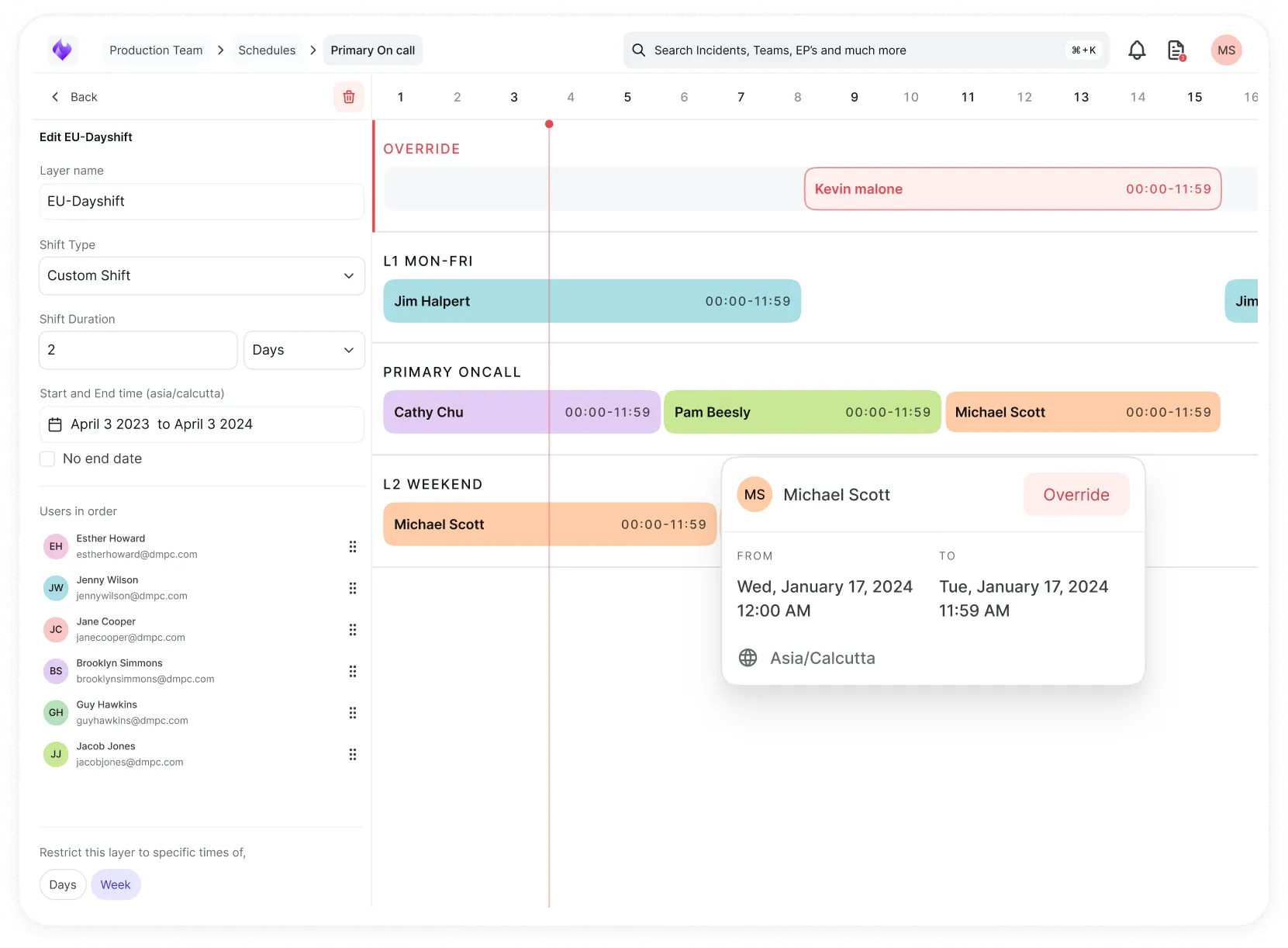
Simplify on-call scheduling, automate escalations, and reduce burnout.
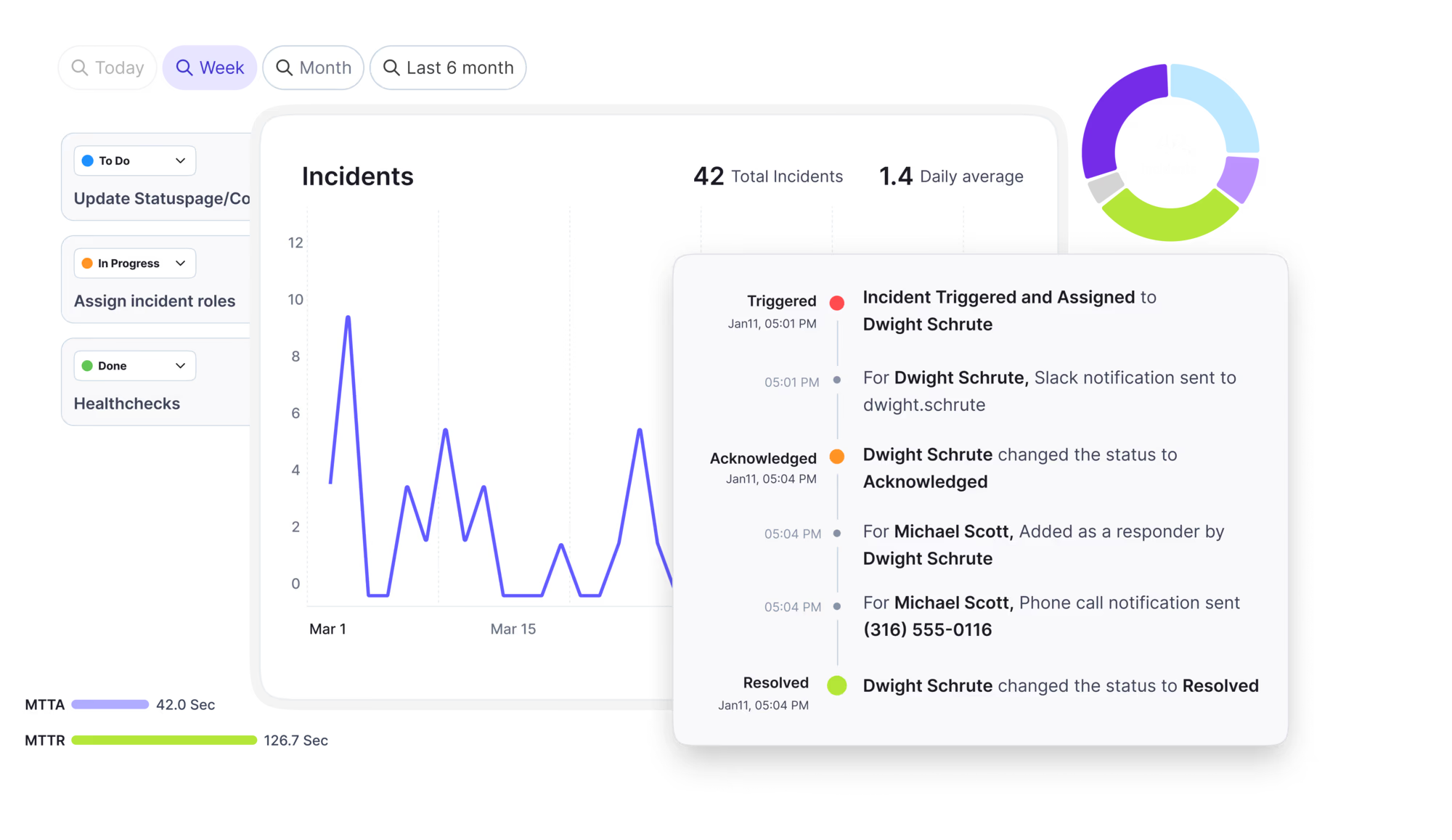
Automate postmortems, AI summaries, and post-incident workflows
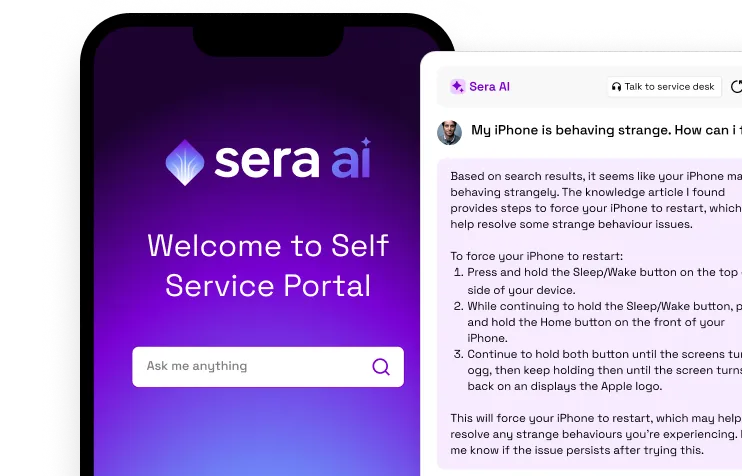
Create, organize, and continuously improve your knowledge base to find the right answers with Sera AI.
We're here to help

The integration with Atlassian Jira using the Xurrent Integration Service is

The integration with Atlassian Jira using the Xurrent Integration Service is

The integration with Atlassian Jira using the Xurrent Integration Service is

The integration with Atlassian Jira using the Xurrent Integration Service is

The integration with Atlassian Jira using the Xurrent Integration Service is

The integration with Atlassian Jira using the Xurrent Integration Service is

The integration with Atlassian Jira using the Xurrent Integration Service is

The integration with Atlassian Jira using the Xurrent Integration Service is
Resolve issues quickly with an AI-powered system that automates ticketing.
Unifiy IT, HR, Facilities, Finance, and more on a single, AI-powered service platform.
Simplify on-call scheduling, automate escalations, and reduce burnout.
Automate postmortems, AI summaries, and post-incident workflows
Create, organize, and continuously improve your knowledge base to find the right answers with Sera AI.
Resolve plant floor and IT issues before they disrupt production.
Stay audit-ready while resolving issues and reducing operational risk.

Detect, respond, and resolve incidents fast to cut downtime and MTTR.

Keep your store online, even during your biggest sales moments.

Protect patient data and resolve issues fast, so care teams stay focused on care.

Standardize service delivery across every store and channel.

We are here to help 24/7

Connect with other Xurrent Users

Get insights and tips on how to get the most out of Xurrent

Apps, APIs, and updates

Xurrent service functionality

Eliminate manual tasks, optimize workflows, and deliver faster resolutions.
Learn how organizations have reduced downtime, improved 50% MTTA & MTTR, and cut costs with Xurrent IMR.
Discover Xurrent IMR's quick support, bidirectional integrations with Jira and Slack, and more cohesive incident response capabilities compared to Opsgenie.
Understand why users value Xurrent IMR for its intuitive interface, efficient incident alerting, customizable On-call schedules, and escalations.

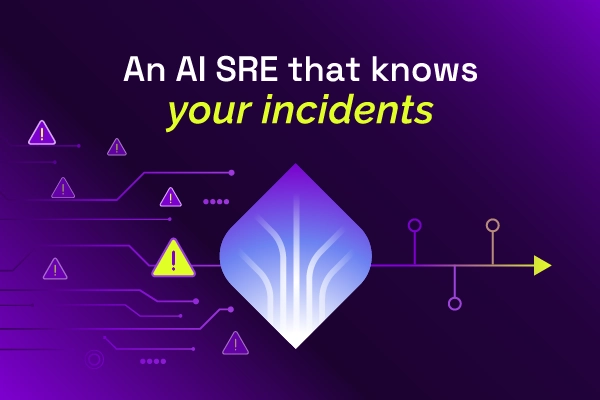
The workspace where administrators configure Sera AI and measure whether an account's knowledge and templates are ready for it.
Sera AI Studio is the single workspace for configuring Sera AI on an account. It follows a defined sequence: write the agent instructions, check that the underlying request templates and knowledge articles are configured well enough for the agent to use, validate search quality against a set of known-good questions, then adjust.
Sera AI Studio is available on any account where Sera AI is enabled. Account Administrators and Account Designers have full access. Auditors can view it. Knowledge Managers without one of those roles see only the Knowledge Readiness tab.
Sera AI Studio is scoped to the account it is opened in. The golden set, the readiness scores, and the agent instructions all belong to that account and are maintained by that account's administrator.
For most organizations the work happens in the support domain accounts. Request templates and knowledge articles are owned by the specialists in each domain, and those are the people who know the terminology end users will actually type, so they are the right people to build and maintain the golden set for their own catalog. A support domain administrator needs no role in the directory account to do this.
In a directory account, the Template Readiness and Knowledge Readiness reports cover the directory account and all of its enabled support domains. Agent instructions and the golden set belong to the directory account itself; the golden sets of the support domain accounts are not combined.
The Agent Instructions tab is where the virtual agent is personalized for the business: terminology, tone, behavioral rules, sensitivity handling, and the business logic the system cannot infer on its own.
Instructions are written in a markdown editor with a 10,000 character limit. Saving instructions longer than the limit returns an error. Saved instructions are checked by an AI review before the virtual agent uses them. When the review flags a passage, the administrator sees the change and accepts or rejects each flagged passage, giving a reason for a rejection. Until then, the virtual agent keeps using the last approved instructions. Inline guidance in the tab walks through a recommended structure:
The Golden Set tab validates search quality. An administrator defines the expected result, a knowledge article or a request template, for a specific prompt, chooses the user the prompt runs as, then uses Run All to score the virtual agent's search quality against the whole set.
Each row records a pass or fail result, the response time, and the AI response, with a pass-rate summary at the top of the tab. The golden set is the surface used to confirm the agent retrieves the right knowledge articles and request templates, to validate configuration changes before end users see them, and to catch regressions after agent instructions or knowledge articles change.
The Run as user determines the result. A row returns only the knowledge that user is permitted to see, so runs should use a user representative of the audience being tested, in the account where that knowledge is managed.
The Template Readiness tab scores how well existing request templates are configured for AI-assisted service management. It reports the total number of templates, how many are enabled, how many have completeness gaps, an overall readiness percentage, and a count of fully configured templates.
A Completeness gaps table lists every enabled template that is missing at least one field, with per-field status across Category, Service, Registration hints, Keywords, Description, and Action type, plus a missing-field count. The table is sortable so remediation can be prioritized by the templates with the most gaps.
The Knowledge Readiness tab applies the same model to knowledge. Four summary cards give the headline picture: Total articles, Enabled (articles that are not archived), With gaps, and a Readiness score. The readiness score is the percentage of enabled articles that are fully configured, shown with an N of M caption and a progress bar.
Each article is checked against four fields: Service, Keywords, Description, and Instructions. A field reads Present when filled in and Missing when empty.
Service counts as present when the article has a service or a service instance. It matters most. Sera retrieves knowledge within the services it covers, so an article with no service attached will not surface for customers regardless of how good the content is.
The score is calculated the same way as the template readiness score, so the two can be compared directly.
The Insights tab lists service coverage gaps: requests Sera could not route to a service, with actions to fix the gap.
The Settings tab holds Studio-level configuration:
Run as user, which pre-fills the user column when new golden set rows are added.Fallback request template, used when Sera cannot match a request to a template. Directory accounts set a Default support domain instead.


.webp)
.webp)