




Blog
Insights & updates from our experts


Resolve plant floor and IT issues before they disrupt production.

Stay audit-ready while resolving issues and reducing operational risk.
Resolve issues quickly with an AI-powered system that automates ticketing.
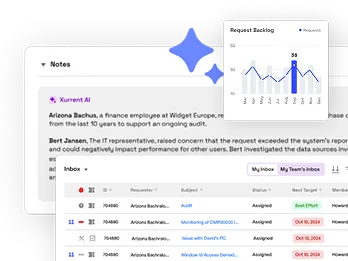
Unifiy IT, HR, Facilities, Finance, and more on a single, AI-powered service platform.
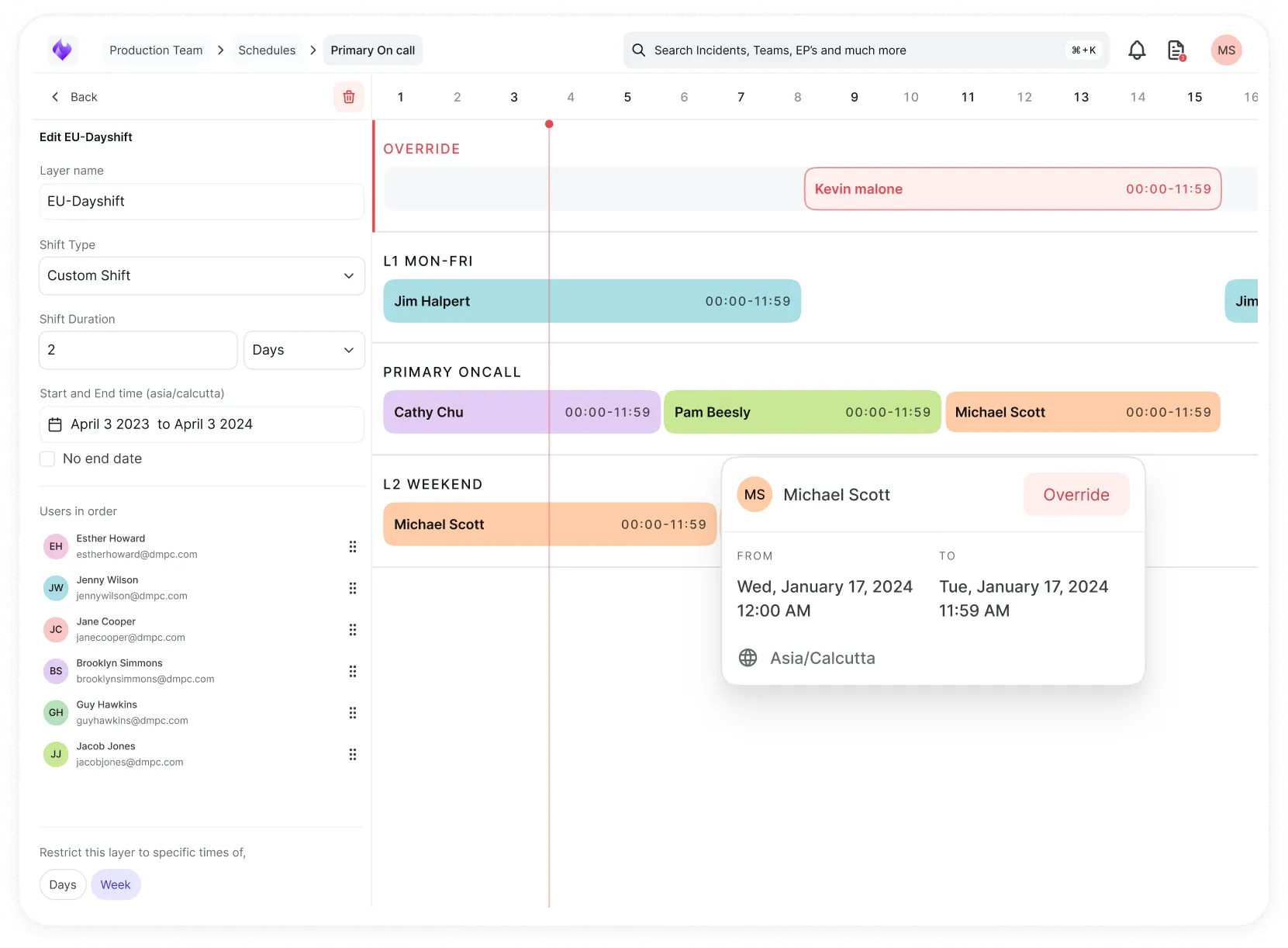
Simplify on-call scheduling, automate escalations, and reduce burnout.
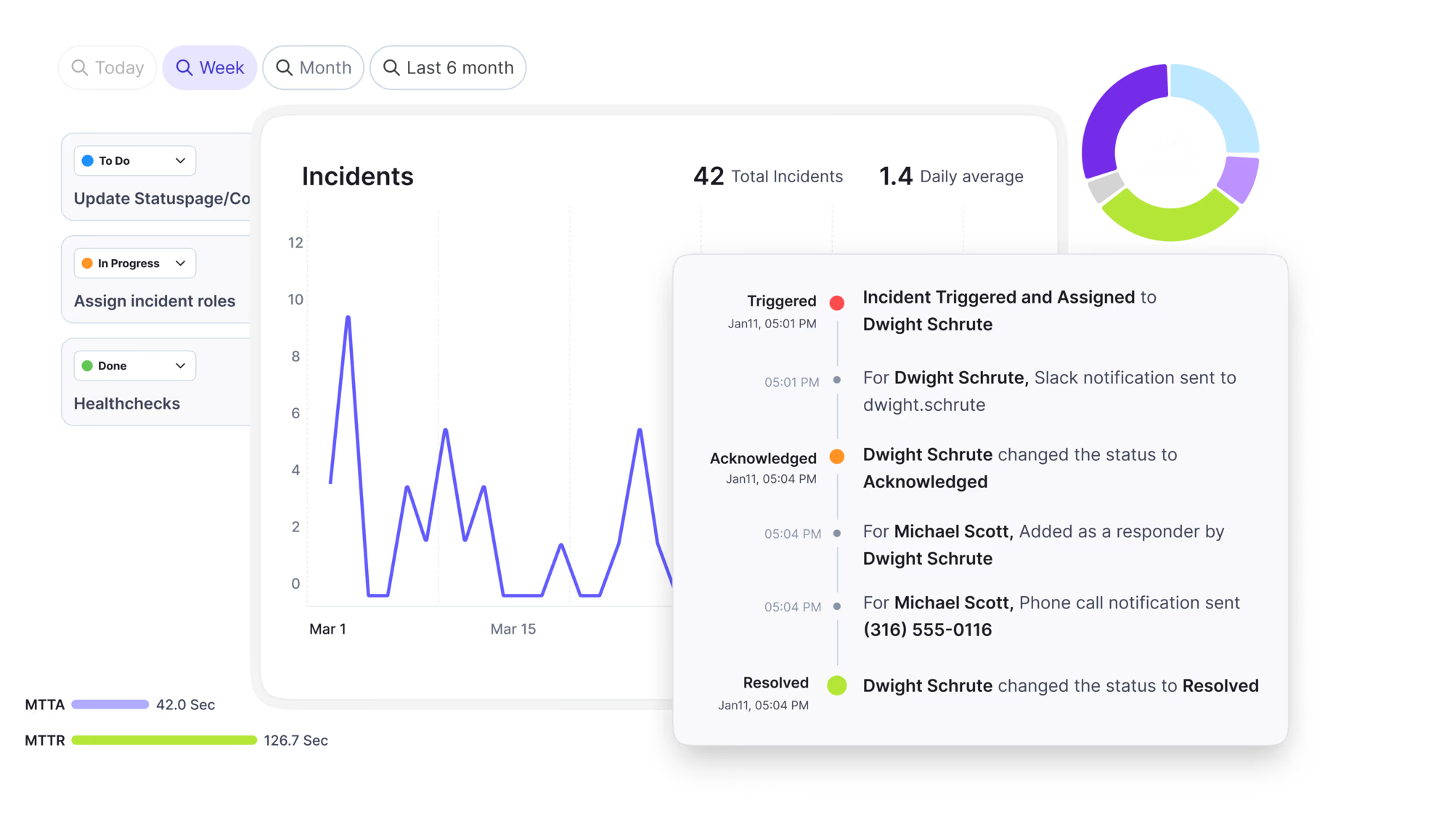
Automate postmortems, AI summaries, and post-incident workflows
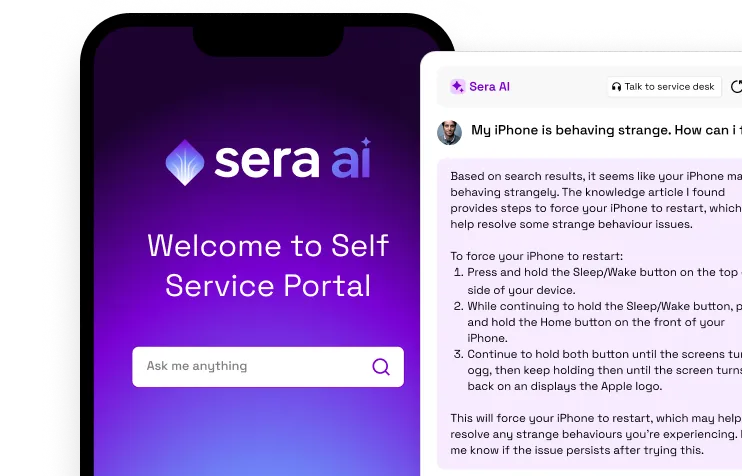
Create, organize, and continuously improve your knowledge base to find the right answers with Sera AI.
We're here to help

The integration with Atlassian Jira using the Xurrent Integration Service is

The integration with Atlassian Jira using the Xurrent Integration Service is

The integration with Atlassian Jira using the Xurrent Integration Service is

The integration with Atlassian Jira using the Xurrent Integration Service is

The integration with Atlassian Jira using the Xurrent Integration Service is

The integration with Atlassian Jira using the Xurrent Integration Service is

The integration with Atlassian Jira using the Xurrent Integration Service is

The integration with Atlassian Jira using the Xurrent Integration Service is
Resolve issues quickly with an AI-powered system that automates ticketing.
Unifiy IT, HR, Facilities, Finance, and more on a single, AI-powered service platform.
Simplify on-call scheduling, automate escalations, and reduce burnout.
Automate postmortems, AI summaries, and post-incident workflows
Create, organize, and continuously improve your knowledge base to find the right answers with Sera AI.
Resolve plant floor and IT issues before they disrupt production.
Stay audit-ready while resolving issues and reducing operational risk.

Detect, respond, and resolve incidents fast to cut downtime and MTTR.

Keep your store online, even during your biggest sales moments.

Protect patient data and resolve issues fast, so care teams stay focused on care.

Standardize service delivery across every store and channel.

We are here to help 24/7

Connect with other Xurrent Users

Get insights and tips on how to get the most out of Xurrent

Apps, APIs, and updates

Xurrent service functionality

Eliminate manual tasks, optimize workflows, and deliver faster resolutions.
Learn how organizations have reduced downtime, improved 50% MTTA & MTTR, and cut costs with Xurrent IMR.
Discover Xurrent IMR's quick support, bidirectional integrations with Jira and Slack, and more cohesive incident response capabilities compared to Opsgenie.
Understand why users value Xurrent IMR for its intuitive interface, efficient incident alerting, customizable On-call schedules, and escalations.

What a CI records, how the CMDB links CIs to services, and why Xurrent has no separate asset record.
A Configuration Item (CI) is any component, hardware, firmware, software, or virtual, that is managed in order to help deliver a service. The Configuration Management Database (CMDB) is the store of these CI records. A CI can be a laptop, a server, a network switch, an installed application, a software distribution package, or a software license certificate. If it is managed so that a service keeps running, it is registered as a CI.
An IT organization can only manage what it can see. Without a CMDB, the relationship between a business service and the hardware and software underneath it lives in people's heads and in spreadsheets, so when something breaks, a contract comes up for renewal, or a cost has to be allocated, the answer has to be reconstructed from scratch.
Xurrent's CMDB makes that relationship a first-class record. Because every CI is linked to the service it supports, a single CI answers several questions at once: which service is affected if this box fails, who supports it, where it sits, what it cost, when its warranty expires, and which requests and problems have touched it. That linkage is what lets an incident on a piece of infrastructure automatically implicate the service that depends on it, and what lets software and hardware costs roll up to the services they enable.
Xurrent does not have a separate Asset record. The CI record is the asset. The same record captures the operational and technical CMDB attributes and the financial and asset attributes, the latter in a Financial Details section. Xurrent packages the two together as a single capability, Service Configuration and IT Asset Management.
The full CI field list and the complete set of Status values live on the Configuration Item reference page.


.webp)
.webp)