




Blog
Insights & updates from our experts


Resolve plant floor and IT issues before they disrupt production.

Stay audit-ready while resolving issues and reducing operational risk.
Resolve issues quickly with an AI-powered system that automates ticketing.
Unifiy IT, HR, Facilities, Finance, and more on a single, AI-powered service platform.
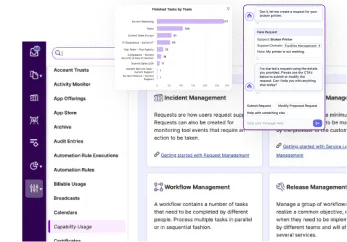
Simplify on-call scheduling, automate escalations, and reduce burnout.
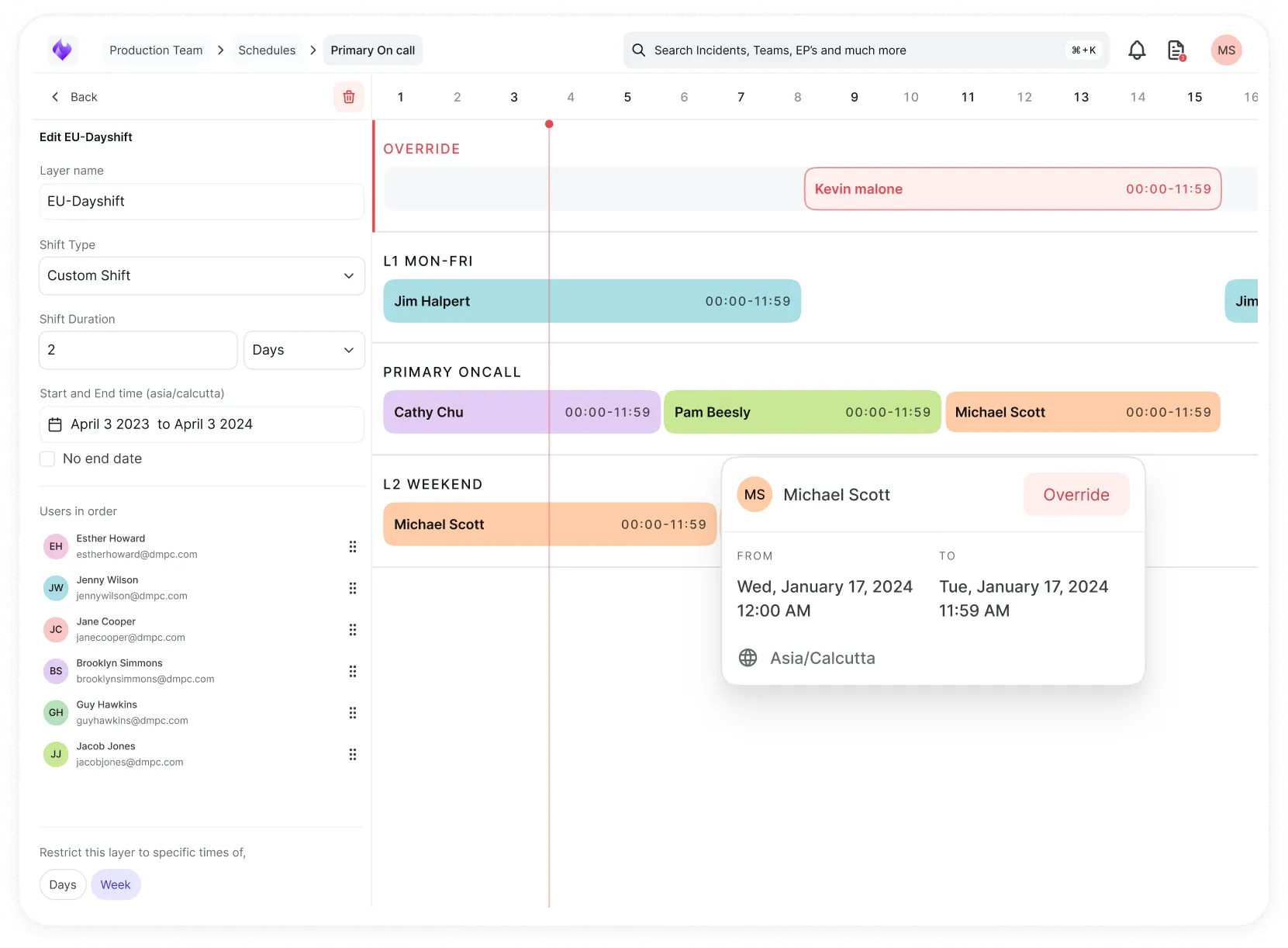
Automate postmortems, AI summaries, and post-incident workflows
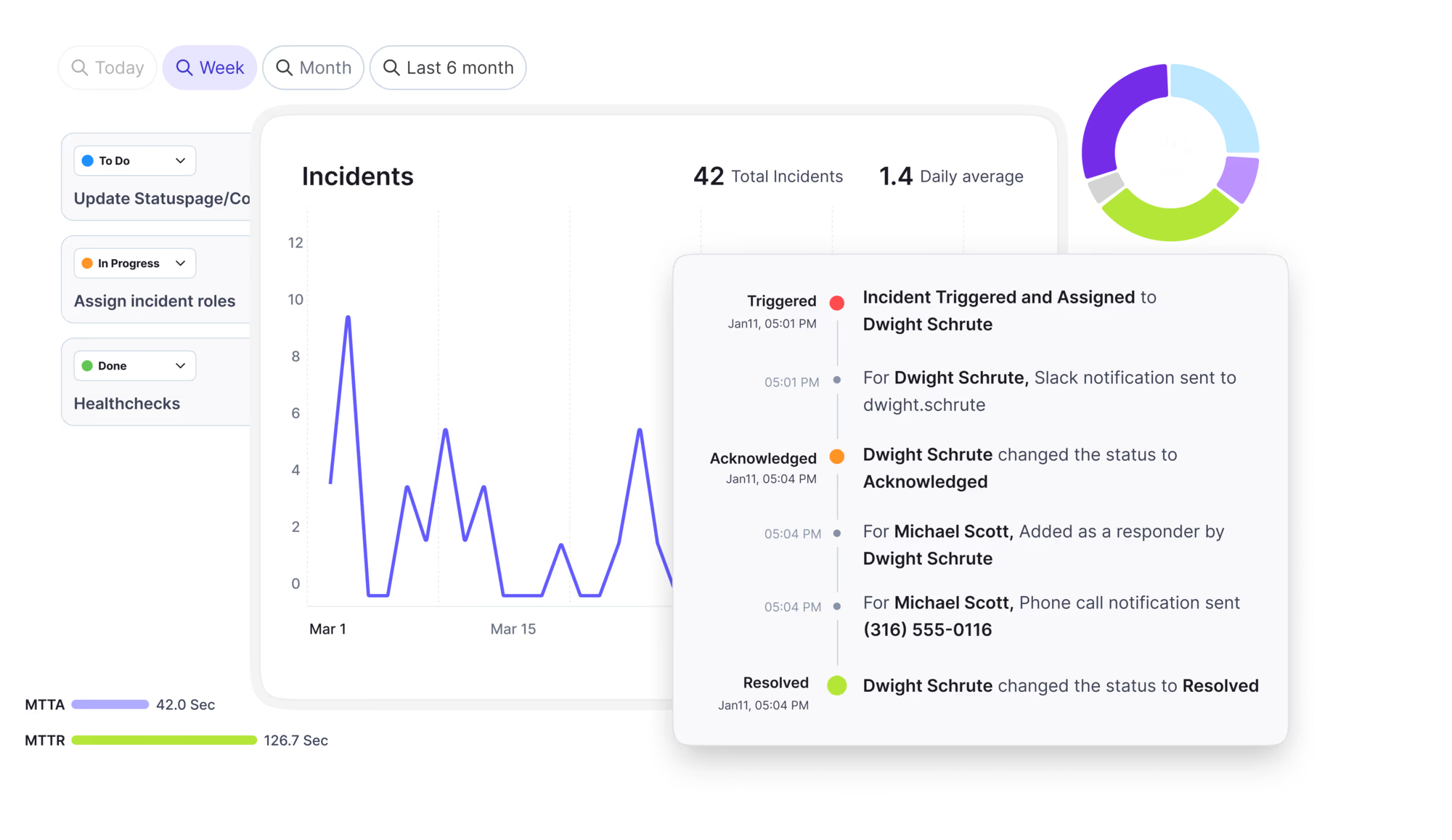
Create, organize, and continuously improve your knowledge base to find the right answers with Sera AI.
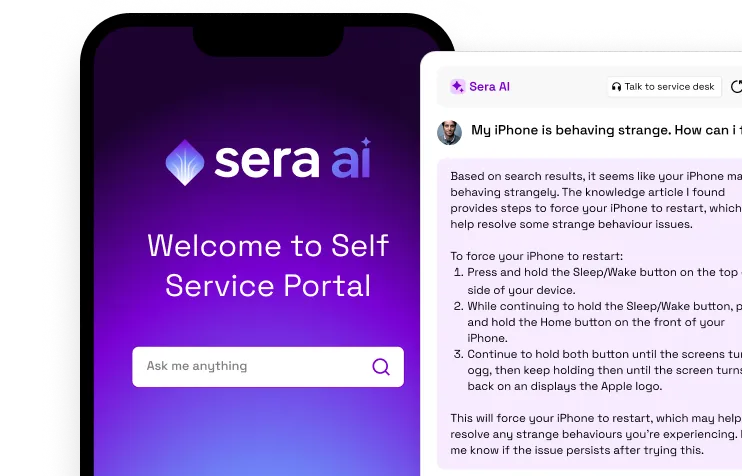
We're here to help

The integration with Atlassian Jira using the Xurrent Integration Service is

The integration with Atlassian Jira using the Xurrent Integration Service is

The integration with Atlassian Jira using the Xurrent Integration Service is

The integration with Atlassian Jira using the Xurrent Integration Service is

The integration with Atlassian Jira using the Xurrent Integration Service is

The integration with Atlassian Jira using the Xurrent Integration Service is

The integration with Atlassian Jira using the Xurrent Integration Service is

The integration with Atlassian Jira using the Xurrent Integration Service is
Resolve issues quickly with an AI-powered system that automates ticketing.
Unifiy IT, HR, Facilities, Finance, and more on a single, AI-powered service platform.
Simplify on-call scheduling, automate escalations, and reduce burnout.
Automate postmortems, AI summaries, and post-incident workflows
Create, organize, and continuously improve your knowledge base to find the right answers with Sera AI.
Resolve plant floor and IT issues before they disrupt production.
Stay audit-ready while resolving issues and reducing operational risk.

Detect, respond, and resolve incidents fast to cut downtime and MTTR.

Keep your store online, even during your biggest sales moments.

Protect patient data and resolve issues fast, so care teams stay focused on care.

Standardize service delivery across every store and channel.

We are here to help 24/7

Connect with other Xurrent Users

Get insights and tips on how to get the most out of Xurrent

Apps, APIs, and updates

Xurrent service functionality

Eliminate manual tasks, optimize workflows, and deliver faster resolutions.
Learn how organizations have reduced downtime, improved 50% MTTA & MTTR, and cut costs with Xurrent IMR.
Discover Xurrent IMR's quick support, bidirectional integrations with Jira and Slack, and more cohesive incident response capabilities compared to Opsgenie.
Understand why users value Xurrent IMR for its intuitive interface, efficient incident alerting, customizable On-call schedules, and escalations.

Amazon CloudWatch is a monitoring and management service built for developers, system operators, site reliability engineers (SRE), and IT managers.
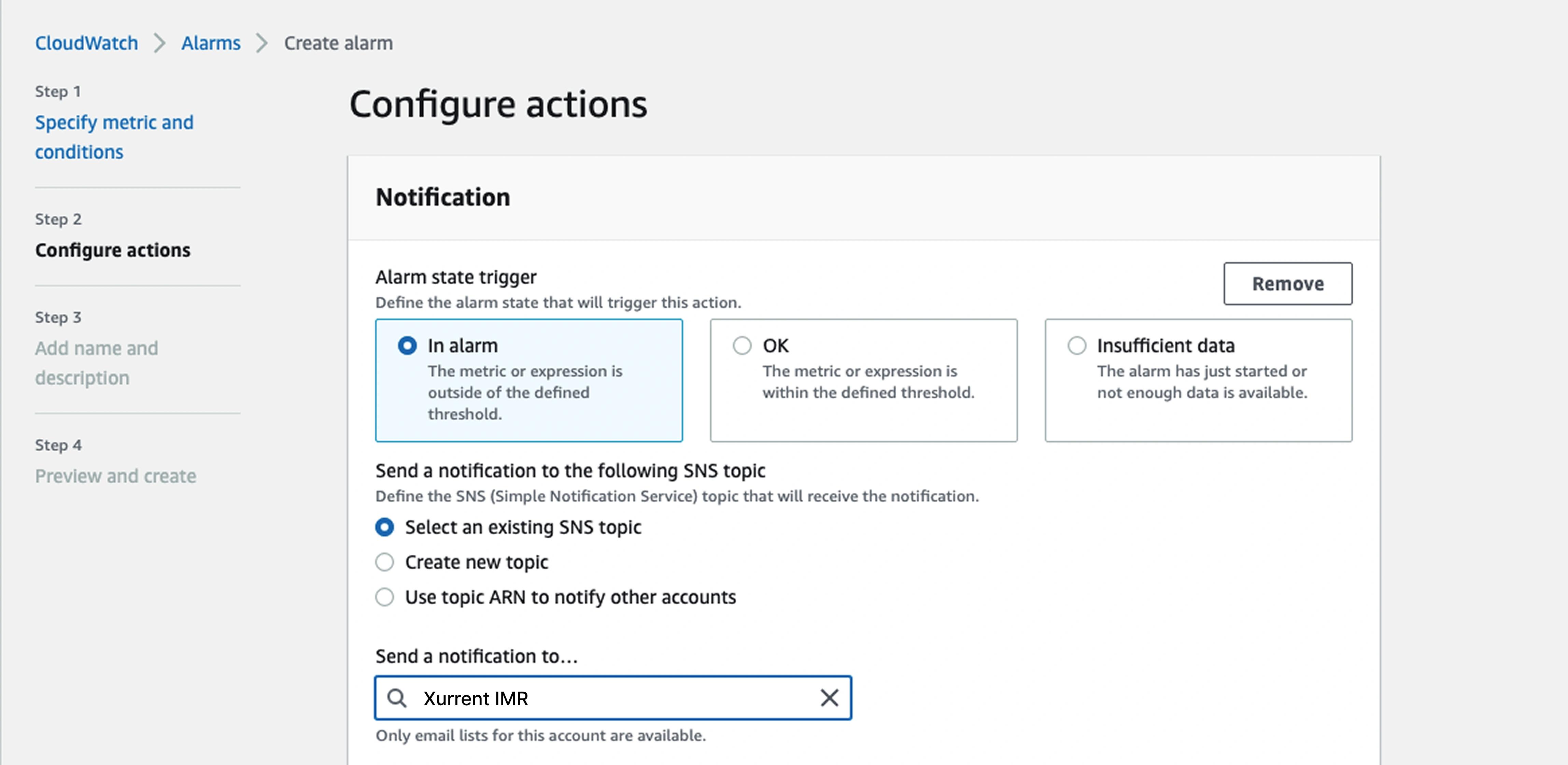
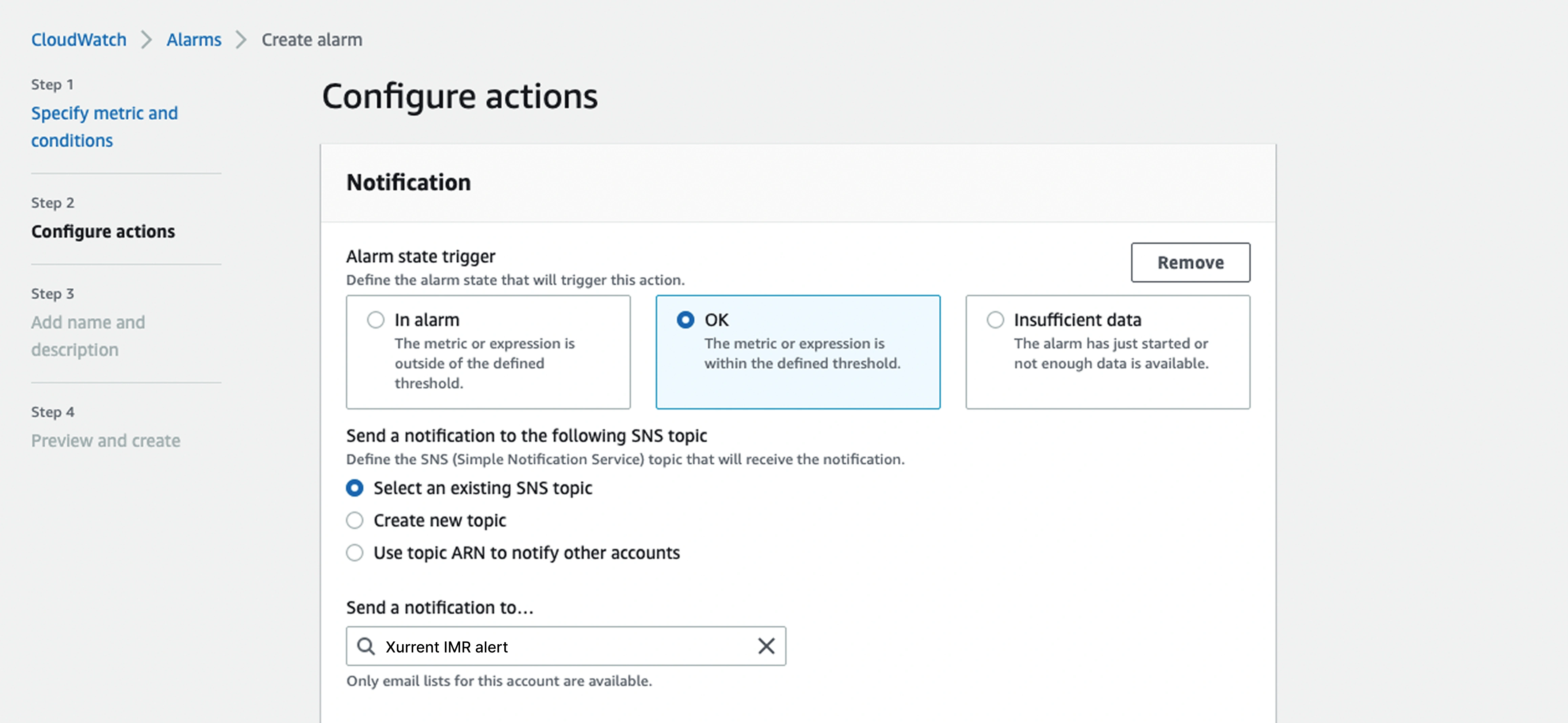
With AWS Cloudwatch's Integration, Xurrent IMR routes new Cloudwatch alarm alerts to the right team and notifies them based on on-call schedules via email, text messages(SMS), phone calls(Voice), Slack, Microsoft Teams and iOS & Android push notifications, and escalates alerts until the alert is acknowledged or closed. Xurrent IMR provides your NOC, SRE and application engineers with detailed context around the Cloudwatch alert along with playbooks and a complete incident command framework to triage, remediate and resolve incidents with speed.
Whenever a Cloudwatch alarm is triggered(in the ALARM or INSUFFFICIENT states), Xurrent IMR will create an incident. When that alarm returns to the OK state, Xurrent IMR will auto-resolve the incident.
You can also use Alert Rules to custom route specific Cloudwatch alerts to specific users, teams or escalation policies, write suppression rules, auto add notes, responders and incident tasks.
The Cloudwatch V1 integrations uses TopicID as the alert deduplication key and clubs all alerts from the same topic within the same incident. Whereas, the Cloudwatch V2 integration uses AlarmId as the deduplication key and every Cloudwatch alarm will create a different incident on Xurrent IMR.
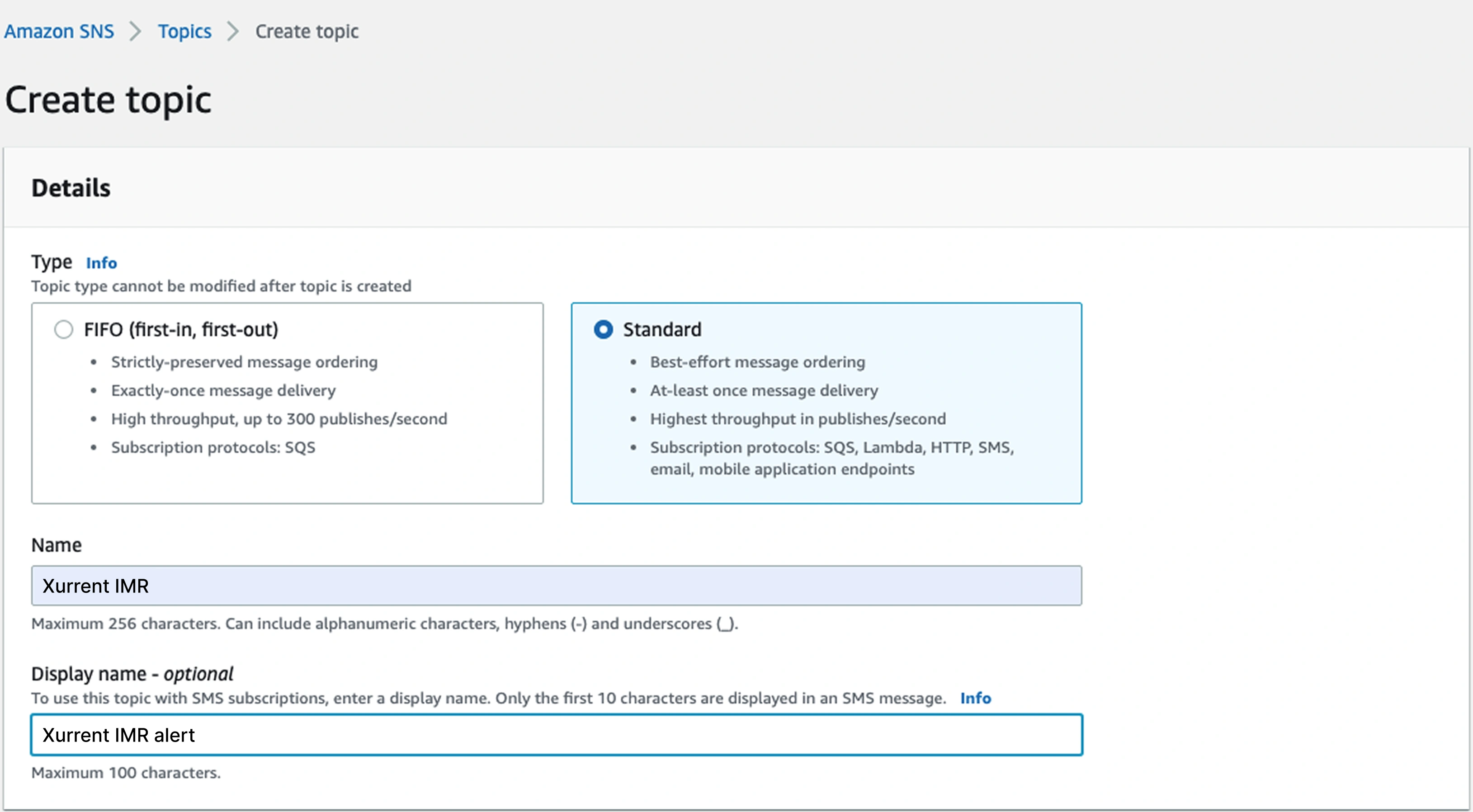
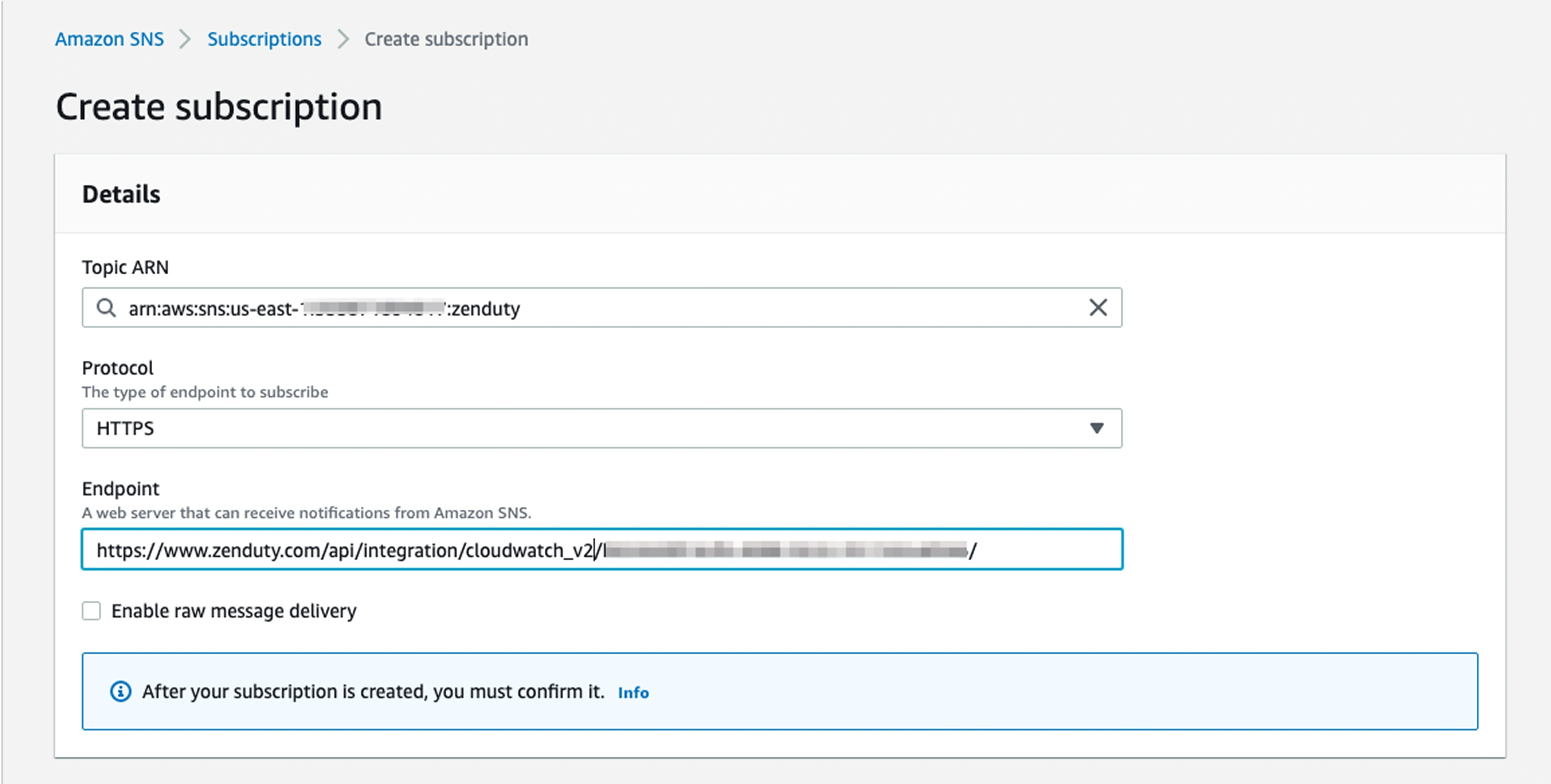
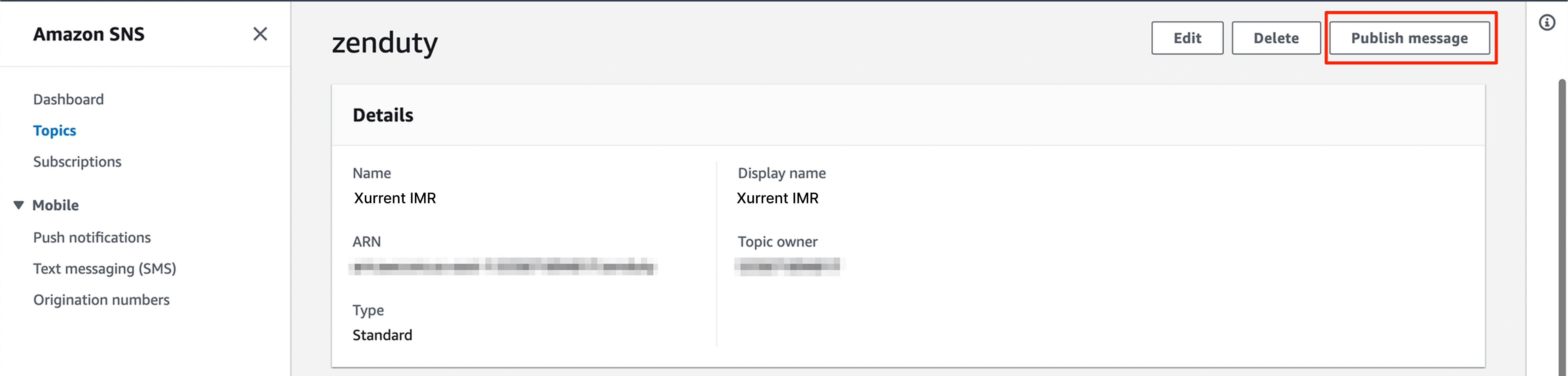
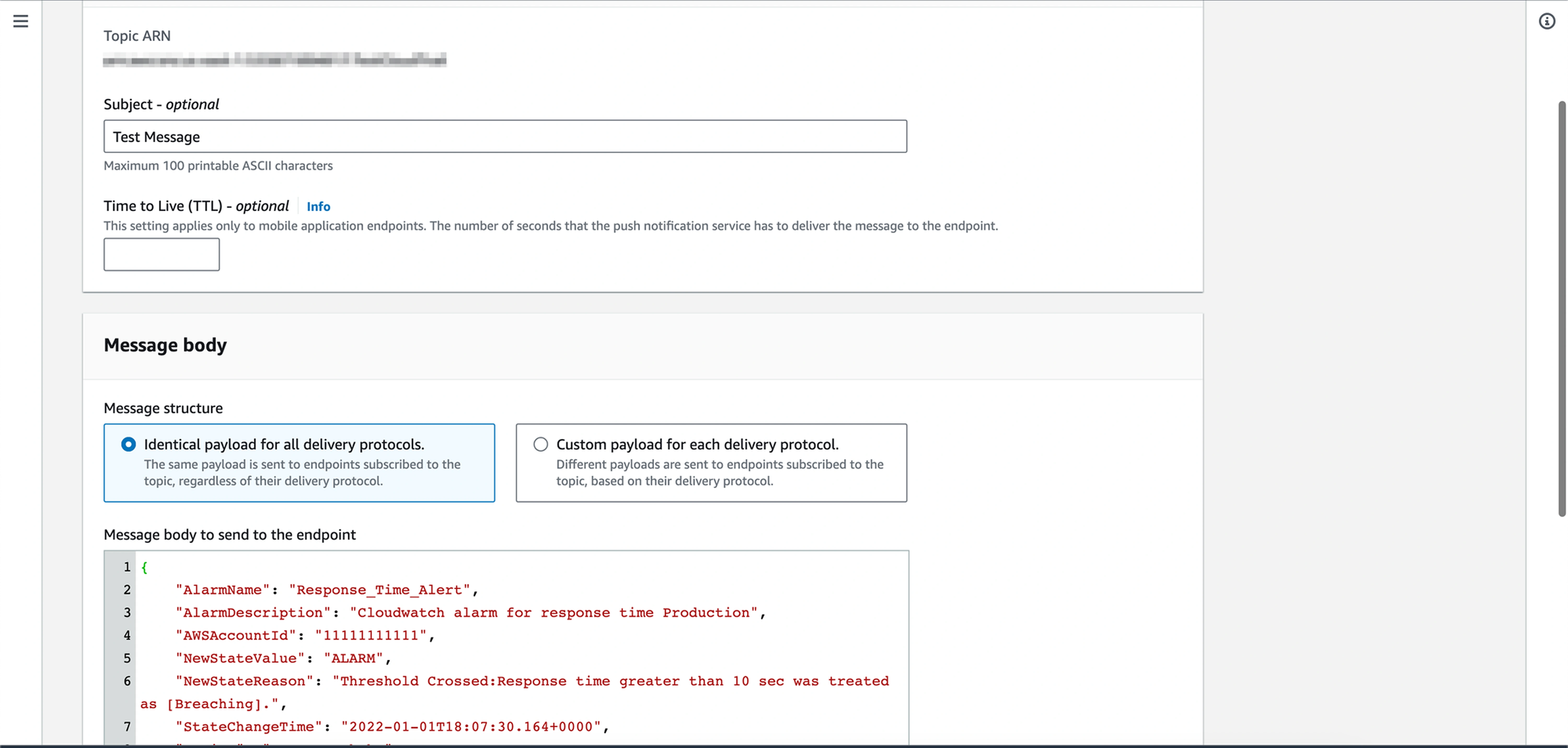
{
    "AlarmName": "Response_Time_Alert",
    "AlarmDescription": "Cloudwatch alarm for response time Production",
    "AWSAccountId": "11111111111",
    "NewStateValue": "ALARM",
    "NewStateReason": "Threshold Crossed:Response time greater than 10 sec was treated as [Breaching].",
    "StateChangeTime": "2022-01-01T18:07:30.164+0000",
    "Region": "US West (k.k)",
    "AlarmArn": "arn:aws:cloudwatch:us-east-1:11111111111:alarm:Response_Time_Alert",
    "OldStateValue": "OK",
    "Trigger": {
        "MetricName": "EnvironmentHealth",
        "Namespace": "AWS/ElasticBeanstalk",
        "StatisticType": "Statistic",
        "Statistic": "AVERAGE",
        "Unit": null,
        "Dimensions": [{
            "value": "production-ya-dev",
            "name": "EnvironmentName"
        }],
        "Period": 60,
        "EvaluationPeriods": 1,
        "ComparisonOperator": "LessThanOrEqualToThreshold",
        "Threshold": -1.0,
        "TreatMissingData": "- TreatMissingData: breaching",
        "Evile": ""
    }
}

.webp)
.webp)