




Blog
Insights & updates from our experts


Resolve plant floor and IT issues before they disrupt production.

Stay audit-ready while resolving issues and reducing operational risk.
Resolve issues quickly with an AI-powered system that automates ticketing.
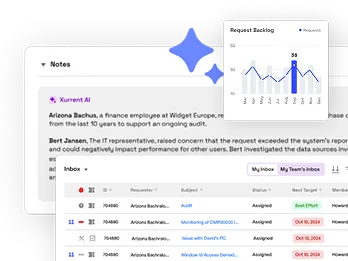
Unifiy IT, HR, Facilities, Finance, and more on a single, AI-powered service platform.
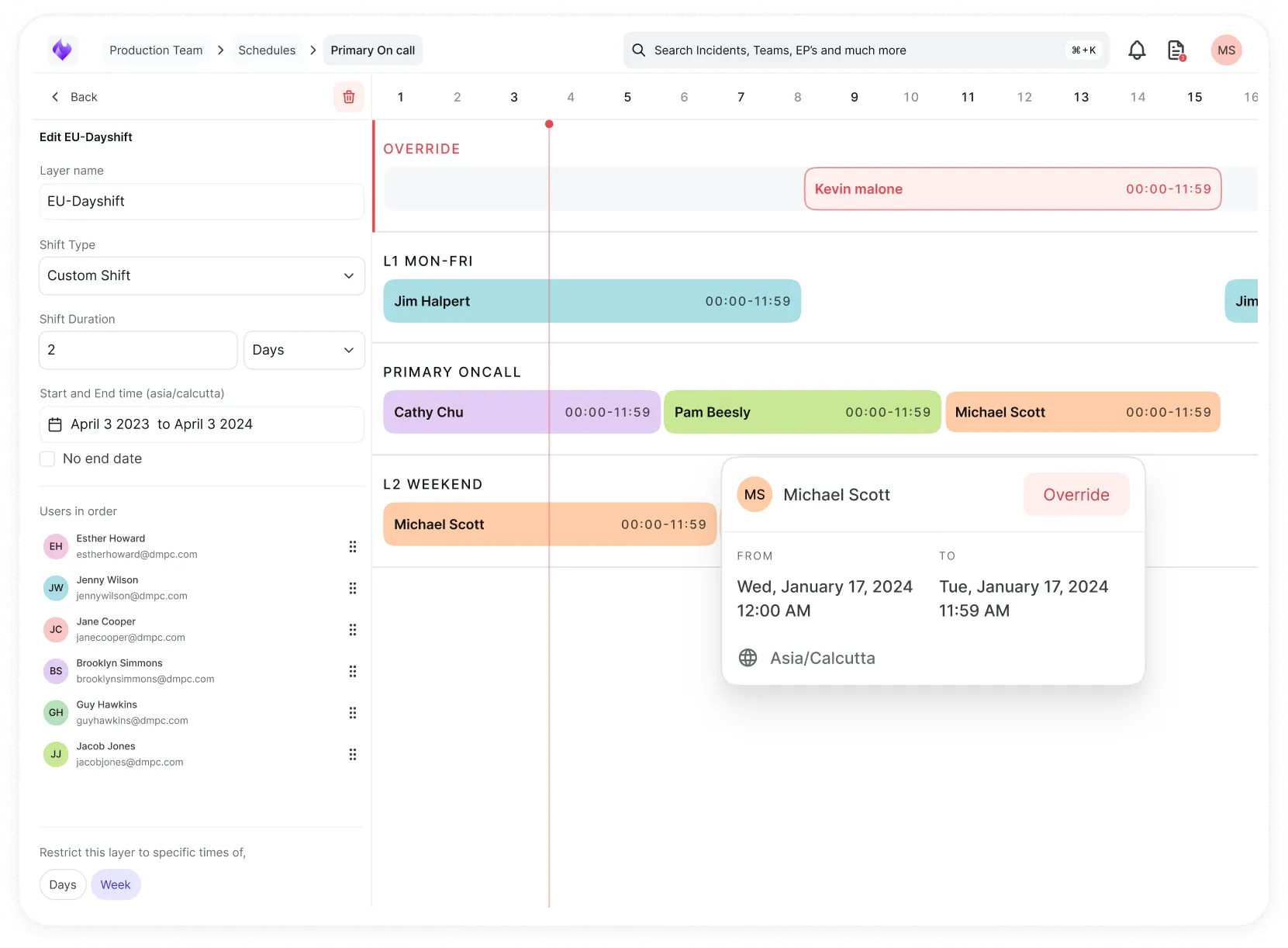
Simplify on-call scheduling, automate escalations, and reduce burnout.
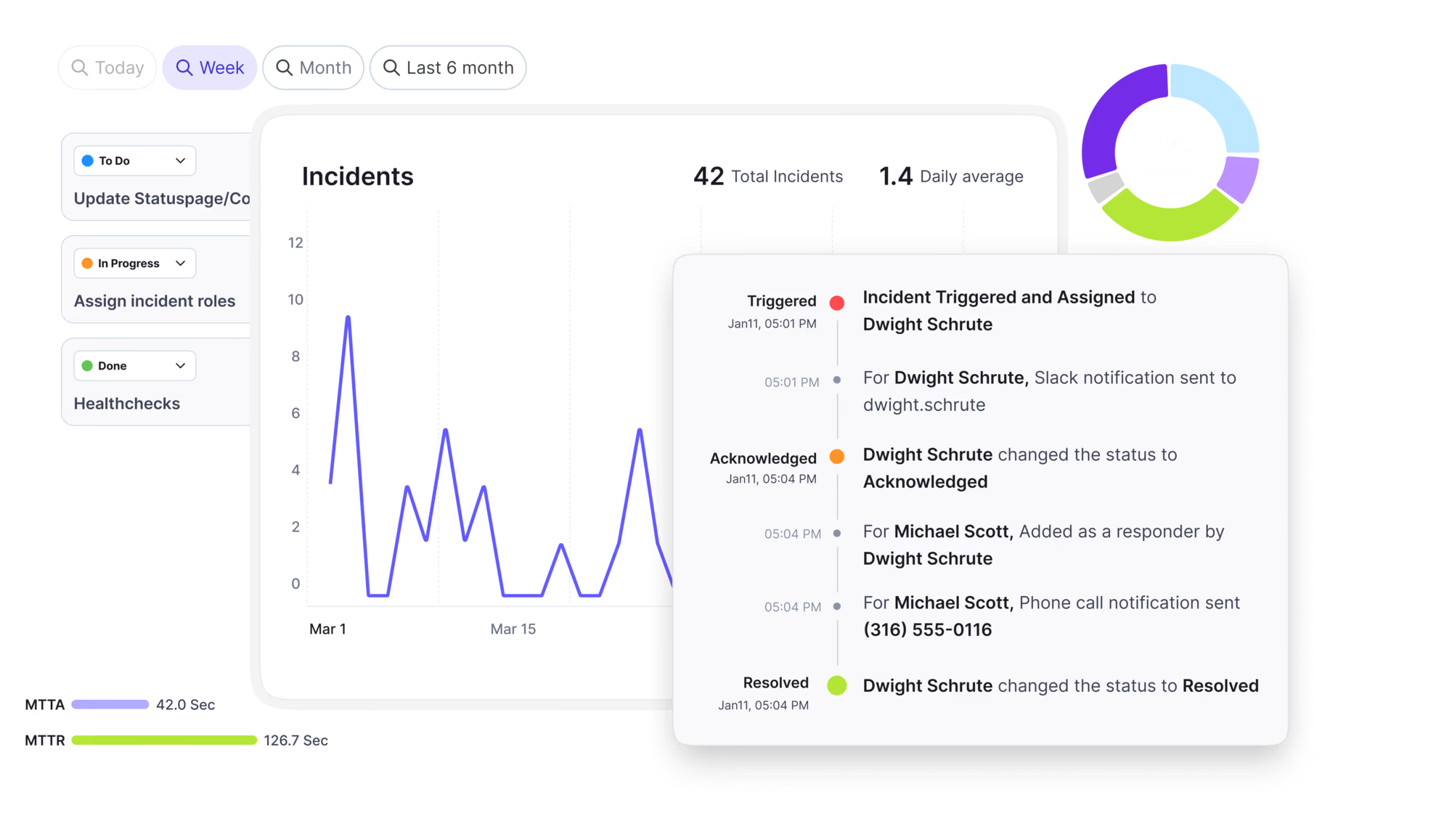
Automate postmortems, AI summaries, and post-incident workflows
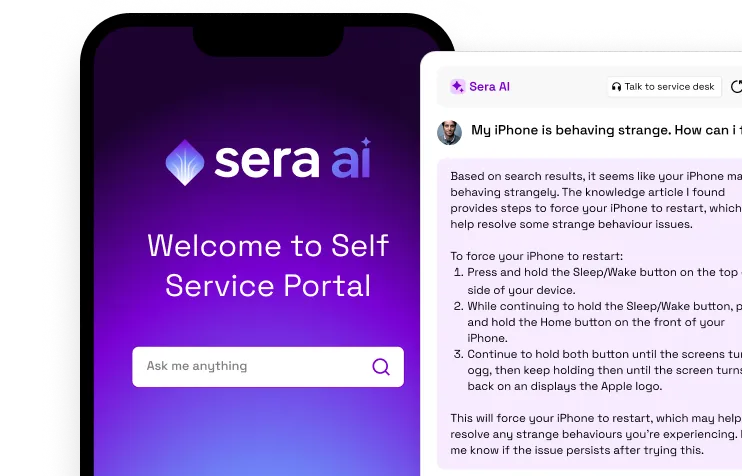
Create, organize, and continuously improve your knowledge base to find the right answers with Sera AI.
We're here to help

The integration with Atlassian Jira using the Xurrent Integration Service is

The integration with Atlassian Jira using the Xurrent Integration Service is

The integration with Atlassian Jira using the Xurrent Integration Service is

The integration with Atlassian Jira using the Xurrent Integration Service is

The integration with Atlassian Jira using the Xurrent Integration Service is

The integration with Atlassian Jira using the Xurrent Integration Service is

The integration with Atlassian Jira using the Xurrent Integration Service is

The integration with Atlassian Jira using the Xurrent Integration Service is
Resolve issues quickly with an AI-powered system that automates ticketing.
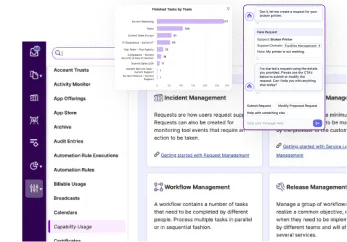
Unifiy IT, HR, Facilities, Finance, and more on a single, AI-powered service platform.
Simplify on-call scheduling, automate escalations, and reduce burnout.
Automate postmortems, AI summaries, and post-incident workflows
Create, organize, and continuously improve your knowledge base to find the right answers with Sera AI.
Resolve plant floor and IT issues before they disrupt production.
Stay audit-ready while resolving issues and reducing operational risk.

Detect, respond, and resolve incidents fast to cut downtime and MTTR.

Keep your store online, even during your biggest sales moments.

Protect patient data and resolve issues fast, so care teams stay focused on care.
Standardize service delivery across every store and channel.

We are here to help 24/7

Connect with other Xurrent Users

Get insights and tips on how to get the most out of Xurrent

Apps, APIs, and updates

Xurrent service functionality

Eliminate manual tasks, optimize workflows, and deliver faster resolutions.
Learn how organizations have reduced downtime, improved 50% MTTA & MTTR, and cut costs with Xurrent IMR.
Discover Xurrent IMR's quick support, bidirectional integrations with Jira and Slack, and more cohesive incident response capabilities compared to Opsgenie.
Understand why users value Xurrent IMR for its intuitive interface, efficient incident alerting, customizable On-call schedules, and escalations.

ITSM, or IT service management, is the practice of designing, delivering, and improving IT services to meet business and user needs. Rather than treating IT as a technical function that fixes things when they break, ITSM frames IT as a service provider with defined offerings, clear processes, and measurable outcomes.
The shift matters because modern organizations depend on reliable technology services for nearly everything they do. This guide covers what ITSM actually means, the core processes that make it work, how AI is changing the game, and practical best practices for getting it right.
ITSM, or IT service management, is how IT teams design, deliver, manage, and improve the technology services that keep organizations running. Instead of treating IT as a collection of hardware and software to maintain, ITSM frames IT as a service provider that delivers defined services to employees, customers, and partners.
Here's a simple way to think about it: rather than "fixing computers," an IT team practicing ITSM delivers services like "employee onboarding," "secure remote access," or "application support." Each service has clear expectations, defined processes, and measurable outcomes.
The core elements that make ITSM work include:
ITSM stands for Information Technology Service Management. The term emphasizes managing IT as a set of services aligned to business goals rather than managing technology in isolation.
You'll sometimes see it written as "IT Service Management" or simply "service management" in enterprise contexts. The meaning stays the same regardless of how it's abbreviated.
Without defined processes, every incident becomes a fire drill. Knowledge lives in people's heads, and the same problems keep coming back. With unplanned downtime costing enterprises significantly, ITSM brings order to this chaos.
When a critical system goes down at 2 AM, a mature ITSM practice means the on-call team knows exactly who to contact, what steps to follow, and how to communicate with affected users. There's no scrambling to figure out who owns what.
The business case typically comes down to four factors:
ITSM platforms consolidate data from incidents, assets, changes, and service requests into a single view. This eliminates the silos that form when teams use disconnected tools and helps everyone understand service health holistically.
Defined workflows and searchable knowledge bases speed up troubleshooting. When an incident arrives, proper categorization and routing get it to the right team immediately. No more tickets bouncing between groups while users wait.
ITSM embeds audit trails, approval workflows, and access controls into daily operations. For organizations subject to SOC-2, ISO, HIPAA, or other regulatory requirements, built-in compliance simplifies audits and reduces risk.
ITSM breaks down barriers between IT, operations, security, and business teams. Shared processes and data enable coordinated response, which is especially critical during major incidents that span multiple domains.
Automation handles repetitive tasks like ticket routing, password resets, and standard approvals. Self-service portals deflect routine inquiries. The result is fewer escalations, faster resolution, and lower overall support costs.
ITSM frameworks define specific processes that govern how IT delivers and supports services. These processes work together as an integrated system rather than isolated activities.
Each process serves a specific purpose while connecting to others through shared data and workflows. For example, incident management focuses on immediate restoration, while problem management prevents future occurrences. Change management ensures modifications don't introduce new risks, and knowledge management captures learnings from all activities.
Incidents are unplanned interruptions or degradations to services. The goal of incident management is restoring normal service as quickly as possible while minimizing business impact. Speed matters here, and root cause analysis comes later.
Problems are the underlying causes of incidents. While incident management focuses on immediate restoration, problem management digs deeper to identify root causes and prevent recurrence. One problem often explains multiple incidents.
Change management controls modifications to IT systems, from minor configuration updates to major infrastructure changes. It balances the need for agility with risk mitigation through impact assessments, approvals, and rollback plans.
Service requests are user-initiated requests for standard services: access provisioning, equipment orders, software installations. Service catalogs and automated workflows streamline fulfillment and set clear expectations.
Knowledge management captures and shares information to speed resolution and enable self-service. Maintaining accurate, searchable knowledge bases prevents teams from solving the same problems repeatedly.
IT asset management tracks hardware, software, and licenses throughout their lifecycle. This supports compliance, cost control, and capacity planning while ensuring teams know exactly what's deployed where.
This distinction trips up many people new to service management. ITSM is the practice of managing IT services. ITIL (Information Technology Infrastructure Library) is a specific framework of best practices for implementing ITSM.
ITIL is the most widely adopted ITSM framework, but it's not the only option. Organizations can practice ITSM using ITIL, other frameworks, or custom approaches tailored to their environment.
ITIL remains the most widely recognized ITSM framework, now in version 4. With certified professionals worldwide, the latest iteration focuses on value co-creation and the service value chain, emphasizing guiding principles over rigid processes. It's particularly well-suited for organizations seeking structured, comprehensive guidance.
DevOps is a culture and set of practices that unify development and operations teams. It complements ITSM by emphasizing automation, continuous delivery, and collaboration. Many organizations blend DevOps practices with ITSM processes for faster, more reliable service delivery.
COBIT (Control Objectives for Information and Related Technologies) is a governance framework focused on aligning IT with business objectives and managing risk. It's often used alongside ITSM frameworks in regulated industries.
Modern ITSM tools have evolved far beyond simple ticketing systems. Today's platforms serve as the operational backbone for IT service delivery.
The core function remains capturing, routing, and tracking service requests and incidents through defined workflows. Modern platforms add intelligence to this process by automatically categorizing tickets, suggesting solutions, and escalating based on business impact.
Portals enable users to submit requests, check status, and find answers independently. A well-designed self-service experience reduces call volume while improving user satisfaction.
Automation handles repetitive tasks like ticket routing, approvals, and notifications. Orchestration connects multiple systems for end-to-end workflow execution. For example, provisioning a new employee might trigger actions across HR systems, Active Directory, and equipment ordering.
Dashboards and reports provide visibility into service performance, trends, and bottlenecks. The focus has shifted from raw data to actionable insights that drive improvement.
ITSM platforms connect with monitoring tools, CRM, ERP, and collaboration systems. Deep integrations eliminate manual data transfer and context switching, which is critical for teams managing complex environments.
AI and machine learning are reshaping ITSM in fundamental ways. Recent research shows AI agent use is most common in IT and knowledge management functions. What once required manual effort now happens automatically, and what was reactive becomes predictive.
Key AI applications in ITSM include:
The trajectory is clear: ITSM is moving from reactive to proactive, and eventually toward autonomous operations where routine issues resolve themselves.
Consolidating incidents, services, and operations in a single system eliminates the fragmentation that plagues many IT organizations. When data lives in disconnected tools, teams lack the visibility needed for effective decision-making.
Embedding zero-trust controls, audit trails, and approval workflows by design is far more effective than adding them later. Security and compliance become natural byproducts of daily operations rather than separate initiatives.
Modern IT rarely operates in isolation. Secure collaboration across internal teams and external partners, through defined trust boundaries and shared visibility, accelerates resolution and improves outcomes.
Using AI to automatically categorize incidents and route them to appropriate teams reduces manual triage time dramatically. This frees skilled staff to focus on complex problems rather than sorting tickets.
No-code automation builders enable teams to create workflows without developer resources. This democratizes process improvement and accelerates time-to-value.
Empowering users to resolve issues independently through searchable knowledge bases and intuitive portals benefits everyone. Users get faster answers, and IT teams handle fewer routine inquiries.
Focusing on metrics that reflect business outcomes and user experience, rather than vanity metrics like ticket counts, drives meaningful improvement.
Evaluate whether the platform handles organizational growth, multiple business units, and global operations. What works for a 500-person company may struggle at 5,000.
Assess built-in security controls, compliance certifications like SOC-2 and ISO, and audit capabilities. For regulated industries, this often becomes the deciding factor.
Evaluate the maturity and effectiveness of AI capabilities for classification, resolution, and prediction. Ask for specific examples and metrics from reference customers.
Assess native integrations with existing tools and the ease of building custom connections. A platform that doesn't connect with your environment creates more problems than it solves.
Consider implementation costs, ongoing maintenance, training, and the resources required for customization. The lowest license cost rarely translates to the lowest total cost.
Modern ITSM tools have evolved beyond traditional ticketing systems. Here's how leading platforms compare across key capabilities:
ServiceNow remains the industry benchmark for large organizations requiring extensive ITIL coverage and deep customization. With AI-powered virtual agents and comprehensive workflow automation, it handles complex enterprise environments but requires significant implementation resources.
BMC Helix ITSM delivers cloud-native service management with cognitive automation and predictive analytics. Built for multi-cloud environments, it excels in regulated industries requiring advanced governance.
Xurrent unifies incidents, services, and operations in a single platform with native Sera AI and sub-350ms response times. Unlike traditional tools requiring months of customization, Xurrent deploys in weeks through configuration-first design.
Atlassian Jira Service Management bridges IT and DevOps teams through tight integration with development workflows. Its agile-friendly approach suits engineering-led organizations but may require add-ons for advanced ITIL capabilities.
Xurrent, Freshservice and ManageEngine ServiceDesk Plus balance functionality with accessibility, offering solid ITSM coverage at predictable costs. All emphasize ease of deployment and user adoption over enterprise-scale complexity.
When evaluating ITSM tools, focus on these differentiators that modern IT teams prioritize:
The shift toward automation-first, AI-native platforms reflects organizations' need to scale IT operations without proportional headcount increases.
Xurrent brings incidents, services, and operations together in a single, modern platform built for enterprise complexity. With secure cross-organization collaboration through account trusts, AI-driven incident management via Sera AI, and no-code automation, Xurrent helps organizations move from reactive firefighting to proactive service operations.
Schedule a demo to see how Xurrent can transform your IT service delivery.
ITSM stands for Information Technology Service Management. The term emphasizes managing IT as a set of services aligned to business goals rather than managing technology in isolation. You'll sometimes see it written as "IT Service Management" or simply "service management" in enterprise contexts.
ITSM (IT Service Management) is how IT teams design, deliver, manage, and improve the technology services that keep organizations running. Instead of treating IT as a collection of hardware and software to maintain, ITSM frames IT as a service provider that delivers defined services to employees, customers, and partners.
It matters because without defined processes, every incident becomes a fire drill. With unplanned downtime costing enterprises significantly, ITSM brings order to chaos through standardized processes, clear accountability, and proactive operations.
ITSM frameworks define specific processes that work together as an integrated system:
ITSM is the practice of managing IT services, while ITIL (Information Technology Infrastructure Library) is a specific framework of best practices for implementing ITSM.
ITIL is the most widely adopted ITSM framework with certified professionals worldwide, but it's not the only option. Organizations can practice ITSM using ITIL, other frameworks like DevOps or COBIT, or custom approaches tailored to their environment.
Traditional ITSM frameworks like ITIL v3 organized processes into five lifecycle stages: service strategy, service design, service transition, service operation, and continual service improvement. ITIL 4 has since evolved to a more flexible service value system approach that emphasizes adaptability over rigid stages.
Traditional ITSM frameworks like ITIL v3 organized processes into five lifecycle stages: service strategy, service design, service transition, service operation, and continual service improvement.
ITIL 4 has since evolved to a more flexible service value system approach that emphasizes adaptability over rigid stages, focusing on value co-creation and the service value chain with guiding principles rather than prescriptive processes.
Organizations implementing ITSM experience several key benefits:
ITSM focuses specifically on IT services, while ESM (Enterprise Service Management) extends the same principles and tools to other business functions like HR, facilities, finance, and legal. Many organizations start with ITSM and expand to ESM as they mature.
ITSM professionals benefit from a combination of technical knowledge, process expertise, communication skills, and familiarity with frameworks like ITIL. Increasingly, data analysis and automation skills are becoming valuable as AI transforms the field.
AI and machine learning are reshaping ITSM in fundamental ways. Recent research shows AI agent use is most common in IT and knowledge management functions. Key applications include:
The trajectory is clear: ITSM is moving from reactive to proactive, and eventually toward autonomous operations.
Implementation timelines vary significantly by platform approach. Modern, configuration-first tools like Xurrent deploy in as little as 4 weeks, while traditional enterprise suites requiring extensive customization often span 6-12 months. Phased approaches typically deliver faster time-to-value, allowing organizations to implement core functionality first and expand capabilities based on business priorities.
Implementation timelines vary significantly by platform approach. Modern, configuration-first tools like Xurrent deploy in as little as 4 weeks, while traditional enterprise suites requiring extensive customization often span 6-12 months.

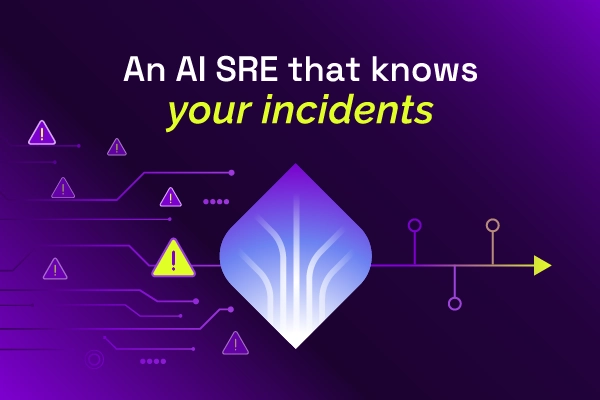
Most AI SREs are pattern matchers trained on public data. They know what a memory leak looks like in the abstract. They don't know that your payments-api has a flaky liveness probe everyone ignores, that the checkout team owns the retry policy, or that the last three "database incidents" were actually cache misconfigurations. That knowledge lives in your postmortems, your Slack channels, and the heads of two senior engineers.
Most vendors will tell you ITSM implementation takes six months to a year — but modern, configuration-first platforms have rewritten the math entirely. See what real implementations look like in 2026, and why a long rollout is now a choice, not a given.

.webp)
.webp)
.webp)