




Blog
Insights & updates from our experts


Resolve plant floor and IT issues before they disrupt production.

Stay audit-ready while resolving issues and reducing operational risk.
Resolve issues quickly with an AI-powered system that automates ticketing.
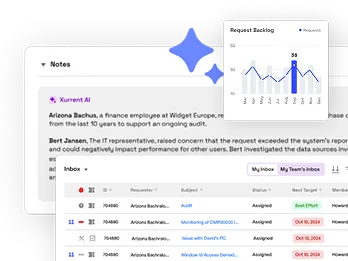
Unifiy IT, HR, Facilities, Finance, and more on a single, AI-powered service platform.
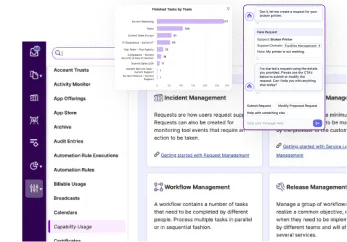
Simplify on-call scheduling, automate escalations, and reduce burnout.
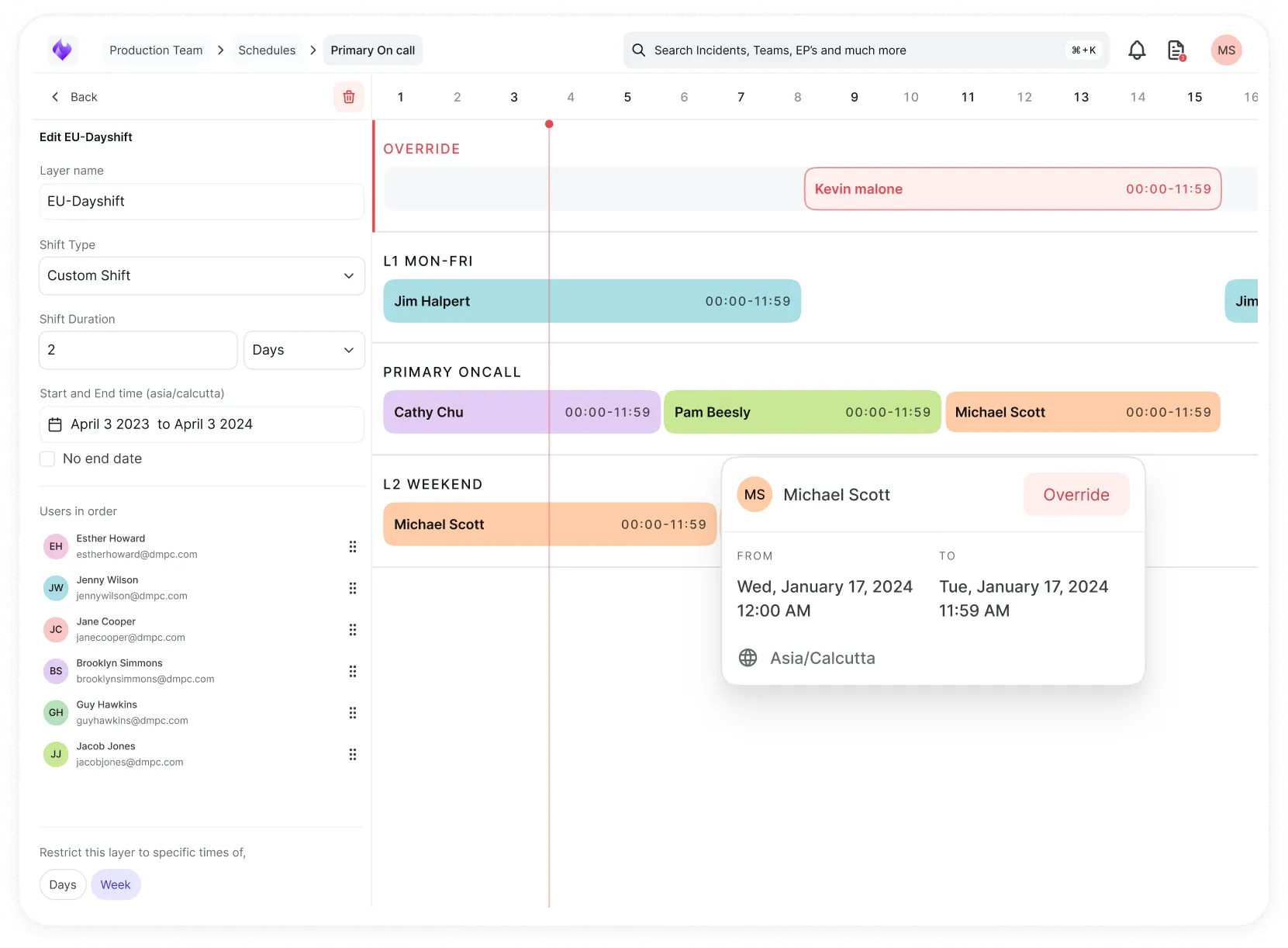
Automate postmortems, AI summaries, and post-incident workflows
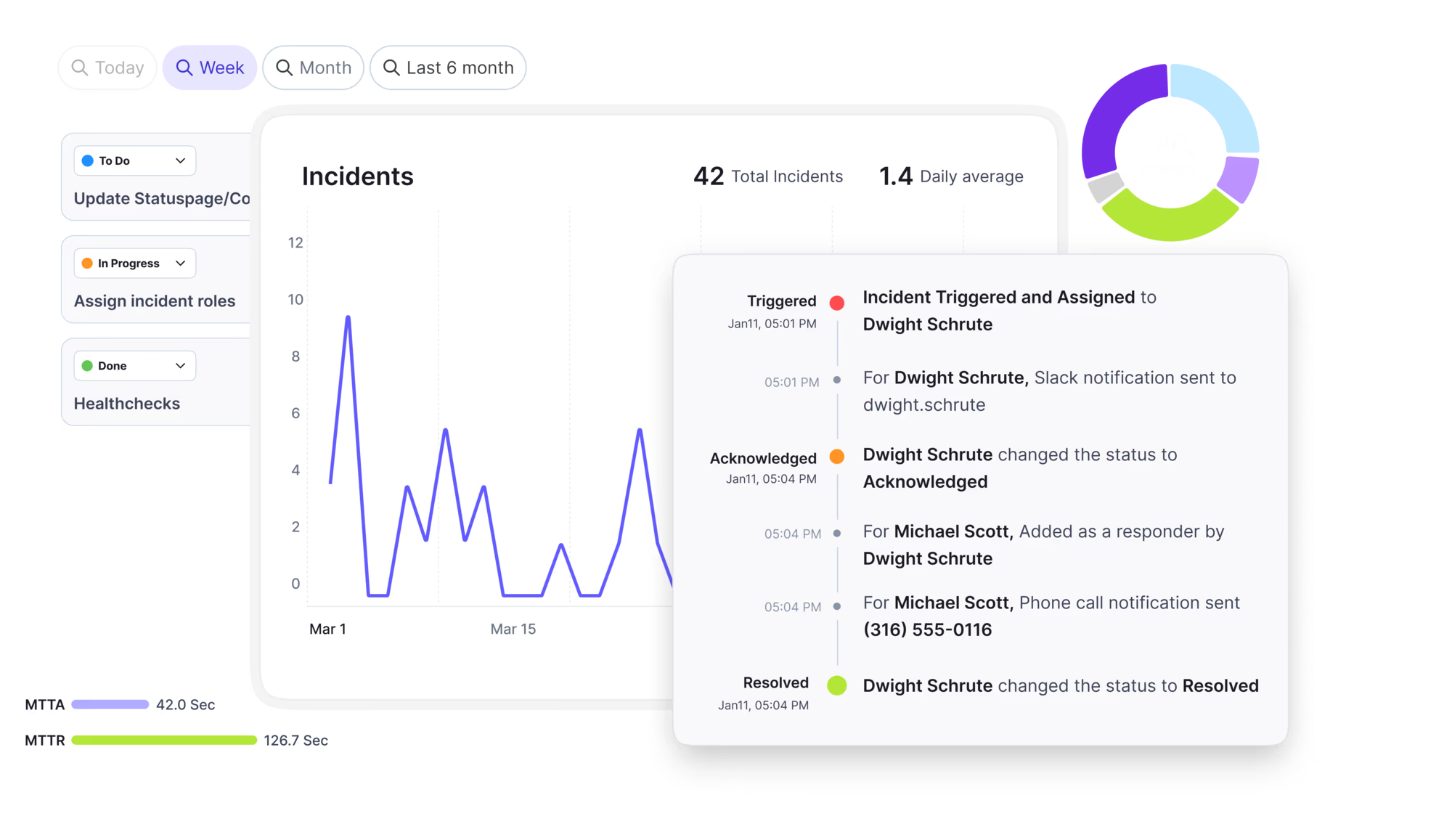
Create, organize, and continuously improve your knowledge base to find the right answers with Sera AI.
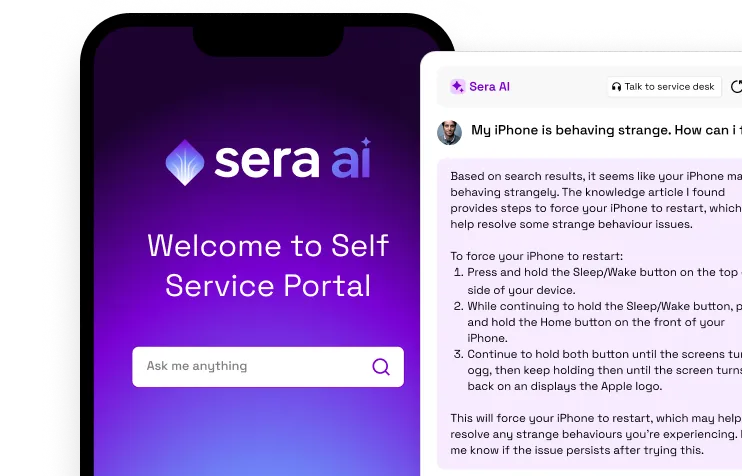
We're here to help

The integration with Atlassian Jira using the Xurrent Integration Service is

The integration with Atlassian Jira using the Xurrent Integration Service is

The integration with Atlassian Jira using the Xurrent Integration Service is

The integration with Atlassian Jira using the Xurrent Integration Service is

The integration with Atlassian Jira using the Xurrent Integration Service is

The integration with Atlassian Jira using the Xurrent Integration Service is

The integration with Atlassian Jira using the Xurrent Integration Service is

The integration with Atlassian Jira using the Xurrent Integration Service is
Resolve issues quickly with an AI-powered system that automates ticketing.
Unifiy IT, HR, Facilities, Finance, and more on a single, AI-powered service platform.
Simplify on-call scheduling, automate escalations, and reduce burnout.
Automate postmortems, AI summaries, and post-incident workflows
Create, organize, and continuously improve your knowledge base to find the right answers with Sera AI.
Resolve plant floor and IT issues before they disrupt production.
Stay audit-ready while resolving issues and reducing operational risk.

Detect, respond, and resolve incidents fast to cut downtime and MTTR.

Keep your store online, even during your biggest sales moments.

Protect patient data and resolve issues fast, so care teams stay focused on care.

Standardize service delivery across every store and channel.

We are here to help 24/7

Connect with other Xurrent Users

Get insights and tips on how to get the most out of Xurrent

Apps, APIs, and updates

Xurrent service functionality

Eliminate manual tasks, optimize workflows, and deliver faster resolutions.
Learn how organizations have reduced downtime, improved 50% MTTA & MTTR, and cut costs with Xurrent IMR.
Discover Xurrent IMR's quick support, bidirectional integrations with Jira and Slack, and more cohesive incident response capabilities compared to Opsgenie.
Understand why users value Xurrent IMR for its intuitive interface, efficient incident alerting, customizable On-call schedules, and escalations.
How engineering teams use Xurrent IMR's GitHub integration to close incidents before they become postmortems.
Here is how most engineering teams find out about a production incident: an alert fires in their monitoring tool, somebody creates a GitHub issue to track the work, someone else opens a separate war room, a third person updates the status page, and by the time the incident is resolved, there are four places that each have a partial version of what happened.
Nobody closed the loop. The GitHub issue is still open. The postmortem never got written. Three weeks later, the same alert fires.
The problem is not that your team is disorganized. It is that your tools are not talking to each other, so your team has to be the bridge. Xurrent IMR's GitHub integration removes that bridge requirement entirely.
GitHub is where engineers already spend their day. Pull requests, code reviews, issue tracking — it all lives there. When something breaks in production, the instinct is to open a GitHub issue because that is the tool in front of you.
The problem is GitHub issues are not built for incident response. They do not page anyone. They do not know who is on-call. They do not escalate if nobody responds in five minutes. They do not measure MTTR or track whether the fix actually shipped.
Xurrent IMR is built for exactly those things. The integration does not force engineers out of GitHub — it connects GitHub to a system that can actually manage the incident, not just document it.
The incoming integration (GitHub to IMR) and the outgoing integration (IMR to GitHub) are configured separately. Most teams need both. The incoming integration creates incidents from GitHub events. The outgoing integration creates GitHub issues from IMR incidents and keeps them in sync.
For the outgoing integration, you need a GitHub Personal Access Token with read and write access to Issues. Fine-grained tokens scoped to specific repositories are the better choice — they give you precise control over which repos IMR can write to, and they expire on a schedule you set. Classic tokens work but are broader than they need to be.
The cyclic loop warning in the docs is worth taking seriously. If you have both an incoming and outgoing integration pointing at the same repository, a GitHub event creates an IMR incident which creates a GitHub issue which creates another IMR incident. Scope your incoming integration to a separate repository from the one your outgoing integration writes to, or use alert rules to filter out events that IMR itself generates.
GitHub issues are good at tracking work. They are not good at managing incidents. Xurrent IMR is good at managing incidents. The integration is not about replacing one with the other — it is about letting each do what it is built for while sharing context automatically.
The teams that get the most out of this integration are the ones who treat it as incident architecture, not just a tool connection. They write deliberate alert rules. They scope their tokens carefully. They map GitHub events to the escalation policies that match them. The setup takes a few hours. The payoff is an incident workflow where nothing falls through the gap because the gap no longer exists.
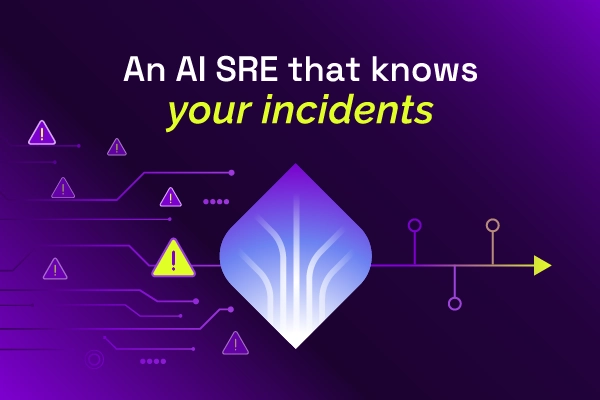
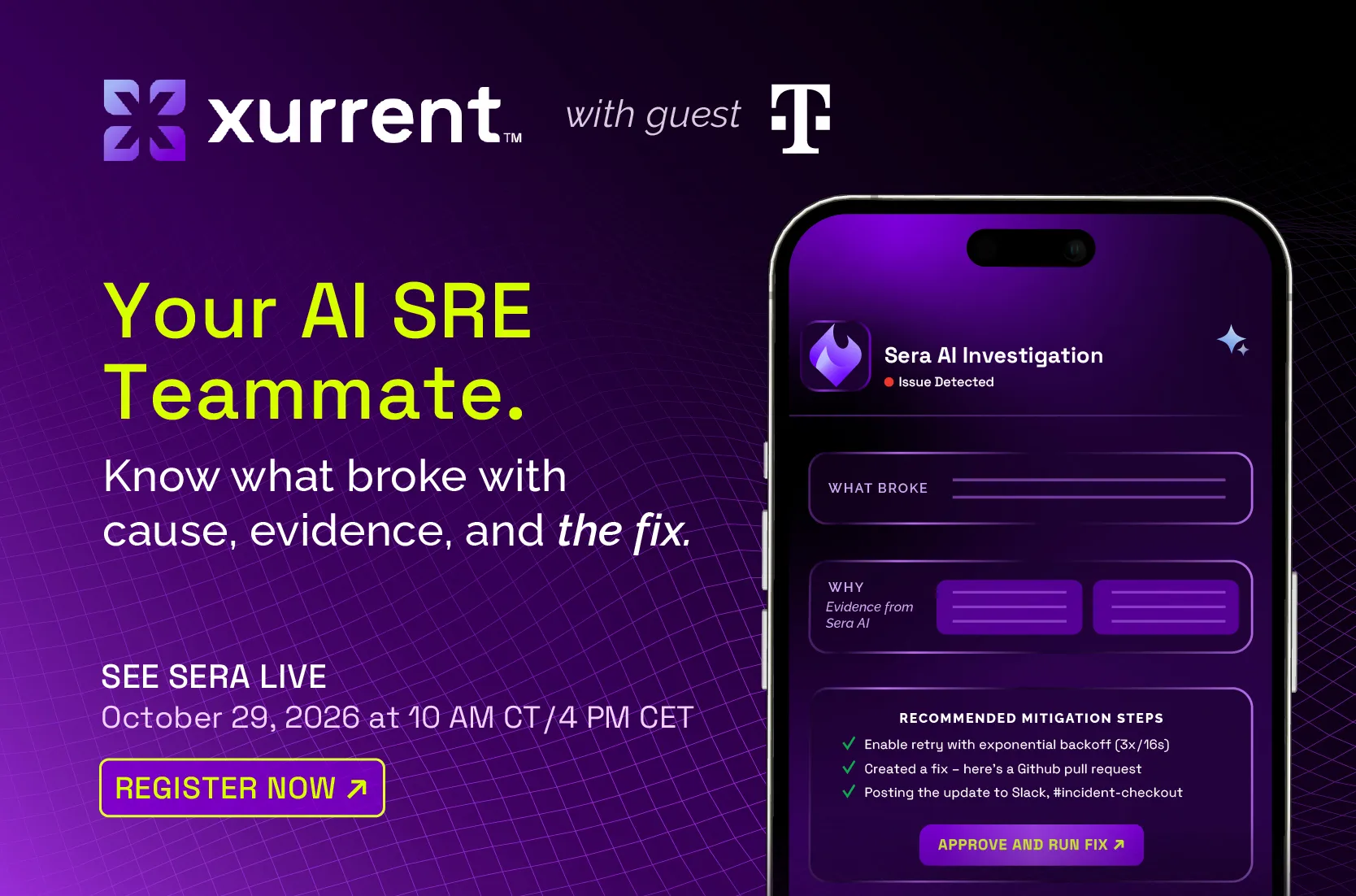
Most AI SREs are pattern matchers trained on public data. They know what a memory leak looks like in the abstract. They don't know that your payments-api has a flaky liveness probe everyone ignores, that the checkout team owns the retry policy, or that the last three "database incidents" were actually cache misconfigurations. That knowledge lives in your postmortems, your Slack channels, and the heads of two senior engineers.
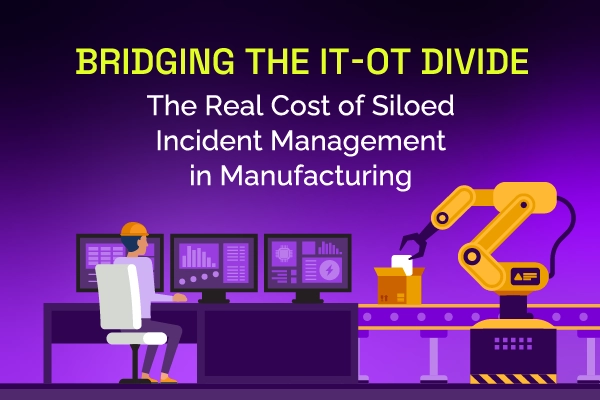
Same incident, different shift, same lost time. See why legacy ITSM keeps costing manufacturing IT teams in rework and overtime, and how modern incident and knowledge management breaks the cycle.
Most AI SREs are pattern matchers trained on public data. They know what a memory leak looks like in the abstract. They don't know that your payments-api has a flaky liveness probe everyone ignores, that the checkout team owns the retry policy, or that the last three "database incidents" were actually cache misconfigurations. That knowledge lives in your postmortems, your Slack channels, and the heads of two senior engineers.
Most vendors will tell you ITSM implementation takes six months to a year — but modern, configuration-first platforms have rewritten the math entirely. See what real implementations look like in 2026, and why a long rollout is now a choice, not a given.
.webp)