



Blog
Insights & updates from our experts


Resolve plant floor and IT issues before they disrupt production.

Stay audit-ready while resolving issues and reducing operational risk.
Resolve issues quickly with an AI-powered system that automates ticketing.
Unifiy IT, HR, Facilities, Finance, and more on a single, AI-powered service platform.
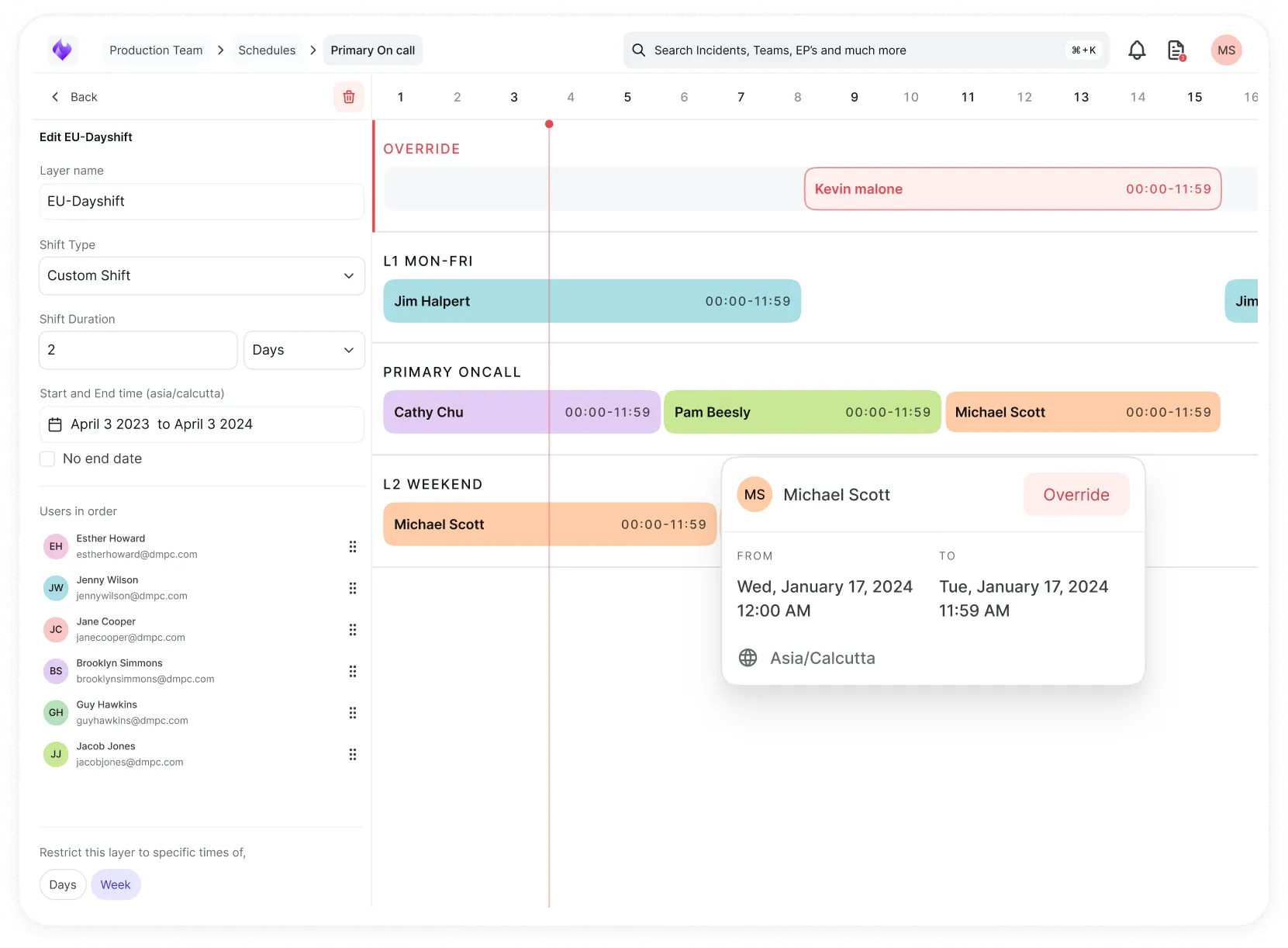
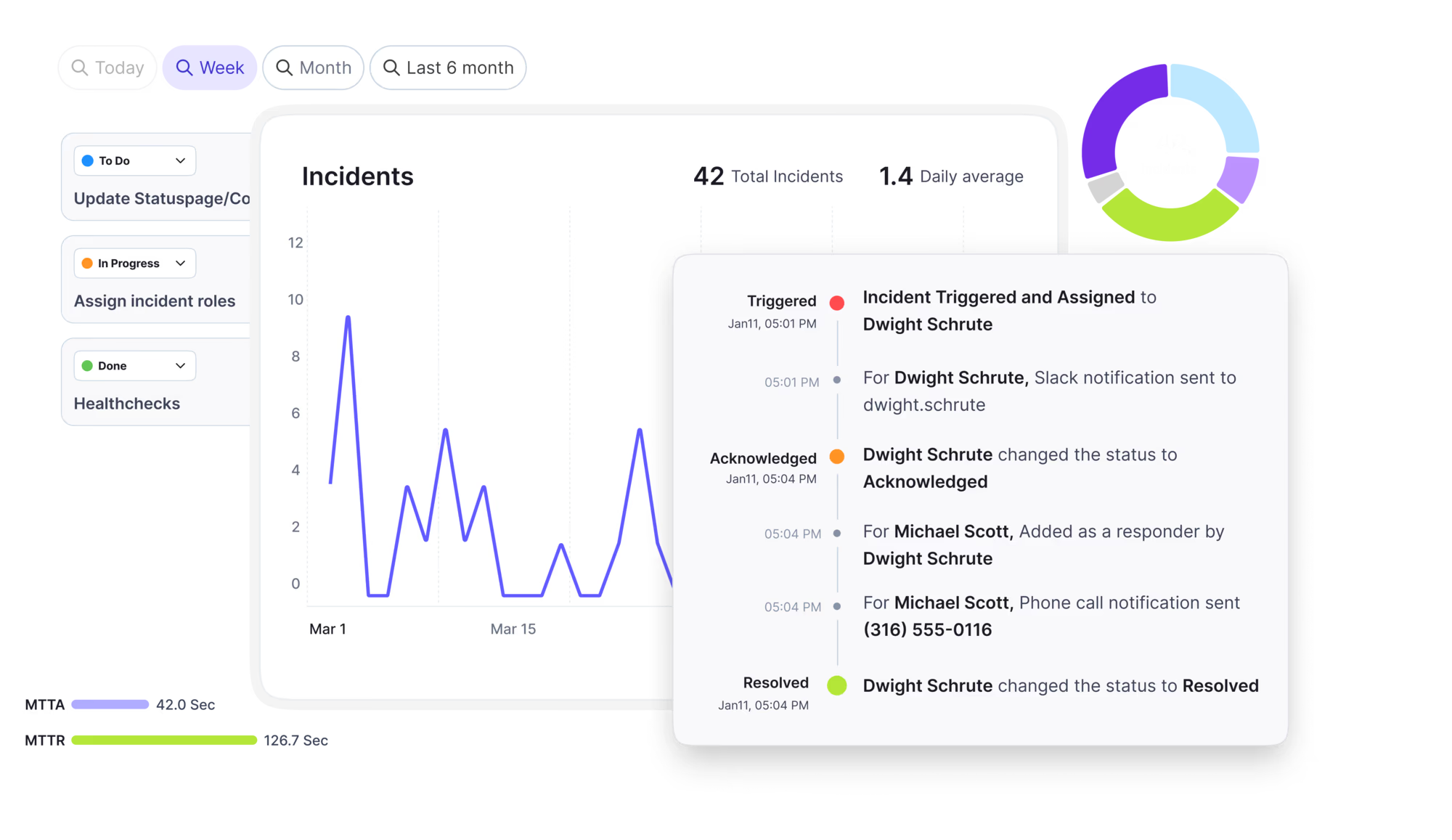
Simplify on-call scheduling, automate escalations, and reduce burnout.
Automate postmortems, AI summaries, and post-incident workflows
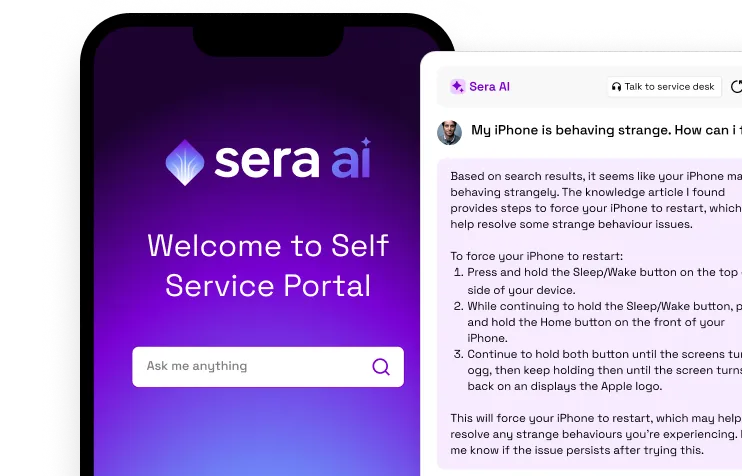
Create, organize, and continuously improve your knowledge base to find the right answers with Sera AI.
We're here to help

The integration with Atlassian Jira using the Xurrent Integration Service is

The integration with Atlassian Jira using the Xurrent Integration Service is

The integration with Atlassian Jira using the Xurrent Integration Service is

The integration with Atlassian Jira using the Xurrent Integration Service is

The integration with Atlassian Jira using the Xurrent Integration Service is

The integration with Atlassian Jira using the Xurrent Integration Service is

The integration with Atlassian Jira using the Xurrent Integration Service is

The integration with Atlassian Jira using the Xurrent Integration Service is
Resolve issues quickly with an AI-powered system that automates ticketing.
Unifiy IT, HR, Facilities, Finance, and more on a single, AI-powered service platform.
Simplify on-call scheduling, automate escalations, and reduce burnout.
Automate postmortems, AI summaries, and post-incident workflows
Create, organize, and continuously improve your knowledge base to find the right answers with Sera AI.
Resolve plant floor and IT issues before they disrupt production.
Stay audit-ready while resolving issues and reducing operational risk.

Detect, respond, and resolve incidents fast to cut downtime and MTTR.

Keep your store online, even during your biggest sales moments.

Protect patient data and resolve issues fast, so care teams stay focused on care.

Standardize service delivery across every store and channel.

We are here to help 24/7

Connect with other Xurrent Users

Get insights and tips on how to get the most out of Xurrent

Apps, APIs, and updates

Xurrent service functionality

Eliminate manual tasks, optimize workflows, and deliver faster resolutions.
Learn how organizations have reduced downtime, improved 50% MTTA & MTTR, and cut costs with Xurrent IMR.
Discover Xurrent IMR's quick support, bidirectional integrations with Jira and Slack, and more cohesive incident response capabilities compared to Opsgenie.
Understand why users value Xurrent IMR for its intuitive interface, efficient incident alerting, customizable On-call schedules, and escalations.
Originally published Jan 16, 2024 | Last updated February 24, 2026
Site Reliability Engineers (SREs) and DevOps teams often deal with alert fatigue. It's like when you get too many alerts that it's hard to keep up, making it tougher to respond quickly and adding extra stress to current responsibilities.
Alert fatigue plays a significant role in employee turnover and creates internal conflicts within organizations, making it a critical challenge for modern IT operations.
In this blog post, we will understand what alert fatigue is and explore 10 effective strategies recommended by Site Reliability Engineers (SREs) and DevOps professionals to effectively manage and mitigate alert fatigue.
Alert fatigue is the mental and emotional exhaustion induced by a constant torrent of irrelevant or insignificant alerts.
This state leads to:
Delayed response times: Critical issues get lost in the noise, leading to extended downtime and potential damage.
Burnout: Constant stress takes a toll on a team's well-being and motivation.
Suboptimal decision-making: Fatigue fuels impulsive actions and hasty fixes that can worsen the problem.
The cost of alert fatigue is real, impacting service availability, customer satisfaction, and overall operational efficiency.
SOC team members spend a significant portion of their workday investigating incidents that turn out to be false threats.
Gradual indifference to alerts, treating them as routine occurrences rather than urgent issues.
Procrastinating or overlooking timely reactions to alerts, resulting in extended resolution times.
Difficulty in making clear and informed decisions due to the constant influx of alerts and notifications.
Choosing quick solutions without looking into things thoroughly could make the main problems even worse.
More stress due to constant alerts affects the overall well-being of the technical team.
Alert fatigue costs more than productivity. Organizations experiencing high alert volumes face significant challenges:
Higher employee turnover in technical roles due to burnout and stress from constant alert management.
Extended MTTR with longer resolution times when teams are overwhelmed by alert volume and struggling to prioritize effectively.
Wasted investigative time as teams spend valuable hours chasing false positives instead of focusing on genuine incidents.
Critical alerts going uninvestigated, creating dangerous blind spots where real incidents can escalate undetected.
The hidden cost isn't just operational—it's strategic. When engineering teams spend time fighting noise instead of building reliability, innovation slows and technical debt accumulates.
To silence the noise, we need to identify its origin.
Here are a few reasons that contribute to alert overload:
Challenge: The over-sensitivity in setting thresholds results in an overflow of alerts triggered by minor deviations.
Impact: Genuine emergencies often get overshadowed amid the flood of insignificant notifications, creating challenges in prioritizing and responding to critical issues.
Challenge: Treating all alerts uniformly leads to confusion, making it difficult to recognize and address critical issues promptly.
Impact: The result is a noisy environment where essential signals struggle to stand out amidst the chaos, hampering effective incident prioritization.
Challenge: Repetitive manual tasks drain resources away from strategic problem-solving initiatives.
Impact: Valuable attention and time are wasted on routine actions, diverting focus from addressing core issues and impeding overall operational efficiency.
Challenge: Lack of collaborative information sharing hinders a comprehensive analysis of incidents.
Impact: Proactive solutions face obstacles, and potential issues persist unnoticed due to the absence of collective insights, hampering the overall effectiveness of incident management.
Now that we know what causes alert overload, let's explore the strategies to reduce alert fatigue.
One prevalent strategy mentioned by experienced practitioners is the prioritization of critical alerts.
Focusing on alerts that directly impact system stability allows teams to streamline their efforts and respond promptly to the most crucial issues.
Implement clear severity levels (Critical, High, Medium, Low) with specific response channels and timeframes for each tier.
Severity: Does the alert signify a critical service outage or a minor configuration drift?
Impact: How many users are affected? Is there potential for data loss or financial repercussions?
Time sensitivity: Does the issue require immediate action or can it wait for a scheduled maintenance window?
Strike the right balance between sensitivity and specificity. When you adjust thresholds using historical data and realistic performance expectations, you're not just reducing false positives; you're also boosting the accuracy of alerts.
Grouping related alerts and eliminating duplicates ensures that teams receive only vital information. This practice minimizes noise, averts unnecessary distractions, and promotes a more focused and efficient response.
Consistently incorporating automation is a prominent strategy for combating alert fatigue. Integrating automated solutions for routine problems or deploying smart systems to classify and prioritize alerts can ease the manual workload on teams.
Create pre-configured actions for common issues, eliminating the need for manual intervention. These playbooks define a set of automated steps to swiftly address and resolve known problems.
Implement mechanisms that autonomously recover from minor failures or configuration errors. This ensures the system can automatically detect and correct issues without requiring manual intervention, promoting continuous operation.
Intelligent alerting systems utilizing machine learning and anomaly detection make a substantial contribution to reducing alert fatigue.
Distinguishing between normal fluctuations and critical issues, these systems enable teams to focus on genuine threats, avoiding overwhelm by false alarms.
Consider these tips:
Time-based filtering: Ignore alerts during off-hours unless they meet specific severity criteria.
Resource-based filtering: Filter out alerts from known noisy or unstable systems.
Content-based filtering: Use keywords or patterns to identify and silence irrelevant alerts.
The right tools can be your most potent allies. Utilize advanced monitoring and alerting platforms that offer intuitive dashboards, customizable notifications, and rich data analysis capabilities.
Consider these tools:
Balance on-call rotations to prevent burnout. Implement fair scheduling with adequate recovery time between shifts, and create escalation policies that protect team members from constant interruptions.
Key practices:
Track alert effectiveness with key metrics to ensure continuous improvement:
Essential KPIs:
Review these metrics quarterly and adjust thresholds, processes, and tooling based on performance data.
Reducing alert fatigue requires both technical precision and organizational commitment. The strategies above work best when implemented as an integrated approach—combining smart thresholds with team practices, automation with human judgment.
Start with these three foundational steps:
If you're looking to upgrade your incident management process, Xurrent IMR unifies alert correlation, intelligent routing, and post-incident analysis in one platform. Our AI-powered approach reduces alert noise while accelerating MTTR through automated workflows and contextual guidance.
Ready to break the alert fatigue cycle? See how Xurrent IMR transforms alert chaos into operational excellence—book a demo or start your free trial today.
Alert fatigue refers to the mental and emotional exhaustion caused by a continuous flow of irrelevant or insignificant alerts.
Businesses bear the cost not only in monetary terms but also in terms of diminished productivity, lower morale, and the potential harm to reputation and customer trust.
Fine-tune alerting systems, prioritize critical alerts, implement automation, share knowledge, and utilize incident management tools.
Establish clear escalation policies, take breaks, maintain a healthy work-life balance and seek support from colleagues to prevent burnout.
Yes, it often signals underlying issues like poorly configured systems, inefficient processes, or gaps in training.
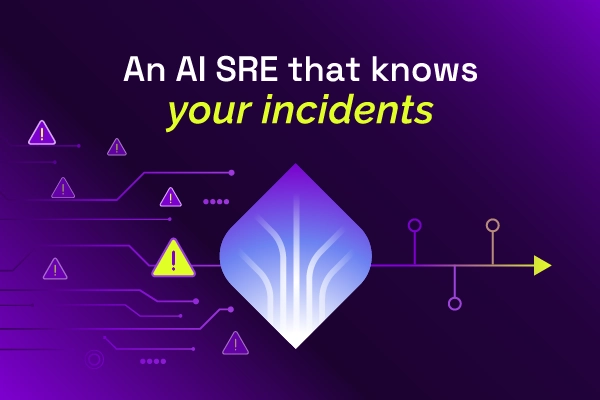
Most AI SREs are pattern matchers trained on public data. They know what a memory leak looks like in the abstract. They don't know that your payments-api has a flaky liveness probe everyone ignores, that the checkout team owns the retry policy, or that the last three "database incidents" were actually cache misconfigurations. That knowledge lives in your postmortems, your Slack channels, and the heads of two senior engineers.
Most vendors will tell you ITSM implementation takes six months to a year — but modern, configuration-first platforms have rewritten the math entirely. See what real implementations look like in 2026, and why a long rollout is now a choice, not a given.
.webp)
.webp)