





Blog
Insights & updates from our experts


Resolve plant floor and IT issues before they disrupt production.

Stay audit-ready while resolving issues and reducing operational risk.
Resolve issues quickly with an AI-powered system that automates ticketing.
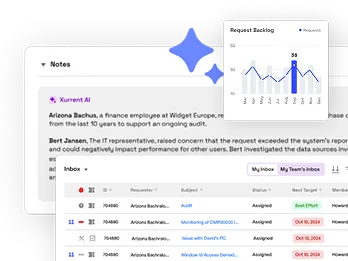
Unifiy IT, HR, Facilities, Finance, and more on a single, AI-powered service platform.
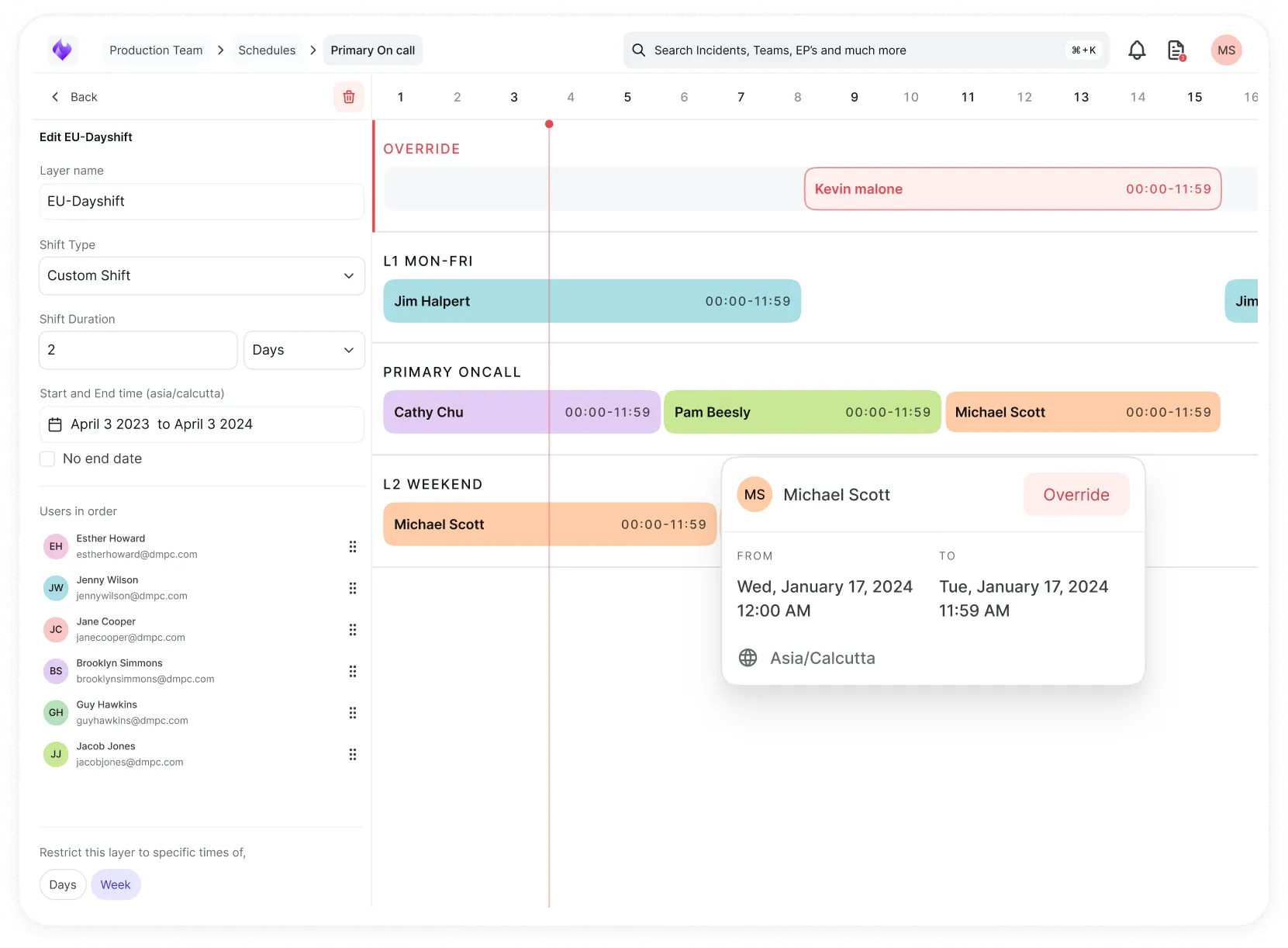
Simplify on-call scheduling, automate escalations, and reduce burnout.
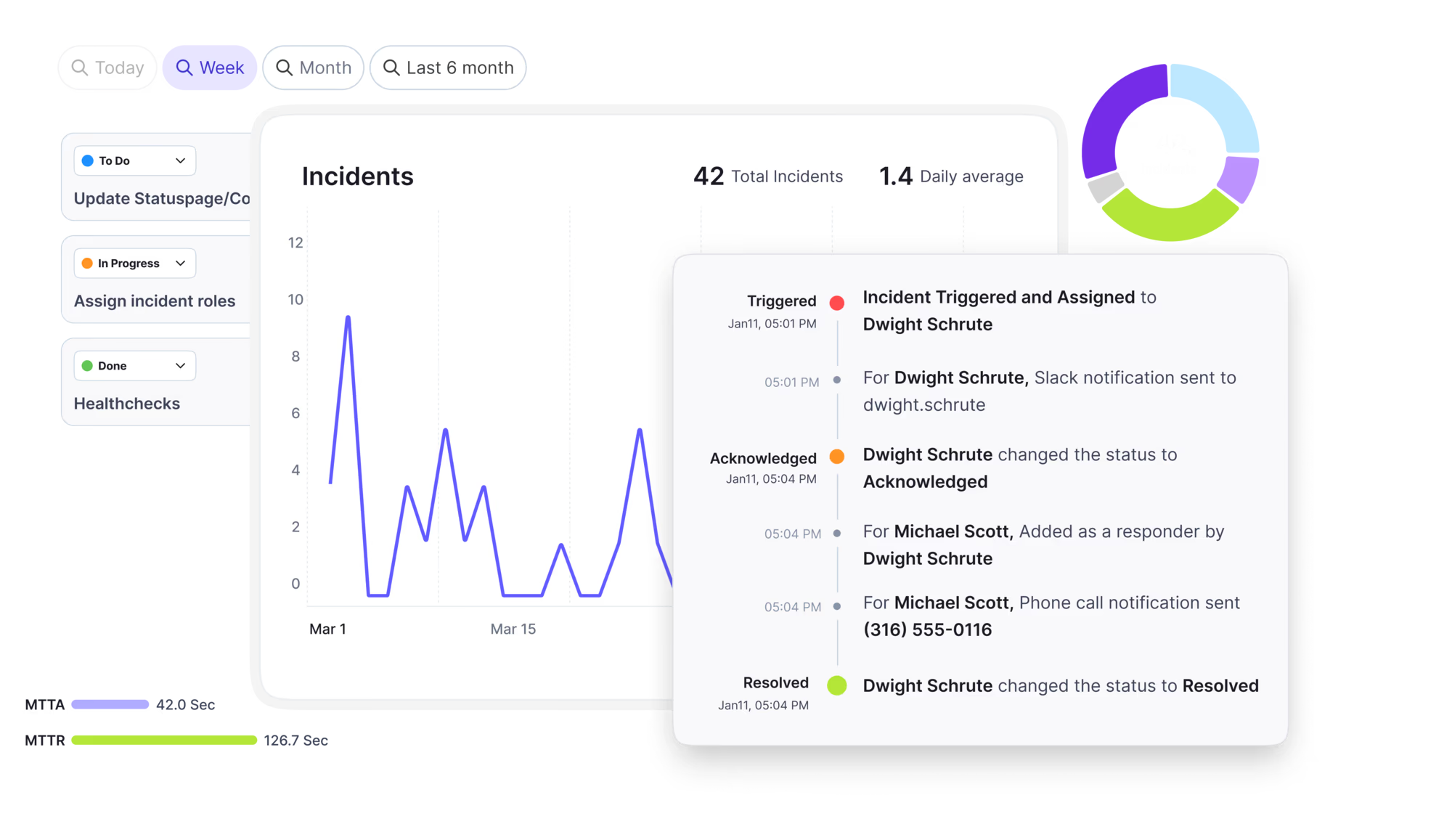
Automate postmortems, AI summaries, and post-incident workflows
Create, organize, and continuously improve your knowledge base to find the right answers with Sera AI.
We're here to help

The integration with Atlassian Jira using the Xurrent Integration Service is

The integration with Atlassian Jira using the Xurrent Integration Service is

The integration with Atlassian Jira using the Xurrent Integration Service is

The integration with Atlassian Jira using the Xurrent Integration Service is

The integration with Atlassian Jira using the Xurrent Integration Service is

The integration with Atlassian Jira using the Xurrent Integration Service is

The integration with Atlassian Jira using the Xurrent Integration Service is

The integration with Atlassian Jira using the Xurrent Integration Service is
Resolve issues quickly with an AI-powered system that automates ticketing.
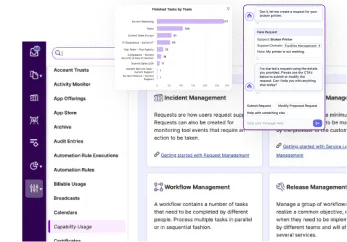
Unifiy IT, HR, Facilities, Finance, and more on a single, AI-powered service platform.
Simplify on-call scheduling, automate escalations, and reduce burnout.
Automate postmortems, AI summaries, and post-incident workflows
Create, organize, and continuously improve your knowledge base to find the right answers with Sera AI.
Resolve plant floor and IT issues before they disrupt production.
Stay audit-ready while resolving issues and reducing operational risk.

Detect, respond, and resolve incidents fast to cut downtime and MTTR.

Keep your store online, even during your biggest sales moments.

Protect patient data and resolve issues fast, so care teams stay focused on care.

Standardize service delivery across every store and channel.

We are here to help 24/7

Connect with other Xurrent Users

Get insights and tips on how to get the most out of Xurrent

Apps, APIs, and updates

Xurrent service functionality

Eliminate manual tasks, optimize workflows, and deliver faster resolutions.
Learn how organizations have reduced downtime, improved 50% MTTA & MTTR, and cut costs with Xurrent IMR.
Discover Xurrent IMR's quick support, bidirectional integrations with Jira and Slack, and more cohesive incident response capabilities compared to Opsgenie.
Understand why users value Xurrent IMR for its intuitive interface, efficient incident alerting, customizable On-call schedules, and escalations.

Here's a walk-through of setting up Azure AD as your SAML Identity Provider. This allows your team to log into Xurrent IMR without a new email/password combination.
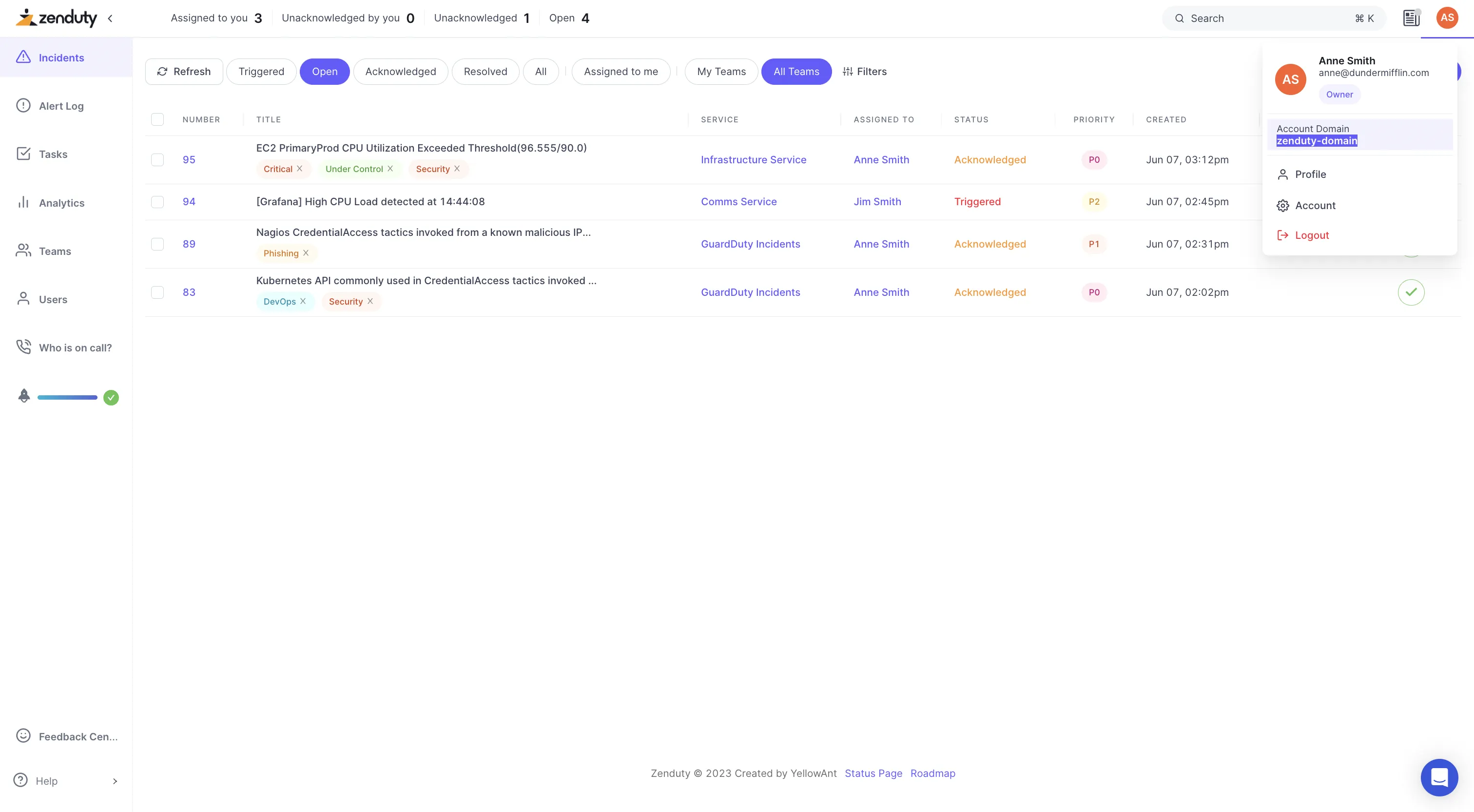
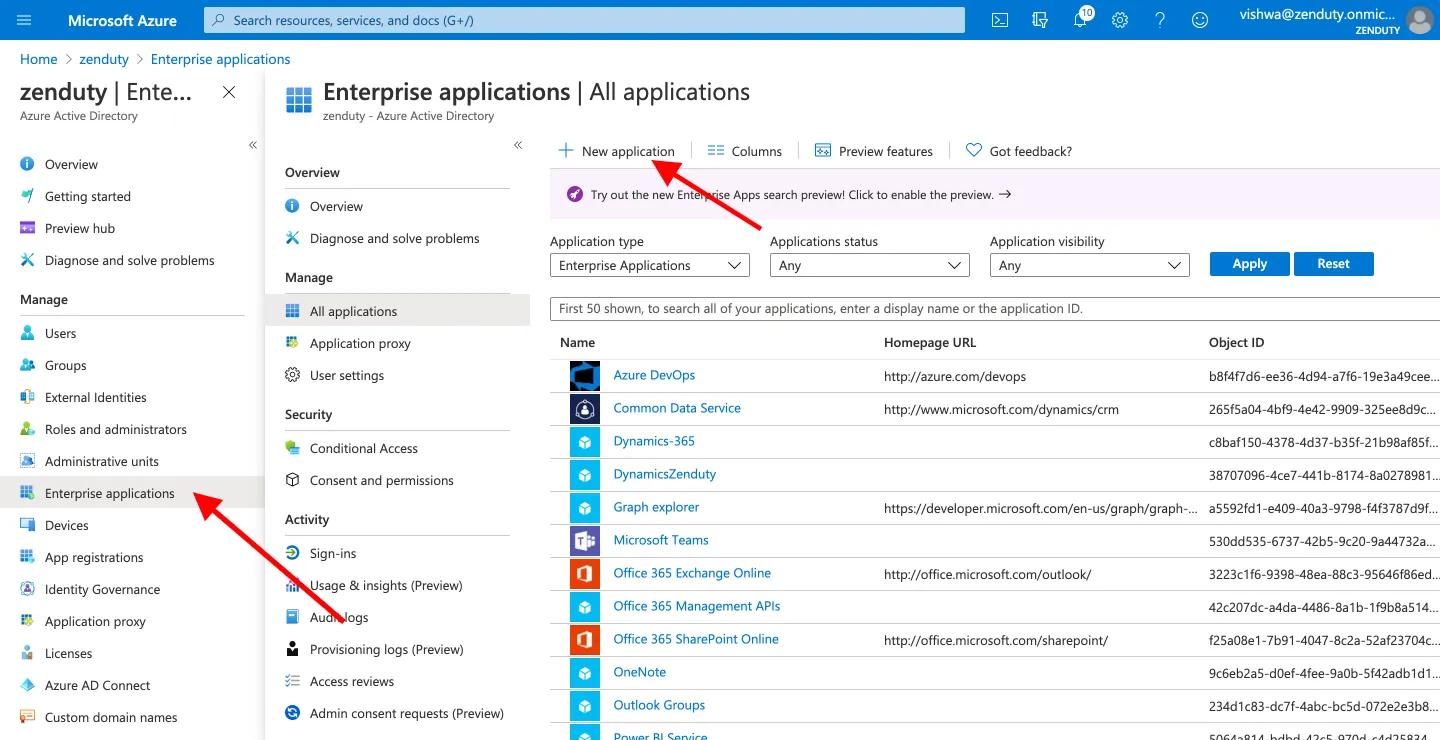
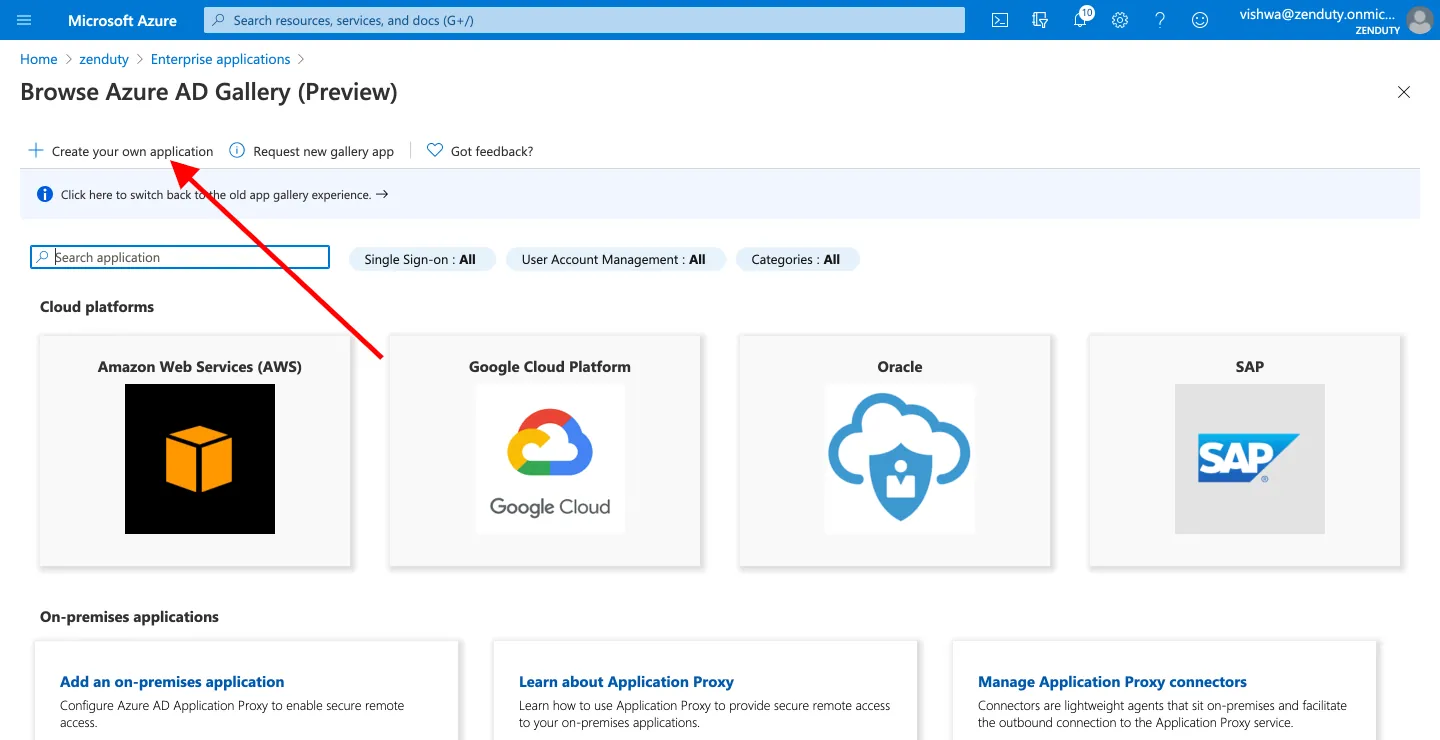
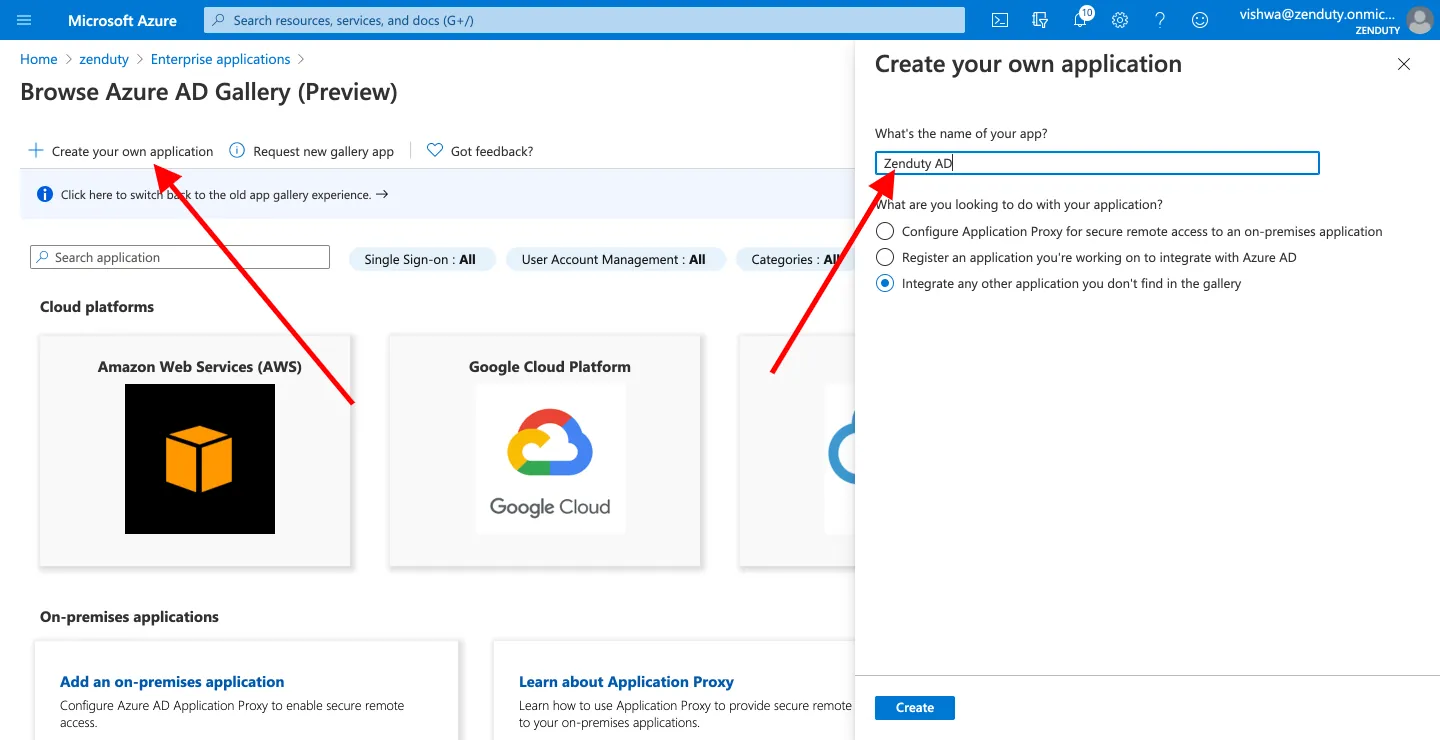
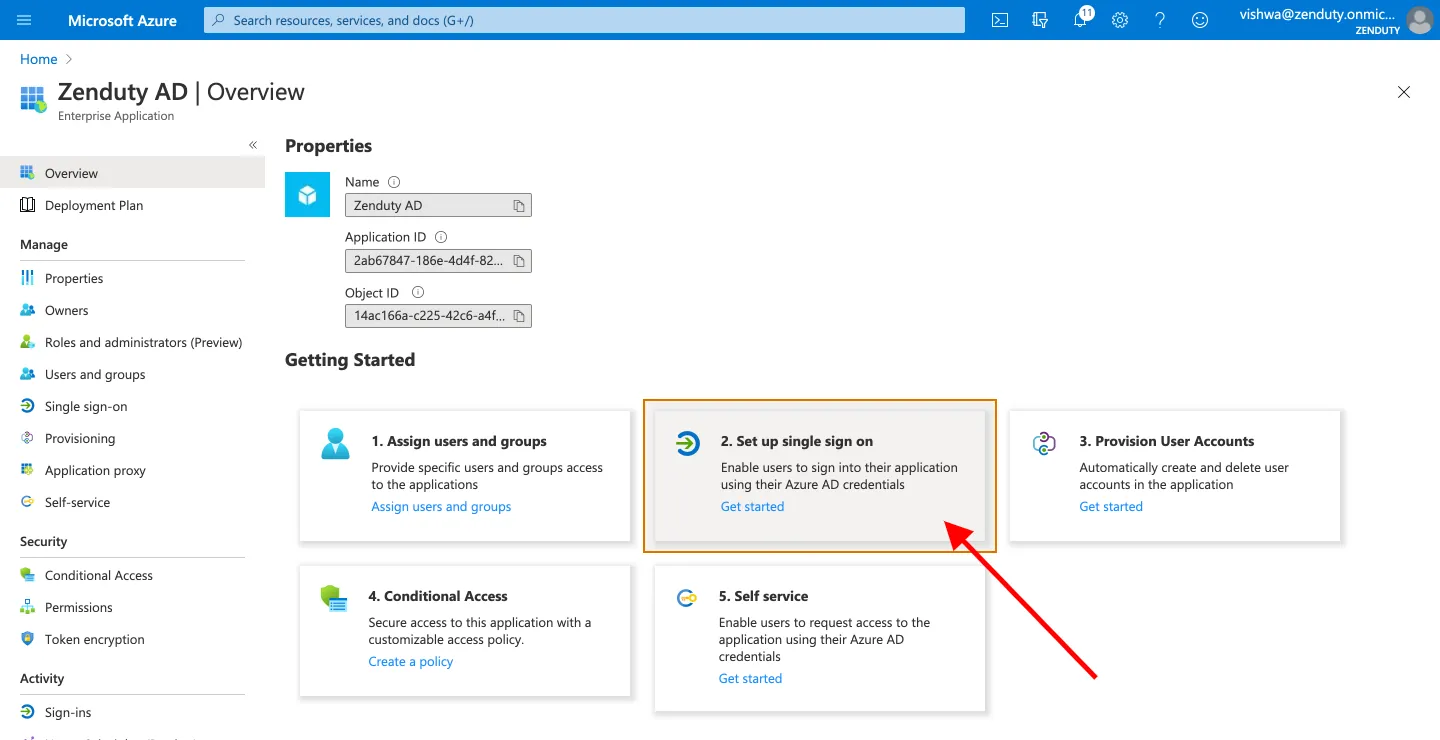
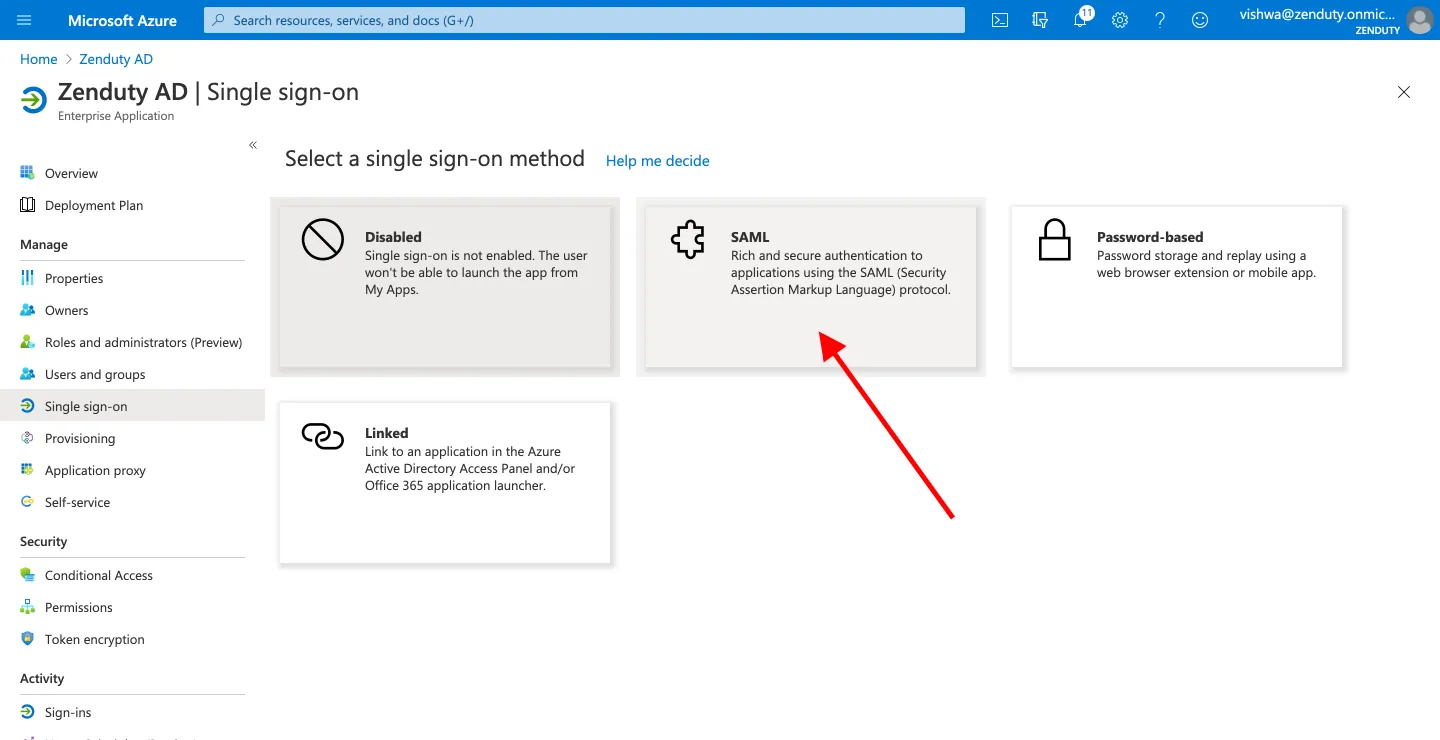
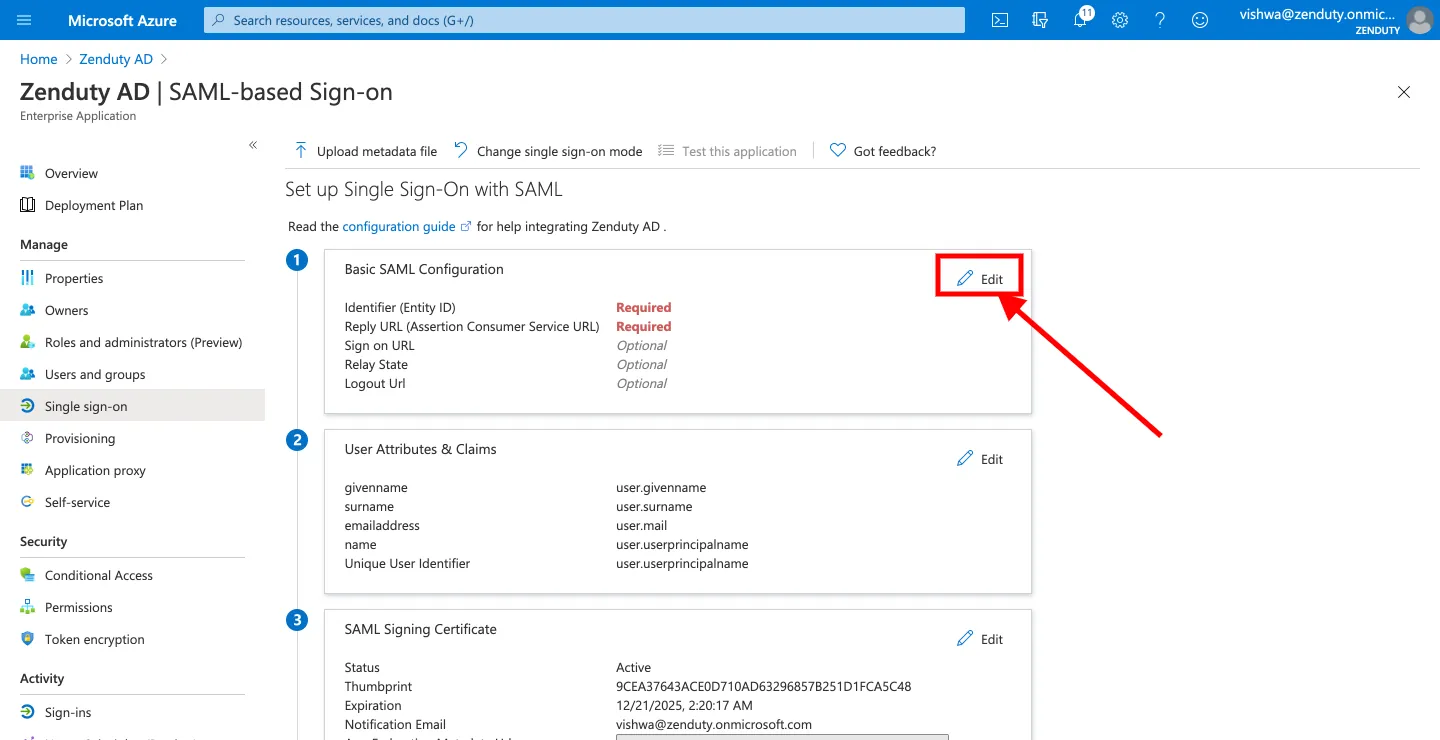
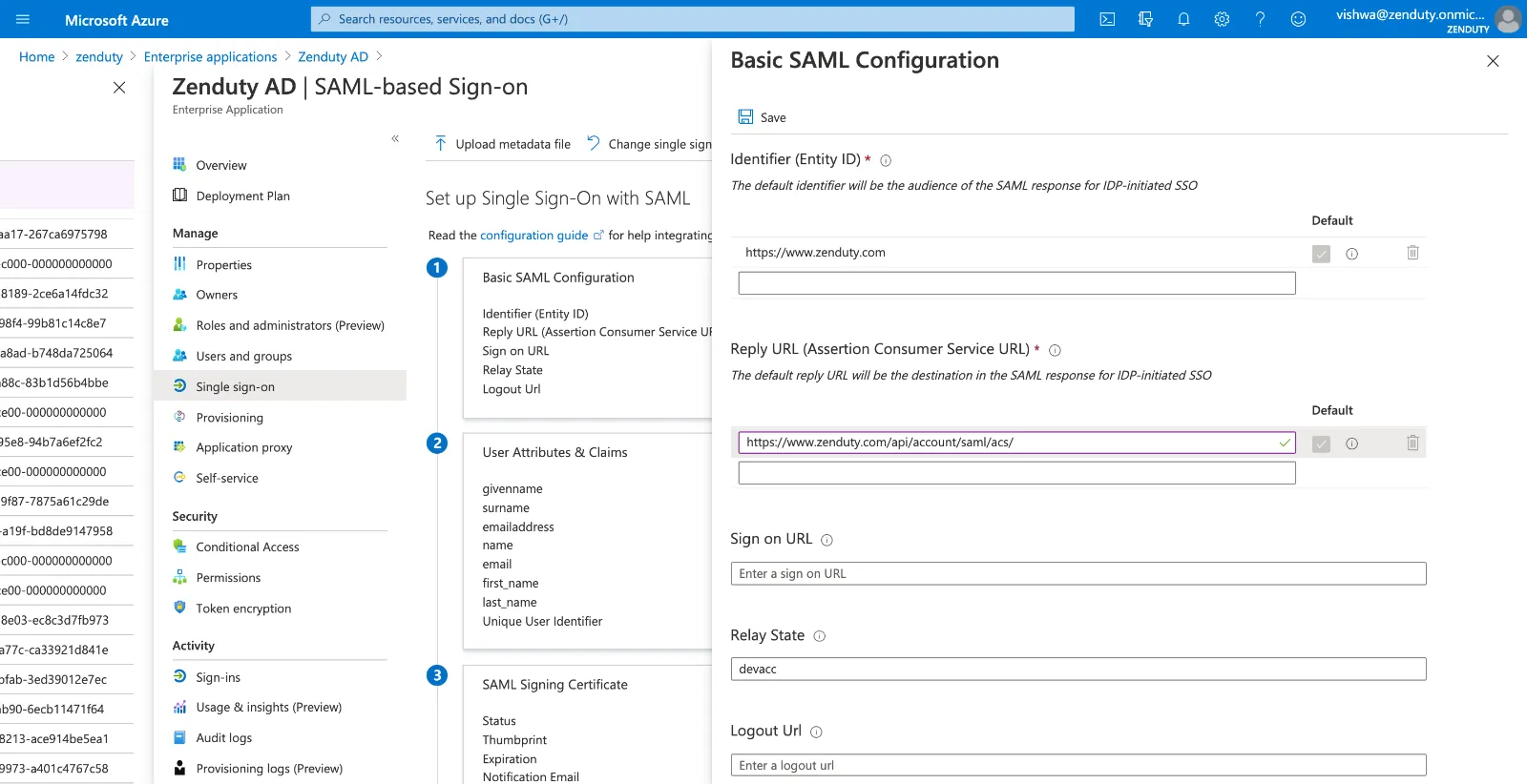
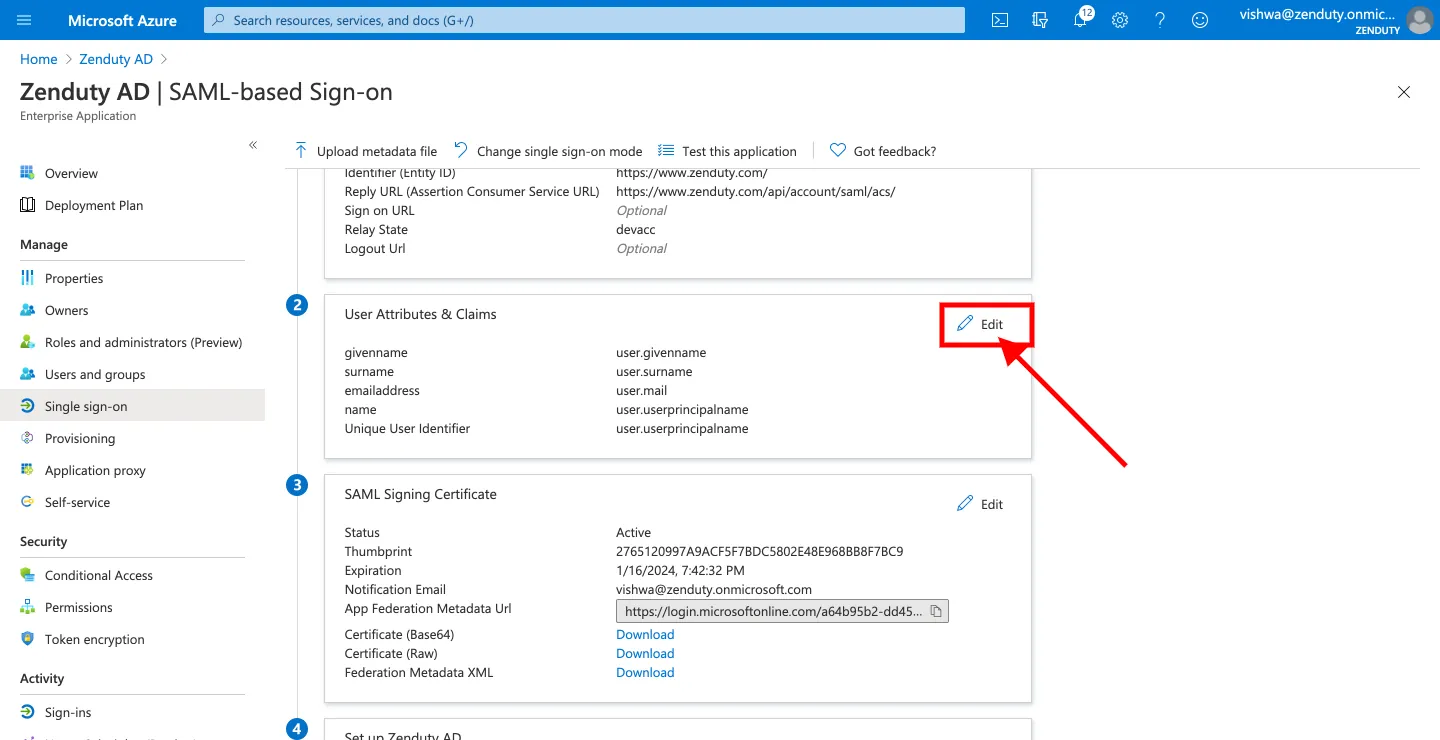
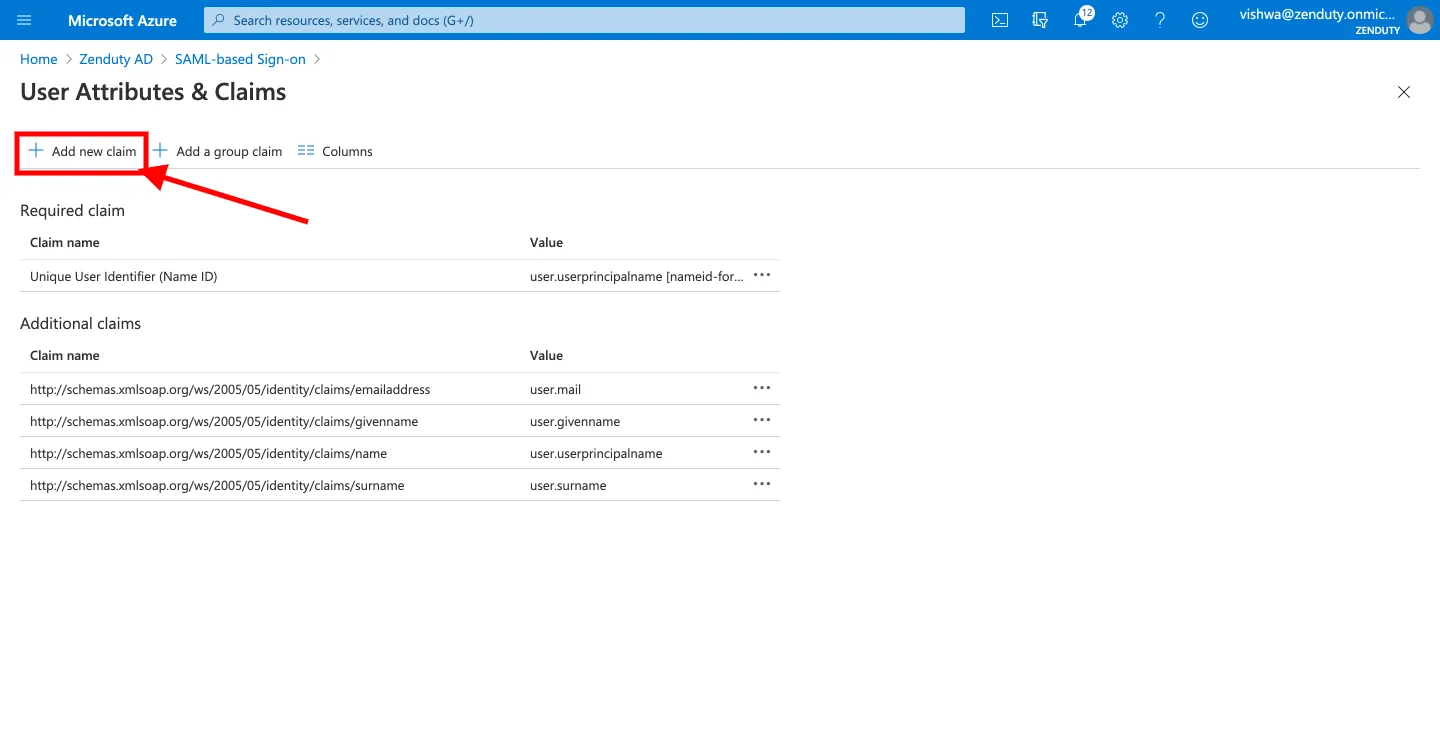
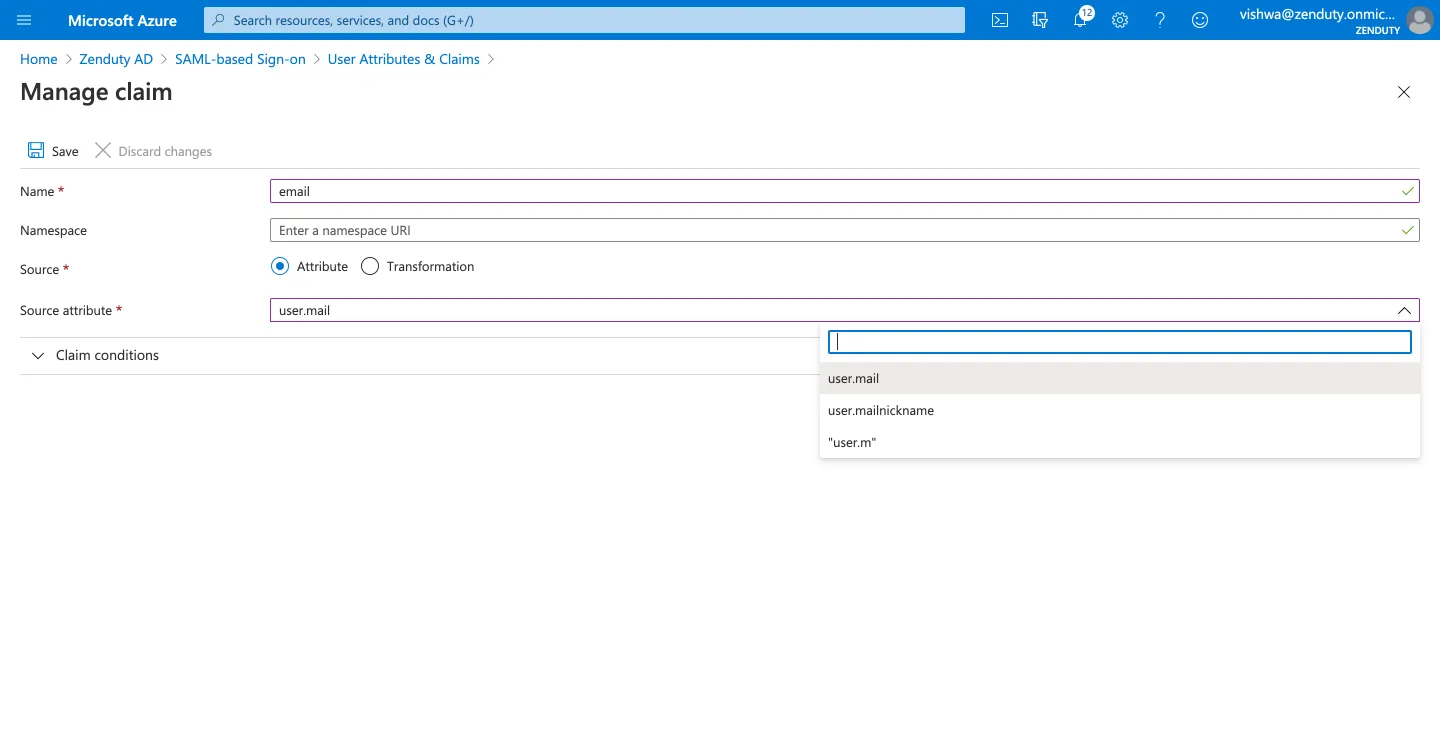
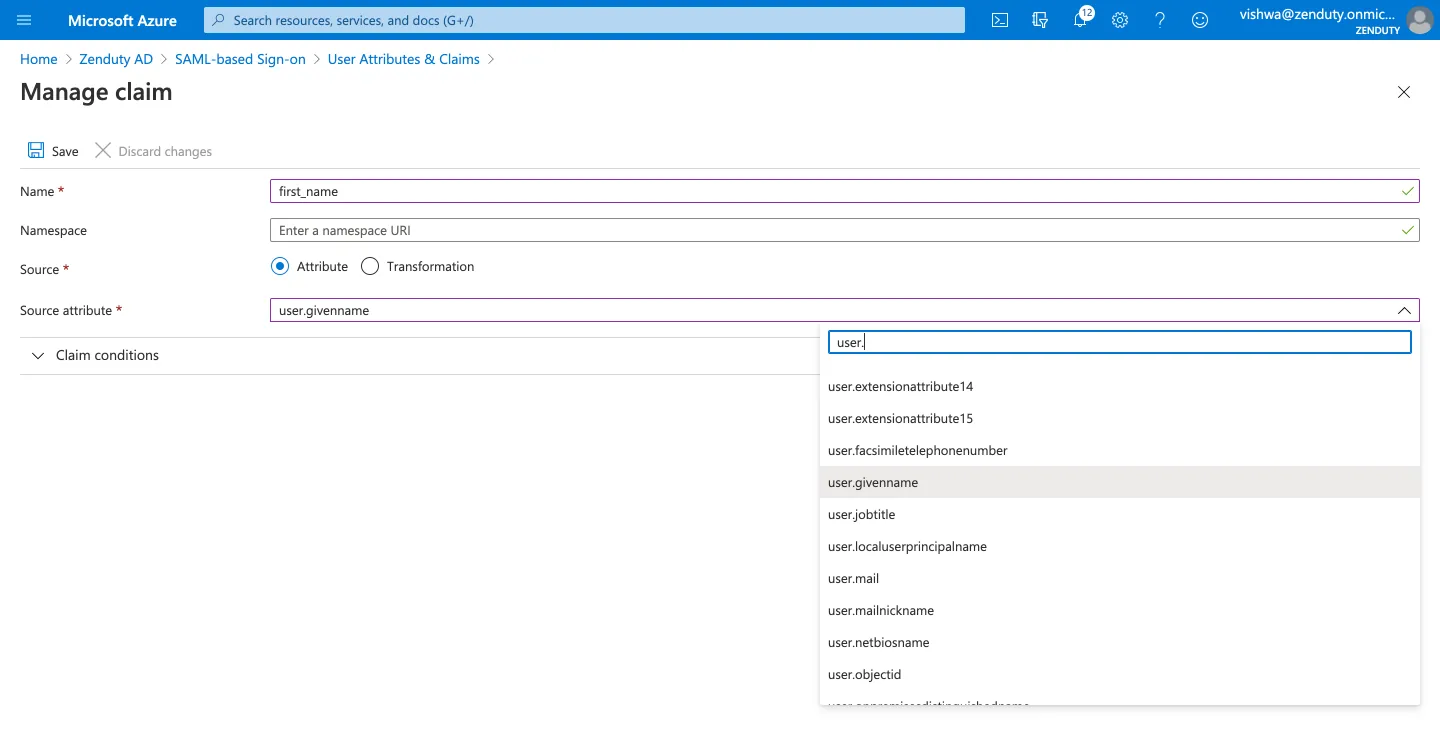
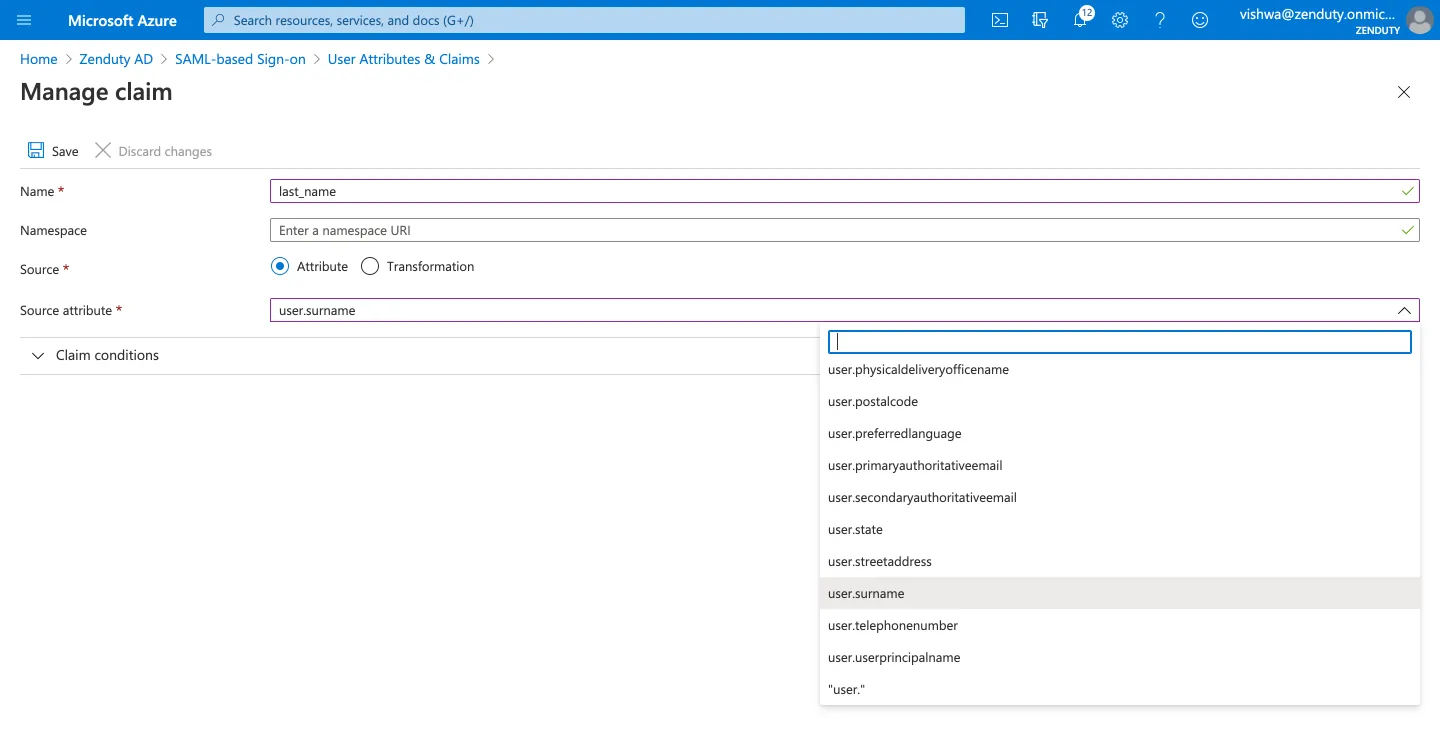
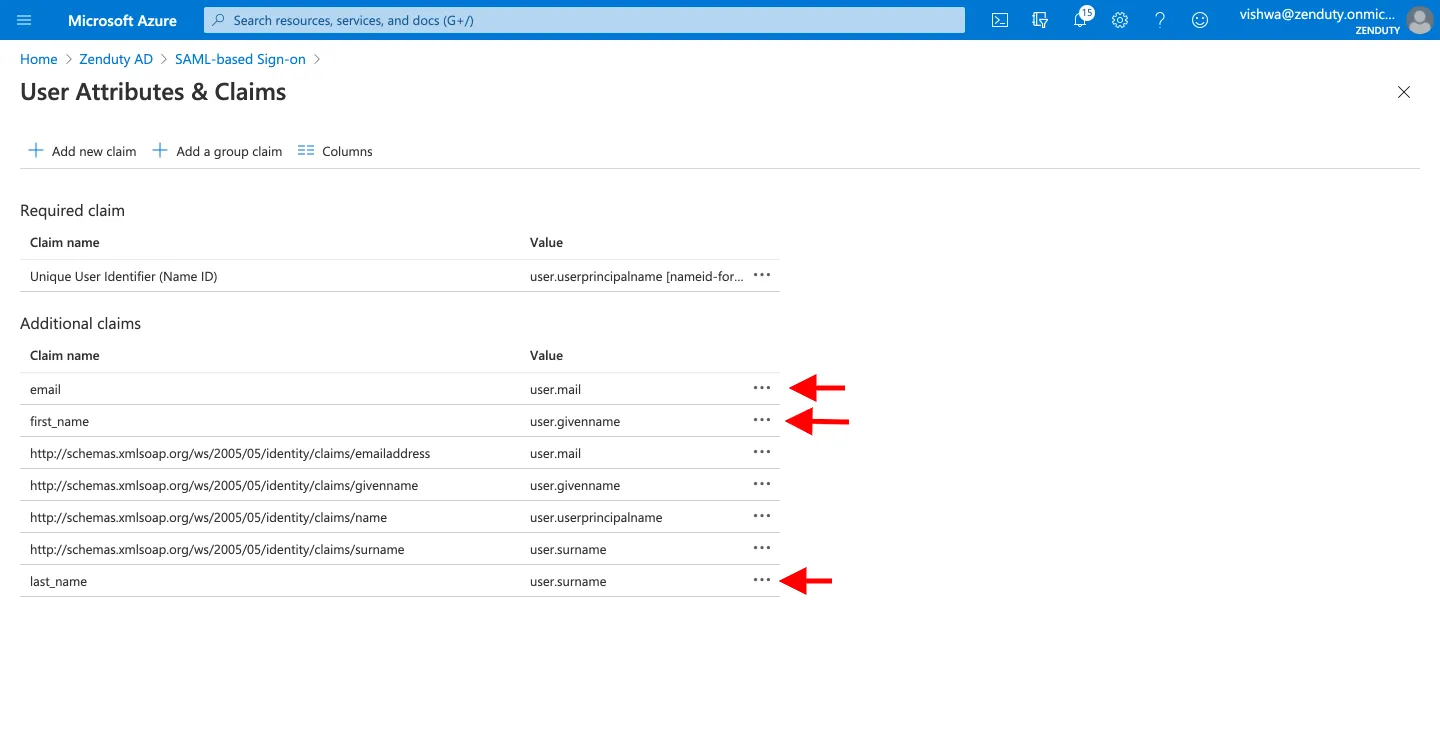
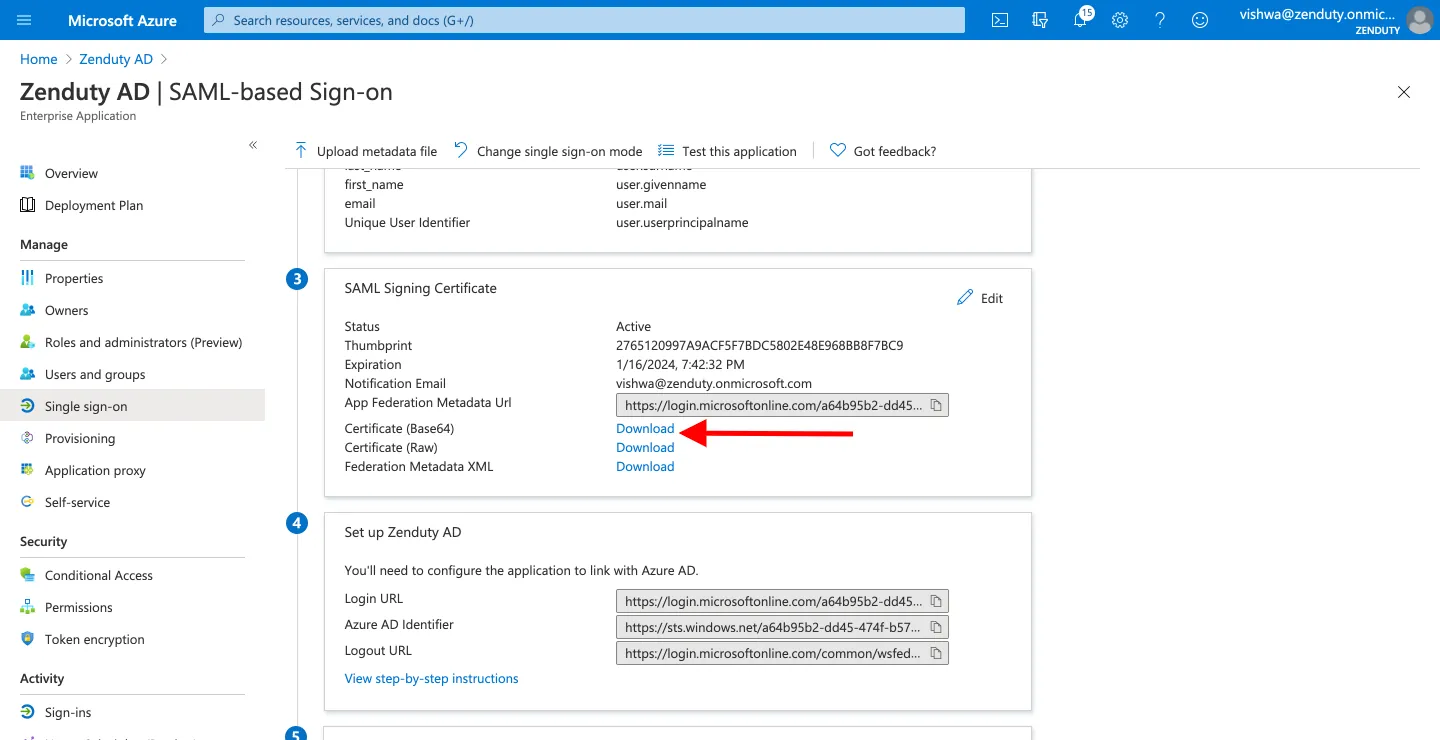
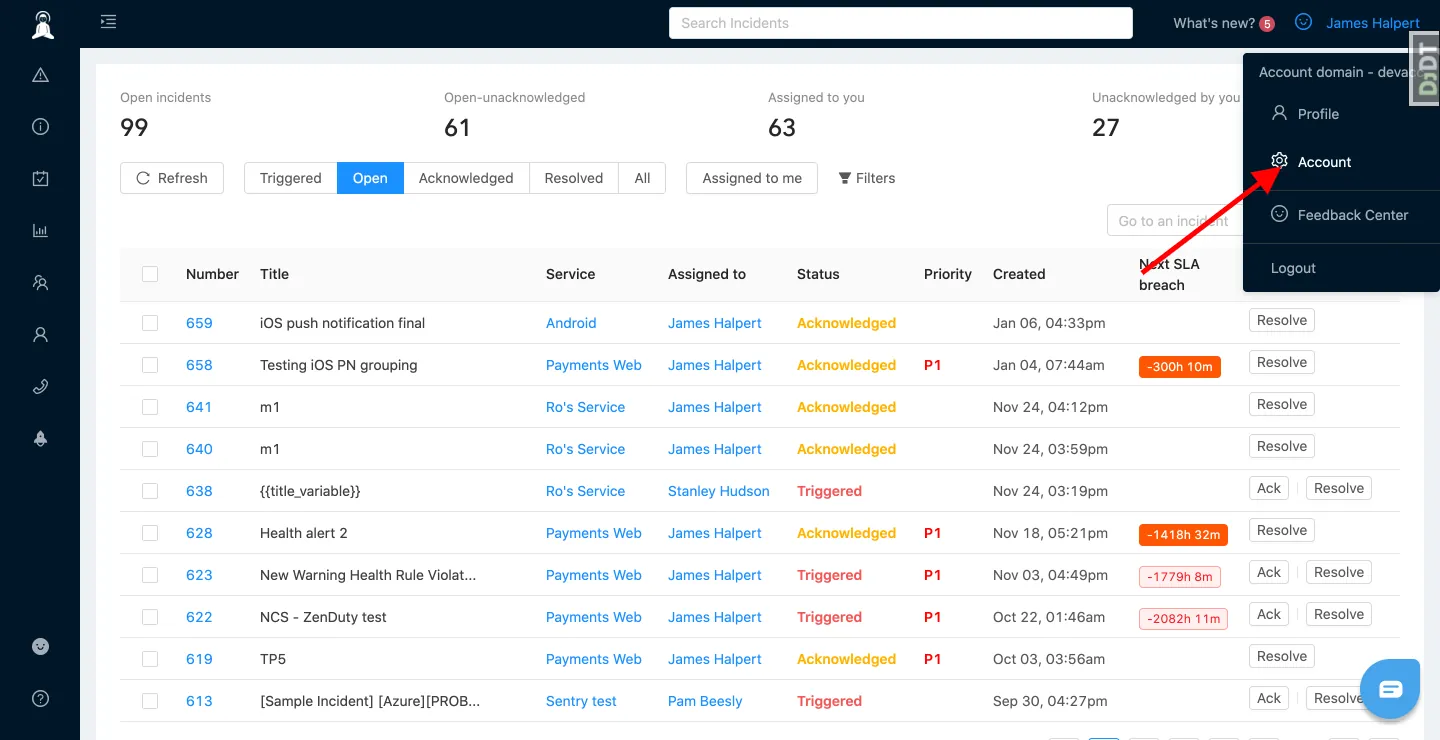
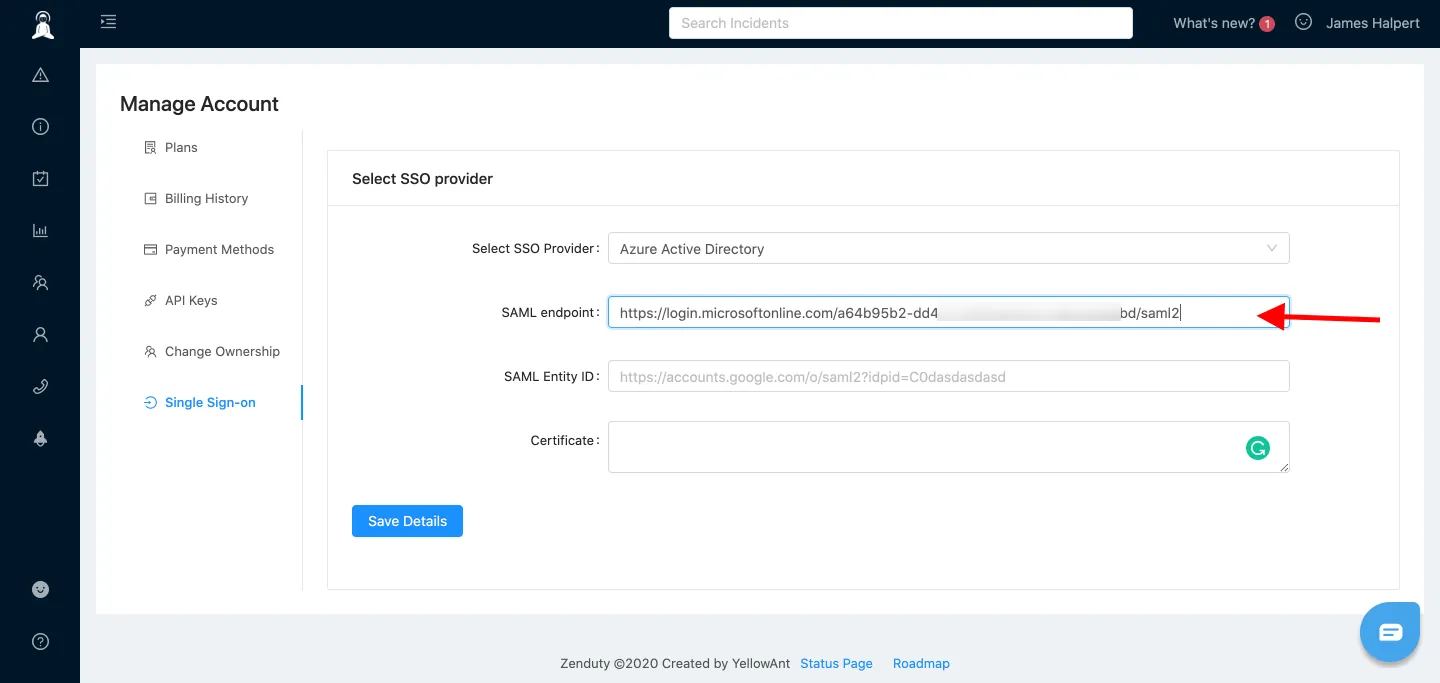
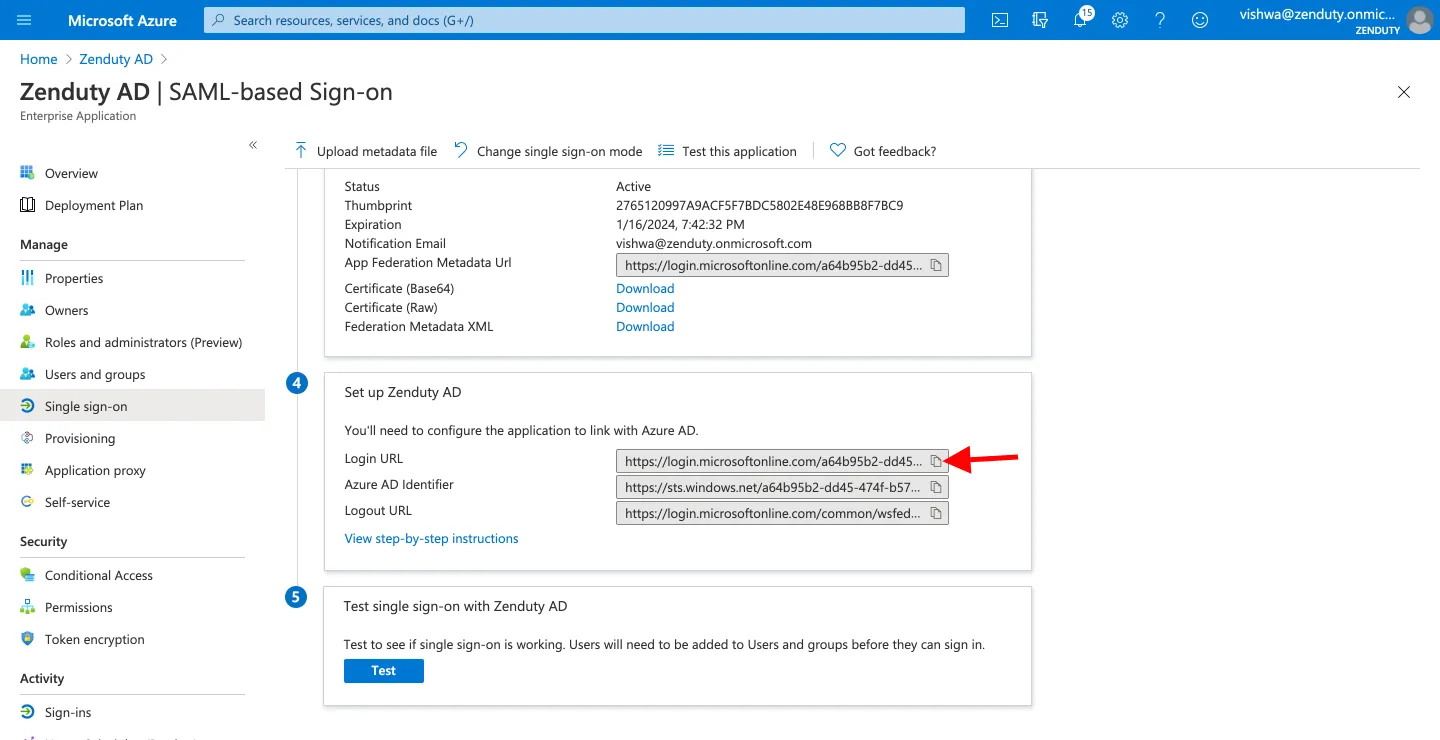
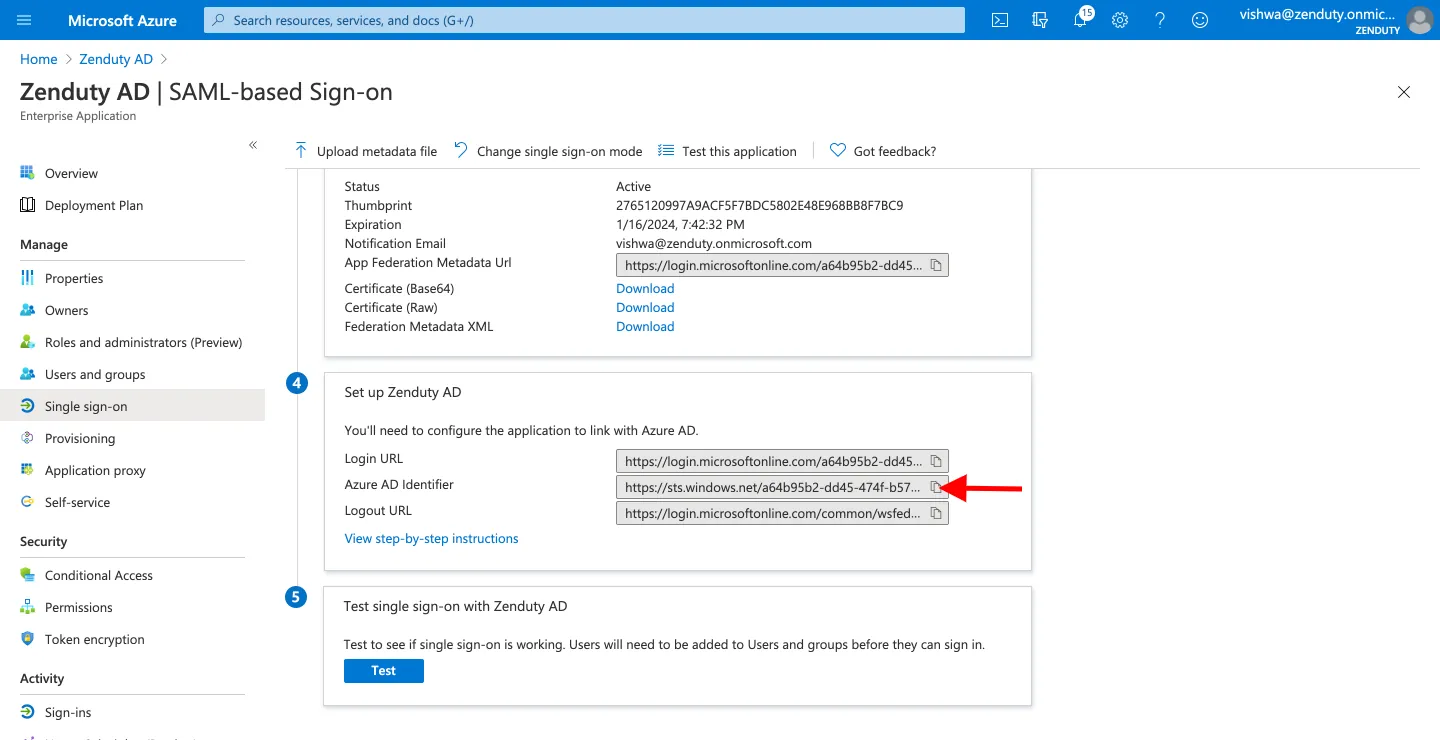
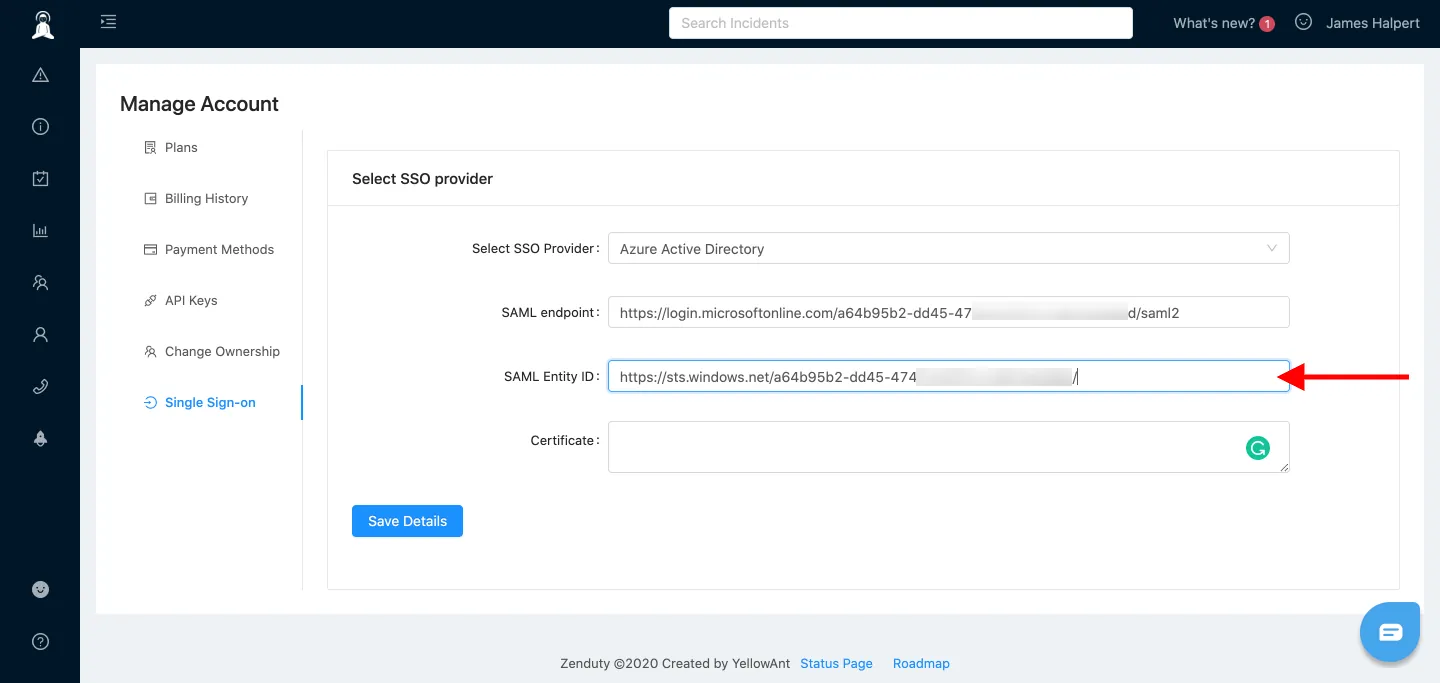
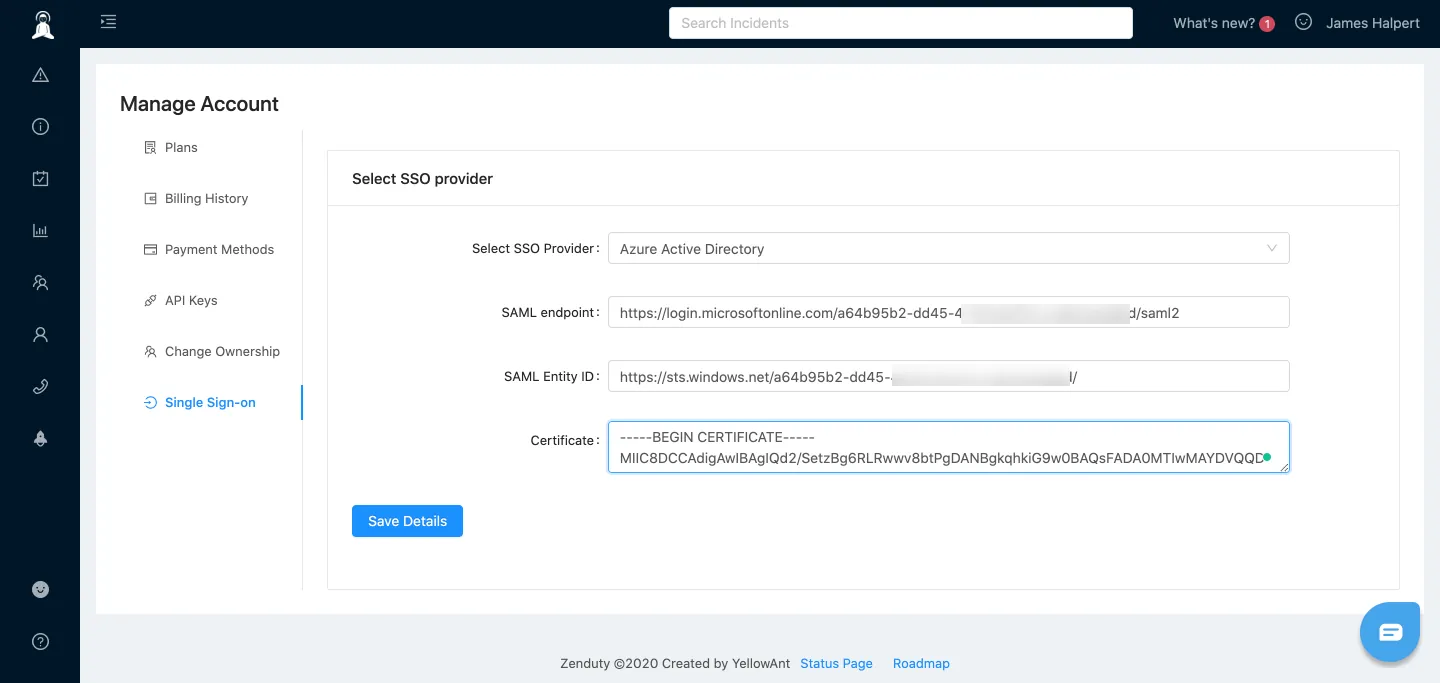
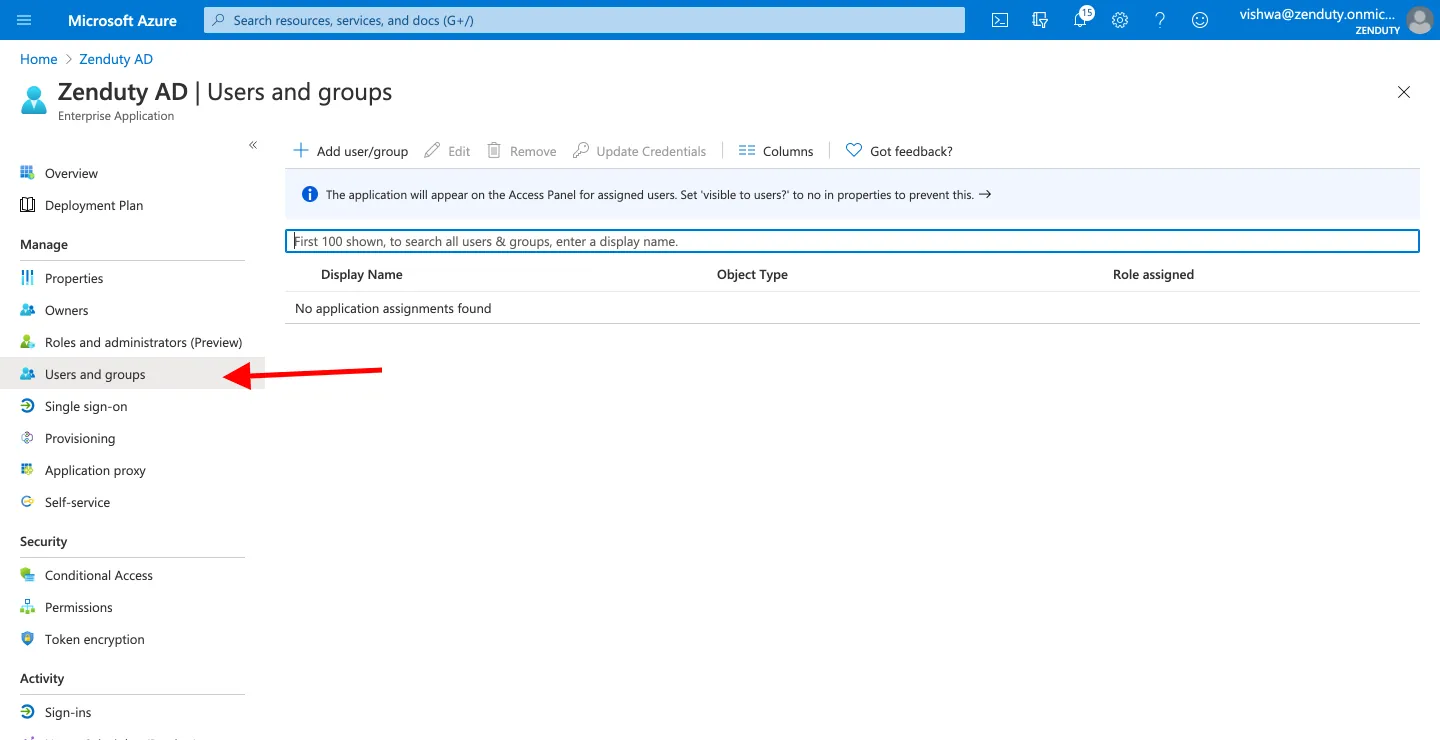
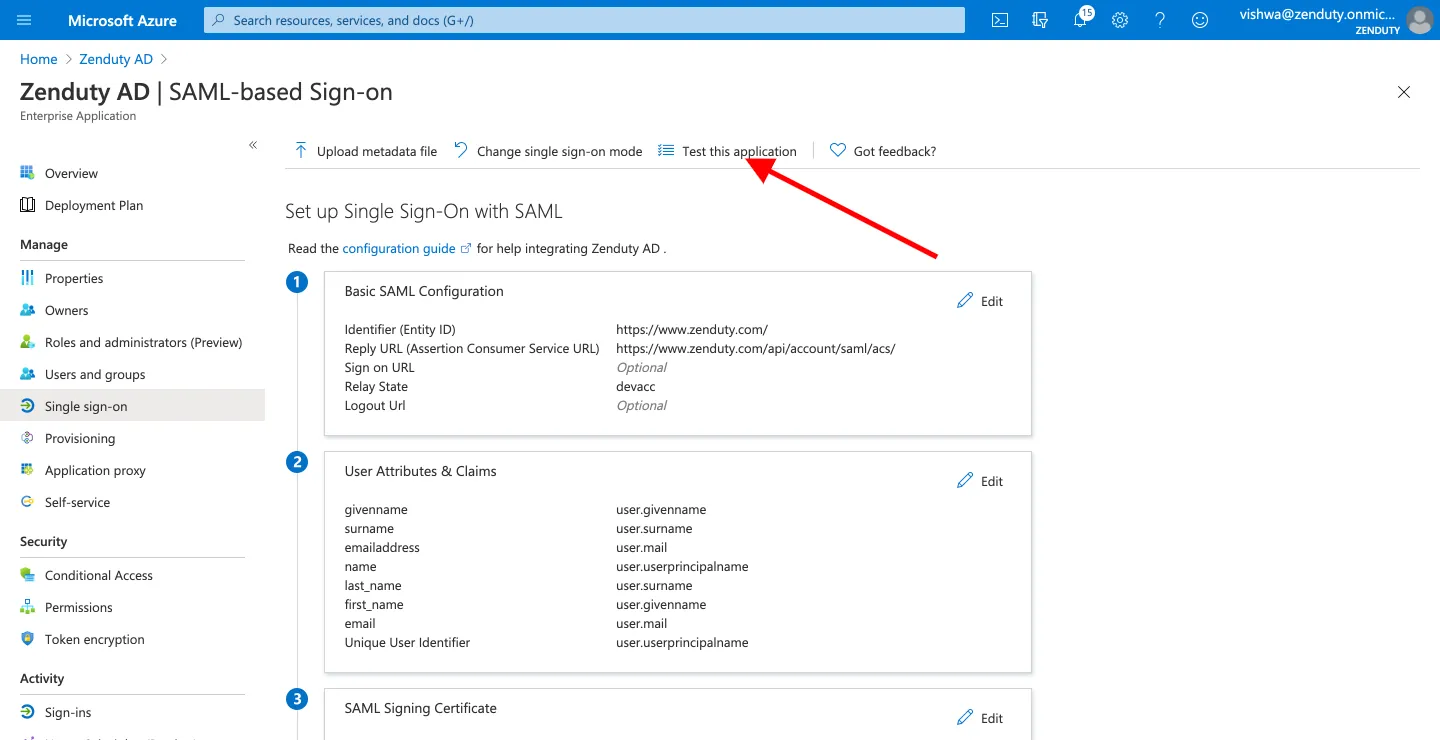
Your Azure AD integration is complete!
To disable password login for non-admin users, you can toggle the "Allow Email and Password login for users" setting in the SSO configuration


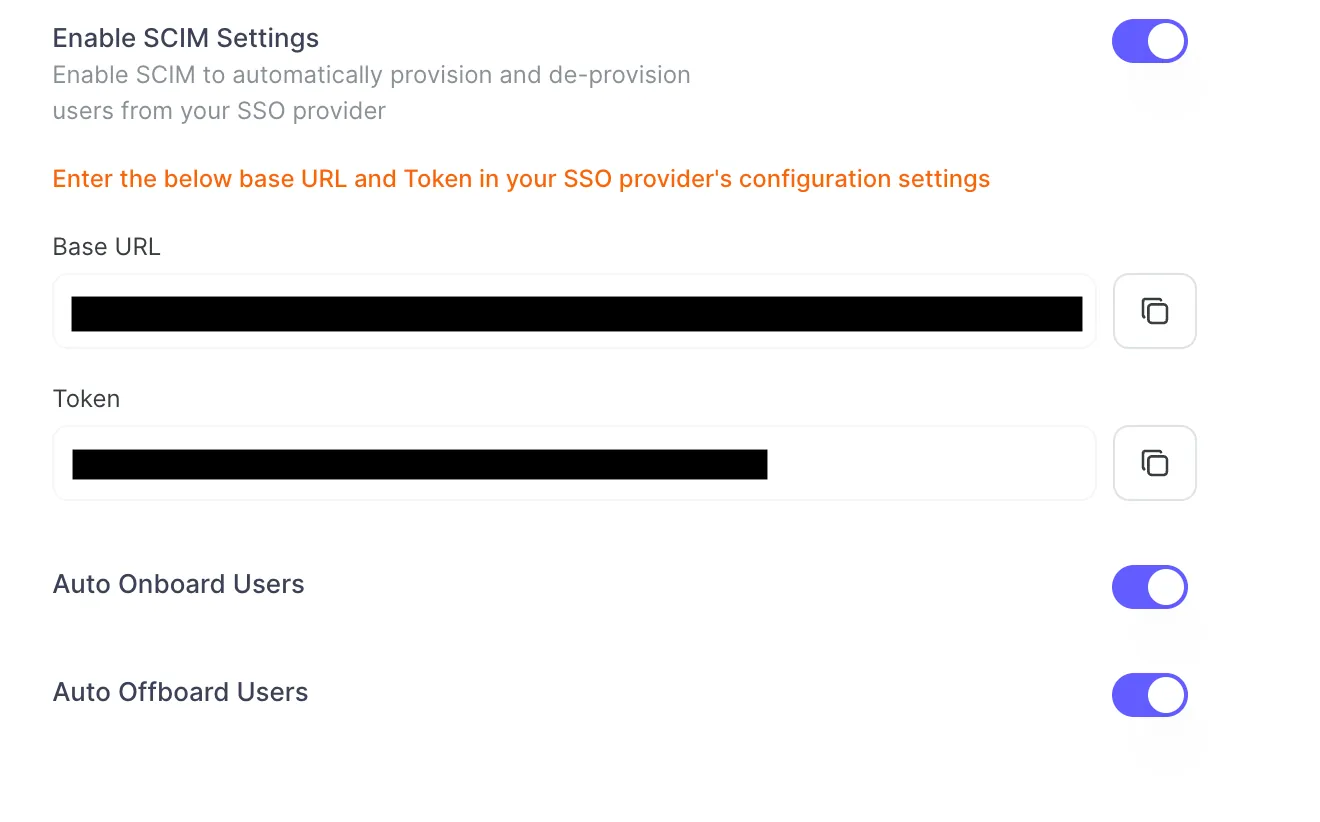
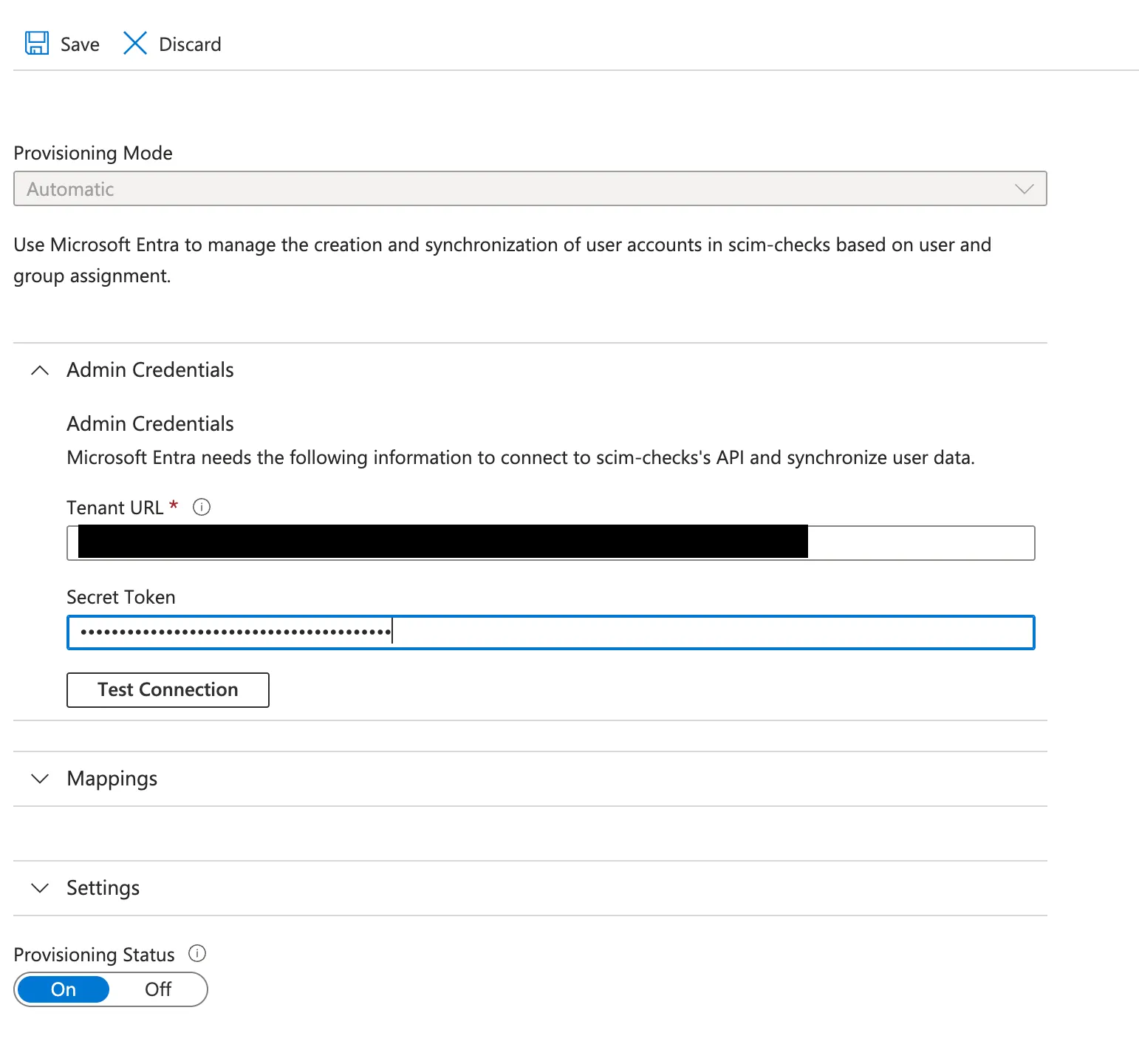
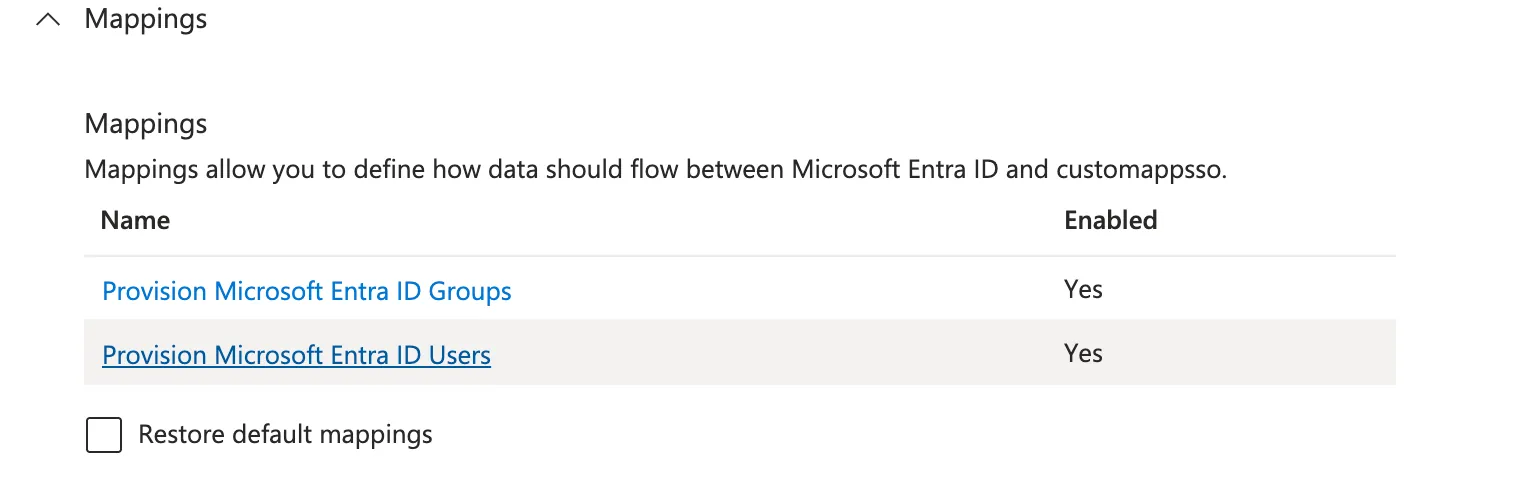
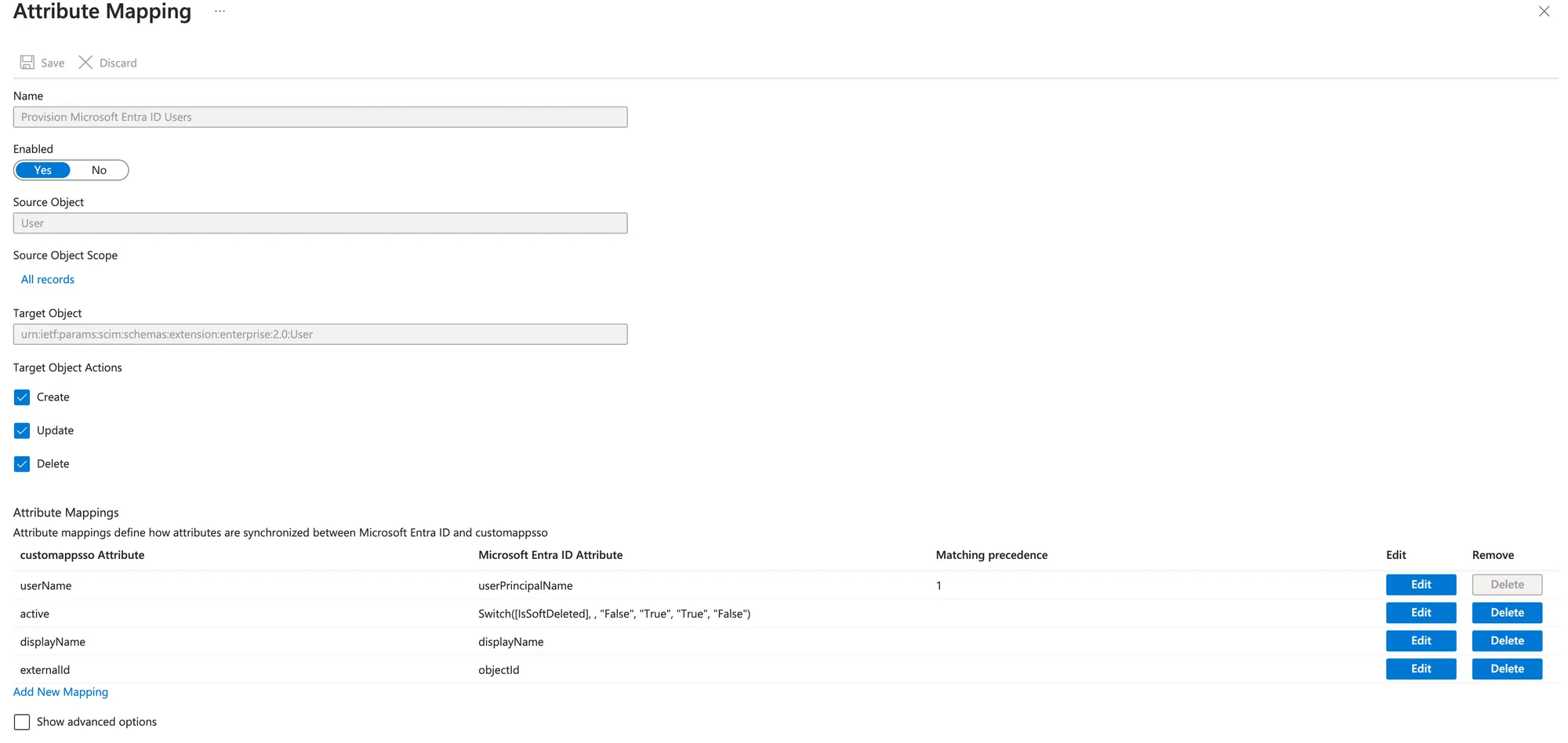
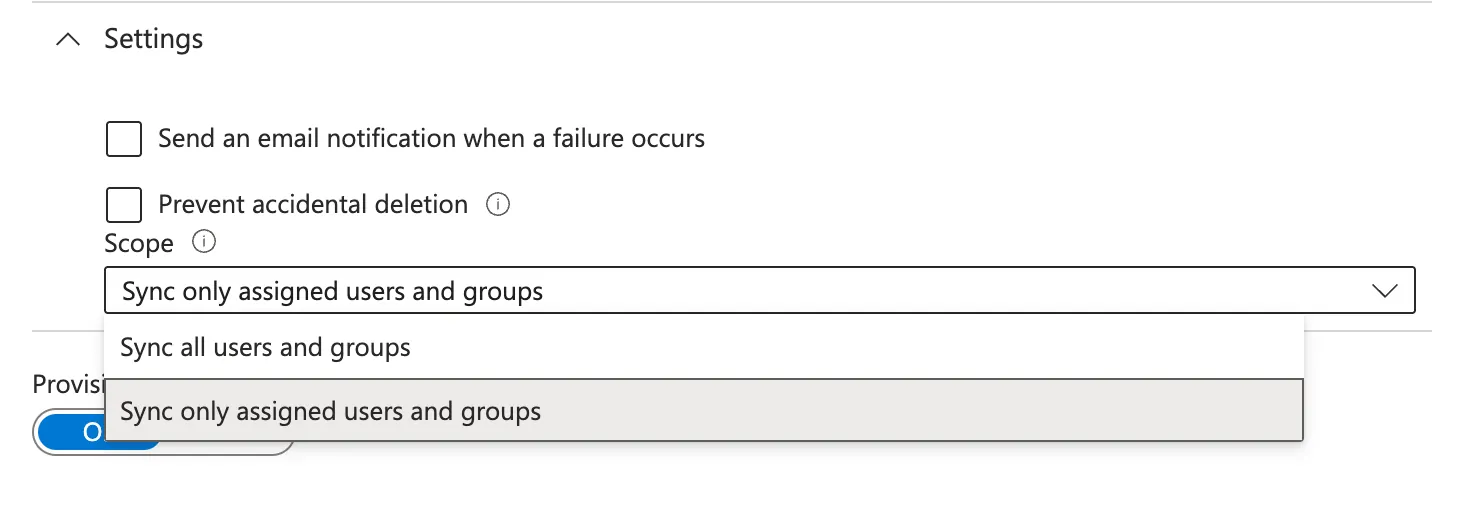
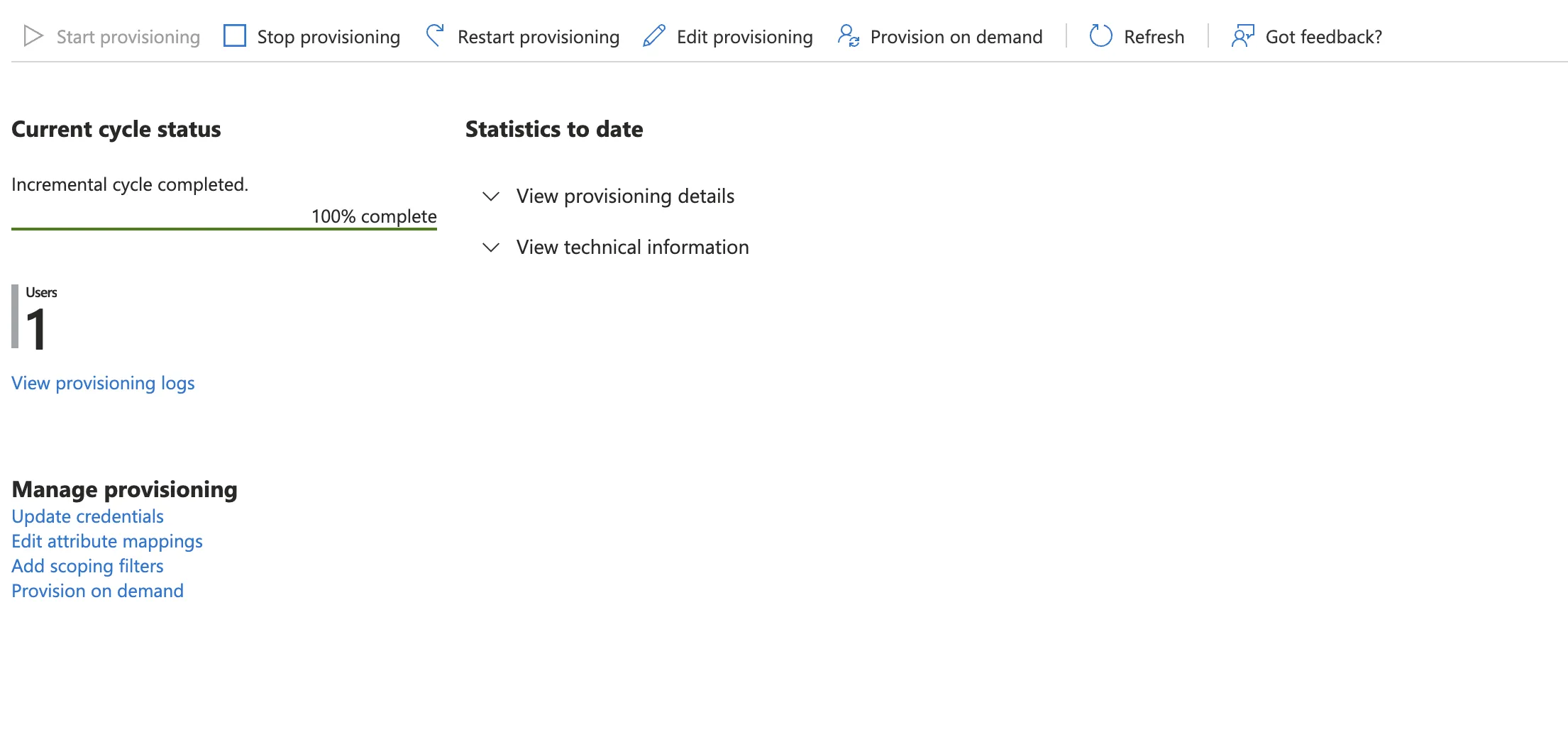
Important! Auto Deprovisioning Note:
To automatically delete a user from Xurrent IMR, unassign the user from the Xurrent IMR AD application. Do not delete the user directly from Azure Active Directory — this will not trigger the deprovisioning action in Xurrent IMR.
⚠️ EU-hosted accounts — use the EU URL
If your Xurrent IMR account is hosted in the EU region, replace https://www.zenduty.com with https://imr.eu.xurrent.com in your identity provider configuration. Using the US URL with an EU-hosted account will result in the error: "Provider sent info on an account that does not exist on Zenduty."
Apply the EU URL in:
https://imr.eu.xurrent.com/<account-domain>/https://imr.eu.xurrent.com/api/account/saml/acs/<account-domain>/Your account domain, Relay State, and attribute mappings stay the same — only the base URL changes.
You have successfully set up SCIM-based user provisioning between Azure AD and Xurrent IMR.


.webp)
.webp)