


.webp)


Blog
Insights & updates from our experts


Resolve issues quickly with an AI-powered system that automates ticketing.

Resolve issues quickly with an AI-powered system that automates ticketing.

Resolve issues quickly with an AI-powered system that automates ticketing.

Resolve issues quickly with an AI-powered system that automates ticketing.
Resolve issues quickly with an AI-powered system that automates ticketing.
Resolve issues quickly with an AI-powered system that automates ticketing.
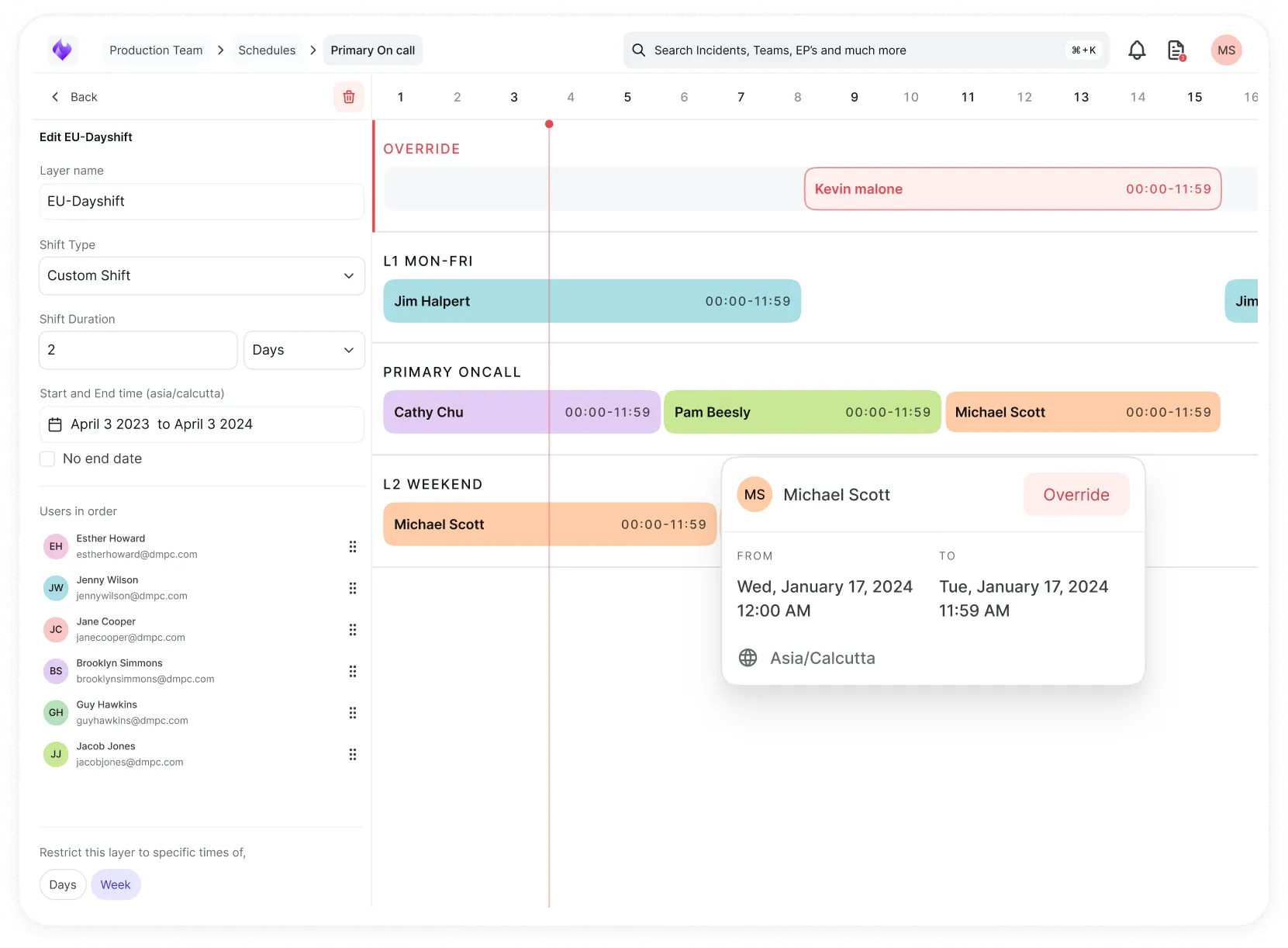
Simplify on-call scheduling, automate escalations, and reduce burnout.
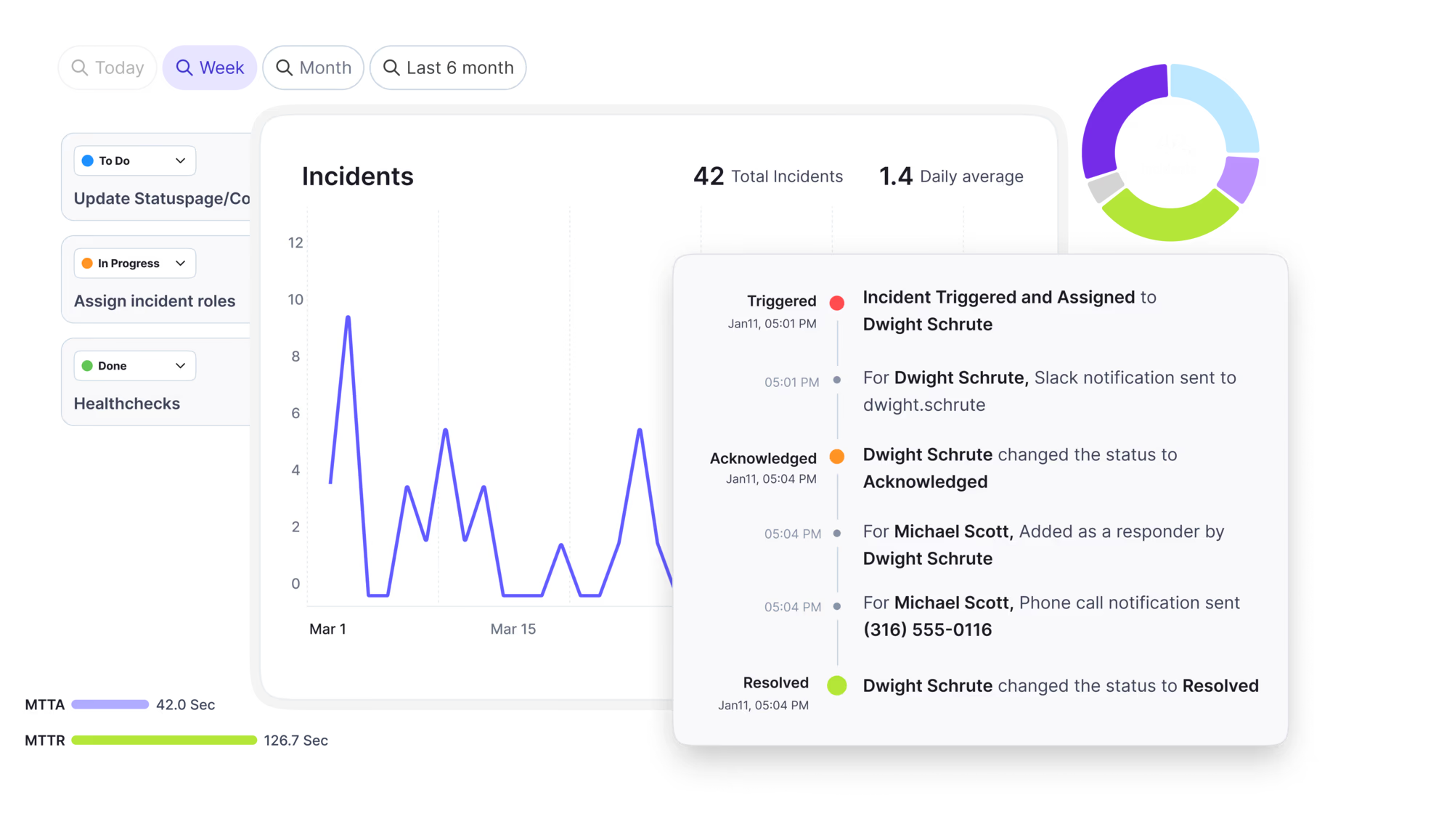
Automate postmortems, AI summaries, and post-incident workflows
We're here to help

The integration with Atlassian Jira using the Xurrent Integration Service is

The integration with Atlassian Jira using the Xurrent Integration Service is

The integration with Atlassian Jira using the Xurrent Integration Service is

The integration with Atlassian Jira using the Xurrent Integration Service is

The integration with Atlassian Jira using the Xurrent Integration Service is

The integration with Atlassian Jira using the Xurrent Integration Service is

The integration with Atlassian Jira using the Xurrent Integration Service is

The integration with Atlassian Jira using the Xurrent Integration Service is
Resolve issues quickly with an AI-powered system that automates ticketing.
Resolve issues quickly with an AI-powered system that automates ticketing.
Simplify on-call scheduling, automate escalations, and reduce burnout.
Automate postmortems, AI summaries, and post-incident workflows
Resolve issues quickly with an AI-powered system that automates ticketing.
Resolve issues quickly with an AI-powered system that automates ticketing.
Resolve issues quickly with an AI-powered system that automates ticketing.
Resolve issues quickly with an AI-powered system that automates ticketing.

We are here to help 24/7

Connect with other Xurrent Users

Get insights and tips on how to get the most out of Xurrent

Apps, APIs, and updates

Xurrent service functionality

Eliminate manual tasks, optimize workflows, and deliver faster resolutions.
Learn how organizations have reduced downtime, improved 50% MTTA & MTTR, and cut costs with Xurrent IMR.
Discover Xurrent IMR's quick support, bidirectional integrations with Jira and Slack, and more cohesive incident response capabilities compared to Opsgenie.
Understand why users value Xurrent IMR for its intuitive interface, efficient incident alerting, customizable On-call schedules, and escalations.


Learn how to install and configure the Xurrent Universal Database Connector to securely connect your own database, enabling enhanced reporting, customized analytics, and deeper insights beyond Xurrent’s standard reporting capabilities.
Installation of the app requires proper setup on of your database, specifically for the Xurrent Universal Database Connector. This setup will require:
To set up the application you will need to provide the SQL connection string, including SQL username and password, which will be securely stored, and the Microsoft SQL schema. The schema allows you to group multiple accounts sync into one table or a schema per account.
Find details on the complete setup instructions for configuring your database in the below attached pdf:
Xurrent Universal Database Connector Configuration Guide
Once these steps have been completed, you can simply install the Xurrent Data Sync application from the App Store. Here, you will input the relevant Connection String and Scheme that were previously set up. Once you do so, the app is installed.
Notes
The app supports syncing data every 30 minutes, with a 1 hour delay on the synced data, all adhering to Xurrent’s standard rate limitation practices. On initial setup, it may take up to 15minutes for the initial sync to happen.
Also, be aware of the option to ‘Suspend on failure’ in the Setup details of the app. We strongly recommend enabling this option during the initial setup. When this option is enabled, the app will enter suspend mode whenever an error occurs, and the suspend message will provide additional details about the error. After a successful synchronization, you can disable this option to allow the sync process to continue running even in case of network or database unavailability. If other issues arise, you can enable it again to capture and diagnose potential errors.
Additionally, there is the option Include the Directory Account. Enabling this option will synchronize data from the associated directory account. If you are synchronizing multiple support domains, ensure this option is enabled for only one support domain to avoid performance issues, as it synchronizes the same directory account data across support domains.
Currently, we support syncing to Microsoft SQL database, and plan to add the ability to sync to other database configurations, e.g. Oracle in the future.
Currently, these are the top-level objects that we are able to sync via this application:
Updating the App
Login to Xurrent and navigate the the Apps console
After a new version of the App has been published, just click on the Update button
Xurrent will ask for a review and confirmation to update the app


.webp)
.webp)